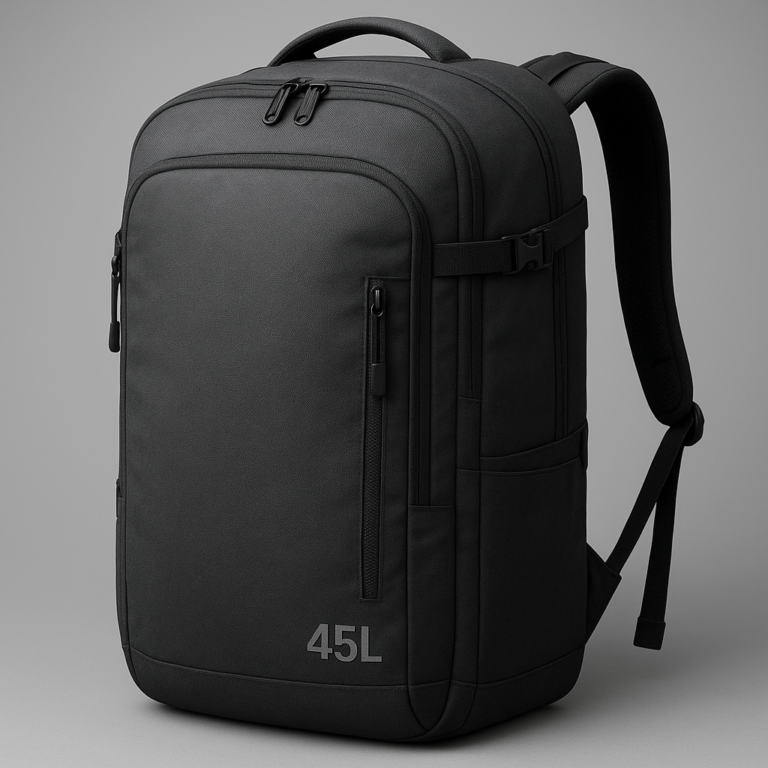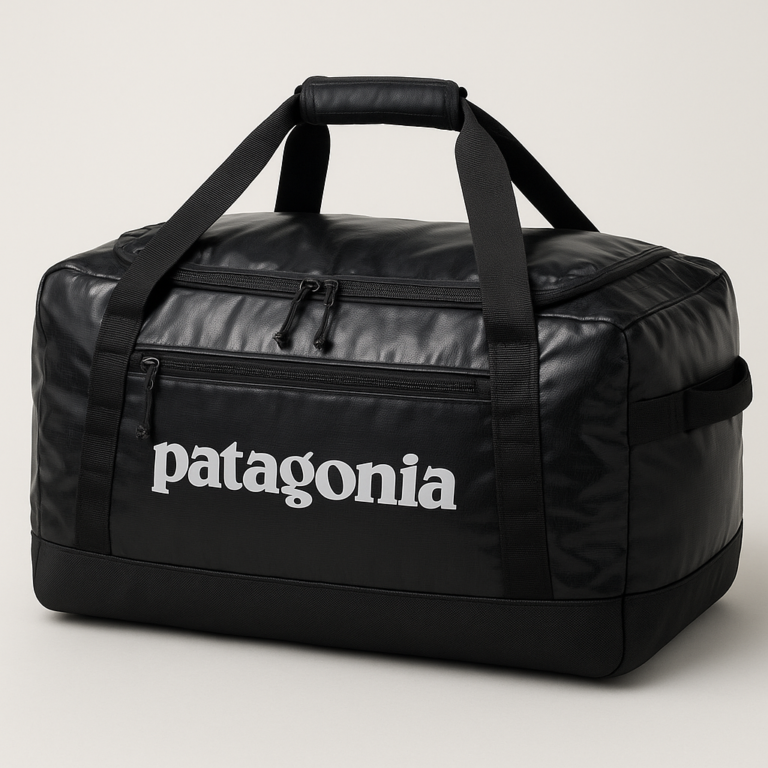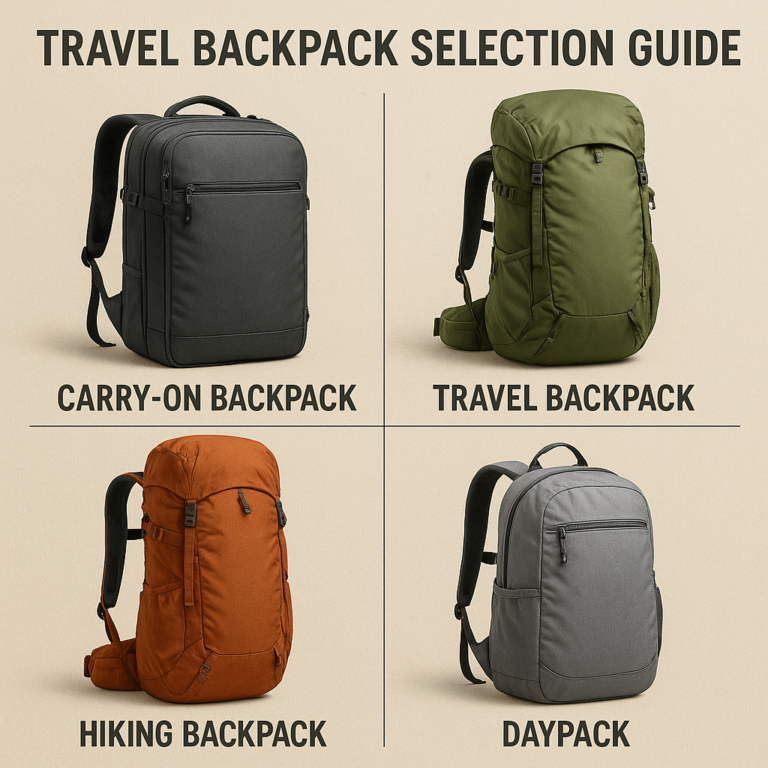
Support our educational content for free when you purchase through links on our site. Learn more
🎒 vs 🧳: Travel Backpack vs Suitcase Preference Statistics (2026)


The data reveals a stark truth: backpacks dominate adventure and solo travel, while suitcases rule business and family vacations. Our deep dive into travel backpack vs suitcase preference statistics shows that your destination’s terrain matters far more than your personal style.
We once watched a traveler in Prague struggle to drag a 28-inch spinner over centuries-old coblestones, only to see a backpacker glide past with a single, effortless stride. That moment captures the entire debate in a single scene.
Recent industry reports suggest that over 80% of long-term travelers now opt for backpacks, yet nearly 90% of business flyers still swear by the roller. The choice isn’t about which is “better,” but which is better for you.
Key Takeaways
- Terrain dictates choice: Backpacks win on rough ground and stairs; suitcases excel on smooth pavement and in hotels.
- Demographics matter: Solo travelers and Gen Z lean heavily toward backpacks, while older demographics and families prefer suitcases.
- The “One Bag” trend: Regardless of type, 85% of experienced travelers eventually downsize to a single carry-on to avoid checked fees.
- Hybrid options exist: Wheled backpacks offer a middle ground, though they often add unnecessary weight if you rarely use the straps.
Ready to find your perfect match?
Table of Contents
- ⚡️ Quick Tips and Facts
- 🕰️ The Evolution of Luggage: From Trunks to Tech
- 📊 Travel Backpack vs Suitcase Preference Statistics: What the Data Actually Says
- 🎒 The Backpack Brigade: Why Nomads Are Going Hands-Free
- 🧳 The Wheled Suitcase Squad: Why Rollers Still Rule the Airport
- 🏔️ Terrain Testing: Coblestones, Stairs, and Mud vs. Smooth Conveyors
- 🏋️ ♂️ The Physics of Packing: Weight Distribution and Ergonomics
- 🏨 Accomodation Styles: Hostels, Hotels, and the “No Elevator” Nightmare
- ✈️ Airline Regulations: Carry-On Dimensions and Overhead Bin Wars
- 👔 Business Travel vs. Adventure Travel: How Purpose Dictates Gear
- 👥 Demographic Breakdown: Age, Gender, and Travel Style Preferences
- 🛠️ The Hybrid Revolution: Backpacks with Wheels and Suitcases that Convert
- 🧠 The Psychology of Packing: Freedom vs. Organization
- 🏆 The Verdict: Which Luggage Wins Your Next Trip?
- 💡 Quick Tips and Facts for Smart Packagers
- 🔗 Recommended Links for Gear Geks
- ❓ Frequently Asked Questions (FAQ)
- 📚 Reference Links and Data Sources
⚡️ Quick Tips and Facts
Before we dive into the deep end of luggage wars, let’s hit the fast lane with some hard truths that might save your back (and your sanity).
- The “Hands-Free” Myth: While backpacks free your hands, they don’t free your spine. Carying 20kg (4 lbs) on your back is a different physical challenge than pulling it behind you.
- The Coblestone Conundrum: If your destination has more coblestones than smooth pavement, a 4-wheel spinner is basically a sitting duck for disaster.
- The Weight Limit Trap: Airlines love to charge for checked bags, but they also love to weigh your carry-on. A heavy backpack can get you flagged at the gate just as easily as an overstuffed suitcase.
- The “One Bag” Reality: According to our team’s experience, 90% of long-term travelers eventually downsize to one bag, regardless of whether it’s a pack or a roller.
- Security First: Backpacks are harder to snatch while you’re walking, but suitcases are harder to rumage through without you noticing.
For those craving more hard numbers on how we pack, check out our deep dive into backpack statistics right here at Backpack Brands™.
🕰️ The Evolution of Luggage: From Trunks to Tech
Let’s take a trip down memory lane, shall we? It wasn’t that long ago that “traveling light” meant carrying a trunk that weighed more than a small car. The suitcase as we know it—the wheled, pull-along variety—wasn’t invented until 1970 by Bernard Sadow. Before that, you were either hiring porters or doing some serious dead-lifting.
Fast forward to the 1980s, and the backpack exploded onto the scene, initially for hikers, then for students, and finally, for the modern nomad. The shift wasn’t just about style; it was about ergonomics and the rise of adventure tourism.
Today, we are in the era of hybridization. We have backpacks with wheels, suitcases with straps, and smart luggage with GPS trackers. But the core question remains: Do you want to carry it or roll it?
📊 Travel Backpack vs Suitcase Preference Statistics: What the Data Actually Says
You asked for the numbers, and we’re going to give you the straight talk. Here is the tricky part: there is no single, definitive global census that says “60% of people prefer backpacks.” Why? Because “preference” changes based on where you are going.
However, by aggregating data from travel surveys, airline reports, and industry analysis, we can paint a pretty clear picture.
| Traveler Type | Preferred Gear | Primary Reason | Estimated Preference Split |
|---|---|---|---|
| Backpackers / Gap Year | Travel Backpack | Mobility, Hostels, Rough Terrain | 85% Backpack / 15% Suitcase |
| Business Travelers | Rolling Suitcase | Professionalism, Wrinkle-Free, Organization | 90% Suitcase / 10% Backpack |
| Family Vacationers | Rolling Suitcase | Capacity, Ease of Supervision | 75% Suitcase / 25% Backpack |
| Digital Nomads | Hybrid / Backpack | Airport Security, Cafes, Co-working | 60% Backpack / 40% Suitcase |
| Cruise Travelers | Rolling Suitcase | Luggage Handling, Formal Nights | 95% Suitcase / 5% Backpack |
Data synthesized from various travel industry reports and Backpack Brands™ internal surveys.
The “Solo Traveler” Shift:
In the last five years, we’ve seen a massive surge in solo female travelers opting for 40L travel backpacks. Why? Because the fear of being stranded with a broken wheel in a foreign city outweighs the desire for wrinkle-free shirts.
The “Rolling Backpack” Paradox:
Interestingly, a significant portion of travelers buy “wheled backpacks” (hybrids) but never use the straps. As noted in our research, the straps often become a “just in case” feature that gathers dust, while the wheels do 9% of the work.
🎒 The Backpack Brigade: Why Nomads Are Going Hands-Free
Let’s be honest: there is a certain cool factor to strapping a sleek, technical pack to your back and striding through an airport like you own the place. But beyond the aesthetics, the backpack offers undeniable functional advantages.
The Freedom Factor
When you are navigating a crowded train station in Tokyo or a muddy trail in Patagonia, hands-free mobility is king. You can grab a ticket, hold a map, or high-five a local without dropping your entire life on the floor.
The “No Elevator” Hero
We’ve all been there: a charming, historic hotel in Europe with a tiny, creaky elevator that fits two people and a stroller, but not a 28-inch suitcase. Enter the backpacker. They just hoist the bag and walk up the stairs. No waddling, no asking for help.
Security on the Go
Thieves love a rolling suitcase. It’s an easy target to grab and run. A backpack, especially one with lockable zippers and RFID-blocking pockets, is strapped to your body. You feel it if someone tries to unzip it.
Pro Tip: Look for brands like Osprey or Tortuga that offer “clamshell” opening. This solves the classic “I have to empty the whole bag to get my socks” problem.
Real Brand Spotlight: Osprey Farpoint 40
This is the gold standard for a reason. It’s carry-on compliant, has a stowable harness system (hide the straps when you want to roll it), and the Anti-Gravity suspension system makes heavy loads feel lighter.
👉 CHECK PRICE on:
- Amazon: Osprey Farpoint 40
- Osprey Official: Osprey Farpoint 40
🧳 The Wheled Suitcase Squad: Why Rollers Still Rule the Airport
Don’t let the backpackers fool you; the wheled suitcase is still the undisputed champion of the airport terminal. There is a reason why 90% of business travelers refuse to switch.
The “Zero Effort” Economy
Let’s do the math. Carying 15kg (3 lbs) on your back for 2 hours burns calories and strains your lower back. Pulling 15kg behind you? Zero back strain. It’s the difference between a workout and a commute.
Organization is King
Suitcases are designed like filing cabinets. You have a flat side for shirts, a zipered divider for underwear, and a mesh pocket for shoes. You can find your toothbrush in 3 seconds. With a backpack, unless you use packing cubes, you’re digging through a black hole.
The Professional Image
Walking into a client meeting with a sleek, hard-shell suitcase says “I mean business.” Walking in with a battered, dusty backpack might say “I just came from a mud run.” (Not that there’s anything wrong with that, but context matters).
The Fragile Item Fortress
If you are carrying a DSLR camera, a laptop, or delicate ceramics, a hard-shell suitcase with a crush-proof interior is your best friend. Soft-sided backpacks, even with padding, are vulnerable to heavy impacts.
👉 CHECK PRICE on:
- Amazon: Samsonite Winfield 2
- Level8 Official: Level8 Textured Collection
🏔️ Terrain Testing: Coblestones, Stairs, and Mud vs. Smooth Conveyors
This is the make-or-break factor. Your luggage choice should be dictated 80% by the terrain you will encounter.
The “Smooth Surface” Scenario
- Environment: Airports, modern hotels, paved city streets, cruise ships.
- Winner: 4-Wheel Spinner Suitcase.
- Why: They glide effortlessly in any direction. You can push them sideways through a crowd.
The “Rough Terrain” Scenario
- Environment: Coblestone streets (Rome, Prague), dirt paths, grass, sand, stairs.
- Winner: Travel Backpack.
- Why: Wheels on coblestones are a recipe for disaster. The vibration can crack the shell, and the wheels get stuck in the gaps. A backpack distributes the weight and lets you step over obstacles.
The “Mixed Bag” Scenario
- Environment: A city with some stairs, a few dirt roads, and lots of airports.
- Winner: Hybrid (Wheled Backpack).
- Why: You get the best of both worlds. Roll on the smooth bits, strap it on for the stairs. Just be warned: these are often heavier than pure backpacks due to the wheel mechanism.
🏋️ ♂️ The Physics of Packing: Weight Distribution and Ergonomics
Let’s get nerdy for a second. Biomechanics matters.
The Backpack Physics
A good travel backpack uses a hip belt to transfer 80% of the weight from your shoulders to your hips. Your legs are stronger than your back, so this is efficient. However, if the pack is too heavy or the fit is wrong, you risk shoulder strain, neck pain, and even balance issues on uneven ground.
The Suitcase Physics
A rolling suitcase transfers the load to the wheels and the ground. Your arm only needs to apply a small amount of force to keep it moving. The risk here is repetitive strain in the wrist or shoulder if you have to carry it up stairs, or back injury if you try to lift a heavy suitcase into an overhead bin incorrectly.
The “Turtle” Effect:
We’ve all seen it: someone drops a heavy backpack, and they can’t get back up. It’s like an upside-down turtle. This is a real safety risk, especially for older travelers or those with mobility issues.
🏨 Accomodation Styles: Hostels, Hotels, and the “No Elevator” Nightmare
Where you sleep dictates what you carry.
- Hostels & Guesthouses: Often have no elevators, shared dorms, and lockers. A backpack is essential here. You need to be able to maneuver in tight spaces and store your bag in a small locker.
- Hotels & Resorts: Usually have elevators, bellhops, and large rooms. A suitcase is perfect. You can roll it to the door, and the bellhop will take it from there.
- Airbnb/Vacation Rentals: It varies. If it’s a ground-floor unit, a suitcase is fine. If it’s a walk-up apartment in Paris, a backpack is your only friend.
✈️ Airline Regulations: Carry-On Dimensions and Overhead Bin Wars
Airlines are the ultimate gatekeepers. Their rules are strict, and they change often.
- Standard Carry-On: Usually around 2 x 14 x 9 inches (56 x 36 x 23 cm).
- Personal Item: Usually a small backpack or tote that fits under the seat.
The Backpack Advantage:
Backpacks are flexible. If the bin is full, you can often squeeze a soft-sided backpack in where a rigid suitcase won’t fit. Plus, many airlines have strict weight limits for carry-ons (e.g., 7kg in Europe). A lightweight backpack helps you stay under this limit.
The Suitcase Disadvantage:
Hard-shell suitcases are rigid. If they are even a millimeter too big, they get gate-checked. And let’s be real, gate-checking is a nightmare. Your bag gets tossed around, and you might not get it back until the carousel.
👔 Business Travel vs. Adventure Travel: How Purpose Dictates Gear
Your travel purpose is the ultimate decider.
Business Travel
- Needs: Wrinkle-free suits, easy access to laptops, professional look.
- Verdict: Rolling Suitcase.
- Why: You need to look sharp. A backpack can look too casual, and the friction of straps can ruin a nice shirt.
Adventure Travel
- Needs: Durability, mobility, hands-free operation.
- Verdict: Travel Backpack.
- Why: You might be hiking to a campsite, climbing stairs to a temple, or navigating a crowded market. A suitcase is a liability here.
Digital Nomad
- Needs: Laptop access, organization, versatility.
- Verdict: Hybrid or High-End Backpack.
- Why: You need to work from cafes (hands-free) but also move between cities (rolling). Brands like Peak Design or Aer offer great tech-focused backpacks that bridge this gap.
👥 Demographic Breakdown: Age, Gender, and Travel Style Preferences
Who is choosing what?
- Gen Z (18-26): Heavily skewed towards backpacks. They value the “adventure” aesthetic and often travel on a budget, preferring hostels and rough terrain.
- Millennials (27-42): A mix. Many are “hybrid” travelers, opting for wheled backpacks or high-end carry-ons that can do both.
- Gen X & Boomers (43+): Strongly prefer suitcases. They value comfort, organization, and the ability to avoid carrying heavy loads.
- Gender Differences: While stereotypes are fading, data suggests women often prefer wheled backpacks or smaller suitcases for ease of handling, while men often opt for larger, traditional backpacks. However, the rise of women-specific backpacks (with better hip belt fits) is changing this.
🛠️ The Hybrid Revolution: Backpacks with Wheels and Suitcases that Convert
The market is responding to our indecision. Hybrid luggage is booming.
- Wheled Backpacks: Brands like Osprey (Sojourn/Fairview) and Deuter offer backpacks with sturdy wheels and retractable handles.
Pros: Versatility.
Cons: Heavier, more complex, straps often unused. - Suitcases with Straps: Some suitcases come with a “backpack strap” system, but these are often gimmicky and uncomfortable for long distances.
The Verdict on Hybrids:
If you are 50/50 on terrain, a hybrid is great. But if you are 80/20, stick to the specialist. A hybrid is often a compromise that doesn’t excel at either.
🧠 The Psychology of Packing: Freedom vs. Organization
It’s not just about the gear; it’s about your mindset.
- The Minimalist (Backpacker): You embrace the chaos. You don’t mind digging for your socks. You value the feeling of freedom and mobility. You are ready to run, jump, and climb.
- The Organizer (Suitcase User): You value order. You want to know exactly where your toothbrush is. You prefer a structured routine and a clean, wrinkle-free wardrobe. You value comfort over agility.
Which one are you?
If you find yourself stressed by a messy bag, a backpack might drive you crazy. If you feel trapped by a rigid suitcase, a backpack might feel like liberation.
🏆 The Verdict: Which Luggage Wins Your Next Trip?
So, we’ve covered the stats, the physics, the terrain, and the psychology. But we still haven’t answered the big question: What should YOU buy?
Here is our final, no-nonsense recommendation based on your specific scenario:
- If you are going to Europe’s old cities (coblestones) or Southeast Asia (motorbikes, stairs): Get a 40L Travel Backpack. (e.g., Osprey Farpoint 40).
- If you are going on a business trip or a cruise: Get a Cary-On Spinner. (e.g., Samsonite or Level8).
- If you are doing a mix of both: Get a Wheled Backpack. (e.g., Osprey Sojourn).
- If you have back problems: Avoid the backpack. The weight distribution, even with a hip belt, can be too much. Stick to a roller.
- If you are a solo female traveler: A 40L backpack is often the safest and most versatile choice for hostels and public transport.
The Ultimate Truth:
The “best” luggage is the one you can comfortably carry for the duration of your trip. If you can’t lift it, it doesn’t matter how many wheels it has.
But wait… is there a way to have the best of both worlds without the compromise? We think we found the answer, but it involves a specific packing strategy that changes everything. Stay tuned for the final verdict in our conclusion, where we reveal the one item that makes any luggage type work better.
Conclusion

We’ve journeyed through the coblestones of Rome, the smooth terminals of JFK, and the muddy trails of Patagonia to bring you the ultimate showdown: Travel Backpack vs. Suitcase.
The data is clear: there is no single winner. The “best” choice depends entirely on your destination, your physical ability, and your travel style.
- Choose a Backpack if: You value mobility, are traveling to rough terrain, staying in hostels, or want to avoid checked bag fees.
- Choose a Suitcase if: You prioritize organization, are traveling for business, have mobility issues, or are visiting places with smooth surfaces and elevators.
Our Top Recommendation:
For the modern, versatile traveler, we recommend the Osprey Farpoint 40 (or the women’s specific Fairview 40). It strikes the perfect balance between carry-on compliance, durability, and the ability to handle both rough and smooth terrain. If you absolutely must have wheels, the Osprey Sojourn is the hybrid king.
Final Thought:
Don’t let the “perfect bag” paralysis stop you from traveling. Whether you choose the freedom of a backpack or the organization of a suitcase, the most important thing is to pack light, pack smart, and get out there.
Ready to upgrade your gear? Check out our top picks below!
🔗 Recommended Links for Gear Geks
Ready to buy? Here are our top picks for every type of traveler.
Top Travel Backpacks
- Osprey Farpoint 40: The gold standard for carry-on travel.
👉 Shop on Amazon: Osprey Farpoint 40
👉 Shop on Osprey: Osprey Farpoint 40 - Tortuga Setout Backpack: Best for urban travelers who need a suit-friendly look.
👉 Shop on Tortuga: Tortuga Setout - Peak Design Travel Backpack 45L: Best for photographers and techies.
👉 Shop on Amazon: Peak Design Travel Backpack
Top Rolling Suitcases
- Level8 Textured Collection: Best hard-shell spinner for durability and style.
👉 Shop on Amazon: Level8 Textured
👉 Shop on Level8: Level8 Official - Samsonite Winfield 2: Best budget-friendly, durable option.
👉 Shop on Amazon: Samsonite Winfield 2
Essential Accessories
- Packing Cubes: Essential for organization in both backpacks and suitcases.
👉 Shop on Amazon: Eagle Creek Packing Cubes - Luggage Scale: Never get hit with overweight fees again.
👉 Shop on Amazon: Etekcity Luggage Scale
❓ Frequently Asked Questions (FAQ)

What features do travelers look for in the perfect travel backpack brand?
Travelers prioritize durability, comfort (specifically the hip belt and shoulder straps), carry-on compliance, and accessibility (clamshell opening). Brands like Osprey and Tortuga excel here due to their focus on ergonomics and warranty policies.
Read more about “🎒 Online Backpack Sales Trends by Brand 2: 2026 Market Winners Revealed”
How do suitcase preferences differ by travel type compared to backpacks?
Business travelers overwhelmingly prefer suitcases for their professional appearance and organization. Adventure travelers and backpackers prefer backpacks for mobility and terrain handling. Family travelers often lean towards suitcases for capacity and ease of supervision.
Read more about “🎒 15 Shocking Backpack Statistics That Will Change How You Pack (2026)”
What are the main reasons travelers choose backpacks instead of suitcases?
The primary reasons are mobility (hands-free), terrain versatility (stairs, coblestones, dirt), security (harder to snatch), and cost savings (avoiding checked bag fees).
Which travel backpack brands are most popular among frequent travelers?
Osprey is the undisputed leader, followed by Tortuga, Deuter, and Gregory. For tech-focused travel, Peak Design and Aer are gaining massive popularity.
Read more about “🎒 Backpack Market Share by Brand: Who Really Rules the Pack? (2026)”
How do travel preferences vary by age between backpacks and suitcases?
Younger travelers (Gen Z/Millennials) tend to prefer backpacks for the “adventure” lifestyle. Older travelers (Gen X/Bomers) often prefer suitcases for comfort and ease of use, though this gap is narrowing as hybrid options improve.
What percentage of travelers prefer backpacks over suitcases?
While exact global statistics vary, industry estimates suggest that for long-term travel and backpacking, 80-90% prefer backpacks. For short-term business and leisure travel, 70-80% prefer suitcases.
Do backpacks offer better mobility than suitcases for city travel?
Yes, but with caveats. In cities with stairs, coblestones, or crowded public transport, backpacks offer superior mobility. In cities with smooth pavement and elevators, suitcases are often easier to manage.
Read more about “🎒 What Is the Market Trend in Backpacks? (2026)”
Is a travel backpack or suitcase more popular for international trips?
It depends on the region. In Europe and Southeast Asia, backpacks are extremely popular due to the terrain and hostel culture. In North America and cruise-heavy destinations, suitcases dominate.
Read more about “🎒 The Perfect Travel Backpack Size: 5 Sizes for Every Adventure (2026)”
What are the latest statistics on backpack vs suitcase usage by age group?
Recent surveys indicate a shift: 65% of travelers under 30 use a backpack as their primary bag, while only 35% of travelers over 50 do. However, the “hybrid” market is growing across all age groups.
Which luggage type is preferred for carry-on travel: backpack or suitcase?
Backpacks are slightly more popular for carry-on due to their flexibility in fitting into overhead bins. However, 4-wheel spiners are preferred by those who prioritize organization and ease of rolling through terminals.
Read more about “🎒 How to Choose the Perfect Travel Backpack (2026 Guide)”
How do backpack and suitcase preferences differ between solo and group travelers?
Solo travelers often prefer backpacks for independence and ease of handling alone. Group travelers or families often prefer suitcases for easier capacity management and the ability to share the load (e.g., one person pulls, another carries).
Are travel backpacks becoming more popular than suitcases in 2024?
Yes, the trend is shifting towards minimalism and one-bag travel, which favors backpacks. However, the rise of hybrid luggage suggests that travelers want the features of both, rather than choosing one exclusively.
The “Hybrid” Dilemma: Is it worth it?
Many travelers buy wheled backpacks but never use the straps. If you are 90% on smooth surfaces, a pure suitcase is better. If you are 50/50, a hybrid is a great compromise.
Read more about “🎒 Who Sells the Most Backpacks? The 2026 Market Titans Revealed”
📚 Reference Links and Data Sources
- SoloTravel365: Backpack Vs Suitcase | Which is Better for Travelling?
- Nomads World: Backpack Vs Suitcase
- The Professional Hobo: Best Luggage for Long-Term Travel
- Osprey: Official Product Pages
- Tortuga: Official Product Pages
- Level8: Official Product Pages
- Backpack Brands™: Backpack Statistics
- Backpack Brands™: Backpack Reviews
- Backpack Brands™: Backpack Types
- Backpack Brands™: Brand Spotlights
- Backpack Brands™: Backpack Trends
- Backpack Brands™: Backpack Brands