Support our educational content for free when you purchase through links on our site. Learn more
Rucksack Backpack Guide: Find Your Perfect Pack 🎒

The best rucksack backpack is the one that fits your body, carries your real-world load comfortably, and suits where you’re going. “Rucksack” and “backpack” often mean the same thing, so focus on capacity, fit, and features—not the label stitched onto the front.
We’ve seen a sleek commuter bag turn into a shoulder-diging regret once it’s stuffed with a laptop, lunch, and a rain jacket. The fix isn’t always a bigger pack: a well-fitted harness and smart packing can make a modest-sized bag far more comfortable.
Key Takeaways
- Choose by purpose: A commuter pack, hiking rucksack, and travel bag solve different problems.
- Get the fit right: Match the pack to your torso and test it with a realistic load.
- Pick practical capacity: Around 18–30 liters often works for everyday carry; hikes and overnight trips may need more.
- Compare construction: Frames, hip belts, access points, fabric, and weather protection matter more than the name “rucksack.”
- Pack for balance: Keep dense items close to your back and secure loose contents so they don’t shift.
- Buy for real use: Extra pockets and rugged styling are only useful if you’ll actually use them.
Table of Contents
- ⚡ Quick Tips and Facts: Rucksack Backpacks at a Glance
- 🎒 What Is a Rucksack Backpack?
- Rucksack vs. Backpack: What’s the Difference?
- Rucksack vs. Daypack, Knapsack, and Hiking Pack
- 📜 Rucksack History: From Military Gear to Everyday Carry
- 🧭 Types of Rucksack Backpacks
- Hiking and Treking Rucksacks
- Travel and Carry-On Rucksacks
- Military and Tactical Rucksacks
- School, Work, and Everyday Rucksacks
- Waterproof and Dry-Bag Rucksacks
- 📏 Rucksack Backpack Sizes and Capacity: How Many Liters Do You Need?
- Small Rucksacks: 10–30 Liters
- Medium Rucksacks: 30–50 Liters
- Large Rucksacks: 50+ Liters
- 🛠️ Rucksack Features and Materials to Compare
- Shoulder Straps, Hip Belts, and Back Panels
- Frames, Compartments, and Access Points
- Fabric, Zippers, and Weather Resistance
- ✅ How to Choose the Best Rucksack Backpack
- Fit a Rucksack to Your Torso and Body Shape
- Match Capacity to Your Trip and Packing Style
- Choose Features for Your Intended Use
- 🎒 How to Pack and Adjust a Rucksack
- Pack Weight for Comfort and Balance
- Adjust Straps for a Better Fit
- 🌧️ Rucksack Backpack Care, Cleaning, and Storage
- 🧳 Rucksack Backpacks for Travel: Carry-On Tips and Security
- ♻️ Durable, Sustainable, and Repairable Rucksacks
- ❌ Common Rucksack Buying Mistakes to Avoid
- Conclusion
- Recommended Links
- FAQ
- Can “rucksack” and “backpack” mean the same thing?
- What size rucksack is best for everyday use?
- Are rucksacks comfortable for long hikes?
- Can you take a rucksack backpack as carry-on luggage?
- How do you waterproof a rucksack?
- How long should a good rucksack last?
- Reference Links
Quick Tips and Facts: Rucksack Backpacks at a Glance
Looking for an everyday carry pack, a hiking hauler, or a bag built for weighted rucking? Our guide to the urban rucksack backpack covers the city-friendly side; here, we’ll sort out rucksack styles, fit, capacity, and what matters before you buy.
| Quick fact | What to know |
|---|---|
| Rucksack vs. backpack | In everyday use, the terms often overlap. “Rucksack” commonly suggests a larger, rugged pack, but naming varies by region and brand. |
| Best size for everyday carry | Many commuters find 18–30 liters practical, depending on laptop size, lunch, and extra layers. |
| Best size for a day hike | Around 20–35 liters often suits a day’s essentials, though weather and gear change the equation. |
| Best size for overnight trips | Roughly 35–55 liters is a common starting range; bulky or winter equipment can call for more. |
| Most important fit check | Match the pack to your torso length, then adjust the hip belt and shoulder straps. REI explains pack fitting in its backpack fitting guide. |
| Water resistance | Water-resistant fabric and zippers are not the same as a waterproof construction. A rain cover or dry bags add protection. |
| Rucking caution | Weighted walking puts extra demand on your pack and body. Start light, build gradually, and stop if you develop pain. |
Our short version: buy for the load you actually carry, not the imaginary expedition version of yourself who apparently needs three spare jackets and a cast-iron skillet. For more styles and practical buying advice, browse our backpack types and backpack reviews.
What Is a Rucksack Backpack?
A rucksack is a backpack carried on the back, usually with shoulder straps. The word is associated with packs designed to carry supplies over longer distances, but modern brands use “rucksack” for everything from commuter bags to hiking packs. So, is a rucksack a special kind of bag—or just a backpack with a more adventurous name? Mostly, it’s the latter.
The more useful distinction is how the bag is built and what you’ll carry in it. A technical hiking rucksack may include a supportive frame and load-bearing hip belt; a city rucksack may prioritize a laptop sleeve, clean styling, and quick-access pockets.
Rucksack vs. Backpack: What’s the Difference?
There isn’t one universal design rule separating the two terms. In some markets, “rucksack” is more common; in others, “backpack” is the everyday default. Brands also use the words differently, so compare construction and features instead of trusting the label alone.
| Term | Common usage | What to check |
|---|---|---|
| Backpack | General-purpose bag carried on two shoulders | Capacity, straps, compartments, intended use |
| Rucksack | Often a rugged, outdoor, travel, or military-inspired backpack | Frame, hip belt, closure system, fabric, load rating |
| Daypack | Smaller pack for everyday use or short outings | Comfort, organization, weather protection |
| Hiking pack | Pack designed for trails and longer wear | Torso fit, suspension, ventilation, load transfer |
A useful comparison is Buffalo Jackson’s discussion of backpack versus rucksack, although product makers and retailers may use the terms differently. The takeaway: shop the features, not the vocabulary.
Rucksack vs. Daypack, Knapsack, and Hiking Pack
These labels describe overlapping categories rather than strict technical standards:
- Daypack: Typically a compact pack for daily use, school, or a day outdoors.
- Knapsack: A traditional term for a simple bag carried on the back; contemporary usage varies.
- Hiking pack: A pack built around trail comfort, fit, and load management.
- Travel rucksack: Often emphasizes access, organization, and luggage-friendly carry.
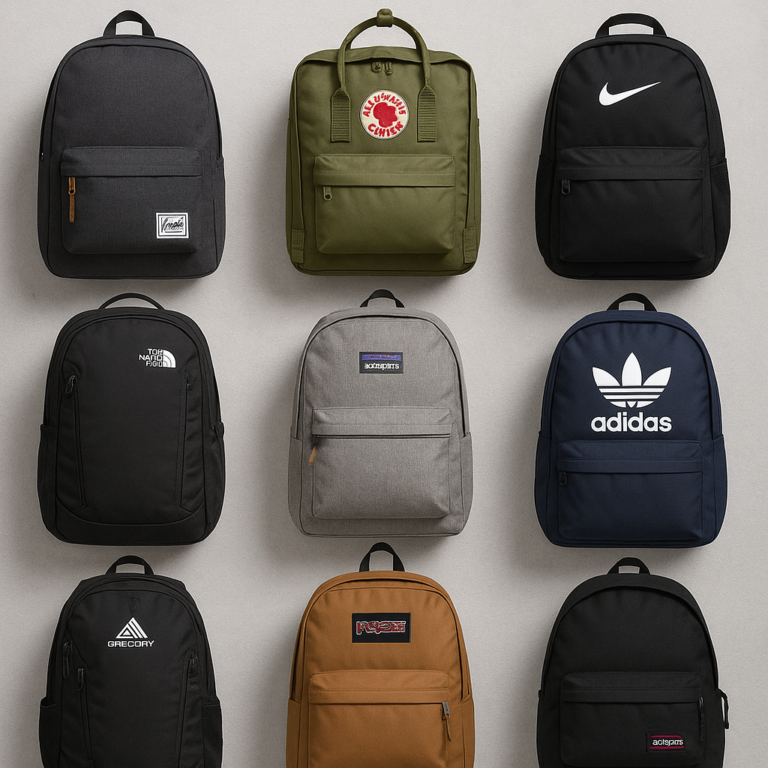
A Fjällräven Kånken, for example, is a popular everyday backpack, while an Osprey hiking pack is designed around outdoor carrying comfort. Neither label alone tells you how well a bag will fit your body or carry your typical load. See our brand spotlights for more brand-specific context.
Rucksack History: From Military Gear to Everyday Carry

The word rucksack comes from German Rücken (“back”) and Sack (“bag”). Packs carried on the back long predate modern outdoor retail; military and mountainering designs helped popularize sturdy, load-carrying packs, while contemporary versions now serve commuters, travelers, students, and hikers.
Modern rucksacks borrow from several design traditions:
- Outdoor packs use frames, adjustable harnesses, and load-bearing hip belts.
- Military-inspired packs may emphasize rugged fabrics, modular webing, and large compartments.
- Urban packs often swap external straps and bulky frames for laptop protection and streamlined organization.
- Ultralight packs reduce structure and material to save weight.
The lines blur. A heritage-style canvas pack might look trail-ready but lack a supportive suspension system. A clean commuter bag might use tough fabric yet still be uncomfortable with a heavy load. That’s why our backpack trends coverage focuses on function as well as looks.
Types of Rucksack Backpacks
The right type depends on your destination, load, and how long the pack stays on your shoulders. Our reviewers use a simple test: what will the bag carry, for how long, and in what conditions?
| Rucksack type | Best for | Typical features | Potential drawback |
|---|---|---|---|
| Hiking | Trails and outdoor trips | Supportive harness, hip belt, water compatibility | More structure than many commuters need |
| Travel | Flights and multi-day trips | Clamshell access, organization, luggage pass-through | Can feel bulky when fully packed |
| Military/tactical | Durable, modular carry | MOLE-style webing, reinforced materials | Often heavier and less streamlined |
| Everyday/school/work | Comuting and daily use | Laptop sleeve, pockets, compact profile | Limited support for heavy loads |
| Waterproof/dry-bag | Wet environments | Roll-top closure, coated fabric, sealed seams | Less convenient access organization |
Hiking and Treking Rucksacks
A hiking rucksack should fit your torso and transfer some weight to your hips when it has a properly fitted hip belt. Look for:
- Adjustable shoulder straps and a stable harness
- Hip belt suited to the pack’s expected load
- Back-panel ventilation appropriate to your climate and pace
- Water bottle access and optional hydration compatibility
- Durable fabrics and repairable components
Osprey’s hiking backpack range offers examples across different trip lengths. The brand’s Aether is a more supportive, gear-hauling design than a simple commuter bag. For lighter loads, look at packs from Hyperlite Mountain Gear, while remembering that lower weight can mean less padding or fewer features.
A video linked later in the article, #featured-video, makes a useful point: traditional, ultralight, frameless, and hybrid packs suit different loads and priorities. Its examples include the Osprey Aether 55, Hyperlite Mountain Gear Southwest, Mountainsmith Zerk 40, and Big Agnes Prospector 50. Treat the specific model details as the video’s examples, not a universal ranking; fit and current model specifications should always be checked with the manufacturer.
Travel and Carry-On Rucksacks
Travel rucksacks make it easier to move through stations, airports, and hotel lobbies without dragging a suitcase over every questionable paving stone. Useful features include:
- Clamshell opening for suitcase-like packing
- Lockable zipper pulls where compatible
- Laptop compartment with appropriate padding
- Compression straps to control a half-full bag
- Stowable harness on some travel models
The Osprey Farpoint and Patagonia Black Hole packs are examples of travel-oriented designs. Always check your airline’s current size and carry-on rules; allowable dimensions vary by carrier and ticket.
Military and Tactical Rucksacks
Tactical packs often feature durable construction, multiple compartments, compression straps, and external webing such as MOLE-compatible attachment points. That can be handy if you truly need modular attachment options. If you don’t, extra webing can become a collection of dangling straps with no clear purpose.
Consider:
- Mission needs: Do you need external attachment points or just a tidy main compartment?
- Load support: Tough fabric does not automatically mean comfortable suspension.
- Weight: Reinforced materials and extra organization can make a pack heavier before it is loaded.
GORUCK’s rucksack collection is a prominent example of the category. Review the specifications and warranty details for the exact model you’re considering; product lineups and features can change.
School, Work, and Everyday Rucksacks
For daily carry, prioritize the items you use most: a laptop, water bottle, charger, lunch, and a layer for unpredictable weather. A well-placed laptop sleeve and a comfortable back panel may matter more than a cavernous main compartment.
Brands with popular everyday and heritage-style options include:
A structured commuter bag can keep tech organized, while a simpler pack is often lighter and easier to live with. Neither is automatically better. Our backpack brand guides compare the trade-offs.
Waterproof and Dry-Bag Rucksacks
“Water-resistant” does not mean “waterproof.” A pack may shed light rain but still allow water through its zipper, seams, or openings. For sustained rain or water exposure:
- Choose a waterproof construction with suitable closures and sealed seams.
- Use internal dry bags for electronics, documents, and spare clothing.
- Add a rain cover if the pack is designed to accept one.
- Keep in mind that a cover can shift in wind and may not protect the back panel completely.
A roll-top dry bag can be highly effective but less convenient when you need to retrieve small items often. The best setup depends on whether you’re walking to work in drizzle or crossing a wet trail all day.
Rucksack Backpack Sizes and Capacity: How Many Liters Do You Need?
Pack capacity is usually listed in liters, but brand measuring methods and pocket designs can differ. Use the ranges below as a starting point, then compare the pack’s dimensions and your actual packing list.
| Capacity | Common use | Typical contents |
|---|---|---|
| 10–20 L | Minimal everyday carry | Tablet or small laptop, water, light layer |
| 20–30 L | Comuting, school, day outings | Laptop, lunch, books, rain layer |
| 30–50 L | Hiking, short trips, travel | Clothing, food, layers, overnight essentials |
| 50+ L | Multi-day trips or bulky equipment | Sleeping gear, cooking kit, extra clothing |
A bigger pack doesn’t make you a better planner; sometimes it just gives clutter more elbow room.
Small Rucksacks: 10–30 Liters
Small packs suit daily essentials and light outings. Choose the upper end if you carry a laptop, lunch, gym clothing, and a jacket. If you mostly carry a phone, water bottle, and notebook, a compact daypack may be more comfortable and less tempting to overfill.
Medium Rucksacks: 30–50 Liters
Medium packs can bridge day hiking and short-trip travel. A 35–40-liter pack may work for a minimalist overnight trip, while bulkier clothing or camping gear can quickly consume the space. Check whether the bag’s shape suits what you pack: sleeping gear and technical equipment need different layouts than folded travel clothes.
Large Rucksacks: 50+ Liters
Large packs are for substantial loads: extended trips, bulky equipment, or multi-day backcountry travel. Before buying one, consider:
- Loaded weight: Capacity is not a target; it’s just available volume.
- Suspension: A large pack needs a harness that fits and supports your load.
- Access: Top-loading designs can be efficient but slower for items at the bottom.
- Trip demands: A larger bag may be necessary for winter gear, but overkill for a weekend city break.
Rucksack Features and Materials to Compare
Two packs can look similar on a product page and feel completely different after an hour on your back. Compare the harness, frame, access, fabric, and pockets—not just color and capacity.
| Feature | Benefit | Trade-off |
|---|---|---|
| Internal frame | Helps stabilize and transfer heavier loads | Adds weight and structure |
| Hip belt | Can shift some load away from shoulders | Unecessary bulk for light everyday carry |
| Clamshell opening | Easy packing and visibility | May require careful zipper management |
| Roll-top closure | Adjustable volume and weather protection | Slower access to the main compartment |
| Laptop sleeve | Keeps a computer separated from other gear | Placement and padding quality vary |
| Water-resistant fabric | Helps shed light rain | Does not guarantee a waterproof bag |
Shoulder Straps, Hip Belts, and Back Panels
A comfortable pack starts with a harness that fits your body. Straps should sit securely without digging into your neck or slipping outward. A padded hip belt can help on larger packs, but a wide, substantial belt on a small commuting pack may be more nuisance than benefit.
Check these points in person, if possible:
- Adjust the shoulder straps so they follow your shoulders without gaps.
- Position a hip belt over the hip bones rather than around the waist.
- Load the pack with a realistic amount of weight.
- Walk, turn, and reach overhead.
- Notice pressure points, bouncing, and strap movement.
REI’s fit guidance provides a helpful walkthrough. For long hikes, fit can matter more than a long list of features.
Frames, Compartments, and Access Points
A frame adds structure and can improve stability under load. Frameless designs save weight but may be less comfortable when heavily loaded, especially if the pack lacks a supportive belt. The video at #featured-video describes frameless packs as “ultralight packs taken to the extreme.” That framing is useful, but it’s not a promise that frameless works for every light-load user.
Compartment layouts are personal:
- One large compartment: Simple, flexible, and often lighter.
- Several smaller pockets: Convenient for organizing small items, but can add bulk.
- Side access or front access: Makes it easier to reach gear without unpacking everything.
- External attachment points: Useful for bulky equipment; less useful if they snag or go unused.
Think about the item you need in a hurry. If your rain shell lives below your snacks, it is technically packed—but not especially helpful when the sky opens.
Fabric, Zippers, and Weather Resistance
Common pack fabrics include nylon and polyester in different weights and weaves. Heavier or reinforced fabrics can resist abrasion well but may add weight. Coatings and treatments can improve water resistance, but zippers and seams remain potential entry points.
Inspect:
- Stitching around handles, strap anchors, and high-stress seams
- Zipper quality and whether pulls are easy to use with gloves
- Base fabric where the bag may touch rough ground
- Warranty and repair options from the manufacturer
- Care instructions, especially for coatings and waterproof membranes
Patagonia describes its materials and product-care approach alongside repair services; check individual pack details because fabrics and warranties vary by product.
How to Choose the Best Rucksack Backpack
The best rucksack is the one that fits your body and job—not necessarily the one with the most pockets or the toughest-sounding name. As the featured video puts it, “The reality is everyone is different and a pack that works really well for one person might not for someone else.” We agree. A reviewer’s favorite is a starting point, not a substitute for trying a loaded pack.
Fit a Rucksack to Your Torso and Body Shape
Follow this sequence:
- Measure torso length or get fitted at an outdoor retailer.
- Choose the right size based on the pack maker’s fit chart.
- Load the bag with a realistic amount of gear.
- Tighten the hip belt first if the pack is designed to transfer weight there.
- Adjust shoulder straps so the pack sits close and stable.
- Walk for several minutes and check for rubbing, pressure, or bouncing.
Body shape matters: two people with the same height may have different torso lengths, shoulder widths, or hip shapes. Adjustable harnesses help, but not every pack will fit every person equally well.
Match Capacity to Your Trip and Packing Style
Write down what you carry before choosing volume. Include the bulky items, not only the neat ones:
- Laptop or tablet and protective sleeve
- Water bottle or hydration system
- Lunch and snacks
- Rain shell or warm layer
- Toiletries and overnight clothing
- Hiking or camping equipment
Then allow a little room for variable loads without choosing a pack so large that your everyday essentials slide around. For travel, check the airline’s rules before relying on a pack as carry-on luggage.
Choose Features for Your Intended Use
Use this quick decision guide:
| If you mainly… | Prioritize… | Think twice about… |
|---|---|---|
| Commute | Laptop protection, organization, comfortable straps | Oversized capacity and dangling webing |
| Hike for a day | Fit, water access, rain protection | Unecessary travel compartments |
| Travel overnight | Access, compression, secure organization | A frame too heavy for your packing style |
| Carry heavy equipment | Supportive frame and load-bearing belt | Frameless designs without adequate support |
| Walk in wet weather | Dry bags, sealed construction, rain cover | Assuming coated fabric alone is waterproof |
For product comparisons, explore our backpack reviews and brand spotlights. A single “best” bag is hard to name without knowing your load—and the next section explains how packing can make a good bag feel much better.
How to Pack and Adjust a Rucksack
A well-fitted rucksack can still feel terrible if the weight is packed far from your back or allowed to swing around. Arrange contents to keep the load stable and accessible.
Pack Weight for Comfort and Balance
For a hiking pack, use this general sequence:
- Place dense items close to your back, near the center of the pack.
- Pack lighter, bulky items farther from your back or around the heavier items.
- Keep frequently used essentials accessible, such as snacks, maps, or rainwear.
- Balance left and right sides to reduce uneven pulling.
- Compress loose contents so the load does not shift.
For commuting, keep electronics protected and separate from items that can leak or scratch. A padded sleeve helps, but don’t assume it protects a laptop from a hard drop.
Adjust Straps for a Better Fit
After loading the pack:
- Center the hip belt, if present, and secure it snugly.
- Tighten shoulder straps until the pack sits close without pulling your shoulders down.
- Adjust load lifters, if included, to stabilize the upper pack.
- Use the sternum strap to reduce shoulder-strap spread; don’t overtighten it.
- Re-adjust during the walk if the load settles.
If a pack keeps causing numbness, sharp pain, or persistent rubbing, stop and reassess the fit. Pain is not a badge of wilderness honor.
Rucksack Backpack Care, Cleaning, and Storage
Good care helps preserve fabric, coatings, stitching, and zippers. Follow the maker’s instructions first, as cleaning methods differ.
- Empty every pocket and shake out grit.
- Brush off dried dirt with a soft brush.
- Spot-clean with mild soap and water where permitted.
- Avoid harsh chemicals and high heat unless the manufacturer specifically allows them.
- Air-dry completely before storage.
- Store in a cool, dry place, away from prolonged direct sunlight.
- Check straps, buckles, and seams periodically and repair small issues before they grow.
For repairs, check the brand’s own policies first. Patagonia’s repair information is one example of a manufacturer resource; other brands have their own eligibility rules and services.
Rucksack Backpacks for Travel: Carry-On Tips and Security
A rucksack can be an excellent travel bag, but “carry-on size” is not a universal measurement. Airlines, routes, and ticket types can have different limits. Check your carrier before departure rather than discovering the rule at the gate.
Before you travel:
- Measure the packed bag, including bulging exterior pockets.
- Keep essentials and medications accessible.
- Use internal pouches to separate toiletries and electronics.
- Secure loose straps so they do not snag on conveyor belts.
- Use a lock only where the zipper and travel rules make it practical.
- Keep valuables close and avoid storing sensitive documents in an exposed outer pocket.
For airplane security screening requirements, consult the Transportation Security Administration’s travel guidance. The TSA’s rules address screening; your airline determines baggage dimensions and allowances.
Durable, Sustainable, and Repairable Rucksacks
Durability is more than a thick fabric swatch. Stress-point stitching, replaceable parts, a useful warranty, and access to repairs can all affect how long a pack remains serviceable.
When comparing brands, ask:
- Can broken buckles or straps be replaced?
- Does the manufacturer offer repair services?
- Are materials described clearly?
- Is the warranty limited, and what does it exclude?
- Can you clean the pack without damaging its coatings?
Recycled materials can reduce reliance on virgin inputs, but a recycled label alone does not tell you how long a particular bag will last. Look for product-specific material information and care guidance. For industry and brand updates, see our backpack trends coverage.
Common Rucksack Buying Mistakes to Avoid

A few buying traps show up again and again:
- Buying too much capacity: A giant bag can encourage unnecessary packing and feel awkward on short trips.
- Choosing by appearance alone: A handsome canvas pack may lack the support needed for a heavy load.
- Ignoring torso fit: A pack can feel fine in the shop and become uncomfortable after an hour.
- Treating water-resistant as waterproof: Seams and closures can still let rain in.
- Assuming tactical means comfortable: Tough construction does not guarantee a good harness.
- Skipping a loaded test: Try the bag with the kind of weight you’ll actually carry.
- Overpaying for unused features: If external webing, dozens of pockets, or a hydration sleeve won’t help you, they may only add weight and complexity.
And that earlier question—what matters more, features or fit? Fit wins first. The most sophisticated rucksack in the store is still the wrong pack if it digs into your shoulders.