Support our educational content for free when you purchase through links on our site. Learn more
What Are Little Backpacks Called? 🎒


What are the little backpacks called? Most are called mini backpacks. Depending on their size and purpose, you may also see them described as mini rucksacks, small daypacks, backpack purses, toddler backpacks, or micro backpacks.
The tricky part is that “mini” isn’t a standard size. We’ve seen two bags with the same label feel like entirely different species: one fits a phone, wallet, and keys; the other can squeeze in a water bottle and a light layer. Check the dimensions and capacity before you fall for the photos.
Key Takeaways
- Mini backpack is the most common name for a little backpack.
- Mini backpack purse usually means a compact, purse-style bag; small daypack suggests more practical room and organization.
- Micro backpacks may be more decorative than useful, so check measurements carefully.
- For children, prioritize light weight, comfortable fit, and adjustable straps over looks.
- Choose by what you’ll carry: a mini backpack for essentials, or a small daypack for extra room.
Table of Contents
- ⚡️ Quick Tips and Facts
- 🎒 What Are Little Backpacks Called?
- Mini backpack, mini rucksack, or small daypack?
- How “little backpack” differs from a purse, sling bag, and knapsack
- 📚 A Brief History of Miniature Backpacks
- 🔎 9 Types of Little Backpacks and What They’re For
- 1. Mini backpack
- 2. Micro backpack
- 3. Toddler backpack
- 4. Preschool and school backpack
- 5. Mini daypack
- 6. Mini hiking backpack
- 7. Miniature fashion backpack
- 8. Mini backpack purse
- 9. Mini hydration backpack
- 📏 Mini Backpack Sizes and Capacity Explained
- What can a little backpack hold?
- How to measure backpack volume in liters
- 🧵 Materials, Straps, Pockets, and Features to Look For
- 🧒 Choosing a Little Backpack for a Child
- Fit, weight, and adjustable straps
- Safety features and age-appropriate details
- 🥾 Choosing a Small Backpack for Travel, Hiking, or Everyday Use
- Mini backpack versus daypack
- Mini backpack versus sling bag or waist pack
- 🧼 How to Clean and Care for a Mini Backpack
- 🚫 Common Mini Backpack Buying Mistakes
- 💡 How to Pick the Right Little Backpack
- ✅ Conclusion
- 🔗 Recommended Links
- ❓ FAQ
- What is the proper name for a little backpack?
- What is a tiny backpack called?
- Is a mini backpack the same as a small backpack?
- What size is considered a mini backpack?
- Can adults use mini backpacks?
- Are mini backpacks practical for travel?
- What do you call a small backpack for a toddler?
- 📖 Reference Links
⚡️ Quick Tips and Facts
- The usual name is “mini backpack.” “Small backpack,” “mini rucksack,” and “small daypack” may also work, depending on the bag’s shape and purpose.
- “Little backpack” isn’t a precise size category. Brands use “mini” differently, so check the bag’s dimensions and capacity in liters before you buy.
- Mini backpack purses are usually fashion bags: handy for a phone, wallet, keys, and a few small extras, but generally not built to carry heavy loads.
- A small daypack is the better pick for practical carrying such as snacks, a light layer, or travel essentials.
- For kids, fit matters more than the cute print. Check the straps, bag weight, and whether the pack sits comfortably on the child’s back. The American Academy of Pediatrics’ backpack guidance offers useful fit and load advice.
- Quick rule of thumb: choose by what you’ll carry, not just the word “mini.” For a broader overview of backpack categories, see our guide to what the three types of backpacks are.
| If you need… | Search for… | Keep in mind |
|---|---|---|
| A compact everyday bag | Mini backpack | Capacity varies widely |
| A hands-free purse | Mini backpack purse | Often prioritizes style over organization |
| A child’s first pack | Toddler backpack or preschool backpack | Fit and low weight matter |
| A short-outing or travel bag | Small daypack | More useful pockets, but may look less purse-like |
| A tiny decorative accessory | Micro backpack or miniature backpack | May not hold much beyond a few small items |
So, what should you type into the search bar? Start with “mini backpack”—then add the job it needs to do.
🎒 What Are Little Backpacks Called?
Most little backpacks are called mini backpacks. The term is widely used for compact, two-strap bags worn on the back, from fashion-forward mini packs to smaller versions of classic everyday backpacks.
But “little” is delightfully vague. One shopper’s mini backpack is another shopper’s “that barely fits my phone” bag. That’s why product listings may also use terms such as small backpack, mini rucksack, mini daypack, backpack purse, or micro backpack. These names overlap, but they don’t always mean the same thing.
For more bag terminology and buying guides, browse our backpack types and backpack reviews.
Mini backpack, mini rucksack, or small daypack?
The best term depends on the bag’s shape, construction, and intended use:
| Term | Usually describes | Common use |
|---|---|---|
| Mini backpack | A compact backpack, often a smaller everyday or fashion bag | Errands, concerts, casual outings |
| Mini rucksack | A small backpack with a traditional outdoor or military-inspired shape | Casual wear, light day use |
| Small daypack | A practical pack for a day’s essentials, usually with functional compartments | Travel, walking, short hikes |
| Mini backpack purse | A small backpack designed to replace a purse | Everyday carry, hands-free outings |
| Micro backpack | An especially tiny pack; sometimes more decorative than functional | Accessories, collectibles, very light carry |
| Toddler backpack | A small pack sized and designed for young children | Daycare, preschool, short trips |
If you’re searching for an actual bag, try combining a term with a purpose: “small travel daypack,” “mini backpack purse,” or “toddler backpack with chest strap.” That narows the results far better than “tiny backpack,” which may return toy bags and doll accessories.
How “little backpack” differs from a purse, sling bag, and knapsack
A classic backpack has two shoulder straps and is carried on the back. A purse is typically carried by hand or one shoulder. A sling bag usually has one strap worn diagonally across the body, while “knapsack” is a broader, older term for a bag carried on the back. In everyday retail listings, however, these labels can overlap.
| Bag style | How you carry it | Best when you want… |
|---|---|---|
| Mini backpack | Two shoulder straps | Balanced, hands-free carrying |
| Backpack purse | Two straps, purse-like styling | A compact alternative to a handbag |
| Sling bag | One cross-body strap | Quick access and a close-to-body fit |
| Knapsack | Usually two straps; term varies by region | A general backpack or traditional bag |
| Waist pack | Around the waist or across the chest | Small essentials with quick access |
A useful distinction: a small backpack is defined more by its size; a backpack purse is defined more by its purse-like purpose and design. If you want more space for a water bottle or light layer, search for a small daypack rather than a micro purse-style bag.
📚 A Brief History of Miniature Backpacks
Backpacks began as practical carrying equipment, but everyday bags have long borrowed features from outdoor packs: shoulder straps, compartments, durable fabrics, and hands-free convenience. As backpacks became part of school, travel, and casual fashion, smaller versions followed.
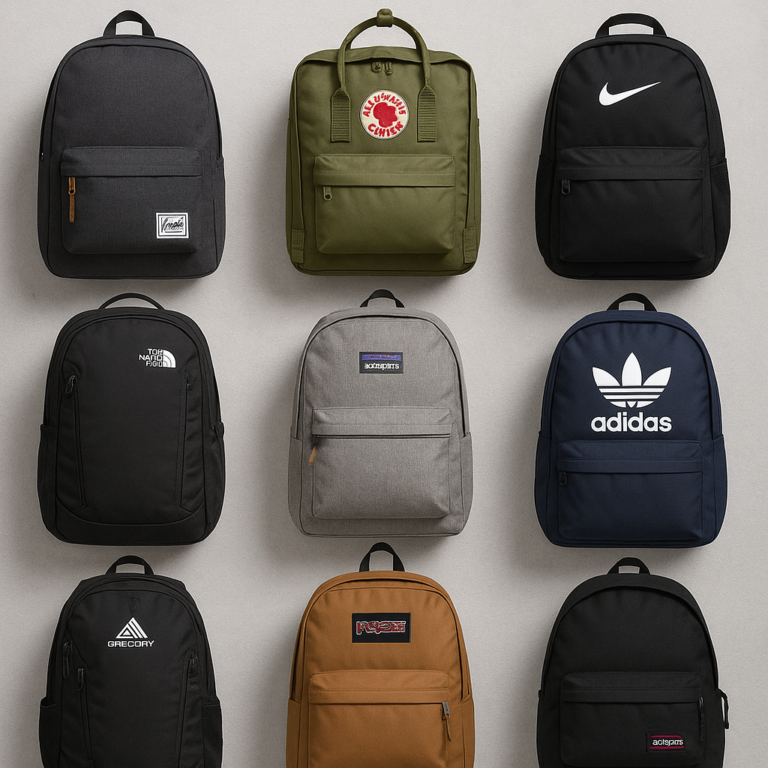
Today, mini backpacks span several categories at once. Some are scaled-down fashion accessories; others are compact versions of familiar outdoor or school designs. The Fjällräven Kånken Mini is a recognizable example of a small backpack with a clear everyday identity, while outdoor makers such as Osprey focus more directly on practical daypack features.
That mix explains why there’s no single official definition for “little backpack.” The label is a shopping term, not a universal measurement standard. Our backpack trends coverage looks at how compact bags move between function and fashion.
🔎 9 Types of Little Backpacks and What They’re For
Not every small pack is a mini backpack purse in disguise. Here are nine common types, with the trade-offs we’d consider before buying.
| Type | Best for | Main advantage | Potential drawback |
|---|---|---|---|
| Mini backpack | Everyday essentials | Compact and hands-free | Limited room for bulky items |
| Micro backpack | Very light carry or style | Tiny, lightweight profile | Capacity can be extremely limited |
| Toddler backpack | Daycare and short outings | Sized for small children | May be outgrown quickly |
| Preschool or school backpack | School supplies | Better organization and structure | Not every style has supportive padding |
| Mini daypack | City outings and travel | Practical pockets and usable space | Less purse-like appearance |
| Mini hiking backpack | Short walks and light hikes | Outdoor-oriented design | Small capacity limits gear |
| Miniature fashion backpack | Outfit accessory | Wide range of styles | May sacrifice durability or comfort |
| Mini backpack purse | Replacing a handbag | Hands-free purse storage | Can feel cramped for daily extras |
| Mini hydration backpack | Running, cycling, or active use | Carries water close to the body | Specialized design suits fewer tasks |
1. Mini backpack
A mini backpack is the broadest and most useful search term. It may describe a fashion backpack, a compact everyday bag, or a smaller version of a familiar pack.
We like this category when you want two shoulder straps, a small footprint, and room for everyday basics. The downside is that capacity varies dramatically, so check the dimensions rather than assuming “mini” means a particular volume.
- Good for: phone, keys, wallet, sunglasses, small notebook
- Watch for: narrow openings, shallow front pockets, straps that lack adjustment
- Example: Fjällräven Kånken Mini
2. Micro backpack
A micro backpack is smaller still. Some are functional little bags; others are closer to wearable accessories. Think “essentials only,” not “I’ll bring a cardigan just in case.”
Before ordering, check whether the listing gives usable internal dimensions. Product photos can make a tiny bag look surprisingly roomy, especially when the model is a child or the bag is photographed beside nothing familiar for scale.
3. Toddler backpack
Toddler backpacks are sized for young children and often feature simple closures, cheerful designs, and easy-to-grab handles. Some include a chest strap to help keep shoulder straps in place.
For a child’s bag, look beyond characters and colors. Check that the pack is light when empty, sits comfortably, and doesn’t hang too low. The AAP’s backpack safety guidance recommends paying attention to proper fit and avoiding excessive load.
4. Preschool and school backpack
These bags are made to carry items such as a lunch box, folder, or change of clothes. “Preschool backpack” often signals a smaller size than a school pack designed for older children, but dimensions still vary by brand.
A few practical checks:
- Does the main compartment fit the folders or lunch container you plan to pack?
- Are the zippers easy for the child to use?
- Are the straps adjustable and comfortably padded?
- Does the pack have reflective details or a place for identification?
A compact school bag should not be mistaken for a miniature adult fashion bag: school use usually calls for easier access and a more practical interior.
5. Mini daypack
A mini daypack is often the best compromise for people who want a little bag that still behaves like a backpack. It may have a water-bottle pocket, useful internal organization, and fabrics intended for regular use.
This category is a good fit for city walks, sightseeing, and light travel. Compare compact packs from brands such as Osprey and Patagonia, but verify the exact model’s capacity and pocket layout.
6. Mini hiking backpack
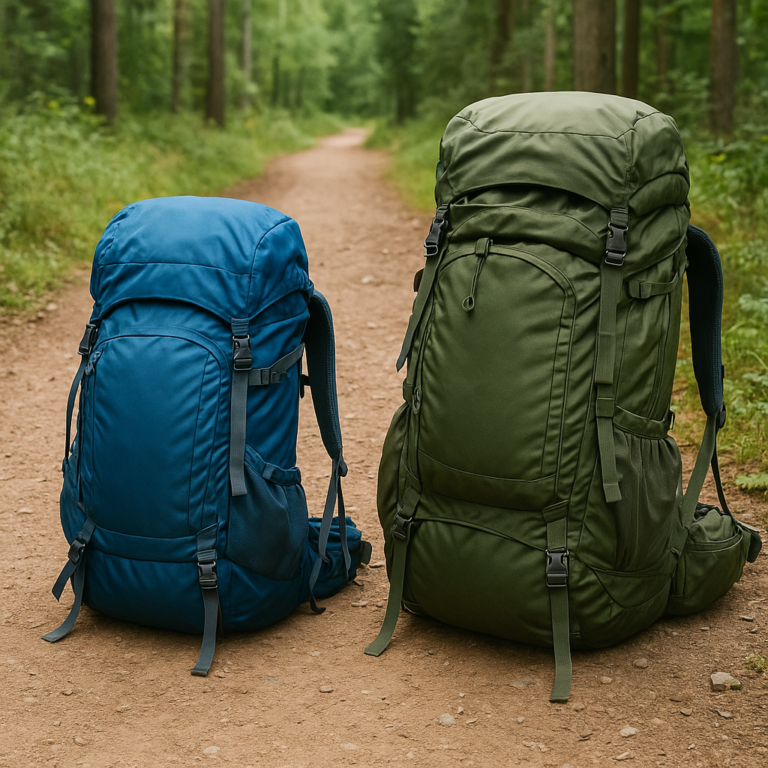
A mini hiking backpack is designed for short outings and light loads, not for hauling a full weekend’s worth of gear. Depending on the model, it may include a sternum strap, external pockets, or materials suited to outdoor use.
For a trail pack, consider:
- Fit: Does it stay stable as you walk?
- Access: Can you reach water and snacks easily?
- Weather: Is the fabric water-resistant, or is a rain cover included?
- Load: Will it fit your actual essentials without overstuffing?
A compact pack can be excellent for a short walk, but it isn’t automatically a technical hiking pack just because the listing says “outdoor.”
7. Miniature fashion backpack
This is the style-first end of the category: bold colors, decorative textures, playful prints, or distinctive hardware. It can be a fun way to carry basics, but fashion features may come at the cost of padding, organization, and long-term durability.
Look at seam quality, zipper construction, lining, and strap attachment points. Our brand spotlights and backpack brand guides explore how different labels approach materials and design.
8. Mini backpack purse
A mini backpack purse is a small backpack intended to function like a handbag. It usually holds daily essentials and may have purse-style details such as a structured silhouette, decorative hardware, or an easy-access outer pocket.
It’s especially useful when you want to keep both hands free. The trade-off? Many purse-style minis have less room and fewer ergonomic features than a practical daypack. Check the opening size, since a bag can have a decent-looking exterior but a frustratingly small interior.
9. Mini hydration backpack
A hydration pack is built around carrying water, often in a reservoir with a drinking tube. Compact versions are made for activities such as running and cycling, where a close fit and quick access to water matter more than carrying a large load.
For care and use, follow the reservoir maker’s cleaning instructions. The CamelBak care guide explains cleaning and drying practices for its hydration products. A hydration pack is specialized gear, so it may be awkward as an everyday purse—but on a warm, active outing, that trade makes sense.
📏 Mini Backpack Sizes and Capacity Explained
There is no universal size line separating a mini backpack from a small backpack. One company may call a bag “mini” because it’s a scaled-down version of a signature style; another may use the term for a small purse-sized pack.
Use three things together:
- Dimensions: height, width, and depth tell you what objects may fit.
- Capacity: liters offer a rough comparison between bags.
- Opening and shape: a boxy compartment may hold more than a narrow, curved one with the same listed volume.
What can a little backpack hold?
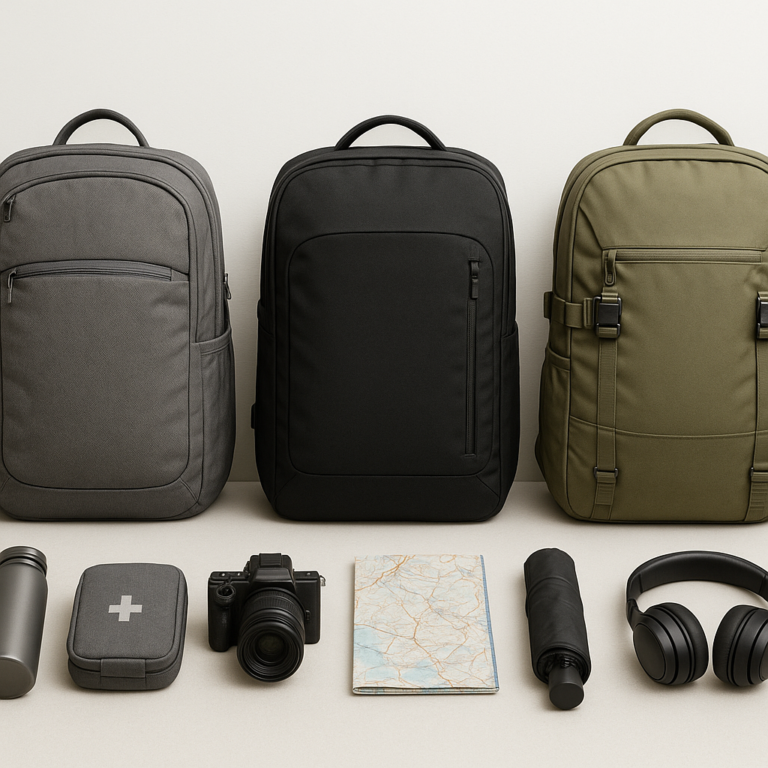
A compact backpack may fit a phone, keys, wallet, glasses, hand sanitizer, and a few small extras. A more functional daypack may also hold a water bottle, compact umbrella, snack, or light layer. The exact load depends on the bag’s dimensions and internal layout, not just its name.
Before buying, make a quick “carry pile”:
- Put your usual essentials together.
- Measure the bulkiest item, such as a water bottle or glasses case.
- Check the bag’s listed interior dimensions.
- Look for photos showing the pack next to a person or familiar object.
- Check whether the straps or pockets take up usable interior space.
This simple exercise helps avoid the classic mini-backpack surprise: everything fits until you add the one item you actually carry every day.
How to measure backpack volume in liters
Manufacturers commonly describe backpack capacity in liters, but their measurement methods and bag shapes may differ. Treat capacity as a helpful comparison, not a guarantee that two bags will hold identical loads.
If a brand provides dimensions but not volume, a rough geometric estimate is:
Height × width × depth ÷ 1,000 = approximate liters when measurements are in centimeters.
That estimate assumes a simple rectangular shape. A curved or tapered bag will generally hold less than the same-size box, and pockets may or may not be included in a manufacturer’s stated capacity.
| What to check | Why it matters |
|---|---|
| External dimensions | Shows the bag’s overall footprint |
| Main-compartment dimensions | Helps confirm whether your items fit |
| Stated capacity | Useful for comparing similar styles |
| Pocket layout | Determines how usable the space feels |
| Full bag photos | Gives a sense of scale and shape |
🧵 Materials, Straps, Pockets, and Features to Look For
A good little backpack isn’t just small—it’s comfortable and useful at its size. Here’s what we inspect when comparing compact packs:
| Feature | What to look for | Why it matters |
|---|---|---|
| Fabric | Nylon, polyester, canvas, or leather, with clear care guidance | Affects weight, feel, and maintenance |
| Zippers | Smooth travel, sturdy pulls, secure stitching | Tiny bags are still annoying when they snag |
| Shoulder straps | Adjustable length and comfortable edges | Helps the pack sit properly |
| Back panel | Smooth or lightly padded construction | Improves comfort against clothing |
| Interior | Simple pockets or a key clip | Keeps small items from becoming a pocket rummage |
| Water-bottle storage | A pocket that matches your bottle size | Prevents sacrificing the main compartment |
| Reinforcement | Strong stitching at strap attachment points | These areas handle repeated stress |
| Closure | Zipper, drawstring, flap, or buckle | Changes access speed and security |
Materials: practical versus polished
- Nylon and polyester: often practical and lightweight; check the fabric weight and finish rather than assuming all synthetics are equally durable.
- Canvas: has a casual look and can feel sturdy, but may be heavier or require more careful cleaning.
- Leather or faux leather: can create a polished purse-like look, but may need material-specific care.
- Clear materials: make contents visible, but offer less privacy and may show scuffs.
For a bag you’ll carry frequently, we favor well-finished seams, dependable zippers, and straps that feel anchored securely over a long list of decorative features.
Straps and comfort
Two straps distribute the load more evenly than a one-shoulder carry, but mini backpacks can still feel uncomfortable if the straps are too narrow, too stiff, or poorly adjusted. A bag that sits too low can also swing as you move.
Wear it with the items you plan to carry before committing to a full day out. If a backpack is for a child, follow the AAP’s fit recommendations and adjust both straps rather than letting the pack dangle from one shoulder.
🧒 Choosing a Little Backpack for a Child
A child’s little backpack should be sized for the child and the actual load, not simply marketed to an age group. Children’s proportions change quickly, and two kids of the same age may need different fits.
Fit, weight, and adjustable straps
Use this step-by-step fit check:
- Start with an empty pack. A heavy bag can be uncomfortable before you add anything.
- Adjust both shoulder straps. The pack should sit close to the back rather than saging far below the waist.
- Add the usual items. Check the fit again when the bag is loaded.
- Ask the child to move. Have them walk, bend, and reach. The bag shouldn’t bounce excessively or pull them backward.
- Check the carry load. The AP advises that a child’s backpack should generally weigh no more than 15% of the child’s body weight; see its backpack safety guidance for additional advice.
That number is a guideline, not a reason to fill the bag to the limit. For a preschooler carrying a lunch box and spare clothes, lighter is usually kinder.
Safety features and age-appropriate details
Look for:
- Easy-to-use zippers that a child can operate independently
- Smooth edges and secure hardware
- Reflective details for visibility in dim conditions
- A chest strap if it helps keep shoulder straps in place
- A name label placed discreetly inside
- A size that doesn’t overwhelm the child
Avoid loading a young child’s pack with heavy toys or adult-sized water bottles. The cute unicorn print may win the first round; comfort wins the long game.
🥾 Choosing a Small Backpack for Travel, Hiking, or Everyday Use
The right compact pack depends on what you need it to carry and how long you’ll wear it. A fashion mini may be ideal for a concert, while a small daypack makes more sense for sightseeing or a long walk.
Mini backpack versus daypack
| Consideration | Mini backpack | Small daypack |
|---|---|---|
| Typical design priority | Compact style and essentials | Practical carrying and access |
| Organization | Often simple | May include more pockets |
| Comfort for extended wear | Varies considerably | More likely to include functional straps or a supportive panel |
| Best use | Errands, casual outings, concerts | Travel, city walks, short hikes |
| Main limitation | Limited room | Can feel larger than needed |
A mini backpack can absolutely work as a travel bag for personal essentials. For longer outings, though, a small daypack may be more comfortable and less cramped. Check the airline’s current baggage rules directly before traveling; size requirements can vary by carrier and ticket.
Mini backpack versus sling bag or waist pack
Choose a mini backpack when you prefer two shoulder straps and balanced carry. Choose a sling bag when quick access matters and you don’t mind carrying the load one shoulder. A waist pack works well for a phone, cards, and other small essentials, especially when you want them close at hand.
| Choose… | If you prioritize… |
|---|---|
| Mini backpack | Two-strap carry and a compact bag shape |
| Sling bag | Fast access and cross-body wear |
| Waist pack | A close fit and very small essentials |
| Small daypack | More practical room for longer outings |
For additional comparisons, see our guides to backpack types and backpack reviews.
🧼 How to Clean and Care for a Mini Backpack
Start with the care label or manufacturer’s instructions. A washing machine may be suitable for some fabric bags and a terrible idea for others, particularly those with structure, coatings, leather, or delicate hardware.
A cautious cleaning routine:
- Empty every pocket and remove loose crumbs.
- Brush off dry dirt with a soft brush.
- Spot-test cleaner on an inconspicuous area.
- Clean gently with a soft cloth and suitable cleaner.
- Let the bag air-dry fully before storing it.
For leather, canvas, or hydration gear, follow the maker’s product-specific care advice. CamelBak’s care instructions, for example, cover cleaning and drying its hydration products. Don’t put a wet pack away; small bags can develop big smells surprisingly fast.
🚫 Common Mini Backpack Buying Mistakes
- Buying by the label alone: “Mini” has no universal size definition.
- Ignoring dimensions: Product photos can distort scale.
- Forgetting the largest everyday item: A water bottle or glasses case may decide whether the bag works.
- Assuming fashion details mean useful organization: A decorative pocket may not fit much.
- Choosing straps by appearance only: Narrow, stiff straps can become uncomfortable.
- Treating water-resistant as waterproof: Those terms don’t promise the same protection; check the brand’s description.
- Overloading a tiny bag: A small pack can feel cramped and strain its seams if packed beyond its intended use.
- Confusing a mini hiking pack with technical gear: Check the activity-specific features, not just the outdoor styling.
A competitor’s page describes mini backpacks as “a compact and stylish way to carry your essentials while keeping your hands free.” That’s a fair summary for everyday and fashion styles, but it doesn’t settle whether a particular bag can handle a water bottle, a walk, or a school day. The useful answer lives in the dimensions, design, and intended use.
💡 How to Pick the Right Little Backpack
Use this quick decision process:
- List what you’ll carry. Include the bulkiest item, not just the little things.
- Choose the job. Fashion, school, hiking, travel, and toddler use call for different designs.
- Pick a search term. Try “mini backpack purse,” “small daypack,” or “preschool backpack.”
- Compare measurements. Check height, width, depth, and stated capacity.
- Inspect the practical details. Look at straps, zippers, pockets, lining, and care instructions.
- Read reviews for specific patterns. Look for repeated comments about fit, capacity, zipper quality, or straps rather than relying one glowing or grumpy review.
- Check the return policy. A bag can look roomy online and still disappoint in person.
| Your main priority | Best starting search |
|---|---|
| Cute everyday carry | Mini backpack |
| Hands-free purse alternative | Mini backpack purse |
| Water, snacks, and a light layer | Small daypack |
| Young child’s belongings | Toddler or preschool backpack |
| Short active outing | Mini hiking backpack or hydration pack |
| Extra-tiny accessory | Micro backpack |
For brand and product inspiration, explore Fjällräven Kånken, Osprey daypacks, and Patagonia backpacks. The supplied Backpackies Kånken Classic-versus-Mini video can also help you compare the scale and design of the Classic and Mini versions. A visual comparison is useful—but still check the measurements for the specific model you’re considering.