Support our educational content for free when you purchase through links on our site. Learn more
What Are Backpacks Called? 🎒

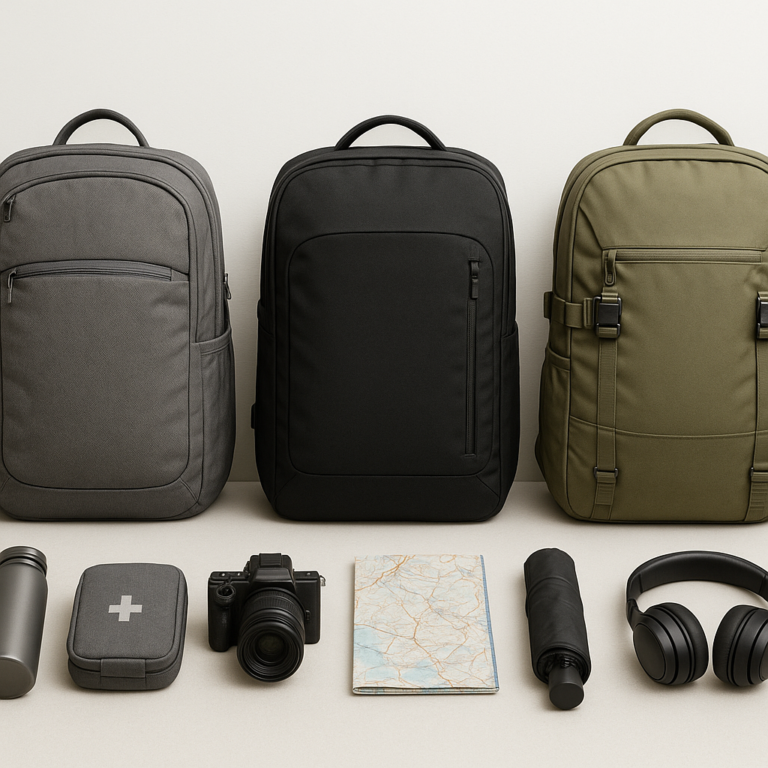
What are backpacks called? Most people call them backpacks, but you may also hear rucksack, knapsack, bookbag, schoolbag, daypack, or simply pack. The best word depends on where you are, what you’re carrying, and whether you’re talking about a student’s daily bag or a hiking pack built for a long trail.
We’ve heard all of these names used for bags with two shoulder straps—and occasionally watched a perfectly ordinary school backpack acquire the grand title “expedition rucksack.” The words overlap, but they can hint at regional habits, history, or purpose. Knowing the difference makes it easier to find the right bag and understand what someone means.
Key Takeaways
- Backpack is the clearest general term for a bag carried on your back.
- Rucksack, knapsack, and pack are overlapping names; rucksack often suggests outdoor use.
- Bookbag and schoolbag usually refer to a student’s bag, while a daypack is generally a smaller pack for everyday outings or short hikes.
- Names vary by region, and the label alone doesn’t tell you a backpack’s capacity, fit, or features.
- Choose by purpose, fit, and load—not just by what the bag is called.
Table of Contents
- ⚡️ Quick Tips and Facts
- 🎒 What Are Backpacks Called? Names, Terms, and Everyday Usage
- Backpack, Rucksack, Knapsack, or Bookbag?
- Regional Names for Backpacks Around the World
- What Is the Difference Between a Backpack and a Daypack?
- 📜 The History and Evolution of Backpacks
- From Carrying Sacks to Modern Backpacks
- How Outdoor Gear Shaped the Backpack
- 🧭 Backpack Types by Design and Purpose
- School Backpacks, Bookbags, and Student Packs
- Daypacks and Everyday Carry Backpacks
- Travel Backpacks and Carry-On Packs
- Hiking, Treking, and Camping Backpacks
- Special-Purpose Backpacks: Laptop, Camera, Hydration, and More
- Professional and Work Backpacks
- 🛠️ Backpack Construction: Frames, Straps, and Components
- Frameless Backpacks: Lightweight and Simple
- Internal-Frame Backpacks: Support Built Inside
- External-Frame Backpacks: Classic Load-Carying Design
- What Are Backpack Parts Called?
- How to Identify and Replace a Backpack Part
- 🧵 Backpack Materials, Shapes, and Closures
- Common Backpack Fabrics and Materials
- Top-Loading, Panel-Loading, and Roll-Top Designs
- Zippers, Buckles, Drawstrings, and Other Closures
- 📏 Backpack Sizes, Capacity, and Fit
- How Backpack Capacity Is Measured
- Choosing the Right Backpack Size for Your Needs
- How a Backpack Should Fit
- 🌦️ Everyday Use, Care, and Safety
- How to Pack and Wear a Backpack Comfortably
- Waterproof, Water-Resistant, or Weatherproof?
- Cleaning, Repairing, and Making a Backpack Last
- Backpack Safety and Weight Guidelines
- 🛍️ How to Choose the Right Backpack
- Key Features to Compare Before You Buy
- Common Backpack-Buying Mistakes
- 🏁 Conclusion
- 🔗 Recommended Links
- ❓ FAQ
- Is a backpack the same thing as a rucksack?
- What do British people call a backpack?
- Why are backpacks called bookbags?
- What is a small backpack called?
- What is a hiking backpack called?
- What are the straps on a backpack called?
- 📚 Reference Links
Quick Tips and Facts
- The common name is backpack. Depending on where you live, what you carry, and how you use it, you might also hear rucksack, knapsack, bookbag, schoolbag, daypack, or pack.
- These names overlap, but they are not always interchangeable. A daypack usually means a smaller everyday or hiking pack; a rucksack often suggests outdoor or military use; a bookbag usually means a school backpack.
- A basic backpack has a storage compartment and two shoulder straps. Larger load-carrying models may add a frame, hip belt, sternum strap, and load-adjustment straps. See our guide to the three main types of backpacks for a quick design comparison.
- “Rucksack” comes from German. The German word Rücken means “back,” and Sack means “bag” or “sack.” Merriam-Webster defines a rucksack as a bag carried on the back.
- “Knapsack” is an older, still-recognized term. It is not a different kind of bag in most everyday conversation.
- Use matters more than the label. A school backpack, travel pack, and hiking pack all go on your back, but differ in capacity, support, access, and features.
- Quick vocabulary check:
| Term | Common meaning | Typical use |
|---|---|---|
| Backpack | General term for a bag worn on the back | School, work, travel, outdoors |
| Rucksack | Often a larger or outdoor-oriented backpack | Hiking, camping, military-style use |
| Knapsack | Traditional or older term for a backpack | General or historical use |
| Bookbag / schoolbag | Backpack used mainly to carry school items | School and college |
| Daypack | Smaller pack for a day’s essentials | Day hikes and everyday carry |
| Packsack | Broad term for a pack or sack carried on the back | Outdoor and regional usage |
What Are Backpacks Called? Names, Terms, and Everyday Usage
In everyday English, backpack is the safest all-purpose word. But the same two-strap bag has collected quite a wardrobe of names: rucksack, knapsack, bookbag, schoolbag, daypack, and simply pack. As the Encyclopaedia Britannica overview explains, backpacks are bags carried on the back, with designs varying according to how much they need to hold and how the load is supported.
We use “backpack” when we mean the broad category. Then we get more specific: a student might say “bookbag,” a hiker may say “pack,” and someone planning a long trek may ask for a “rucksack.” Those choices can signal region, tradition, or purpose, not necessarily a completely different product.
If you’re choosing a bag rather than just settling a vocabulary debate, our backpack types guide can help you compare designs. The key question we’ll keep returning to is: does the name tell you what the bag can do, or only what someone happens to call it?
Backpack, Rucksack, Knapsack, or Bookbag?
Here’s our practical translation guide:
| Name | What it usually suggests | Our reviewer’s take |
|---|---|---|
| Backpack | A general bag carried on the back with shoulder straps | The clearest choice when you want to be understood |
| Rucksack | A substantial outdoor, hiking, or military-style pack | Often used for rugged packs, but not a strict technical category |
| Knapsack | An older or traditional word for a backpack | Correct, though it may sound formal or old-fashioned |
| Bookbag | A bag for books and school supplies | Common in some parts of the United States; can mean a backpack or another book-carrying bag |
| Schoolbag | A student’s bag, often a backpack | Common in British and other English-speaking contexts |
| Daypack | A smaller pack for a day out | More specific than backpack, especially in outdoor gear |
| Pack | A shortened term for a backpack, especially outdoors | Handy shorthand among hikers, but vague on its own |
| Haversack | A historical or specialized shoulder-caried bag | Not usually the everyday name for a modern backpack |
The Cambridge Dictionary entry for “backpack” focuses on the bag’s basic function: carrying things on your back. Meanwhile, Merriam-Webster’s definition of “knapsack” shows why the terms overlap: a knapsack is essentially a pack carried on the back.
Our advice: If you’re shopping online, search by both name and purpose. “Hiking backpack” or “laptop backpack” is more useful than “rucksack” alone because it tells you what features to look for.
Regional Names for Backpacks Around the World
The word changes as you cross borders—or even move between households. In the United States, backpack is widely understood, while bookbag is common when talking about a student’s bag. In the United Kingdom, people often say rucksack or schoolbag, though “backpack” is also familiar. Australian English commonly uses backpack and school bag, with rucksack appearing for outdoor packs.
| Place or context | Words you may hear | A useful note |
|---|---|---|
| United States | Backpack, bookbag, school backpack | “Bookbag” is often a use-based everyday term |
| United Kingdom | Rucksack, backpack, schoolbag | “Rucksack” is especially common for outdoor packs |
| Australia | Backpack, school bag, rucksack | Usage varies by person and setting |
| Germany | Rucksack | The source of the English loanword |
| French-speaking contexts | Sac à dos | Literally, “bag on the back” |
| Spanish-speaking contexts | Mochila | A broad term for a backpack or similar bag |
Language guides such as Collins Dictionary’s translation entries show that the most natural translation depends on context, not just dictionary equivalence. A small school backpack and a framed trekking pack may have different preferred names locally.
One wrinkle: regional terms aren’t product specifications. A retailer calling something a rucksack doesn’t guarantee it has a frame, hip belt, or hiking-grade fabric. Check the actual construction before buying.
What Is the Difference Between a Backpack and a Daypack?
A daypack is a type of backpack, usually designed for shorter outings or daily essentials. The distinction is helpful, but not perfectly standardized: one brand’s daypack might be another brand’s small backpack.
| Feature | Everyday backpack | Daypack |
|---|---|---|
| Typical purpose | School, commuting, errands | Day hikes, sightseeing, short outings |
| Main contents | Laptop, books, lunch, personal items | Water, snacks, spare layer, small essentials |
| Support | Often simple shoulder straps | May include a chest strap or light hip belt |
| Access | Usually zipered compartments | May add hiking-friendly pockets or hydration compatibility |
| Size | Varies widely | Usually compact compared with overnight packs |
A North Face Borealis is an example of an everyday backpack style with organization for commuting and school; Osprey’s daypack range includes designs aimed at outdoor use. Neither label alone tells the full story, so compare the fit, capacity, and features.
The History and Evolution of Backpacks

Backpacks are a simple idea with a long design story: put a load in a container, secure it to the body, and leave your hands free. The bag’s name and shape have shifted over time, but the basic job has stayed remarkably familiar.
The U.S. National Park Service’s hiking advice treats carrying gear as part of trip preparation, while modern outdoor brands such as Osprey and Deuter build on that practical need with adjustable fit systems and load-support features.
From Carrying Sacks to Modern Backpacks
For much of history, people carried belongings in sacks, baskets, shoulder bags, and bundles. Modern backpack terminology reflects that variety. The word backpack is recorded in English in the late 19th century, while knapsack and rucksack have older roots and associations.
A historical word does not always map neatly to a modern design. Haversack, for example, has been used for various small carrying bags, while today it may evoke military or historical gear. The Oxford English Dictionary tracks the word’s documented usage; dictionary histories are useful for origins, but they don’t determine how every shopper uses a term now.
How Outdoor Gear Shaped the Backpack
Outdoor travel pushed backpack design beyond “a sack with straps.” As loads grew heavier and journeys longer, makers added frames, padded straps, hip belts, compartments, and weather-resistant fabrics. The goal was not merely to carry more, but to carry it more comfortably and access it more efficiently.
Today’s hiking packs from Gregory and Osprey illustrate how fit systems and suspension designs can distinguish one pack from another. For a light commute, those features may be unnecessary. For a multi-day trek, they can matter a great deal.
Backpack Types by Design and Purpose
“Backpack” names the family; its intended job tells you what kind to consider. Capacity and construction vary, so a sleek laptop bag is not a substitute for a loaded trekking pack—and a giant expedition pack is a comically inefficient way to carry one notebook.
For broader comparisons and buying advice, browse our backpack reviews and backpack types.
School Backpacks, Bookbags, and Student Packs
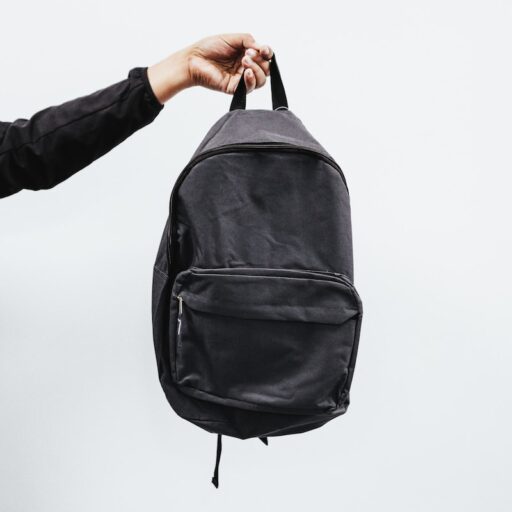
A school backpack is designed around books, notebooks, devices, and daily supplies. Useful features include:
- Padded shoulder straps for comfort during a full school day.
- A laptop or tablet sleeve if the student carries electronics.
- Separate compartments to keep small items from migrating to the backpack’s mysterious bottom layer.
- Durable zippers and fabric for frequent use.
- Reflective details for visibility in low-light conditions.
The American Academy of Pediatrics recommends using both shoulder straps and packing heavier items close to the center of the back. A well-organized bag can make a real difference: it keeps weight stable and reduces the temptation to sling everything over one shoulder.
Daypacks and Everyday Carry Backpacks
An everyday backpack may carry a laptop, water bottle, lunch, and the usual collection of “I might need this” items. A daypack overlaps with this category but often includes outdoor-minded details such as a hydration sleeve, trekking-pole attachment, or stretch side pockets.
Consider the Patagonia Refugio for a versatile everyday style, or explore Osprey daypacks for options with more trail-oriented features. Specific features vary by model and year, so check the product’s current specifications.
Travel Backpacks and Carry-On Packs
Travel backpacks typically prioritize easy access, organization, and carry comfort. Many open like a suitcase rather than loading only from the top. Some are designed around airline carry-on dimensions, but no backpack is automatically guaranteed to qualify: airline limits differ and may change.
Before a flight:
- Check the airline’s current carry-on and personal-item rules.
- Measure the packed bag, including bulging pockets and handles.
- Confirm whether the bag’s laptop and toiletry pockets suit your routine.
- Consider a sternum strap or hip belt if you’ll walk long distances with it.
Brands such as Osprey and Patagonia offer travel-oriented packs. For independent travel and commuting perspectives, browse our backpack reviews.
Hiking, Treking, and Camping Backpacks
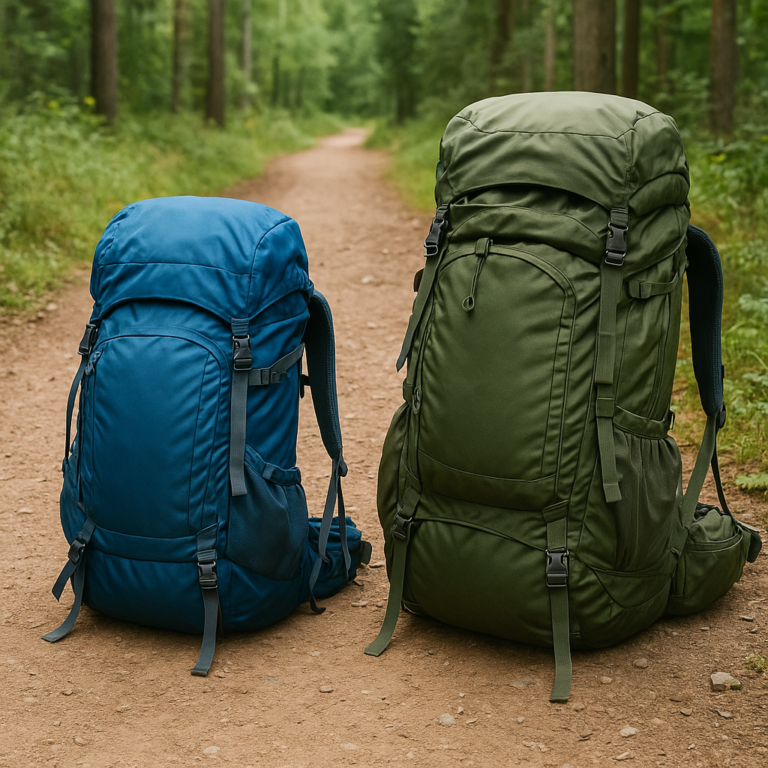
Hiking packs range from compact daypacks to large multi-day designs. The right choice depends on trip length, gear volume, body fit, and carried weight, not simply the word “hiking” on the tag.
| Hiking pack style | Typical use | Features to look for |
|---|---|---|
| Small daypack | Short walks or day hikes | Water access, comfortable straps, essentials storage |
| Overnight pack | One or two nights | Larger capacity, supportive hip belt, sleeping-bag space |
| Multi-day trekking pack | Extended trips | Adjustable suspension, load lifters, durable construction |
| Hydration pack | Running, cycling, or quick hikes | Water reservoir sleeve and hose routing |
Traditional, ultralight, frameless, and hybrid packs make different trade-offs. The featured video discusses how traditional packs support heavier loads, while frameless designs can save weight but work best within a suitable load range. As one speaker puts it, “Frameless packs can be crazy lightweight… but only under a certain weight.” That caveat is the important part: ultralight gear is not automatically comfortable when overloaded.
Our reviewers have learned this the sweaty way: a pack that feels delightfully light in a shop can feel very different after water, food, and a rain layer go in. Try it with a realistic load, and make sure the hip belt sits properly if the design includes one.
Special-Purpose Backpacks: Laptop, Camera, Hydration, and More
Special-purpose packs are designed to protect organize particular gear:
- Laptop backpacks: Look for a padded, well-positioned sleeve and a secure closure. Check the device dimensions rather than relying on a generic “fits most laptops” claim.
- Camera backpacks: These often have adjustable padded dividers for bodies, lenses, and accessories. Some permit side access, which can be handy—but expensive gear still deserves sensible security.
- Hydration packs: Designed around a water reservoir and drinking tube, often for cycling, running, or short hikes.
- Rolling backpacks: Combine shoulder straps with wheels and a pull handle. Convenient on smooth ground, less delightful on stairs.
- Military-style or tactical packs: Often feature modular attachment points and rugged construction. The style alone doesn’t confirm that a pack meets any specific military standard.
For examples, compare Lowepro camera bags, CamelBak hydration packs, and JanSport school backpacks. Our brand spotlights offer more brand-specific context.
Professional and Work Backpacks
A work backpack usually balances a clean appearance with practical organization. Useful features may include:
- A separate padded laptop compartment.
- A document sleeve that keeps papers from folding into a paper accordion.
- A stable base so the pack can stand upright.
- A luggage pass-through for rolling suitcases.
- Water-resistant fabric or a rain cover for commuting.
Brands such as Timbuk2 and Bellroy offer office-oriented designs. Compare pocket layout, strap comfort, and access before choosing: the most polished-looking pack is not necessarily the one you’ll enjoy carrying at the end of a long commute.
Backpack Construction: Frames, Straps, and Components
A backpack’s construction explains how it carries weight and what its parts are called. The basic layout is simple; the details are where comfort, repairability, and cost begin to diverge.
Frameless Backpacks: Lightweight and Simple
A frameless backpack has no rigid support frame. It can be light, flexible, and less bulky, making it attractive for minimalist hiking or compact everyday use.
Benefits
- Lower structural weight.
- Flexible shape that can compress when not full.
- Simple construction.
Drawbacks
- Less support for heavy loads.
- Comfort depends heavily on packing and the bag’s padding.
- May feel less stable with awkwardly shaped gear.
The featured video describes frameless packs as extremely light but more suitable under a certain load. That’s a useful rule of thumb, not a universal weight limit: the safe and comfortable load depends on the pack’s design, your body, and how the contents are packed.
Internal-Frame Backpacks: Support Built Inside
An internal-frame backpack places its support structure inside the pack, typically close to the wearer’s back. This helps the pack move with the body and can improve stability on trails.
Benefits
- Support and load control for hiking and travel.
- A closer, more balanced feel while moving.
- Commonly paired with a hip belt and adjustable suspension.
Drawbacks
- Can be warmer against the back.
- Fit adjustments may take time.
- A poorly fitted frame can feel uncomfortable even when the pack is well made.
Models from Gregory and Osprey often provide adjustable fit options. Check torso sizing and follow the brand’s fitting instructions rather than choosing by height alone.
External-Frame Backpacks: Classic Load-Carying Design
An external-frame backpack uses a visible frame outside the bag. This classic approach can separate the load from the back and provide attachment points for bulky items.
Benefits
- Strong load-carrying potential in suitable designs.
- Airflow between the wearer’s back and the pack.
- Convenient attachment points for certain equipment.
Drawbacks
- Bulkier profile.
- Less natural movement on narrow or uneven trails.
- Often less convenient for crowded transport or everyday use.
External-frame packs are less common in mainstream day-to-day shopping than internal-frame designs. For most commuters, students, and travelers, the frame style is not the first decision; fit and intended load come first.
What Are Backpack Parts Called?
Knowing the names makes shopping, adjustment, and repair much easier. Here’s a quick field guide:
| Part | What it does |
|---|---|
| Main compartment | Holds the primary load |
| Shoulder straps | Support the pack on the shoulders |
| Hip belt / waist belt | Helps transfer and stabilize load at the hips |
| Sternum strap / chest strap | Connects shoulder straps across the chest |
| Load lifters | Pull the upper pack closer to the body |
| Back panel | Sits against the wearer’s back |
| Frame / frame sheet | Adds structure and support |
| Compression straps | Cinch the pack and stabilize contents |
| Lash points | Provide attachment points for gear |
| Zipper pull | The small tab used to operate a zipper |
| Buckle / side-release buckle | Fastens or adjusts straps |
| Top lid / brain | A top pocket or cover on some hiking packs |
| Hydration sleeve | Holds a water reservoir inside the pack |
| Daisy chain | A stitched series of loops for attaching compatible gear |
Names vary by brand. For example, one company may call a strap a “sternum strap,” while a product listing calls it a “chest strap.” If you’re identifying an unfamiliar piece, a photo and the pack model name are often more useful than guessing the term.
How to Identify and Replace a Backpack Part
A broken buckle or missing zipper pull doesn’t always mean a whole backpack is finished. Use this step-by-step approach:
- Find the brand and model. Check the label inside the main compartment, the warranty card, or your original order details.
- Name the part. Is it a sternum-strap buckle, compression-strap ladder lock, zipper slider, or cord lock?
- Measure it. For replacement buckles, measure the webing width and compare the original shape and attachment style.
- Contact the manufacturer. Ask about repair parts, warranty coverage, and authorized repair options.
- Use a compatible repair part. A replacement must fit the webing and intended load. A tiny keychain clip is not a substitute for a load-bearing buckle.
- Test carefully. Check the repair with a light load before using the backpack for a demanding hike or travel day.
Some manufacturers provide repair or warranty information through their official sites, including Osprey’s warranty and repair support and Patagonia’s repair resources. The backpack-part question linked in the Outdoor Stack Exchange discussion is a useful example of why exact identification matters; the page may require verification, so don’t treat it as a technical parts catalog.
Backpack Materials, Shapes, and Closures
A backpack’s fabric and opening affect durability, weather protection, and how easily you can reach your stuff. A “ruged” label alone doesn’t answer those questions. Check the material, seams, closure, and care instructions.
Common Backpack Fabrics and Materials
| Material | Common advantages | Possible drawbacks |
|---|---|---|
| Nylon | Often strong for its weight; widely used in outdoor packs | Performance depends on fabric construction and coating |
| Polyester | Common, versatile, and often used in everyday bags | Strength and weather resistance vary by weave and treatment |
| Canvas | Familiar texture and durable feel | Can be heavier and may need treatment for wet weather |
| Ripstop fabric | Grid pattern helps limit tear propagation | “Ripstop” doesn’t mean tear-proof |
| Coated or laminated fabric | Can improve water resistance | Coatings can wear, and seams may still admit water |
The Federal Trade Commission’s textile labeling guidance explains fiber labeling in the United States. For a backpack, fabric name is only one clue: denier, weave, coating, stitching, and construction all matter.
Top-Loading, Panel-Loading, and Roll-Top Designs
- Top-loading: Access through the top, often useful for trekking packs. Items at the bottom may require some rummaging.
- Panel-loading: A zipper opens a large section of the pack, making organization easier. Common in school, commuter, and travel backpacks.
- Roll-top: The top rolls closed and buckles. It can adapt to changing loads and help resist rain, though it may be less convenient for quick access.
- Clamshell opening: The main compartment opens wide like a suitcase. Convenient for packing, but it can expose contents when opened in a crowded space.
Choose the opening that matches your routine. If you constantly need the item at the bottom, a panel-loading layout may save you from performing the classic “backpack archaeological dig.”
Zippers, Buckles, Drawstrings, and Other Closures
A closure needs to be easy to use and appropriate for its job:
- Zippers offer quick, familiar access, but can snag or fail if overloaded.
- Buckles are useful for straps and secure compression.
- Drawstrings are common on simple sacks and some top-loading packs.
- Roll-top closures allow adjustment and can help shed rain.
- Magnetic or hook-and-loop closures provide convenient access but may offer less security or weather protection, depending on design.
When testing a backpack, open and close the main compartment several times. Inspect the stitching around zipper ends and buckle attachment points. These small checks can reveal more than a stylish product photo ever will.
Backpack Sizes, Capacity, and Fit
A backpack is only useful if it carries what you need without turning your shoulders into two grumpy supervisors. Capacity, fit, and load distribution work together; buying a larger pack “just in case” can encourage you to carry more than necessary.
How Backpack Capacity Is Measured
Backpack capacity is commonly stated in liters, representing the volume of the compartments. Measurement practices can vary among manufacturers, especially for pockets and expandable areas, so treat the number as a comparison guide rather than an exact promise.
| Approximate category | Common use | What may fit |
|---|---|---|
| Small | Essentials or short outings | Water, wallet, light layer |
| Everyday | School or commuting | Laptop, books, lunch, personal items |
| Day-hike | Day outdoors | Water, food, spare layer, basic gear |
| Overnight and larger | Camping or extended travel | Sleep system, clothing, food, and equipment |
There is no universal capacity threshold that makes a pack officially a “daypack” or “travel backpack.” Compare dimensions and intended use alongside liters.
Choosing the Right Backpack Size for Your Needs
Use this process before you buy:
- List what you actually carry. Include the bulky water bottle, laptop charger, lunch container, or hiking layers.
- Separate essentials from occasional extras. If something only comes along once a year, it may not justify a larger everyday pack.
- Check the internal organization. A well-designed smaller bag can be more useful than a bigger one with a single cavernous compartment.
- Compare dimensions. This matters for airplane carry-on rules, lockers, and under-seat storage.
- Try the bag with a realistic load. Empty packs can hide awkward fit and balance issues.
- Leave a little flexibility. The ideal size has room for normal changes, not a permanent bonus compartment for clutter.
How a Backpack Should Fit
A comfortable fit depends on the pack style and your body. For hiking backpacks with adjustable suspension, follow the brand’s instructions and measure torso length if required. For everyday bags, look for straps that sit comfortably without digging into the neck or slipping off.
A basic fitting check:
- Wear both shoulder straps.
- Keep the pack close enough to your back to feel stable.
- Adjust the sternum strap so it is comfortable, not restrictive.
- If there is a hip belt, position and tighten it as intended by the manufacturer.
- Walk, sit, and reach while wearing the loaded bag.
The American Academy of Pediatrics advises that backpacks should be worn on both shoulders and that items should be packed thoughtfully. If a bag causes persistent pain, numbness, or tingling, stop using it and seek appropriate professional advice.
Everyday Use, Care, and Safety
A good backpack should make daily life easier—not require a miniature search party every morning. Organization, sensible loading, and basic care help a bag last longer and feel better to carry.
How to Pack and Wear a Backpack Comfortably
Try this simple packing sequence:
- Place heavier items close to your back. This helps keep the load from pulling backward.
- Put frequently used items near the top or in easy-access pockets.
- Balance the contents from side to side.
- Use compression straps when available to reduce shifting.
- Carry only what you need. A backpack can hold a surprising amount; your spine did not request the entire contents of your desk.
The American Academy of Pediatrics’ backpack safety guidance also recommends adjusting straps so the pack sits properly rather than hanging low. If your pack has a padded hip belt, learn how the manufacturer intends it to be used.
Waterproof, Water-Resistant, or Weatherproof?
These terms are not identical:
- Water-resistant means the materials or finish can resist some water, but prolonged rain may get through.
- Waterproof suggests stronger protection, but seams, zippers, and openings still need to be considered.
- Weatherproof is a broader marketing term and may not specify a standardized level of protection.
For wet commutes or trail days, check whether the backpack includes a rain cover or whether the manufacturer describes a tested protection level. Keep electronics and important documents in a dry bag or protective sleeve when exposure would be costly. REI’s backpacking advice offers practical information on pack features and use.
Cleaning, Repairing, and Making a Backpack Last
Care instructions differ by material and model. In general:
- Empty all pockets and shake out grit.
- Brush off dry dirt before it becomes a muddy souvenir.
- Use a mild cleaning method recommended by the manufacturer.
- Avoid harsh detergents, high heat, or machine washing unless the care label explicitly allows it.
- Air-dry fully before storing.
- Inspect stitching, buckles, straps, and zippers periodically.
For repairs, start with the maker’s support team. Patagonia’s repair program and Osprey’s repair support provide examples of brand repair resources. A small repair done early can prevent a minor loose seam from becoming an ambitious zipper-shaped failure.
Backpack Safety and Weight Guidelines
A backpack that is too heavy or poorly fitted can cause discomfort. The American Academy of Pediatrics recommends that a child’s backpack not exceed 15% of the child’s body weight. This is a practical safety guideline for children, not a universal prescription for every adult, pack, or activity.
The featured video makes a related point: “The more weight you put in, the more wear and tear on your body, especially your joints and your knees.” The exact effect depends on the person, load, fit, terrain, and duration, but the sensible takeaway is straightforward: carry the lightest load that meets the need, and increase activity gradually.
How to Choose the Right Backpack
Choosing by name alone is like choosing a car because someone called it “a vehicle.” Start with the job, then compare the details.
Key Features to Compare Before You Buy
| Feature | Why it matters | Best for |
|---|---|---|
| Capacity and dimensions | Determines what fits and where the pack can go | Everyone |
| Strap padding and adjustment | Affects comfort and stability | Daily carry and longer outings |
| Hip belt | Can improve support on larger loads | Hiking and trekking |
| Laptop sleeve | Protects and organizes a device | School and commuting |
| Pocket layout | Helps keep essentials accessible | Work, school, travel |
| Fabric and closures | Affect durability and weather protection | Outdoor and frequent use |
| Repair and warranty support | Helps extend the pack’s useful life | Long-term ownership |
Try on the pack if possible, check the return policy, and inspect it with the kind of load you’ll actually carry. For brand comparisons, explore our backpack brand directory and backpack reviews.
Common Backpack-Buying Mistakes
- Choosing the largest bag available. Extra room often becomes extra weight.
- Assuming “rucksack” means hiking-ready. Verify the frame, suspension, and materials.
- Ignoring torso fit on a trekking pack. A pack can beautifully built and still fit you badly.
- Buying for pocket count alone. Organization is useful only when it suits what you carry.
- Treating water-resistant as waterproof. Read the construction details and plan for wet conditions.
- Ignoring repair support. A replaceable buckle or repairable seam can extend a backpack’s life.
- Shopping by looks before purpose. A streamlined commuter pack and a trail pack solve different problems.
Brands such as Deuter, Osprey, JanSport, and Patagonia make different styles for different needs. There’s no single “best backpack” for everyone; the best one is the pack that fits your body, your load, and your everyday reality.