Support our educational content for free when you purchase through links on our site. Learn more
How Many Types of Backpacks Are There? 🎒 32 Styles


How many types of backpacks are there? There’s no official total, but we count 32 common backpack styles across everyday, travel, outdoor, and specialty use. The right one depends less on the label and more on what you carry, where you’re going, and how long it has to ride on your back.
Backpacks overlap more than the labels suggest: one bag might be a laptop pack, a commuter bag, and a carry-on all at once. We’ve also found that a bag can look perfectly comfortable empty, then feel like a stubborn brick once you add a laptop, water bottle, and lunch.
Key Takeaways
- There’s no definitive backpack count. We cover 32 practical styles, but categories overlap and new hybrid designs keep appearing.
- Backpacks fit into a few broad groups: everyday, outdoor and sport, travel, and specialty or utility packs.
- Choose by purpose, fit, and load. Capacity and pocket count matter, but comfort and easy access matter just as much.
- Check the details before buying: laptop sleeve dimensions, weather protection, airline limits, and venue bag rules can vary.
- Try a backpack with your usual load. An empty pack can charm you; a loaded one tells the truth.
Table of Contents
- ⚡️ Quick Tips and Facts
- 🎒 How Many Types of Backpacks Are There?
- Why Backpack Counts Differ
- A Practical Way to Classify Backpack Styles
- 📜 Backpack History: From Utility Packs to Everyday Carry
- 🧭 How to Compare Backpack Types
- Capacity, Fit, and Carrying Comfort
- Materials, Weather Resistance, and Durability
- Compartments, Access, and Security Features
- 🏙️ Backpack Types for Everyday Use
- 1. Standard Daypack
- 2. Laptop Backpack
- 3. Rucksack
- 4. Drawstring Backpack 5. Mini Backpack
- 6. Sling Backpack
- 7. Comuter Backpack
- 8. School Backpack
- 9. Hydration Backpack
- 🥾 Sports and Outdoor Backpack Types
- 10. Hiking Backpack
- 11. Frame Backpack
- 12. Cycling Backpack
- 13. Ski and Snowboard Backpack
- 14. Climbing Backpack
- 15. Running Backpack
- 16. Fishing Backpack
- 17. Hunting Backpack
- ✈️ Backpack Types for Travel
- 18. Travel Backpack
- 19. Carry-On and TSA-Friendly Backpack
- 20. Wheled Backpack
- 21. Duffel Backpack
- 22. Anti-Theft Backpack
- 23. Convertible Backpack
- 🧰 Specialty and Utility Backpacks
- 24. Tactical Backpack
- 25. Camera Backpack
- 26. Pet Carrier Backpack
- 27. Child Carrier Backpack
- 28. Tool Backpack
- 29. Medical and First-Aid Backpack
- 30. Diaper Backpack
- 31. Dry Bag Backpack
- 32. School and Emergency-Preparedness Backpack
- 📊 Backpack Types Comparison Table
- 🎯 How to Choose the Right Backpack Type
- Best Backpack Styles by Activity
- How Much Backpack Capacity Do You Need?
- Fit and Sizing: Getting the Right Carry
- Common Backpack-Buying Mistakes
- 🧼 Backpack Care, Packing, and Safety Tips
- ❓ Types of Backpacks FAQs What are the main types of backpacks?
- How many types of backpacks are there in total?
- What is the difference between a daypack and a hiking backpack?
- Which backpack type is best for school or work?
- What backpack is best for air travel?
- What is the difference between a rucksack and a backpack?
- Are backpacks with frames better?
- Conclusion
- Recommended Links
- Reference Links
Quick Tips and Facts
- There isn’t one official count of backpack types. Backpack styles overlap: a carry-on backpack can also be a laptop backpack, and a hiking pack may be a frame pack. For a practical guide, we group them into 32 common styles by purpose.
- Choose by what you carry and where you carry it—not by the label. A comfortable fit and useful capacity matter more than a dozen clever pockets.
- For everyday use, start with a daypack, school backpack, or laptop backpack. For trails, look for a hiking pack with a proper hip belt. For flights, check the airline’s size rules before you pack.
- Capacity is measured in liters, but capacity alone won’t tell you whether a pack fits your torso or carries weight comfortably. REI explains backpack fit and sizing.
- A backpack isn’t automatically allowed into a stadium just because it’s clear. Alabama Athletics, for example, says all backpacks are prohibited, including clear ones. Check the venue’s specific clear bag policy.
- Looking at who uses backpacks can also help put everyday carry in context: What Age Group Uses Backpacks the Most in America? 🎒 (2025 Insights).
| Quick question | Useful starting point |
|---|---|
| Need a simple everyday bag? | Standard daypack, usually around 18–25 L |
| Carry a laptop daily? | Laptop backpack with a padded, raised sleeve |
| Heading out for a day hike? | Hiking daypack with a supportive hip belt and water storage |
| Packing for a trip? | Travel backpack with a wide opening; verify airline limits |
| Carrying a heavy load? | Prioritize a fitted frame, padded hip belt, and load adjustment |
| Want a tiny, light option? | Mini backpack, sling, or drawstring pack—depending on how you like to carry it |
We’ve reviewed plenty of bags that looked like pocket-powered masterpieces in the shop and turned into a rummage sale on your back. The trick is matching the pack to your actual routine. So, how many types are there? The answer depends on how finely you divide the categories—and we’ll show you why.
How Many Types of Backpacks Are There?
There is no universally accepted official number of backpack types. Brands and gear guides classify them differently because a backpack can be described by its purpose, shape, carry system, or features.
For a useful buyer’s guide, we cover 32 recognizable backpack styles across everyday, outdoor, travel, and specialty use. That’s a practical count, not a claim that the backpack universe ends at 32. Add fashion variations, work-specific designs, and hybrid bags, and the family tree gets gloriously messy.
The Apparel Bags guide to backpack types also groups packs by use and lists 19 types. That doesn’t conflict with our count: it simply uses broader categories and leaves out some specialized styles. In other words, the number changes with the classification system—not because someone discovered a new backpack species in the wilderness.
For more guides organized by purpose, browse our backpack types and backpack reviews.
Why Backpack Counts Differ
A travel backpack might also be a carry-on backpack, a laptop backpack, and an anti-theft backpack. Those are not necessarily four separate physical designs. They’re four ways to describe the same bag.
Backpack lists can differ because they count:
- Use: hiking, school, travel, commuting, photography
- Construction: framed, frameless, wheled, convertible
- Shape: rucksack, sling, drawstring, mini
- Features: laptop protection, hydration storage, anti-theft details
- Specialized load: pets, children, tools, camera gear
Some guides count a frame backpack as its own category; others treat internal- and external-frame models as subtypes of hiking packs. Both approaches are reasonable. For shopping, we recommend comparing the features you need instead of getting hung up on a single grand total.
A Practical Way to Classify Backpack Styles
Here’s the simplest way we’ve found to make sense of the options:
| Main category | What it’s designed to do | Examples |
|---|---|---|
| Everyday carry | Carry daily essentials comfortably | Daypack, laptop backpack, school backpack |
| Outdoor and sport | Carry gear securely during activity | Hiking, cycling, hydration, ski backpack |
| Travel | Organize clothing and travel essentials | Travel, carry-on, wheled, duffel backpack |
| Specialty and utility | Protect organize a specific load | Camera, tool, pet carrier, child carrier |
| Carry style and construction | Change how the load sits or how you access it | Sling, rucksack, frame, drawstring, convertible |
A useful wrinkle: categories are labels, not guarantees. A “hiking backpack” may be excellent for a day walk but too small for an overnight trip. A “travel backpack” may fit under one airline seat and fail to fit under another. Always check the actual dimensions, capacity, suspension, and intended use.
Backpack History: From Utility Packs to Everyday Carry

Backpacks started as practical load carriers, long before “what does this bag say about me?” became a campus debate. People have carried loads on their backs using frames and straps for centuries; modern recreational and school backpacks developed through changing materials, manufacturing, and outdoor equipment design.
By the time durable synthetic fabrics, zippers, and lighter frames became widely available, backpacks had expanded far beyond mountainering. Today, you’ll see school bags, commuter packs, cycling packs, travel bags, and camera systems—and sometimes all of those roles packed into one suspiciously ambitious product.
That variety is part of the fun, but it can also make product labels slippery. A classic rucksack generally refers to a pack with a top-loading body and a flap or drawcord closure, while “backpack” is the broader everyday term. In modern retail, though, the words are often used interchangeably.
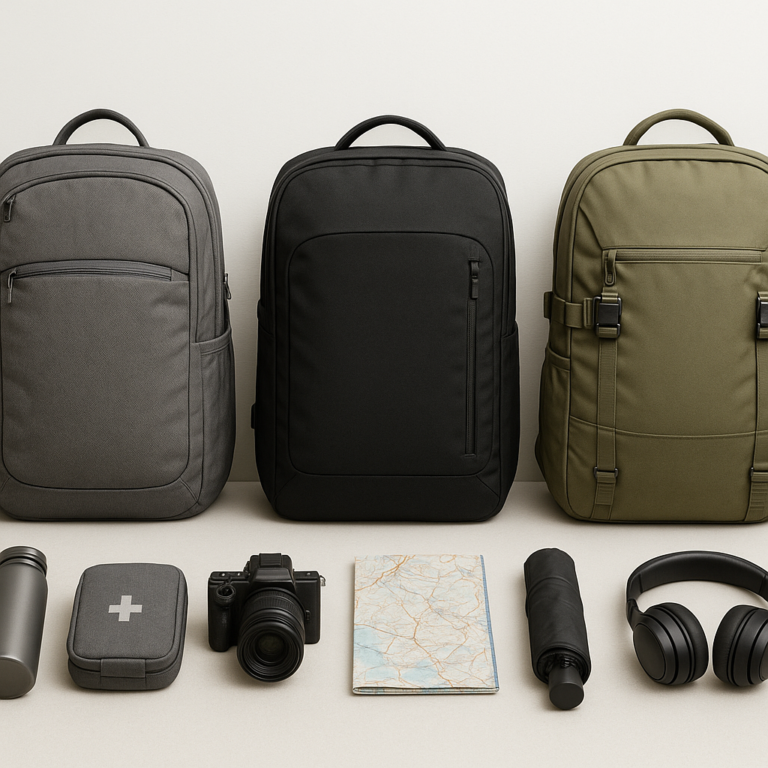
For the first video’s overview of basic daypacks, rucksacks, anti-theft packs, laptop bags, duffel-backpack hybrids, totes, drawstring bags, and mini backpacks, see the featured video. Its useful big-picture lesson is that backpack styles differ in access, protection, and carrying comfort, not just appearance.
To see how brands and designs change over time, explore our Backpack Trends and Brand Spotlights.
How to Compare Backpack Types
When we compare backpacks, we ask a more useful question than “How many pockets does it have?” We ask: What will this bag carry, how far will you carry it, and how often will you need to get inside?
Capacity, Fit, and Carrying Comfort
Capacity is typically listed in liters. It tells you approximately how much a pack can hold—not how comfortable it will feel when full.
| Typical capacity | Common use | What to expect |
|---|---|---|
| 5–15 L | Mini backpacks, slings, compact day use | Essentials only; limited space for bulky layers |
| 10–25 L | Comuting, school, short outings | Books, lunch, light layers, or basic daily gear |
| 20–35 L | Travel daypacks, camera bags, short trips | More organization; can become heavy when loaded |
| 30–50 L | Travel and multi-day hiking | Clothing, gear, and longer-trip supplies |
| 50–80 L | Extended hiking and heavy loads | More gear, but requires careful fit and load management |
These are broad ranges, not hard rules. A streamlined 25 L bag can pack differently from a boxy 25 L bag, and manufacturers may measure capacity differently. For fit, the pack’s torso range and hip-belt position matter. REI’s backpack-fitting guide walks through adjusting shoulder straps, load lifters, sternum straps, and hip belts.
Our field-tested rule of thumb: if the bag is doing real work, try it on with weight inside. A pack that feels fine empty may turn into a shoulder grump after a laptop, water bottle, and lunch join the party.
Materials, Weather Resistance, and Durability
Materials help determine weight, abrasion resistance, water resistance, and feel. Nylon and polyester are common in outdoor and everyday packs; canvas often appears in classic or fashion-focused styles. A water-resistant fabric is helpful in a shower, but it is not the same as a waterproof bag.
Look for:
- Fabric denier or construction details: useful context, but not a stand-alone durability score
- Reinforced stitching at shoulder straps and grab handles
- Quality zippers that don’t snag under a full load
- Coated fabrics or weather flaps for wet conditions
- Rain covers or roll-top closures when weather exposure is expected
For an extended wet-weather hike, we prefer a pack with a rain cover or a reliable waterproof liner system. For an urban commute, water-resistant fabric may be enough—especially if your laptop has a separate protective sleeve.
Compartments, Access, and Security Features
More compartments can make organization easier, but too many can create a pocket maze. Think about how you retrieve gear:
- Panel-loading and clamshell openings open wide, making travel packing easier.
- Top-loading openings can work well for outdoor packs but make items near the bottom less accessible.
- Laptop sleeves should hold a computer securely without forcing it against the ground when the pack is set down.
- External water-bottle pockets are useful if they actually fit your bottle.
- Lockable zippers and hidden pockets may deter opportunistic theft, but they can slow access and are not a guarantee against theft.
For an ordinary commute, we’d rather have a few thoughtfully placed pockets than seventeen compartments and a map.
Backpack Types for Everyday Use
Everyday backpacks cover a broad range: school, work, errands, commuting, and light outings. The right design depends on what you carry and whether comfort, organization, or compactness gets top billing.
One college writer humorously described the classic two-ziper Jansport as a bag where finding a small item might require you to “shove their entire arm” inside. That’s a joke, not a technical review, but it captures a real trade-off: simple bags are easy to use, yet less organized. The same piece contrasts that with backpacks that have separate spaces for a laptop, notebooks, medicine, and chargers. Read The Aggie’s backpack-style observations for a lighthearted student perspective.
1. Standard Daypack
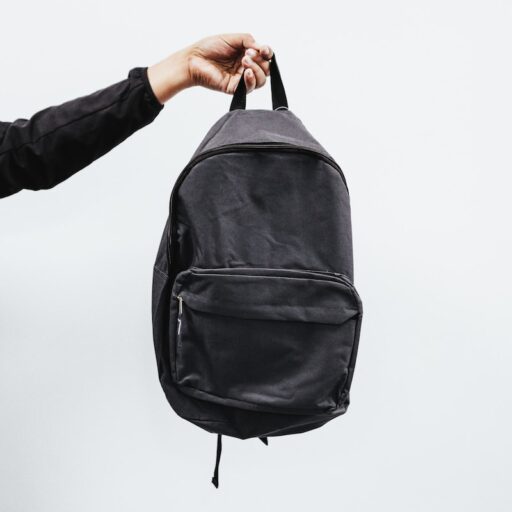
A standard daypack is the do-most-things backpack: usually a main compartment, a few smaller pockets, shoulder straps, and room for the everyday basics.
Typical capacity is around 18–25 L, though models vary. A daypack works for commuting, casual outings, school, or a short walk. It may have a padded back panel and water-bottle pockets, but it may not offer robust laptop protection or the support needed for heavier loads.
- ✅ Simple and versatile
- ✅ Usually lighter than specialized packs
- ❌ Organization and padding vary widely
- ❌ Can become uncomfortable if overloaded
For a no-fuss daily bag, compare classic models such as the JanSport SuperBreak and Fjällräven Räven 20. We’d choose based on fit and pocket layout, not nostalgia alone.
2. Laptop Backpack
Laptop backpacks add a padded compartment for a computer, often with extra pockets for chargers, documents, and small accessories. The best designs keep the laptop off the bottom of the bag and prevent it from sliding around.
Typical capacity: 20–30 L.
- ✅ Better device organization and protection than a basic daypack
- ✅ Useful for commuting, school, and business travel
- ❌ Heavier and sometimes bulkier
- ❌ A padded sleeve does not replace a hard case or careful handling
We like commuter models such as the Osprey Daylite Plus for versatile everyday carry and the The North Face Borealis for organization-focused use. Check the sleeve’s stated device dimensions against your actual laptop, including its case.
3. Rucksack
A rucksack is commonly a top-loading backpack with a flap, drawcord, or buckle closure. The classic look is rugged and spacious; the classic downside is that the thing you want may be hiding at the bottom like a very small treasure.
Typical capacity: 20–40 L, depending on size and design.
- ✅ Spacious main compartment
- ✅ Classic outdoor-inspired styling
- ✅ Can suit short trips and daily carry
- ❌ Less convenient access than a clamshell bag
- ❌ Some traditional designs offer limited laptop protection
The Fjällräven Kånken is a familiar example of a casual, boxy backpack inspired by practical school carry. Its square shape and simple organization suit some users; others find its narrow straps less comfortable under heavier loads. Try the bag with weight before committing.
4. Drawstring Backpack
A drawstring backpack uses cords as both shoulder straps and an opening closure. It folds flat, weighs little, and is often used for gym clothes, events, or short errands.
Typical capacity: 10–20 L.
- ✅ Lightweight and easy to stash
- ✅ Simple access and minimal construction
- ❌ Little structure or padding
- ❌ Thin cords can dig into shoulders
- ❌ Poor choice for heavy loads or valuable electronics
A drawstring pack is a handy spare—not a shoulder-suspension system. If it will carry more than a towel and a change of clothes, a more supportive bag is usually kinder to your back.
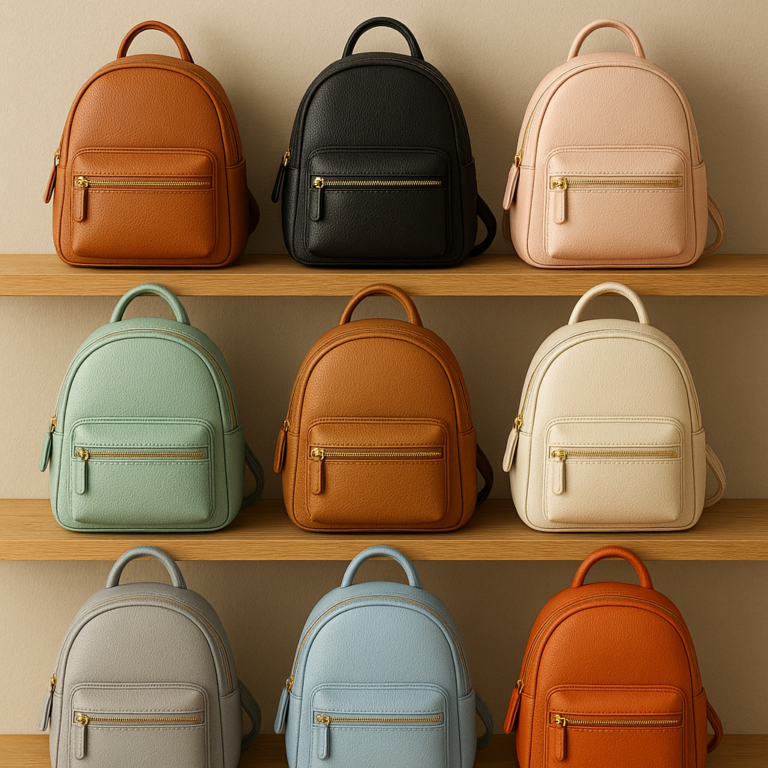
5. Mini Backpack
Mini backpacks trade capacity for compactness and style. They’re suited to light outings where you need a phone, wallet, keys, and a few small essentials—not a full-size water bottle, spare sweater, lunch, and the kitchen sink.
Typical capacity: 5–15 L.
- ✅ Compact and lightweight
- ✅ Keeps hands free
- ❌ Limited room for bulky items
- ❌ Small straps may be uncomfortable with more weight
Brands such as Herschel and Fjällräven offer compact styles, but product names and sizes change. Confirm dimensions and strap comfort before buying.
6. Sling Backpack
A sling backpack uses a single shoulder strap and can often be swung from back to front for quick access. It’s useful for light carry and short trips, especially if you don’t want a full daypack.
Typical capacity: 8–15 L.
- ✅ Quick access without fully removing the bag
- ✅ Compact for city errands and travel essentials
- ❌ Weight rests mostly one shoulder
- ❌ Not ideal for a heavy laptop or long carry
We recommend slings for a light load, not as a clever loophole for carrying a daypack’s worth of gear one shoulder. Try it loaded and switch sides if the strap design allows.
7. Comuter Backpack
Comuter backpacks are built around the daily route: transit, walking, cycling, or a mix of all three. Common features include a laptop sleeve, reflective details, weather-resistant fabric, and a quick-access pocket.
- ✅ Designed around daily essentials and devices
- ✅ Often balances organization with a clean exterior
- ❌ “Comuter” is a marketing label, not a universal spec
- ❌ Some models sacrifice ventilation or comfort for a sleek profile
For cycling commuters, a stable fit matters more than a polished silhouette. For public transit, zipper placement and a separate laptop sleeve may be higher priorities.
8. School Backpack
School backpacks are designed to carry books, stationery, lunch, and often a laptop or tablet. A good school bag should have straps that fit the wearer, durable seams, and enough organization to prevent everything from becoming one giant notebook sandwich.
- ✅ Room for books and daily supplies
- ✅ Often includes multiple pockets
- ❌ Oversized bags can encourage overpacking
- ❌ Thin straps and poor fit can become uncomfortable when loaded
The American Academy of Pediatrics offers backpack safety advice, including guidance on using both shoulder straps and keeping the load reasonable. For students, comfort and a manageable load matter more than having the largest bag in the hallway.
9. Hydration Backpack
Hydration backpacks carry a water reservoir and drinking tube, often with space for a few extra essentials. They’re popular for running, cycling, hiking, and other activities where reaching for a bottle is inconvenient.
- ✅ Hands-free access to water
- ✅ Compact options work well for active use
- ❌ Reservoirs need cleaning and drying
- ❌ Capacity may be limited beyond hydration gear
Check the reservoir volume, hose routing, bite valve, and whether the bladder is easy to remove. A pack that is theoretically easy to clean but has a hose you can’t reach is an invitation to put off cleaning indefinitely.
Sports and Outdoor Backpack Types
Outdoor and sport packs are designed for movement, weather, and specific equipment. The right one should stay stable while you move and distribute its load appropriately. The wrong one can turn a pleasant outing into an ongoing conversation with your shoulders.
10. Hiking Backpack
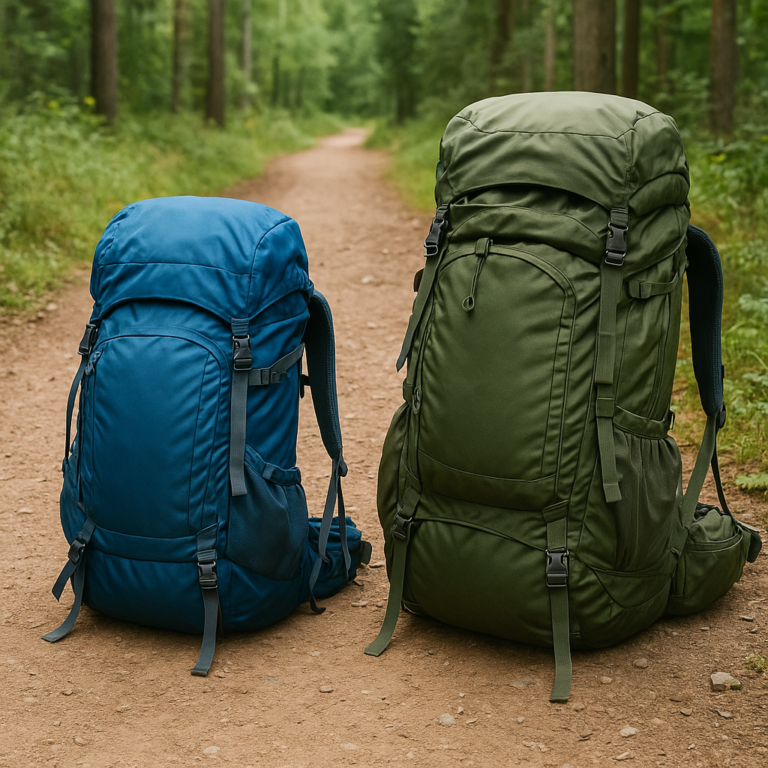
Hiking backpacks range from compact daypacks to large multi-day models. Common features include adjustable shoulder straps, a sternum strap, a hip belt, trekking-pole attachment points, and water storage.
Typical capacity: 30–70 L across day-hiking and overnight designs; smaller day-hiking models are also common.
- ✅ Supportive suspension for trail loads
- ✅ Often includes hydration compatibility and trail-specific organization
- ❌ Larger packs invite overpacking
- ❌ A heavy frame and extra features can be unnecessary for short walks
A good fit matters more than the exact liter count. REI’s backpack-fitting guide explains how to adjust a pack so the hip belt carries much of the load rather than leaving your shoulders to negotiate the entire hike.
11. Frame Backpack
Frame backpacks use an internal or external structure to support and stabilize a load. They’re often designed for extended hiking and heavier gear.
Typical capacity: 50–80 L, though frame packs come in multiple sizes.
- ✅ Can help stabilize and distribute a substantial load
- ✅ Useful for multi-day trips when properly fitted
- ❌ Heavier and more complex than a simple daypack
- ❌ Often excessive for school, commuting, or short walks
An internal-frame pack keeps the structure close to your back and is common for modern backpacking. An external-frame pack can offer ventilation and gear attachment options, but may feel less streamlined. Your body, route, and gear list decide which is sensible.
12. Cycling Backpack
Cycling backpacks are designed to sit close to the rider’s back and reduce shifting while riding. Many include reflective accents, a hydration sleeve, and a compact profile.
Typical capacity: 10–20 L.
- ✅ Stable, streamlined carry
- ✅ Handy for commuting or short rides
- ❌ Limited capacity compared with a general daypack
- ❌ A poorly fitted pack can bounce or interfere with movement
The League of American Bicyclists’ safety resources cover broader riding safety. For the bag itself, test the fit in your riding position: a pack can feel fine standing upright and awkward once you lean over the handlebars.
13. Ski and Snowboard Backpack
Ski and snowboard backpacks are designed for cold-weather use and may include straps for carrying skis or a board, weather-resistant materials, and compartments for safety equipment.
Typical capacity: 20–35 L.
- ✅ Helps carry snow gear and essentials
- ✅ Often includes attachment points for skis or a snowboard
- ❌ Specialized and less useful outside winter sports
- ❌ Carry features should never substitute for proper avalanche education and equipment
Choose based on the activity and terrain, and learn how every safety item works before heading into the backcountry. A backpack is storage—not a safety plan.
14. Climbing Backpack
Climbing packs are built to carry ropes, hardware, helmets, and layers, with materials and attachment points suited to rough use.
- ✅ Gear-oriented design and durable construction
- ✅ Some models provide easy access to ropes and climbing tools
- ❌ Specialized layout may be awkward for everyday use
- ❌ A pack cannot make unsafe climbing practices safe
Check the pack’s intended climbing style: craging, alpine routes, and gym sessions don’t demand identical designs.
15. Running Backpack
Running backpacks and vests prioritize low bounce, a close fit, and easy access to water or small essentials. Many distribute storage across the chest as well as the back.
- ✅ Stable when fitted correctly
- ✅ Convenient for hydration and small trail essentials
- ❌ Fit is especially personal
- ❌ Overpacking can cause bouncing and rubbing
Look for adjustable chest straps and soft, breathable materials. If possible, test the fit while jogging—not just while standing still in a shop.
16. Fishing Backpack
Fishing backpacks organize tackle, tools, line, and personal items. Some include water-resistant compartments or removable tackle trays.
- ✅ Keeps small gear organized
- ✅ Can be useful for walking between fishing spots
- ❌ Bulky models may be inconvenient in tight spaces
- ❌ Water resistance varies; don’t assume waterproofing
Count your actual tackle boxes before choosing a bag. A pack with many pockets is only helpful if the pockets suit the gear you own.
17. Hunting Backpack
Hunting packs are designed for carrying outdoor gear quietly and, depending on the model, supporting heavier loads. Features may include durable fabric, attachment points, and specialized compartments.
- ✅ Built for demanding outdoor use
- ✅ May offer load support and equipment organization
- ❌ Often heavier than ordinary daypacks
- ❌ Specialized features can be unnecessary for casual use
Check local regulations and the intended use of any specialized equipment. A pack’s camouflage or rugged appearance tells you very little about comfort or fit.
Backpack Types for Travel
Travel backpacks balance storage, access, organization, and carry comfort. A bag that works beautifully on a smooth airport floor may feel very different on stairs, coblestones, or a crowded bus. We’ve learned to judge travel packs by the whole journey, not just the boarding gate.
18. Travel Backpack
A travel backpack often opens like a suitcase, with a large panel or clamshell zipper for easier packing. Many include compression straps, a laptop sleeve, and lockable zippers.
Typical capacity: 30–50 L.
- ✅ Wide access makes clothing easier to organize
- ✅ Can be more convenient than top-loading luggage
- ❌ Can feel heavy when fully packed
- ❌ A large bag may tempt you to bring more than you need
The Osprey Farpoint is a well-known travel-pack example. Before choosing any travel backpack, compare its dimensions with your airline’s current baggage rules; allowances vary by carrier, route, and fare.
19. Carry-On and TSA-Friendly Backpack
Carry-on backpacks are sized and shaped for air travel. “TSA-friendly” often describes a laptop compartment intended to open separately for screening, but procedures and accepted layouts can vary.
- ✅ Keeps travel essentials together
- ✅ Clamshell access can make packing easier
- ❌ Airline size limits are not universal
- ❌ An overfilled bag may no longer fit the listed dimensions
The Transportation Security Administration’s screening guidance is useful for understanding screening procedures, but it does not determine each airline’s cabin-bag allowance. Check your airline directly, and measure the packed bag rather than trusting its product title.
20. Wheled Backpack
Wheeled backpacks combine shoulder straps with wheels and a retractable handle. They can be useful when you’ll roll the bag across smooth floors and only carry it occasionally.
Typical capacity: 40–60 L.
- ✅ Wheels reduce shoulder strain on smooth surfaces
- ✅ Straps provide a carry option for stairs
- ❌ Wheels, frame, and handle add weight
- ❌ Less comfortable over rough ground
The hybrid design sounds like the best of both worlds, but it can become the bag equivalent of bringing both shoes and roller skates. Choose it if your route genuinely includes both rolling and carrying.
21. Duffel Backpack
A duffel backpack has a large duffel-style compartment and straps that allow backpack carry. Some are convertible; others are essentially duffels with backpack straps.
Typical capacity: 30–70 L.
- ✅ Wide opening suits bulky gear
- ✅ Useful for gym trips, sports, and travel
- ❌ Large open interiors can make small items hard to find
- ❌ May lack laptop padding and structured support
The Patagonia Black Hole Duffel is a recognizable duffel-style option; check the specific model for carry straps and features, since not every duffel converts to a backpack.
22. Anti-Theft Backpack
Anti-theft backpacks may use hidden zippers, lockable compartments, cut-resistant materials, or pockets designed to keep valuables less accessible to pickpockets.
- ✅ Can deter casual opportunistic access
- ✅ Useful in crowded travel settings
- ❌ Often slower to open
- ❌ Security features do not make theft impossible
- ❌ More structure or hardware may increase weight
A zipper lock is not a force field. Keep valuables close, use sensible travel habits, and consider whether you actually need the extra security features for your destination.
23. Convertible Backpack
Convertible backpacks can switch between backpack carry and another form, such as a shoulder bag, tote, or briefcase. They’re useful when you want one bag for multiple settings.
- ✅ Flexible carry options
- ✅ Can bridge work, travel, and everyday use
- ❌ Conversion straps may add complexity
- ❌ A hybrid may be less comfortable in every mode than a dedicated bag
Try each configuration before buying. If the shoulder straps are awkward to stow or the hand-carry handles are poorly placed, the conversion feature may be more party trick than practical benefit.
Specialty and Utility Backpacks
Specialty packs are built around a particular kind of load. They can be excellent when that load is part of your routine—and overbuilt when it isn’t.
24. Tactical Backpack
Tactical backpacks commonly feature durable materials, attachment webing, multiple compartments, and a rugged build. MOLE-style webing is designed to attach compatible gear, but it can also turn a simple bag into a jangly collection of add-ons.
- ✅ Durable and highly configurable
- ✅ Useful for some outdoor and work needs
- ❌ Often heavier and stiffer than a basic daypack
- ❌ Extra webing and compartments may be unnecessary for daily commuting
The 5.11 Tactical RUSH series is a well-known example. Choose this style for function, not just because it looks ready to escort your sandwich into a tactical operation.
25. Camera Backpack
Camera backpacks use padded, adjustable dividers to protect camera bodies, lenses, and accessories. Some provide rear or side access so you can reach equipment without fully opening the main compartment.
- ✅ Helps separate and cushion camera gear
- ✅ Modular dividers suit different equipment layouts
- ❌ Padding adds bulk and weight
- ❌ Dedicated camera space can reduce room for ordinary items
Brands such as Lowepro and Peak Design offer camera-oriented carry systems. Lay out your equipment first; then check that the compartments fit your actual lenses and accessories.
26. Pet Carrier Backpack
Pet carrier backpacks are designed to carry small animals, often with ventilation panels, a supportive base, and a leash or safety clip.
- ✅ Keeps a small pet close during suitable trips
- ✅ Hands-free compared with a traditional carrier
- ❌ Only appropriate for pets within the bag’s limits
- ❌ Ventilation, interior space, and animal comfort must be checked carefully
Look at the manufacturer’s size and weight guidance, and introduce the carrier gradually. A bag that looks comfortable to us may not feel comfortable to the animal inside it.
27. Child Carrier Backpack
Child carrier backpacks use a structured frame, child seat, harness, and often a hip belt to carry a child on suitable outings.
- ✅ Supports hands-free carrying on walks and hikes
- ✅ May include storage for adult and child essentials
- ❌ Heavy and specialized
- ❌ Requires careful fit, assembly, and safety checks
Follow the manufacturer’s instructions and child age, weight, and height limits. Check buckles and support points before every outing; a child carrier is not the place to improvise.
28. Tool Backpack
Tool backpacks organize hand tools, accessories, and sometimes power-tool components. A reinforced base and vertical pockets can help keep equipment accessible.
- ✅ Leaves hands free at work sites
- ✅ Organization can reduce rummaging
- ❌ Tools make the bag heavy quickly
- ❌ Compartments may not fit every tool shape
Brands such as DEWALT make tool-specific backpacks. Check the loaded weight and strap support, especially if you carry the pack between job sites.
29. Medical and First-Aid Backpack
Medical backpacks are organized to store first-aid or clinical supplies, with compartments that help users locate items quickly.
- ✅ Structured storage for task-specific equipment
- ✅ Helpful for trained responders and appropriate work settings
- ❌ Specialized layouts can waste space for everyday carry
- ❌ A stocked kit is only useful if supplies are appropriate and current
The American Red Cross first-aid resources explain training and preparedness basics. Choose the pack around the kit and your training, not the other way around.
30. Diaper Backpack
Diaper backpacks organize baby-care essentials such as diapers, wipes, bottles, spare clothing, and changing supplies. Many include insulated pockets or a changing pad.
- ✅ Hands-free carry while caring for a child
- ✅ Multiple compartments help separate clean and used items
- ❌ Can get bulky when fully packed
- ❌ Extra features are only useful if they match your routine
The Skip Hop Forma is one example of a diaper-bag range with backpack options. Prioritize easy-to-clean materials and access to the things you need one-handed.
31. Dry Bag Backpack
Dry bag backpacks use water-resistant or waterproof construction, often with a roll-top closure, to protect contents from splashes or wet conditions. Waterproof performance depends on materials, seams, closure, and intended use.
- ✅ Useful for boating, wet-weather trips, and water sports
- ✅ Roll-top closures can keep splashes out when used properly
- ❌ Less convenient access than a panel-opening pack
- ❌ Not every “waterproof” label means submersion-safe
Keep electronics in additional protection if they’re critical. Follow the brand’s rating and care instructions rather than treating every dry bag as a submarine hatch.
32. Emergency-Preparedness Backpack
An emergency-preparedness backpack stores supplies that may be useful during an evacuation or disruption. Contents depend on household needs, climate, medical requirements, and local guidance.
- ✅ Keeps essential supplies together
- ✅ Can be tailored to the people who may rely on it
- ❌ A neglected kit may contain expired or unsuitable items
- ❌ “One-size-fits-all” packing lists may not meet individual needs
The American Red Cross emergency-preparedness guidance is a sensible starting point. Review supplies periodically and tailor the pack to your household, rather than filling it with gear you’ll never use.
Backpack Types Comparison Table
Here’s the quick comparison we wish every backpack aisle came with. Capacity ranges are typical examples, not standardized limits; individual models can sit outside them.
| Backpack type | Typical capacity | Best for | Main advantage | Main trade-off |
|---|---|---|---|---|
| Standard daypack | 18–25 L | Daily essentials | Versatile and simple | May lack laptop protection |
| Laptop backpack | 20–30 L | Work, school, commuting | Device organization | Can be heavier |
| Rucksack | 20–40 L | Casual use and short trips | Spacious, classic design | Harder to access items at the bottom |
| Drawstring backpack | 10–20 L | Gym, events, light errands | Light and packable | Limited support |
| Mini backpack | 5–15 L | Light outings | Compact carry | Limited capacity |
| Sling backpack | 8–15 L | Short trips and essentials | Quick access | Uneven shoulder loading |
| Hiking backpack | 30–70 L | Day hikes to multi-day trips | Supportive trail carry | Fit is crucial |
| Frame backpack | 50–80 L | Heavy or extended loads | Load support | Heavy and specialized |
| Cycling backpack | 10–20 L | Riding and cycling commutes | Stable profile | Limited storage |
| Ski/snowboard backpack | 20–35 L | Winter sports | Gear attachment options | Seasonal use |
| Travel backpack | 30–50 L | Trips and packing | Wide-opening organization | Can feel heavy when full |
| Carry-on backpack | Varies by airline | Air travel | Cabin-friendly format | Rules vary by carrier |
| Wheled backpack | 40–60 L | Airports and smooth floors | Roll or carry | Wheels add weight |
| Duffel backpack | 30–70 L | Gym, sports, travel | Wide main compartment | Often less structured |
| Anti-theft backpack | 20–30 L | Crowded travel | Security-oriented access | Slower to open |
| Tactical backpack | 30–50 L | Ruged use | Durable and configurable | Bulky for ordinary use |
| Camera backpack | 20–35 L | Photography | Padded, adjustable storage | More padding, more weight |
| Pet carrier backpack | Model-dependent | Small pets | Hands-free pet carry | Size and ventilation limits |
| Child carrier backpack | Model-dependent | Suitable outings | Structured child carry | Heavy and safety-specific |
| Tool backpack | 20–40 L | Trades and work | Tool organization | Loaded weight rises quickly |
| Dry bag backpack | Model-dependent | Wet conditions | Water protection | Access can be slower |
How to read the table: If the bag is for a heavy load, focus on fit and suspension. If it’s for a laptop, check sleeve dimensions and padding. If it’s for travel, measure the packed bag and check your airline’s rules. The capacity number is a starting point—not a verdict.
How to Choose the Right Backpack Type
A good choice starts with your routine, not a shopping trend. We’ve seen shoppers buy the largest bag available “just in case” and then carry around empty air; we’ve also seen people squeeze a laptop, gym kit, and lunch into a pack designed for keys and optimism.
Best Backpack Styles by Activity
| Your main activity | Start with | Look for |
|---|---|---|
| School or university | School or laptop backpack | Comfortable straps, useful organization, device protection |
| Office commute | Comuter or laptop backpack | Laptop fit, weather resistance, transit-friendly access |
| Day hiking | Hiking daypack | Fit, hip belt if needed, water storage, trail-ready comfort |
| Multi-day backpacking | Frame backpack | Correct torso fit, supportive hip belt, capacity suited to gear |
| Weekend travel | Travel backpack | Wide opening, compression, comfortable carry |
| Air travel | Carry-on backpack | Current airline dimensions and easy access |
| Cycling | Cycling backpack | Stable fit, visibility, hydration compatibility |
| Photography | Camera backpack | Dividers sized for your equipment and quick access |
| Gym or short errands | Drawstring or duffel backpack | Light carry, simple access, room for clothing |
| Work sites | Tool backpack | Tool-specific pockets, reinforced base, supportive straps |
If you’re torn between two categories, think about the one thing your current bag makes annoying. Can’t reach your laptop? Prioritize access. Shoulder pain? Prioritize fit and load distribution. Always losing small items? Look for sensible organization—not necessarily more pockets.
How Much Backpack Capacity Do You Need?
Use the smallest capacity that comfortably fits your regular load. Extra room can be useful for layers or groceries, but a larger pack also makes it easier to carry items you don’t need.
Try this step by step:
- Lay out your usual carry. Include the largest items, not just the small things that look tidy.
- Add occasional necessities. A rain layer, lunch, water bottle, or gym clothes can change the size you need.
- Consider your trip length. A daily commute and an overnight hike have very different packing demands.
- Check the bag’s dimensions and compartments. Liter capacity doesn’t reveal whether your laptop or lunch box will fit.
- Test the pack loaded. Walk around and check strap pressure, shifting, and access.
- Leave room for growth only when it serves a real purpose. “Maybe someday” is how a small bag becomes a portable storage unit.
For outdoor trips, gear volume and weather layers matter as much as the number of days. For air travel, dimensions may matter more than capacity.
Fit and Sizing: Getting the Right Carry
A backpack that fits well should feel stable, with straps that sit comfortably and a hip belt positioned to support the load when the design includes one. REI’s fitting guidance recommends adjusting the hip belt, shoulder straps, sternum strap, and load lifters in sequence.
A simple fitting routine:
- Losen the straps before putting the pack on.
- Set the hip belt first, if the backpack has one.
- Tighten shoulder straps until they’re snug without digging in.
- Adjust the sternum strap for stability, not chest compression.
- Use load lifters to bring the upper pack closer to your body, if included.
- Walk with weight inside. Check for bounce, pressure points, or straps slipping.
- Adjust again after a few minutes. Comfort can change once the bag settles.
For children, check that the pack isn’t oversized and encourage carrying it with both shoulder straps. The American Academy of Pediatrics’ backpack safety tips are a helpful reference.
Common Backpack-Buying Mistakes
- Choosing by capacity alone: A large pack can still fit badly.
- Assuming water-resistant means waterproof: Fabric coatings and seams have limits.
- Buying a laptop bag without checking sleeve dimensions: “Fits 15-inch laptop” may not account for every model or protective case.
- Overvaluing pocket count: A pocket is useful only if it holds what you need and is easy to reach.
- Ignoring the loaded weight: The bag itself adds weight before you pack a thing.
- Trusting “carry-on” in a product name: Airline limits vary; check the carrier directly.
- Skipping a loaded fit test: Empty backpacks are excellent actors.
- Assuming a clear backpack meets a venue’s rules: Policies differ, and some venues prohibit all backpacks.
We once tested a sleek commute pack that looked featherlight until we loaded it with a laptop, water, lunch, and charger. The takeaway wasn’t “never buy sleek bags.” It was test your real load before deciding the design works.
Backpack Care, Packing, and Safety Tips
A little care helps a backpack last longer and keeps its contents in better shape. Always follow the manufacturer’s instructions, especially for coatings, leather details, frames, and waterproof materials.
Pack More Comfortably
- Put heavier items close to your back to reduce the feeling of the load pulling away from you.
- Keep frequently used items in accessible pockets.
- Separate electronics from bottles and wet gear.
- Avoid dangling loose straps that can snag.
- Use compression straps, if included, to keep loads stable.
- Don’t pack a daypack as if it’s a moving box. Your shoulders will file a complaint.
Keep It Clean and Ready
- Empty crumbs, receipts, and mystery wrappers before they establish tenancy.
- Spot-clean with a soft cloth and mild cleaner if the brand allows.
- Air-dry fully before storing.
- Inspect zippers, buckles, seams, and shoulder straps periodically.
- Store dry and away from prolonged heat or direct sunlight.
- Clean hydration reservoirs according to the manufacturer’s instructions.
Carry Safely
For routine use, wear both shoulder straps when the backpack has two. Adjust the fit so it doesn’t swing or sit awkwardly, and avoid carrying more than you need. For children, review the American Academy of Pediatrics’ backpack guidance.
For public venues, check the specific event policy before leaving home. Alabama Athletics states that backpacks are prohibited, including clear backpacks, while allowing certain other bag types within set size limits. See the official Alabama Athletics clear bag policy. Clear plastic is not a universal permission slip.
Types of Backpacks FAQs

What are the three types of backpacks?
There’s no single official three-part classification, but a useful beginner-friendly grouping is:
- Everyday backpacks: daypacks, school packs, laptop backpacks, and commuter bags.
- Outdoor and sport backpacks: hiking, cycling, hydration, ski, and climbing packs.
- Travel and specialty backpacks: travel, camera, tool, pet carrier, and other task-specific bags.
This is a practical overview, not a formal industry standard. Many backpacks fit more than one group: a laptop backpack can also be a commuter or travel pack.
Read more about “🎒 Find Your Perfect Backpack Size: A Practical Guide”
What is a small backpack called?
Small backpacks are commonly called mini backpacks, compact daypacks, or slings, depending on their shape and carrying style. Mini backpacks usually have two shoulder straps and limited capacity; slings use one main strap; compact daypacks are simply smaller versions of everyday packs.
Choose based on what you need to carry. For a phone, wallet, keys, and a few small items, a mini backpack may work. If you need a water bottle or light layer, check the bag’s dimensions rather than relying on the word “mini.”
Read more about “🎒 Who Uses Backpacks the Most? The 7 Surprising Groups You Didn’t Expect (2026)”
What is a big backpack called?
A large backpack may be called a large-capacity backpack, backpacking pack, treking pack, or frame backpack. Those names don’t mean exactly the same thing. A frame backpack describes construction; a trekking or backpacking pack describes intended outdoor use.
For extended trips, look at capacity, torso fit, hip-belt support, and the size of your gear. A big bag that doesn’t fit properly is just a large way to carry discomfort.
Read more about “🎒 The 3 Types of Backpacks You Actually Need (2026 Guide)”
What are the different types of backpacks for everyday use?
Common everyday backpack types include:
- Standard daypacks
- Laptop backpacks
- School backpacks
- Comuter backpacks
- Rucksacks
- Drawstring backpacks
- Mini backpacks
- Sling backpacks
A laptop or commuter backpack is usually the best starting point if you carry a computer daily. A standard daypack is often more versatile if your load is light and you don’t need dedicated tech protection.
Read more about “🎒 What Is the Best Travel Backpack Capacity? Find Your Fit”
Which backpack type is best for travel?
For many travelers, a travel backpack with a wide-opening or clamshell design is easiest to pack and unpack. A carry-on backpack can work well for short trips if it fits your airline’s current size limits. A wheled backpack may suit long airport walks on smooth floors, but it adds weight and is less convenient on stairs or rough paths.
Choose based on your route:
- City-to-city travel: travel backpack or carry-on backpack
- Mostly airports and smooth surfaces: wheled backpack may be useful
- Mixed travel with bulky gear: duffel backpack
- Crowded transit: consider secure pockets and a comfortable, close-fitting design
Check airline rules directly. A manufacturer’s “carry-on” label does not guarantee acceptance on every airline.
Read more about “15 Best Laptop Backpack Brands: Find Your Perfect Fit 🎒”
How do I choose the right backpack for hiking?
Start with trip length, gear volume, fit, and expected load.
- For a short walk, a small daypack may be enough.
- For a full day, choose a hiking pack with suitable capacity, comfortable straps, and access to water.
- For overnight or multi-day use, look at a larger pack with a supportive hip belt and a frame suited to the load.
- Try it on with weight, and adjust the hip belt and shoulder straps.
- Check weather protection, hydration compatibility, and attachment points for the gear you actually use.
A good starting point for fit is REI’s backpack-adjustment guide. Don’t buy capacity you don’t need just because a bigger number looks more trail-ready.
Read more about “What Is the Best Backpack Brand? 15 Top Picks (2026) 🎒”
What backpack styles are popular from top backpack brands?
Popular styles change by audience and season, but familiar examples include classic daypacks, laptop commuters, travel packs, and heritage-inspired rucksacks. JanSport, The North Face, Osprey, and Fjällräven each offer multiple pack styles rather than one universal best seller.
A college essay joked that The North Face packs were useful for organizing a laptop, notebooks, medicine, and a phone charger, while the Fjällräven Kånken was popular for its recognizable look. Those are playful observations, not product testing. Our advice: treat popularity as a shortlist, then judge the individual bag on fit, capacity, comfort, and construction.
Read more about “🎒 How Many People Buy Backpacks Per Year? (2026 Stats)”
Are a rucksack and a backpack the same thing?
They overlap, but rucksack often describes a top-loading pack with a flap or drawcord, while backpack is the broader everyday term. Retailers frequently use both names for similar products, so check the bag’s opening style and features rather than relying on the label.
Is a clear backpack allowed at every stadium?
No. Bag policies vary by venue and event. Alabama Athletics explicitly says that all backpacks are prohibited, including clear backpacks, and sets separate allowances for certain clear bags and small clutches. Check the official policy for your venue before you go.