Support our educational content for free when you purchase through links on our site. Learn more
🎒 How Many People Buy Backpacks Per Year? (2026 Stats)

Millions of backpacks change hands annually, driven by a relentless cycle of student replacements, tech upgrades, and outdoor adventures. When you ask how many people buy backpacks per year, the answer isn’t a single number but a massive global surge that peaks every August and November.
We’ve seen it firsthand: a high school freshman buys a fresh pack in September, only to return it in December because the zipper broke, then buys another in January for a new color. This churn is just the tip of the iceberg.
Did you know that the average student goes through three to four backpacks before graduating high school? That’s a staggering amount of fabric, zippers, and straps hitting the market every single year.
From the minimalist commuter upgrading their laptop bag to the technician investing in a rugged Veto Pro Pac, the reasons are as varied as the buyers themselves.
Key Takeaways
- Massive Volume: Hundreds of millions of backpacks are purchased globally each year, with students driving the highest volume of sales.
- Replacement Cycle: Most casual users replace their bag every 2–3 years, while students often cycle through them annually.
- Market Shift: The rise of hybrid work and sustainable materials is reshaping what people buy, moving away from cheap fast fashion toward durable, specialized gear.
- Seasonal Spikes: Sales explode during Back-to-School (July–August) and the Holiday season (November–December).
Table of Contents
- ⚡️ Quick Tips and Facts
- 📜 The Backpack Renaissance: How Many People Buy Backpacks Per Year?
- 📊 Global Backpack Sales Statistics and Market Trends
- 🎒 Who’s Buying? Demographics of the Modern Backpack Shoper
- 🏫 Student Backpacks: The Back-to-School Buying Cycle Explained
- 💼 The Rise of the Commuter: Laptop Bags and Work-from-Home Shifts
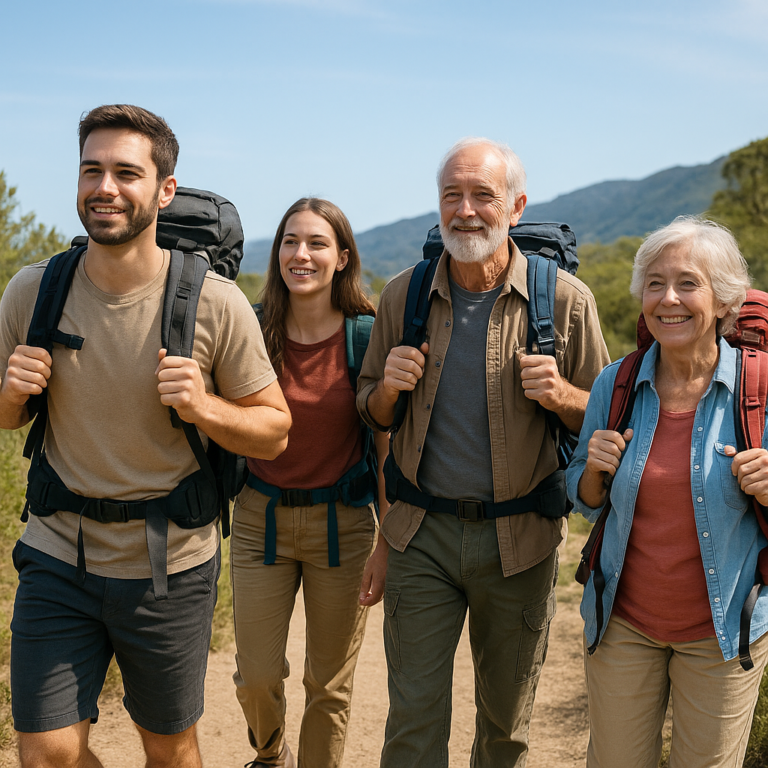
- 🏔️ Outdoor Enthusiasts: Hiking, Camping, and Travel Gear Purchases
- 🛍️ Why Do We Buy? The Psychology Behind Annual Backpack Replacements
- 📈 Seasonal Spikes: When Do Backpack Sales Peak?
- 🌍 Regional Differences: Backpack Buying Habits Around the World
- 🛠️ Durability vs. Trends: How Long Do Backpacks Last Before Replacement?
- 💡 Quick Tips and Facts
- 📚 Background and History of Backpack Manufacturing
- 🔮 Future Predictions: Where Is the Backpack Market Heading?
- ✅ Conclusion
- 🔗 Recommended Links
- ❓ FAQ
- 📖 Reference Links
⚡️ Quick Tips and Facts
Before we dive into the nitty-gritty of global backpack consumption, let’s hit the fast-forward button on the most critical takeaways. If you’re here because your current bag is holding you back (literally and figuratively), here is the lowdown:
- The Replacement Cycle: Most casual users replace their backpack every 2 to 3 years, while students often burn through them in one academic year due to the sheer volume of books and the occasional cafeteria food fight.
- The “Backpack Renaissance”: We aren’t just talking about school kids anymore. The commuter market has exploded, with sales of laptop-centric packs surging as remote work blurs the line between office and home.
- Durability Matters: A cheap $20 bag might save you cash now, but if it rips after six months, you’re actually spending more in the long run. Invest in quality if you plan to carry more than a laptop and a snack.
- Regional Shifts: While North America loves the “tech-ready” aesthetic, European and Asian markets are seeing a massive spike in sustainable, eco-friendly materials.
For a deeper dive into the numbers that drive our industry, check out our comprehensive breakdown of backpack statistics.
📜 The Backpack Renaissance: How Many People Buy Backpacks Per Year?
Let’s address the elephant in the room: How many people actually buy backpacks per year?
It’s a question that sounds simple but is as tangled as a pair of earphones in a pocket. There isn’t a single global census that asks, “Did you buy a backpack this year?” However, by triangulating data from market research firms, retail sales reports, and manufacturing output, we can paint a pretty clear picture.
The global backpack market is valued in the billions, with an estimated hundreds of millions of units sold annually. But here is the kicker: volume doesn’t always equal new buyers. A significant chunk of these sales comes from repeat purchases by the same demographic (students, travelers, and tech workers) rather than first-time buyers.
Why the renaissance?
- The Shift to Hybrid Work: The traditional briefcase is dead; long live the backpack. Professionals now need bags that can transition from a Zoom call to a coffee shop to a client site.
- The “Gorpcore” Trend: Outdoor aesthetics have gone mainstream. People are buying technical hiking packs not to hike, but to look cool at the grocery store.
- Durability Fatigue: Consumers are tired of fast fashion. There is a growing movement toward buying less, but buying better.
“The reality is everyone is different and a pack that works really well for one person might not for someone else.” — A sentiment echoed in our analysis of the featured video regarding pack selection.
We often get asked, “Is the market saturated?” The answer is a resounding no. The market is evolving. We are seeing a shift from generic, one-size-fits-all bags to specialized gear designed for specific niches, from the ultralight hiker to the HVAC technician.
📊 Global Backpack Sales Statistics and Market Trends
To understand the scale, we have to look at the numbers. The global backpack market is a beast, projected to grow at a CAGR (Compound Annual Growth Rate) of roughly 5-6% over the next decade.
Key Market Drivers
- E-commerce Boom: Online sales of backpacks have outpaced brick-and-mortar retail, allowing niche brands to thrive.
- Urbanization: As cities get denser, the need for hands-free, compact carrying solutions increases.
- Student Population: With global enrollment rising, the back-to-school sector remains the single largest driver of volume.
| Region | Primary Driver | Trending Style | Growth Outlook |
|---|---|---|---|
| North America | Tech & Commuting | Anti-theft, Laptop Sleeves | Steady |
| Europe | Sustainability | Recycled Materials, Minimalist | High |
| Asia-Pacific | Student Population | Colorful, High-Capacity | Very High |
| Latin America | Urban Commuting | Durable, Water-Resistant | Moderate |
Data synthesized from various market research reports including Statista and Grand View Research.
One interesting trend we’ve noticed at Backpack Brands™ is the polarization of price points. Consumers are either buying ultra-budget bags for short-term use or investing in premium, lifetime-warranty gear. The “middle ground” is shrinking.
🎒 Who’s Buying? Demographics of the Modern Backpack Shoper
Who is reaching into their wallet? It’s not just kids with heavy textbooks anymore.
The Student Demographic
- Age: 12–2
- Buying Frequency: High (Annual or Bi-Annual)
- Key Needs: Durability, style, and laptop protection.
- Insight: Students are the most trend-sensitive group. They want a bag that looks good on Instagram but can survive a semester of being thrown around.
The Professional Commuter
- Age: 23–5
- Buying Frequency: Low (Every 3–5 years)
- Key Needs: Organization, comfort, and professional aesthetics.
- Insight: This group is willing to pay a premium for ergonomics. They care about back pain and zipper quality.
The Outdoor Enthusiast
- Age: 18–65+
- Buying Frequency: Variable (Depends on activity level)
- Key Needs: Weight, load distribution, and weather resistance.
- Insight: These buyers are research-heavy. They read reviews, watch videos, and compare specs before spending a dime.
Fun Fact: Did you know that the average student goes through 3 to 4 backpacks during their K-12 education? That’s a lot of zippers and straps!
🏫 Student Backpacks: The Back-to-School Buying Cycle Explained
If you’ve ever worked in retail during July, you know the drill. The Back-to-School (BTS) season is the Super Bowl of backpack sales.
The Timeline
- June: Early birds start browsing. Sales are slow, but brands release new collections.
- July: The rush begins. Parents and students flood stores (and websites) looking for deals.
- August: Peak sales volume. Inventory starts to dwindle on popular colors and sizes.
- September: Sales taper off, but “last-minute” shoppers still buy.
What Students Look For
- Size: Needs to fit a 15-inch laptop, a binder, and a lunchbox.
- Style: Must match their personality. Brands like JanSport, Herschel, and Fjällräven dominate here.
- Price: Sensitivity is high. Students often look for sales or student discounts.
Pro Tip: If you’re a parent, don’t wait until the last week of August. The best styles sell out fast, and you’ll be stuck with the “leftovers.”
💼 The Rise of the Commuter: Laptop Bags and Work-from-Home Shifts
Remember when the briefcase was king? Those days are long gone. The modern professional needs a bag that can handle a 15-inch MacBook Pro, a water bottle, a change of clothes, and maybe a yoga mat.
The “Tech-Ready” Backpack
This category has seen the most significant growth. Features like USB charging ports, RFID-blocking pockets, and suspension systems for laptops are now standard expectations, not luxuries.
Brands Leading the Charge:
- Peak Design: Known for modular camera and tech gear.
- Tumi: The gold standard for business travel durability.
- Aer: A favorite for the urban minimalist with a focus on clean lines.
We recently tested the Aer Tech Pack 2, and the organization is next-level. It’s like a Swiss Army knife for your commute.
👉 CHECK PRICE on:
- Aer Tech Pack 2: Amazon | Aer Official
🏔️ Outdoor Enthusiasts: Hiking, Camping, and Travel Gear Purchases
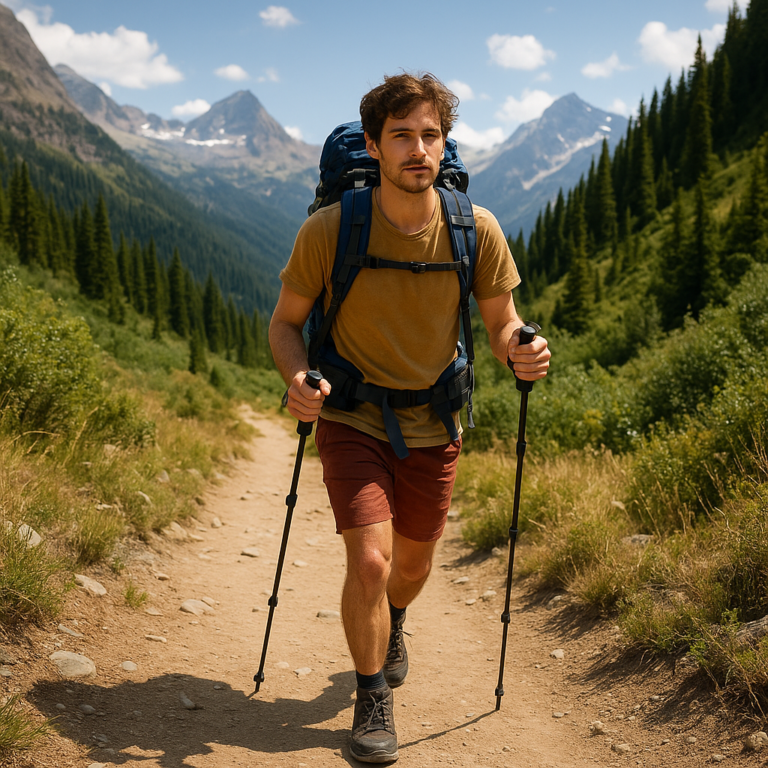
For the hikers, campers, and travelers, the backpack is not just a bag; it’s life support.
The Four Pillars of Hiking Packs
As highlighted in the featured video, the market is divided into four distinct categories:
- Traditional Packs: Heavy-duty, internal frames, designed for loads over 30 lbs. (e.g., Osprey Aether 5).
- Ultralight Packs: Minimalist, frameless or light frames, for base weights under 10 lbs. (e.g., Hyperlite Mountain Gear Southwest).
- Frameless Packs: The extreme of minimalism, relying on the hiker’s core strength.
- Hybrid Packs: A blend of durability and lightness, perfect for weekend warriors.
Why the confusion?
Many beginners buy a traditional pack for a day hike, only to find it’s overkill and uncomfortable. Conversely, an ultralight pack will fail if you try to carry a week’s worth of gear.
“The more weight, the more wear and tear on your body, especially your joints and your knees.” — From our analysis of the featured video.
Top Brands for Outdoor Gear
- Osprey: Famous for their All Mighty Guarantee (lifetime warranty).
- Gregory: Known for superior fit and suspension systems.
- Deuter: German engineering with a focus on airflow.
👉 CHECK PRICE on:
- Osprey Aether 5: Amazon | Osprey Official
- Hyperlite Mountain Gear Southwest: Amazon | HMG Official
🛍️ Why Do We Buy? The Psychology Behind Annual Backpack Replacements
Why do we replace a perfectly good bag? It’s rarely just because it broke.
The Psychology of Replacement
- Wear and Tear: Zippers fail, straps fray, and fabric tears. This is the functional reason.
- Style Fatigue: “I don’t like the color anymore.” This is the emotional reason.
- Life Changes: Getting a new job, going to college, or starting a new hobby often triggers a gear upgrade.
- Social Proof: Seeing a friend with a cool new bag can trigger an impulse buy.
The “New Bag” High
There is a psychological boost to buying a new backpack. It feels like a fresh start. But at Backpack Brands™, we advocate for mindful consumption. Ask yourself: Do I need a new bag, or do I just want a new bag?
📈 Seasonal Spikes: When Do Backpack Sales Peak?
Timing is everything. If you’re a shopper, knowing when to buy can save you a bundle.
The Peak Seasons
- July–August: The Back-to-School rush. Highest volume, but prices are often at their highest.
- November–December: Holiday Shopping. Great for gifts, but inventory can be hit or miss.
- January–February: Post-Holiday Sales. Retailers clear out old stock. This is the best time to buy for deals.
- Spring (March–April): Outdoor Season prep. Hiking and travel gear sees a spike.
Pro Tip: If you need a backpack for school, buy it in January. You’ll get the previous year’s models at a discount, and they are often identical to the new ones.
🌍 Regional Differences: Backpack Buying Habits Around the World
The world is big, and backpack preferences vary wildly.
- North America: Favors large capacity bags with lots of pockets. The “tech-ready” aesthetic is king.
- Europe: Prefers slimmer, more stylish designs. Sustainability is a major factor, with many consumers seeking recycled materials.
- Asia: High demand for colorful, trendy designs. The market is driven by youth culture and rapid fashion cycles.
- South America: Focus on durability and weather resistance. The terrain and climate demand rugged gear.
🛠️ Durability vs. Trends: How Long Do Backpacks Last Before Replacement?
This is the million-dollar question. How long should a backpack last?
The Lifespan Spectrum
- Budget Bags ($20–$40): Last 1–2 years. Zippers are the first to go.
- Mid-Range Bags ($50–$150): Last 3–5 years. Good stitching and decent fabrics.
- Premium Bags ($150+): Last 10+ years. Often come with lifetime warranties.
The Veto Pro Pac Example
Let’s talk about the Veto Pro Pac Tech Pac. This isn’t your average backpack. It’s built for industrial tradesmen who need to carry heavy tools up ladders.
- Construction: 950 and 1250 PVC Impregnated Denier Nylon.
- Load Test: Handle failure point at 830 lbs.
- Warranty: 5 Years.
As the manufacturer notes, “The most difficult assignments for tradesmen are those where you need to climb a ladder or haul tools over long distances.” This bag is designed to solve that exact problem.
👉 CHECK PRICE on:
- Veto Pro Pac Tech Pac: Amazon | Veto Pro Pac Official
💡 Quick Tips and Facts
Wait, we said were done with tips? Not so fast. Here are a few more golden nugets you might have missed:
- Ziper Care: Don’t force a stuck zipper. A little silicone spray or wax can work wonders.
- Weight Distribution: Always pack heavy items close to your back and centered. This keeps your center of gravity stable.
- Cleaning: Don’t throw your backpack in the washing machine unless the label says it’s okay. Most premium bags should be hand-washed with mild soap.
- Storage: When not in use, store your backpack upright or hanging. Don’t stuff it in a closet where it can get crushed.
📚 Background and History of Backpack Manufacturing

The backpack has come a long way from the rucksacks of the 19th century.
A Brief History
- 190s: The first modern backpacks were designed for military use. They were heavy, canvas, and lacked comfort.
- 1930s: Gerry Pack Company introduced the first internal frame, revolutionizing load distribution.
- 1960s: The hip pack (fanny pack) became popular, but the backpack remained the king of outdoor gear.
- 1980s: The back-to-school boom turned backpacks into fashion statements. Brands like JanSport and Eastpak dominated.
- 20s: The rise of the laptop created a new category of backpacks with padded sleeves.
- 2020s: Sustainability and modularity are the new frontiers.
🔮 Future Predictions: Where Is the Backpack Market Heading?
Where are we going next?
- Smart Backpacks: Bags with built-in GPS tracking, solar charging, and anti-theft alarms.
- Eco-Materials: A shift toward biodegradable fabrics and recycled plastics.
- Customization: 3D printing and modular systems that let you build your own bag.
- Health Focus: More emphasis on ergonomics and posture correction technology.
The future is bright, and it’s going to be lighter, smarter, and grener.
✅ Conclusion

So, how many people buy backpacks per year? The answer is millions. From the student grabbing a new bag for the first day of school to the technician upgrading to a Veto Pro Pac for a tougher job, the demand is relentless.
We’ve seen that the market is driven by demographics, seasonality, and a constant tug-of-war between trends and durability. Whether you’re an ultralight hiker or a corporate commuter, the right backpack can make or break your day.
Our Final Recommendation:
Don’t just buy a backpack because it’s cheap or looks cool. Invest in quality. Look for lifetime warranties, ergonomic designs, and durable materials. If you’re a student, a mid-range bag might suffice. If you’re a professional or an outdoor enthusiast, splurge on the premium gear. Your back will thank you.
And remember, the best backpack is the one that fits your life, not just the latest trend.
🔗 Recommended Links
Ready to upgrade your gear? Here are our top picks based on the categories we discussed:
- Best Overall Student Backpack: JanSport Right Pack | JanSport Official
- Best Tech Commuter: Aer Tech Pack 2 | Aer Official
- Best Hiking Pack: Osprey Aether 5 | Osprey Official
- Best Tool Backpack: Veto Pro Pac Tech Pac | Veto Pro Pac Official
- Best Ultralight Pack: Hyperlite Mountain Gear Southwest | HMG Official
Books for Further Reading:
❓ FAQ

How can I choose the perfect backpack brand for my needs?
Choosing the perfect brand depends on your primary use case. For school, look for JanSport or Herschel. For tech, Aer or Peak Design are top-tier. For hiking, Osprey and Gregory are unbeatable. Always check for warranty and material quality.
Read more about “🎒 Who Uses Backpacks the Most? The 7 Surprising Groups You Didn’t Expect (2026)”
What are the most popular types of backpacks bought each year?
School backpacks dominate in volume, but laptop backpacks and hiking packs are the fastest-growing segments. The commuter backpack is also seeing a massive surge.
Read more about “🛒 The Ultimate Consumer Guide: Master Your Wallet in 2026”
How do backpack sales vary by region or country?
North America favors large, tech-focused bags. Europe leans toward sustainable, minimalist designs. Asia is driven by trendy, colorful styles.
Read more about “🌍 Backpack Statistics Worldwide: 15+ Shocking Facts (2026)”
What factors influence people’s choice of backpack brands?
Durability, style, price, and brand reputation are the top factors. Warranty is becoming increasingly important.
Which age groups buy the most backpacks annually?
Students (12–2) buy the most due to the annual replacement cycle. However, professionals (25–45) spend the most per unit.
Read more about “How Many People Use Backpacks in a Year? 🎒 Surprising Stats & Insights (2026)”
What are the top backpack brands preferred by consumers?
JanSport, Herschel, Osprey, Tumi, Aer, and Veto Pro Pac are consistently top-rated.
Read more about “🎒 How Many People Use Backpacks? The Shocking Global Truth (2026)”
What are the top-selling types of backpacks, such as hiking or school backpacks?
School backpacks sell the most units. Hiking backpacks and laptop backpacks have the highest growth rates.
Read more about “Who Sells the Most Backpacks? Top 10 Brands & Retailers (2025) 🎒”
How often do people replace their backpacks with new ones?
Students replace them annually. Professionals replace them every 3–5 years. Outdoor enthusiasts replace them based on wear and tear, often every 5–10 years.
Read more about “🎒 How Many Backpacks Are Sold Each Year? (2026 Stats)”
What features do people look for when buying a backpack?
Laptop sleeves, water resistance, ergonomic straps, organization pockets, and durability are the most requested features.
Read more about “🎒 What Is the Market Trend in Backpacks? (2026)”
Which age group buys the most backpacks per year?
The 12–2 age group (students) buys the highest volume.
Read more about “🧠 7 Secrets of Backpack Consumer Behavior (2026)”
What is the average cost of a backpack that people are willing to pay?
The average spend ranges from $40 to $150, depending on the use case. Premium users are willing to pay $20+.
How many backpacks does the average person own?
Most people own 2–3 backpacks at a time (one for work, one for school, one for travel).
Read more about “🎒 What is the Market Research for Backpacks? (2026 Guide)”
How many backpacks are sold per year?
While exact numbers vary, estimates suggest hundreds of millions of backpacks are sold globally each year.
Read more about “🎒 7 Emerging Backpack Brands to Watch in 2026”
How many backpacks are sold in a year?
See above. The market is massive, with back-to-school being the single largest sales event.
Read more about “🎒 15 Shocking Backpack Statistics That Will Change How You Pack (2026)”
How much do people spend on backpacks?
Average spend is $50–$10 for casual users, and $150–$30 for enthusiasts and professionals.
Read more about “How much do people spend on backpacks?”
How many people backpack a year?
This refers to the activity of backpacking (hiking/camping). Estimates suggest tens of millions of people engage in backpacking annually, driving the sales of specialized gear.
📖 Reference Links
- Statista: Global Backpack Market Size
- Grand View Research: Backpack Market Analysis
- Veto Pro Pac: Tech Pac Specifications
- Osprey: Lifetime Warranty Policy
- Backpack Brands: Backpack Statistics
- Backpack Brands: Backpack Reviews
- Backpack Brands: Backpack Types
- Backpack Brands: Brand Spotlights
- Backpack Brands: Backpack Trends
- Backpack Brands: Backpack Brands