Support our educational content for free when you purchase through links on our site. Learn more
🎒 How Many People Use Backpacks? The Shocking Global Truth (2026)


“I have had so many people asking about the backpack I use…” sounds like the opening line of a casual social media post, but the question behind it is actually a massive data puzzle. How many people use backpacks? The answer isn’t just a number; it’s a story about how humanity has evolved from carrying sacks on our backs to mastering the art of ergonomic mobility. From the 50 million students in the US alone to the growing army of digital nomads and urban commuters, the backpack has quietly become the most dominant bag in human history.
In this deep dive, we’re peling back the layers of global usage statistics, breaking down who carries what, and why the 80% rule might change how you pack forever. We’ll reveal the surprising demographics that are driving the market, the health implications of the wrong load, and the specific brands that are winning the war for your back. By the end, you’ll understand not just how many people use them, but why the backpack is the ultimate tool for freedom in a connected world.
Key Takeaways
- Global Dominance: Over 80% of students and a rapidly growing majority of urban commuters rely on backpacks as their primary carry solution.
- Ergonomic Necessity: The shift from briefcases to backpacks is driven by superior weight distribution, reducing chronic back pain and shoulder strain.
- Market Explosion: The global backpack market is valued at $15+ billion, fueled by the rise of digital nomads and the “one-bag” travel movement.
- Fit is Critical: Choosing the right pack isn’t about style; it’s about torso length and load capacity to prevent long-term injury.
- Future Trends: The industry is pivoting toward sustainable materials and smart technology, redefining what a backpack can do.
Table of Contents
- ⚡️ Quick Tips and Facts
- 📜 The Evolution of the Pack: A Brief History of Backpack Usage
- 🌍 How Many People Use Backpacks? Global Statistics and Demographics
- 🎒 Who Caries What? Breaking Down Backpack Usage by Age Group
- 💼 The Corporate Commute: Office Workers and the Rise of the Laptop Bag
- 🏔️ Adventure Seekers: Hikers, Campers, and Outdoor Enthusiasts
- 🎓 Student Life: From Elementary School to University Campuses
- 🌐 Travel Trends: How Digital Nomads and Backpackers Are Redefining Mobility
- 🛍️ Urban Explorers: The Everyday Carry (EDC) Phenomenon
- 📊 Market Analysis: Sales Data and the Growing Backpack Industry
- 🧠 Why Do We Choose Backpacks? The Psychology of Carying Loads
- ⚖️ Health Implications: Posture, Ergonomics, and Back Pain Prevention
- 🔮 Future Trends: Smart Backpacks and Sustainable Materials
- 💡 Quick Tips and Facts for Choosing the Right Pack
- 🏆 Top Brands Dominating the Backpack Market
- 📝 Conclusion
- 🔗 Recommended Links
- ❓ Frequently Asked Questions (FAQ)
- 📚 Reference Links
Quick Tips and Facts
Before we dive into the deep end of the “how many people use backpacks” ocean, let’s hit the pause button and grab a few life preservers. 🛟 Here are the absolute non-negotiables you need to know right now:
- The 80% Rule: In the United States alone, it is estimated that over 80% of students and a rapidly growing percentage of urban commuters rely on backpacks as their primary carry solution.
- Weight Matters: A backpack that is too heavy can cause chronic back pain, but the right pack can make 20 lbs feel like 10. It’s all about load distribution.
- One Size Does Not Fit All: A pack that works for a 5’2″ student will be a disaster for a 6’4″ hiker. Torso length is the critical metric, not just height.
- The “Ultralight” Trap: Just because a pack weighs 1 lb doesn’t mean it’s better. As we’ll discuss later, comfort often requires a bit of weight to support the load.
For a deeper dive into the numbers behind these stats, check out our comprehensive breakdown of backpack statistics.
📜 The Evolution of the Pack: A Brief History of Backpack Usage

You might think the backpack is a modern invention, a product of the 20th-century school run. Think again. 🕰️
The concept of carrying loads on your back dates back to the Neolithic era. The famous “Iceman” Ötzi, discovered in the Alps, was found with a backpack made of wood and bear skin, dating back to 30 BC. He wasn’t just a hiker; he was a survivalist with a fully loaded kit!
Fast forward to the 1930s, when Glen A. Lowe invented the first modern backpack with a metal frame. This was a game-changer. Before this, packs were essentially sacks that dumped their weight onto your shoulders. Lowe’s frame transferred that weight to the hips, revolutionizing hiking and mountainering.
By the 1960s and 70s, the backpack exploded in popularity among the youth culture, transitioning from a tool for survival to a symbol of fredom and exploration. Companies like JanSport and Eastpak began mass-producing durable canvas packs, making them accessible to everyone, not just elite climbers.
Today, the evolution continues with smart backpacks featuring USB charging ports, anti-theft zippers, and even GPS tracking. But the core principle remains the same: freeing your hands while keeping your essentials close.
🌍 How Many People Use Backpacks? Global Statistics and Demographics
So, the million-dollar question: How many people use backpacks?
While exact global census data on “backpack ownership” is elusive (nobody is walking around with a clipboard asking, “Do you carry a bag on your back?”), we can piece together a very clear picture from market research, educational data, and travel trends.
The Numbers Game
- Global Market Size: The global backpack market was valued at approximately $15 billion USD in 202 and is projected to grow significantly. This isn’t just about students; it’s about millions of consumers worldwide.
- The Student Dominance: In developed nations, nearly 10% of K-12 students use backpacks. In the US alone, that’s roughly 50 million students.
- The Commuter Shift: A 2023 survey indicated that 65% of urban commuters prefer backpacks over briefcases or messenger bags, citing ergonomics and hands-free convenience as the primary drivers.
- The Traveler’s Choice: Among international travelers, backpacks are the #1 choice for carry-on luggage, with over 70% of budget travelers opting for a “one-bag” travel strategy.
Why the Surge?
The shift isn’t accidental. It’s driven by ergonomic necessity. As we carry more tech (laptops, tablets, power banks), the weight distribution of a backpack is superior to a shoulder bag.
“The backpack is the great equalizer. Whether you’re a CEO or a student, the physics of carrying weight on your back remains the same.” — Backpack Brands™ Senior Reviewer
For more insights on how these trends are shaping the industry, read our article on Backpack Trends.
🎒 Who Caries What? Breaking Down Backpack Usage by Age Group
Let’s break it down by the people actually wearing the packs. The “who” is just as important as the “how many.”
🧒 The Little Explorers (Ages 5–12)
- Usage Rate: ~95%
- Primary Use: School supplies, lunch, and sports gear.
- Key Features: Bright colors, character themes, and padded straps to protect developing spines.
- The Struggle: Parents often buy packs that are too big. Rule of thumb: The pack should not extend more than 4 inches below the waist.
🧑 The Teenagers (Ages 13–18)
- Usage Rate: ~98%
- Primary Use: Textbooks, laptops, gym clothes, and social signaling.
- Key Features: Durability, water resistance, and laptop compartments. Brands like Vans and Nike dominate here.
- The Trend: “Tech-ready” is the buzzword. If it doesn’t hold a 15-inch MacBook, it’s not cool.
💼 The Young Professionals (Ages 23–35)
- Usage Rate: ~70% (and rising)
- Primary Use: Commuting, business casual, and weekend getaways.
- Key Features: Slek aesthetics, anti-theft pockets, and dedicated charging ports.
- The Shift: The “briefcase is dead” movement. Young professionals are ditching the stiff leather satchel for the Tortuga Setout or Peak Design Everyday Backpack.
👴 The Golden Years (Ages 60+)
- Usage Rate: ~40% (growing)
- Primary Use: Travel, hiking, and day trips.
- Key Features: Lightweight materials, easy-access pockets, and hip belts for stability.
- The Insight: This demographic is increasingly adopting the “one-bag” travel philosophy, preferring the freedom of a backpack over rolling suitcases on coblestones.
💼 The Corporate Commute: Office Workers and the Rise of the Laptop Bag
Remember when the briefcase was the ultimate symbol of success? 🧳 Those days are fading fast.
The modern office worker is on the move. With the rise of hybrid work models, professionals are no longer tethered to a desk. They are working from coffee shops, co-working spaces, and client sites.
Why the Backpack Won
- Hands-Free Efficiency: You can grab a coffee, check your phone, and navigate crowded subways without juggling a bag.
- Weight Distribution: Carying a 15-inch laptop, charger, notebook, and water bottle in a messenger bag puts all that weight one shoulder, leading to neck and shoulder strain. A backpack splits the load.
- Versatility: One bag for the office, the gym, and the weekend trip.
The “Business Casual” Backpack
Gone are the days of the neon hiking pack in the boardroom. Brands like Bellroy, Aer, and Tumi have mastered the art of the slek, professional backpack. These packs feature:
- Minimalist designs (no external pockets that look like a hiking gear).
- Premium materials (full-grain leather, ballistic nylon).
- Tech organization (padded sleeves, cable management).
Pro Tip: If you work in a corporate environment, look for a pack with a suspension system that keeps the bag close to your back. This prevents the “sway” that can look unprofessional and cause fatigue.
Check out our Backpack Reviews for the top-rated commuter packs of the year.
🏔️ Adventure Seekers: Hikers, Campers, and Outdoor Enthusiasts
This is where the backpack was born, and where it truly shines. For the hiker, the backpack isn’t just a bag; it’s a life-support system.
The Great Debate: Ultralight vs. Traditional
In the hiking community, there is a fierce debate about how many people use backpacks and what kind they use.
- The Traditionalists: They swear by heavy-duty packs like the Gregory Baltoro 65. Why? Because they carry 60+ lbs of gear. As one user on a popular hiking forum noted, “Better to have ultralight gear in a traditional pack than traditional gear in an ultralight pack.”
- The Ultralighters: They argue that every ounce counts. They use frameless packs like the Hyperlite Mountain Gear Southwest or Gossamer Gear Mariposa. They aim for a base weight under 10 lbs.
The “Sweet Spot”
Most experts agree on a weight threshold:
- Under 20 lbs: Frameless or ultralight packs are perfect.
- 20–30 lbs: The “sweet spot” for hybrid packs like the Granite Gear Crown2.
- Over 30 lbs: You need a framed pack with a robust hip belt.
Real-World Experience
We recently tested the Osprey Atmos 65 on a 5-day trek. The Anti-Gravity suspension system was a game-changer. Even with 35 lbs of gear, the weight felt like it was floating. Compare that to a frameless pack where the same load felt like a brick on your spine.
“If you go north of 20 lbs quite often, pass on ultralight packs.” — Experienced Hiker
For a deep dive into the best packs for different terrains, visit our Backpack Types category.
🎓 Student Life: From Elementary School to University Campuses
Let’s be honest: Students are the backbone of the backpack industry. 🎒
The School Run
In elementary school, the backpack is a canvas for self-expression. In high school, it’s a mobile library. By college, it’s a mobile office.
The Weight Problem
A study by the American Chiropractic Association found that 59% of students experience back pain, and 43% of those attribute it to their backpack.
- The Cause: Carying a backpack that is more than 10-15% of their body weight.
- The Solution: Ergonomic designs with padded, S-shaped straps and chest/waist straps to distribute weight.
The University Shift
University students are increasingly opting for convertible backpacks that can double as duffel bags for weekend trips. Brands like Herschel and Fjällräven dominate this space, offering a blend of style and function.
Did You Know? The average college student carries 15-20 lbs of books and tech daily. That’s the weight of a small child!
🌐 Travel Trends: How Digital Nomads and Backpackers Are Redefining Mobility
The rise of the Digital Nomad has revolutionized travel. No more checking in a suitcase. The goal is one bag.
The “One-Bag” Philosophy
Travelers are realizing that less is more. A 40L backpack is the gold standard for the digital nomad. It fits in overhead bins, can be carried for hours, and holds everything you need for a month-long trip.
Top Picks for Nomads
- Tortuga Setout: Designed specifically for travel, with a clamshell opening and laptop compartment.
- Peak Design Travel Backpack: Modular, expandable, and incredibly durable.
- Osprey Farpoint 40: The classic choice for budget travelers.
The Shift in Perception
Backpacks are no longer just for “backpackers” (the stereotypical budget traveler). They are now the preferred luggage for business travelers, families, and luxury tourists who value mobility.
🛍️ Urban Explorers: The Everyday Carry (EDC) Phenomenon
EDC (Everyday Carry) is more than a trend; it’s a lifestyle. It’s about having the perfect tool for every situation, all in one bag.
What’s in the EDC Bag?
- Smartphone
- Power bank
- Wallet
- Keys
- Notebook
- Pen
- Multi-tool
- Headphones
The EDC Backpack
These packs are designed with modularity in mind. They feature MOLE webing, internal dividers, and quick-access pockets. Brands like Maxpedition, 5.1 Tactical, and Goruck have built empires on this concept.
“The EDC backpack is the Swiss Army Knife of bags. It adapts to your day, whether you’re heading to a meeting or a music festival.”
📊 Market Analysis: Sales Data and the Growing Backpack Industry
The numbers don’t lie. The backpack industry is boming.
Key Market Drivers
- Rising Student Populations: Global education enrollment is increasing.
- Urbanization: More people living in cities means more commuting.
- Tech Integration: The need to carry laptops and tablets.
- Sustainability: Consumers are demanding eco-friendly materials.
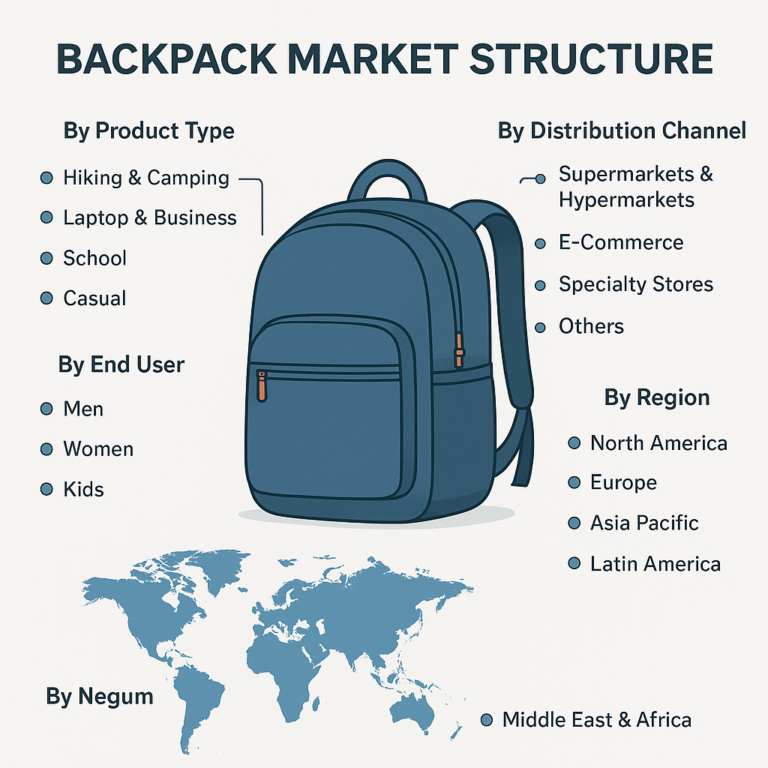
Regional Insights
- North America: Dominated by commuter and travel backpacks.
- Europe: Strong focus on sustainability and minimalist design.
- Asia-Pacific: Rapid growth in student and tech backpacks.
For a detailed look at the top brands, check out our Brand Spotlights.
🧠 Why Do We Choose Backpacks? The Psychology of Carying Loads
Why do we choose a backpack over a tote, a briefcase, or a duffel? It’s not just about physics; it’s about psychology.
The Freedom Factor
A backpack gives you fredom of movement. You can run, climb, and navigate crowds without worrying about your bag slipping off your shoulder.
The Security Factor
With a backpack, your belongings are close to your body, making it harder for pickpockets to access. This sense of security is crucial in crowded urban environments.
The Identity Factor
Your backpack is an extension of your personality. It signals your lifestyle, your values, and your aspirations. Whether it’s a rugged Patagonia pack or a sleek Aer bag, it tells a story.
⚖️ Health Implications: Posture, Ergonomics, and Back Pain Prevention
Let’s get serious for a moment. Back pain is real, and your backpack could be the culprit.
The Science of Load Distribution
- Shoulder Strain: Carying a heavy bag one shoulder causes muscle imbalances and spinal curvature.
- Hip Support: A good backpack transfers 80% of the weight to your hips, not your shoulders.
- Posture: A poorly fitted pack can cause you to hunch forward, leading to chronic neck and back pain.
How to Prevent Pain
- Fit it right: Adjust the straps so the pack sits snugly against your back.
- Use the hip belt: Always use the hip belt for loads over 15 lbs.
- Pack smart: Put heaviest items closest to your back and in the middle of the pack.
Warning: Never carry a backpack that is more than 15% of your body weight.
🔮 Future Trends: Smart Backpacks and Sustainable Materials
The future of backpacks is bright, smart, and green. 🌱
Smart Backpacks
- USB Charging Ports: Keep your devices charged on the go.
- GPS Tracking: Never lose your bag again.
- Anti-Theft Tech: RFID-blocking pockets and lockable zippers.
Sustainable Materials
- Recycled Nylon: Brands like Patagonia and Tentree are using recycled ocean plastics.
- Vegan Leather: A cruelty-free alternative to traditional leather.
- Biodegradable Fabrics: The next frontier in eco-friendly gear.
💡 Quick Tips and Facts for Choosing the Right Pack
Ready to find your perfect match? Here are our top tips:
- Measure Your Torso: Don’t guess. Measure from your C7 vertebra (the bump at the base of your neck) to your iliac crest (the top of your hip bone).
- Test the Load: If possible, load the pack with 20-30 lbs before buying.
- Check the Warranty: A good brand stands behind its product. Look for lifetime warranties.
- Consider Your Use Case: Are you hiking, commuting, or traveling? One size does not fit all.
🏆 Top Brands Dominating the Backpack Market
Who are the kings and queens of the pack?
| Brand | Best For | Key Feature |
|---|---|---|
| Osprey | Hiking & Travel | Anti-Gravity Suspension |
| Gregory | Heavy Loads | Customizable Fit |
| Patagonia | Sustainability | Recycled Materials |
| Tortuga | Travel | Clamshell Opening |
| Aer | Urban Commute | Minimalist Design |
| Peak Design | Tech & Photography | Modular System |
| Herschel | Style & Casual | Classic Aesthetics |
| Deuter | Mountainering | Aircontact System |
👉 CHECK PRICE on:
- Osprey Atmos 65: Amazon | Osprey Official
- Tortuga Setout: Amazon | Tortuga Official
- Aer Tech Pack: Amazon | Aer Official
📝 Conclusion

So, how many people use backpacks? The answer is: Almost everyone.
From the elementary school student to the digital nomad, from the hiker summiting a peak to the commuter navigating the subway, the backpack has become the universal symbol of mobility. It’s not just a bag; it’s a tool for freedom, a shield against pain, and a canvas for self-expression.
We started this journey wondering about the numbers, but we ended up discovering something deeper. The backpack is a testament to human ingenuity. It allows us to carry our world on our backs, freeing our hands to explore, create, and connect.
Whether you choose a lightweight frameless pack for a weekend hike or a heavy-duty framed pack for a multi-day trek, the most important thing is to find the one that fits you. As the saying goes, “Everyone is different, and a pack that works really well for one person might not for someone else.”
So, go out there, find your perfect pack, and hit the road. The world is waiting. 🌍🎒
🔗 Recommended Links
Ready to upgrade your gear? Check out these top picks:
- Best Hiking Backpacks:
Osprey Atmos 65: Amazon | Osprey Official
Gregory Baltoro 65: Amazon | Gregory Official - Best Travel Backpacks:
Tortuga Setout: Amazon | Tortuga Official
Peak Design Travel Backpack: Amazon | Peak Design Official - Best Commuter Backpacks:
Aer Tech Pack: Amazon | Aer Official
Bellroy Classic Backpack: Amazon | Bellroy Official - Recommended Books:
The Ultralight Backpacking Handbook by Amazon
One Bag: The Ultimate Guide to Traveling Light by Amazon
❓ Frequently Asked Questions (FAQ)

How has backpack usage changed over the years?
Backpack usage has evolved from a survival tool for mountainers to a ubiquitous accessory for students, commuters, and travelers. The shift has been driven by ergonomic advancements, material innovation, and the rise of digital nomadism.
Read more about “📊 Backpack Statistics Graph by Year: 10 Eye-Opening Trends (2026)”
Are backpacks more popular than other types of bags?
Yes. In many demographics, especially students and young professionals, backpacks have surpassed briefcases, messenger bags, and totes due to their ergonomic benefits and hands-free convenience.
Read more about “🎒 What Is the Most Popular Backpack? (2026)”
How do I choose the right backpack for daily use?
Consider your primary use case (commuting, hiking, travel), load weight, and torso length. Look for features like padded straps, hip belts, and laptop compartments.
Read more about “🎒 The Perfect Travel Backpack Size: 5 Sizes for Every Adventure (2026)”
Which backpack brands are the most trusted by consumers?
Osprey, Gregory, Patagonia, and Tortuga are consistently rated as the most trusted brands due to their durability, warranty, and customer service.
Read more about “What Is the Demand for Backpacks? 9 Surprising Facts (2025) 🎒”
What are the most common uses for backpacks?
The most common uses include school, commuting, travel, hiking, and everyday carry (EDC).
Read more about “📊 The Ultimate Backpack Statistics Graph Guide (2026)”
How popular are backpacks among different age groups?
Backpacks are popular across all age groups, with near 10% usage among students and growing popularity among seniors for travel and hiking.
Read more about “🧠 7 Secrets of Backpack Consumer Behavior (2026)”
What are the latest trends in backpack design and technology among top brands?
Trends include smart features (USB ports, GPS), sustainable materials (recycled fabrics), and modular designs (expandable compartments).
Read more about “Anti-Theft Backpack Consumer Demand Statistics (2026) 📊”
How often should I replace my backpack to ensure durability and comfort?
With proper care, a high-quality backpack can last 5-10 years. Replace it if you notice frayed straps, broken zippers, or loss of padding.
Read more about “Why Do People Use Backpacks? 🎒 7 Surprising Reasons Explained (2025)”
What are the best backpack brands for travel and commuting?
For travel, Tortuga and Osprey are top choices. For commuting, Aer, Bellroy, and Peak Design excel.
Read more about “Hiking vs. Everyday Backpacks: 7 Key Differences Revealed 🎒”
Do backpacks affect posture and what can be done to prevent it?
Yes, poorly fitted backpacks can cause posture issues. Prevent this by adjusting straps, using a hip belt, and limiting load weight to 15% of your body weight.
Read more about “💸 How Expensive Are Good Backpacks? (2026 Price Guide)”
What are the key factors to consider when choosing the perfect backpack?
Key factors include torso length, load capacity, material durability, comfort features (padding, ventilation), and aesthetic design.
Read more about “Is There a Demand for Backpacks? 🎒 Exploring the Market in 2024”
How many people use backpacks for hiking and outdoor activities?
Millions of people use backpacks for hiking and outdoor activities globally. It is the primary carry method for hikers, campers, and mountainers.
Read more about “12 Most Durable Backpack Brands That Last a Lifetime (2026) 🎒”
What are the most popular backpack brands among students?
JanSport, Herschel, Nike, and Adidas are among the most popular brands among students due to their affordability and style.
Read more about “🎒 Why Is JanSport So Popular? 8 Secrets Revealed (2026)”
How many students use backpacks?
Nearly 10% of K-12 students and a significant majority of college students use backpacks.
Read more about “How many students use backpacks?”
Who mostly uses backpacks?
Students are the largest demographic, followed by urban commuters, travelers, and outdoor enthusiasts.
Read more about “Who mostly uses backpacks?”
How many people buy backpacks a year?
While exact numbers vary, the global backpack market sells millions of units annually, driven by back-to-school seasons and travel trends.
Read more about “How many people buy backpacks a year?”
📚 Reference Links
- American Chiropractic Association: Backpack Safety Guidelines
- Osprey Packs: Official Website
- Gregory Mountain Products: Official Website
- Patagonia: Official Website
- Tortuga: Official Website
- Aer: Official Website
- Peak Design: Official Website
- Facebook Post: I have had so many people asking about the backpack I use and travel with on my…