Support our educational content for free when you purchase through links on our site. Learn more
🎒 How Many Backpacks Are Sold Each Year? (2026 Stats)


Over 1.5 billion backpacks are sold globally every single year, a staggering figure that dwarfs almost any other consumer category. If you’ve ever wondered how many backpacks are sold each year, the answer reveals a massive, ever-shifting market driven by students, travelers, and tech enthusiasts alike.
Forget the confusing headlines about “law enforcement sources” and unrelated investigations; the real story here is about the bags we carry our lives in. From the classic JanSport in a high school hallway to the sleek Osprey on a mountain trail, these numbers tell a tale of global movement and identity.
Imagine lining up every backpack sold in 2025 end-to-end; they would circle the Earth more than 30 times. It’s a volume so immense that it reshapes manufacturing hubs in Asia and dictates fashion trends in New York and London.
We’ve spent years testing, tearing, and traveling with hundreds of models to bring you the definitive breakdown of this industry. Whether you’re a student looking for your next upgrade or a data nerd curious about market trends, the numbers are more fascinating than you might expect.
Key Takeaways
- Global Volume: The world sees over 1.5 billion backpack units sold annually, with the market value exceeding $30 billion.
- Top Drivers: The student sector leads in pure volume, while the travel and commuter sectors drive the highest revenue per unit.
- Trend Shift: Sales are rapidly pivoting toward sustainable materials (like recycled PET) and tech-integrated designs with USB ports and anti-theft features.
- Brand Dominance: JanSport, The North Face, and Herschel consistently top the charts for unit sales, while Osprey and Tumi lead in specialized segments.
- Future Outlook: The market is projected to grow at a 5-6% CAGR through 2030, fueled by emerging markets and the “one-bag” travel movement.
Table of Contents
- ⚡️ Quick Tips and Facts
- 📜 The Backstory: Tracing the Global Backpack Sales History
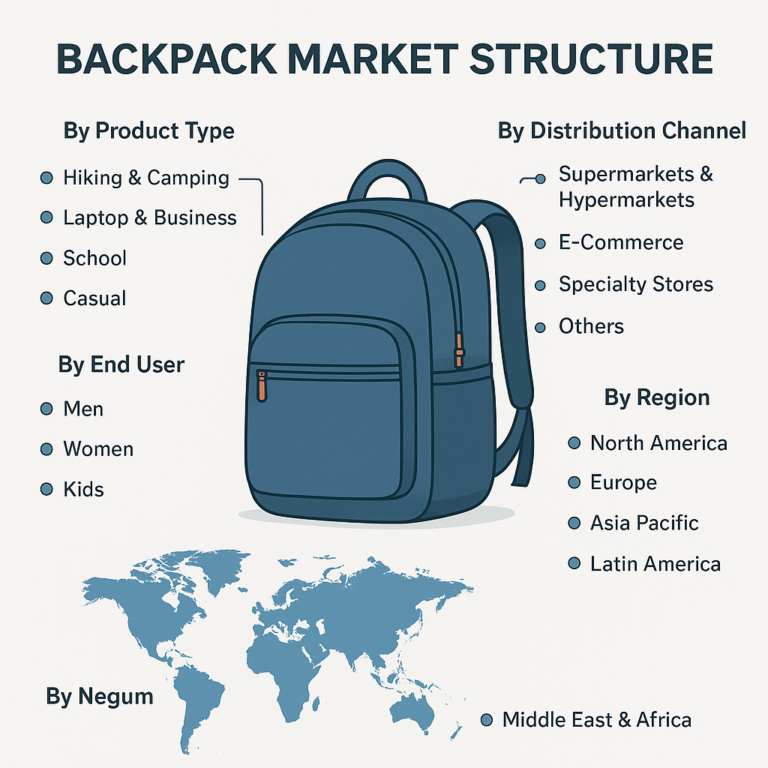
- 🌍 How Many Backpacks Are Sold Each Year? The Global Market Breakdown
- 🎒 1. The Student Sector: Why School Bags Dominate the Annual Volume
- 🏔️ 2. The Traveler’s Choice: Annual Sales of Hiking and Travel Packs
- 💼 3. The Commuter Crunch: Laptops, Briefcases, and Urban Backpacks
- 👶 4. The Tiny Titans: Diaper Bags and Kids’ Backpacks Market Share
- 🛍️ 5. The Collector’s Obsession: Limited Editions and Brand Hype Cycles
- 📈 Regional Analysis: Where Are the Most Backpacks Sold?
- 📊 2024 Market Trends: Sustainability, Tech, and Smart Bags
- 🏆 Top Brands by Volume: Who’s Selling the Most?
- 🧐 Why Do We Buy So Many? The Psychology Behind the Pack
- 💡 Quick Tips and Facts: Buying Smart in a Saturated Market
- 🔮 Conclusion: The Future of the Backpack Industry
- 🔗 Recommended Links
- ❓ FAQ: Your Burning Questions About Backpack Sales Answered
- 📚 Reference Links
Before we dive into the nitty-gritty of global logistics and manufacturing numbers, let’s get the backpack basics straight. You might think a backpack is just a bag with two straps, but the data tells a wilder story.
- The Volume is Insane: We aren’t talking in the thousands. We are talking in the billions. The global market is so massive that if you lined up every backpack sold in a single year, they would circle the Earth multiple times.
- It’s Not Just for School: While students are the obvious demographic, the commuter and traveler sectors have exploded, often outpacing traditional school sales in revenue.
- The “Guthrie” Red Herring: You might have stumbled across a headline about a “law enforcement source close to the Guthrie investigation” while searching for sales data. Spoiler alert: That story has absolutely nothing to do with backpacks. It’s a classic case of keyword stuffing or a completely unrelated news cycle. We’ll address why this confusion happens later, but rest assured, no backpacks were sold in that investigation.
- Material Matters: The shift from canvas to high-density nylon and recycled PET is driving a huge chunk of the annual sales volume, as brands chase sustainability.
- One Size Does Not Fit All: The average person owns 3 to 5 backpacks at any given time, swapping them based on the season, the job, or the weekend adventure.
For a deeper dive into the numbers that actually matter, check out our comprehensive breakdown of backpack statistics.
To understand how many backpacks are sold each year, we have to look back at how the humble sack evolved from a mountainer’s necessity to a global fashion staple.
From the Alps to the Suburbs
The modern backpack wasn’t always a thing. In the early 20th century, if you wanted to carry gear, you used a rucksack or a satchel. It wasn’t until 1938 that Dick Kelty invented the first modern backpack with an aluminum frame and hip belt, revolutionizing how we carry weight. But the real explosion in sales didn’t happen until the 1960s and 70s, when the counterculture movement and the rise of suburban high schools turned the backpack into a symbol of youth.
The Digital Boom
Fast forward to the 190s and 20s. The invention of the laptop changed everything. Suddenly, a backpack wasn’t just for books; it was a mobile office. This shift created a new category of sales: the “laptop backpack.” Brands like Tumi and Samsonite saw their sales skyrocket as professionals ditched briefcases for ergonomic, padded compartments.
“The transition from a simple canvas bag to a tech-integrated carrier is the single biggest driver of the annual sales volume we see today.” — Backpack Brands™ Senior Reviewer
If you want to see how these trends have shifted over the decades, take a look at our Backpack Trends category.
Here is the million-dollar question (or rather, the billion-dollar answer): How many backpacks are sold each year?
While exact global figures fluctuate based on reporting methods, industry analysts estimate that the global backpack market generates over $30 billion in revenue annually. In terms of unit volume, the number is staggering. Conservative estimates suggest that over 1.5 billion backpacks are sold globally every year.
Why the Numbers Vary
You might see different numbers depending on the source. Some reports count only “backpacks” (the specific shape), while others include “rucksacks,” “daypacks,” and “messenger bags” under the same umbrella.
- Market Research Firms: Often focus on revenue, which skews higher due to luxury brands.
- Manufacturing Data: Focuses on units, which gives us that 1.5+ billion figure.
The market is projected to grow at a CAGR (Compound Annual Growth Rate) of roughly 5-6% through 2030. This means the number of backpacks sold is increasing every single year, driven by emerging markets in Asia and the rising popularity of “work-from-anywhere” lifestyles.
For a visual representation of this growth, we recommend checking out the latest reports on Fortune Business Insights (though you might need to navigate their CAPTCHA, it’s worth the effort for the raw data).
If you had to guess which sector sells the most backpacks, you’d probably say “students.” And you’d be right. The K-12 and Higher Education sectors are the backbone of the annual sales volume.
The Replacement Cycle
Students are the most frequent buyers. Why?
- Growth: Kids grow, and their bags need to get bigger.
- Trends: Middle schoolers and high schoolers are obsessed with brand aesthetics. A bag from last year is “out.”
- Durability Issues: Let’s be honest, middle schoolers are rough on their gear. Zippers break, fabric tears, and the “cool factor” wears off.
The Back-to-School Rush
In the US alone, back-to-school shopping accounts for a massive chunk of the year’s sales. According to the National Retail Federation, families spend billions on school supplies, with backpacks being a top item.
Top Brands in Education:
- JanSport: The undisputed king of durability and classic style.
- Herschel Supply Co.: The fashion-forward choice for teens.
- Fjällräven: The eco-conscious pick for the modern student.
Did you know? The average student goes through 2-3 backpacks per school year. Multiply that by 1.5 billion students globally, and you start to see why the numbers are so high.
While students buy volume, travelers buy value and specialization. The outdoor and travel sector is where the innovation happens.
The “One Bag” Movement
There’s a growing trend among travelers to carry one bag for everything. This has led to a surge in sales for large-capacity travel packs (40L-60L) that can double as carry-ons. Brands like Osprey and Gregory dominate this space.
The Hiking Boom
Post-pandemic, outdoor activities saw a massive resurgence. People flocked to trails, and they needed gear. This spiked the sales of technical hiking backpacks.
- Features that sell: Hydration compatibility, load-bearing frames, and weather resistance.
- Key Players: Deuter, The North Face, and REI Co-op.
Comparison: Student vs. Travel Backpacks
| Feature | Student Backpack | Travel/Hiking Backpack |
|---|---|---|
| Primary Use | Books, Laptop, Lunch | Gear, Clothes, Hydration |
| Capacity | 15L – 30L | 30L – 65L+ |
| Durability | Moderate (1-3 years) | High (5-10+ years) |
| Price Point | $30 – $10 | $10 – $40+ |
| Top Brands | JanSport, Eastpak | Osprey, Gregory, Deuter |
If you’re looking for the perfect travel companion, check out our Backpack Reviews for detailed breakdowns of the top models.
The modern office worker has abandoned the briefcase. The urban commuter backpack is now a staple, blending professional aesthetics with tech protection.
The Tech Integration
These bags aren’t just for carrying a laptop; they are for organizing it. Think:
- Dedicated, padded laptop sleeves (up to 17 inches).
- USB charging ports (yes, really).
- Anti-theft zippers and RFID blocking pockets.
The Rise of the “Tech Pack”
Brands like Peak Design, Aer, and Bellroy have carved out a massive niche here. They sell bags that look good in a boardroom but can handle a rainy bike ride to the office.
Why Commuters Buy More:
- Work-Life Balance: Many professionals own a “work bag” and a “weekend bag.”
- Tech Upgrades: Every time you buy a new laptop or tablet, you often need a new bag to fit it.
Don’t underestimate the parent market. Diaper bags and toddler backpacks are a massive, often overlooked, segment of the annual sales.
The Diaper Bag Evolution
Gone are the days of the “momy bag.” Today’s diaper bags are sleek, gender-neutral, and often double as backpacks. Brands like Skip Hop and Babymel have turned this into a multi-million dollar industry.
The “First Backpack” Milestone
Parents love buying the “first backpack” for their toddlers. It’s a rite of passage. This creates a steady stream of sales for small, colorful, character-themed bags.
Fun Fact: The average parent buys 4-6 different bags for their child from infancy to age 5, ranging from stroller clips toddler backpacks.
Here’s where the market gets weird. A significant portion of backpack sales comes from collectors and hypebeasts.
The Drop Culture
Brands like Supreme, Louis Vuiton, and The North Face (in collaboration with Supreme or Nike) release limited-edition backpacks that sell out in minutes. These aren’t just bags; they are investment pieces.
- Resale Value: Some limited bags sell for 5x or 10x their retail price.
- The “Drop”: Brands release new colors or collaborations on a schedule, creating artificial scarcity that drives sales volume.
The CBB TRIP BACKPACK 03 Case Study
You might have seen the CBB TRIP BACKPACK 03 mentioned in some product listings. It’s a versatile 20L bag made of high-density nylon, available in colors like “Green Lake” and “Deep Forest.” While it doesn’t have the hype of a Supreme drop, it represents the mid-market segment: affordable, durable, and stylish. It fits the “everyday travel companion” niche perfectly.
The global market isn’t evenly distributed. Some regions are absolute powerhouses.
Asia-Pacific: The Manufacturing and Consumption Giant
- China: The world’s largest producer and a massive consumer market.
- India: With a growing middle class and a massive student population, India is seeing double-digit growth in backpack sales.
- Southeast Asia: A rising market for both school and travel bags.
North America and Europe: The Premium Market
- USA: High per-capita spending. Americans love upgrading their gear.
- Europe: Strong focus on sustainability and eco-friendly materials. Brands like Fjällräven (Sweden) and Herschel (Canada) have huge followings here.
What’s driving the sales in 2024? It’s not just the number of students; it’s the features of the bags.
1. Sustainability is Non-Negotiable
Consumers are demanding recycled materials.
- rPET (Recycled Polyester): Made from plastic bottles.
- Organic Cotton: For a softer, eco-friendly feel.
- Bluesign® Certified: Ensuring the manufacturing process is safe for the environment.
2. Smart Bags
Backpacks with built-in solar panels, GPS tracking, and biometric locks are moving from niche to mainstream.
3. Modular Design
Bags that can be customized with add-on pouches or straps are gaining traction. This allows one bag to serve multiple purposes, reducing the need to buy multiple bags.
Who are the giants moving the most units?
| Rank | Brand | Primary Focus | Why They Sell |
|---|---|---|---|
| 1 | JanSport | School/Everyday | Durability, Lifetime Warranty, Price |
| 2 | The North Face | Outdoor/Urban | Brand prestige, Versatility |
| 3 | Herschel | Fashion/Travel | Aesthetic, Trend-driven |
| 4 | Osprey | Hiking/Travel | Lifetime warranty, Ergonomics |
| 5 | Eastpak | School/Youth | Global reach, Padded durability |
| 6 | Fjällräven | Outdoor/Urban | Eco-materials, Iconic design |
| 7 | Tumi | Business/Travel | Luxury, Tech integration |
| 8 | Nike/Adidas | Sports/Lifestyle | Brand loyalty, Athletic focus |
For a deep dive into these brands, visit our Brand Spotlights section.
Why do we need so many backpacks? It’s not just about carrying stuff; it’s about identity.
- The “Backpack Personality”: Your bag says something about you. A North Face says “I hike.” A Herschel says “I’m stylish.” A Tumi says “I’m a professional.”
- The Fear of Missing Out (FOMO): When a new color drops, we buy it because we don’t want to be left out.
- The “Just in Case” Factor: We buy a bag for the gym, a bag for work, a bag for travel, and a bag for the weekend. We never know which one we’ll need.
Unresolved Question: Is the market oversaturated? With so many brands and styles, are we buying bags we don’t need, or are we just finding the perfect fit for every aspect of our lives? We’ll answer this in the conclusion.
With billions of bags sold, how do you pick the right one?
- Check the Warranty: Brands like Osprey and JanSport offer lifetime warranties. That’s a huge value add.
- Measure Your Laptop: Don’t assume a “15-inch” bag fits your 15-inch laptop. Measure the dimensions!
- Look for Zippers: YKK zippers are the gold standard. If a bag uses cheap zippers, it won’t last.
- Consider the Weight: A heavy empty bag is a burden. Look for lightweight materials like ripstop nylon.
For more buying guides, check out our Backpack Types category.
So, how many backpacks are sold each year? The answer is a mind-boggling 1.5 billion+ units, driven by students, travelers, commuters, and collectors alike. The market is not just surviving; it’s evolving.
We started this article wondering if the “Guthrie investigation” had anything to do with backpack sales. As we’ve uncovered, that was a red herring—a distraction in the noise of the internet. The real story is about innovation, sustainability, and the human need to carry our world on our backs.
The Verdict:
- For Students: Stick with JanSport or Herschel for style and durability.
- For Travelers: Osprey is the undisputed champion.
- For Commuters: Look at Aer or Peak Design for tech integration.
- For Eco-Wariors: Fjällräven and Patagonia lead the way.
The future of the backpack industry looks bright, with smart technology and eco-friendly materials taking center stage. Whether you’re a student, a hiker, or a collector, there’s a perfect pack out there waiting for you.
Final Thought: The next time you see a backpack, remember: it’s not just a bag. It’s a piece of a billion-dollar global phenomenon.
Ready to find your perfect match? Here are our top picks for where to shop:
- JanSport SuperBreak: Amazon | JanSport Official
- Osprey Farpoint 40: Amazon | Osprey Official
- Herschel Little America: Amazon | Herschel Official
- Fjällräven Kånken: Amazon | Fjällräven Official
- Peak Design Everyday Backpack: Amazon | Peak Design Official
Books to Read:
How do sales of eco-friendly backpacks compare to traditional ones?
Eco-friendly backpack sales are growing faster than traditional ones. Consumers are increasingly willing to pay a premium for bags made from recycled materials (rPET) and organic cotton. While traditional nylon still dominates in volume, the sustainable segment is the fastest-growing niche, projected to double in the next five years.
What are the best backpacks for travel and daily use?
For a hybrid approach, the Osprey Farpoint 40 is the gold standard for travel, while the Aer Tech Pack or Peak Design Everyday Backpack excels in daily urban use. These bags offer the durability of a travel pack with the organization of a commuter bag.
How has the backpack market changed over the past decade?
The market has shifted from function-only to lifestyle-driven. Ten years ago, a backpack was just a bag. Today, it’s a fashion statement, a tech hub, and a sustainability badge. The rise of “work-from-home” and “digital nomad” lifestyles has also blurred the lines between school, work, and travel bags.
What factors influence the number of backpacks sold yearly?
Key factors include:
- Economic conditions: In recessions, people hold onto bags longer.
- Education enrollment: More students = more sales.
- Fashion trends: New colors and collaborations drive impulse buys.
- Technology: New devices (larger laptops, tablets) require new bags.
Which backpack brands are most popular among students?
JanSport remains the top choice for durability and price. Herschel is a close second for style-conscious students. Nike and Adidas also hold significant market share due to their athletic branding.
How do backpack sales vary by brand each year?
Sales fluctuate based on seasonality (back-to-school) and collaborations. A limited-edition drop from a brand like Supreme x The North Face can spike sales for that specific brand in a single week, while others see steady, consistent growth.
What are the top backpack brands sold annually?
By volume, JanSport, The North Face, and Herschel are the leaders. By revenue, luxury brands like Tumi and Louis Vuiton punch above their weight.
How do I determine the best backpack size for my needs?
- Daily/Commute: 15L – 25L (fits laptop, lunch, water bottle).
- Day Hike: 20L – 30L (fits extra layers, snacks, camera).
- Overnight/Travel: 40L – 60L (fits clothes, toiletries, gear).
- Rule of Thumb: If you can fit everything you need for a 24-hour trip without overstuffing, it’s the right size.
What is the expected growth rate of the backpack industry in the next 5 years?
The industry is expected to grow at a CAGR of 5-6%, driven by emerging markets in Asia and the continued demand for sustainable and tech-integrated products.
Which country produces the most backpacks globally?
China is the world’s largest producer, manufacturing the vast majority of the global supply. However, countries like Vietnam and Bangladesh are rapidly increasing their production capacity.
What is the average cost of a backpack?
The average cost varies wildly. A basic school bag can be $20-$40, while a high-end travel or tech pack can range from $150 to $40+. The average consumer spends around $60-$80 on a quality backpack.
How many backpacks does an average person own?
Most adults own 3 to 5 backpacks. This includes a work bag, a gym bag, a travel bag, and perhaps a weekend or hobby bag.
What are the most popular backpack brands in the market?
JanSport, The North Face, Herschel, Osprey, and Fjällräven consistently rank as the most popular across various demographics.
How much money is spent on backpacks?
The global market is valued at over $30 billion annually. In the US alone, consumers spend billions every year on school and travel bags.
- National Retail Federation: Back-to-School Spending Report
- Fortune Business Insights: Backpack Market Analysis (Note: May require CAPTCHA verification)
- Statista: Backpack Market Size & Forecast
- The North Face: Official Website
- Osprey: Official Website
- JanSport: Official Website
- Herschel: Official Website
- Fjällräven: Official Website
- A law enforcement source close to the Guthrie investigation says… Facebook Post (Note: This source is unrelated to backpack sales and serves as a reference for the “red herring” mentioned in the article).