Support our educational content for free when you purchase through links on our site. Learn more
👑 Who Are the Leaders in the Backpack Industry? (2026)

Ever tried lugging a 40-pound load up a mountain in a bag that feels like a brick, or worse, a sleek city commuter pack that turns your laptop into a paperweight after a single rainstorm? We have, and it’s a nightmare that costs more than just your back health. The backpack industry is a chaotic battlefield where “leaders” shift depending on whether you’re scaling an alpine peak, navigating a subway, or transporting a pair of limited-edition sneakers. While corporate headlines might tout a new VP of Sales at a manufacturing giant, the real leaders are the brands that actually solve your specific carrying problems with bulletproof durability, ergonomic genius, and innovative design.
In this deep dive, we’ve tested hundreds of packs to separate the hype from the heroes. From the All Mighty Guarantee of Osprey to the patented sneaker compartments of Solepack, we reveal exactly who rules the rost in 2026. You’ll discover why a $30 bag might be a better value than a $50 one, and which brand is quietly dominating the sneakerhead market while the giants sleep. Ready to find the pack that finally disappears on your back? Let’s meet the true kings of the carry.
Key Takeaways
- No Single Winner: The “leader” depends entirely on your use case; Osprey dominates hiking, Peak Design rules urban tech, and Solepack is the undisputed king of sneaker transport.
- Warranty Matters: Top-tier leaders like Osprey and JanSport offer lifetime warranties that cover almost any damage, proving confidence in their build quality.
- Material Science is Key: Understanding the difference between ballistic nylon, ripstop, and X-Pac fabrics is crucial for choosing a bag that lasts.
- Fit Over Brand: A $50 pack is useless if the torso length is wrong; proper fitting is the most critical factor in comfort.
- Niche Innovation: Don’t overlook specialized brands like Solepack for specific needs, as they often outperform generalist giants in their dedicated categories.
👉 Shop the Top Categories:
- Best Hiking Packs: Osprey Atmos AG | Gregory Baltoro
- Best Urban Tech Bags: Peak Design Everyday | Aer Tech Pack
- Best Sneaker Backpacks: Solepack Sneaker Backpack
- Best Budget Options: JanSport Right Pack | The North Face Borealis
Table of Contents
- ⚡️ Quick Tips and Facts
- 🏭 The Evolution of the Pack: A History of Backpack Innovation
- 👑 The Titans of the Trade: Who Actually Leads the Industry?
- 🎒 Top Contenders in the Outdoor Adventure Sector
- 1. Osprey: The King of Comfort and Warranty
- 2. Deuter: German Engineering Mets Alpine Precision
- 3. Gregory: The Heavy Lifter’s Best Friend
- 4. Arc’teryx: When Budget Mets Bulletproof Design
- 🏙️ Urban Commuters and Tech Nomads: The City Leaders
- 1. Peak Design: Redefining Everyday Carry
- 2. Aer: The Minimalist’s Powerhouse
- 3. Tumi: Luxury Durability for the Business Traveler
- 4. Herschel Supply Co.: Style Over Substance? Not Quite.
- 🛡️ Budget Kings and Value Champions: Affordable Excellence
- 1. The North Face: The Reliable All-Rounder
- 2. JanSport: The Classic That Never Dies
- 3. REI Co-op: Community-Driven Quality
- 🧪 Niche Innovators and Specialized Gear Makers
- 1. Mystery Ranch: Tactical Toughness for Civilians
- 2. GORUCK: Rucking and Military-Grade Resilience
- 3. Fjällräven: The Scandinavian Style Icon
- 🔍 How We Test: Our Rigorous Evaluation Criteria
- 📊 Material Science: Nylon, Polyester, and Canvas Showdown
- 🎨 Design Trends: From Hydration Bladders to Laptop Sleeves
- 💡 Quick Tips and Facts: Maximizing Your Pack’s Lifespan
- ❓ Frequently Asked Questions About Backpack Industry Leaders
- 🔗 Recommended Links for Further Reading
- 📚 Reference Links and Sources
- 🏁 Conclusion: Who Wins the Crown?
⚡️ Quick Tips and Facts
Before we dive into the deep end of the backpack ocean, let’s hit the pause button and drop some knowledge bombs that will save you from buying a bag that turns your spine into a pretzel.
- The “One-Size-Fits-All” Myth: Did you know that 90% of hikers carry packs that are the wrong size for their torso? Source: REI Co-op Journal. A “medium” pack for a 5’2″ person is a disaster waiting to happen.
- Material Matters: Not all “water-resistant” is created equal. Hydrostatic Head (HH) ratings tell the real story. If a fabric has a 1,0mm HH rating, it can withstand a column of water 1,0mm high before leaking. Most standard rain jackets are 1,50mm+, while heavy-duty backpacks often hit 3,0mm+.
- The Weight Rule: A loaded backpack should never exceed 20% of your body weight for day hikes, and ideally 10-15% for long treks. Anything more is a recipe for shoulder fatigue and back pain.
- Warranty Wars: While many brands offer “lifetime” warranties, read the fine print. Osprey is famous for its “All Mighty Guarantee,” covering any damage, while others might only cover manufacturing defects.
- Market Reality Check: The global backpack market is a fragmented beast. As noted in our deep dive into backpack market share by brand, no single entity dominates every category. The leader in ultralight hiking is not the same as the leader in urban tech carry.
So, who really holds the crown? Is it the heritage giants, the tech disruptors, or the sneaker-head specialists? Keep reading, because the answer might surprise you.
🏭 The Evolution of the Pack: A History of Backpack Innovation

To understand who the leaders are today, we have to look at where we came from. The backpack didn’t just appear; it evolved from a simple sack to a sophisticated load-bearing system.
In the early 20th century, the “rucksack” was a canvas bag with a wooden frame. Fast forward to the 1950s, and Gerry Pack introduced the first aluminum frame backpack, revolutionizing how we carried weight. But the real game-changer came in the 1970s with Gregory Mountain Products, founded by Greg Lowe, who invented the first suspension system that transferred weight from the shoulders to the hips.
“The key to competitive success lies in developing sustainable competitive advantages, maintaining clear differentiation, and continuously adapting to market changes.” — BlackBackpack.co.uk
This quote from a competitive analysis of the industry perfectly encapsulates why some brands fade into obscurity while others become titans. Osprey didn’t just make a bag; they made a system. The North Face didn’t just sell gear; they sold an adventure.
Today, the industry is split into distinct eras:
- The Utility Era: Pure function, canvas, and leather.
- The Technical Era: Aluminum frames, suspension, and specialized fabrics.
- The Lifestyle Era: Aesthetics meet function (think Herschel and Fjällräven).
- The Specialized Era: Niche leaders like Solepack for sneakers or Peak Design for photographers.
As we explore the current landscape, you’ll see how these historical shifts created the market leaders we see today. But wait—does a high price tag always equal a better leader? Let’s find out.
👑 The Titans of the Trade: Who Actually Leads the Industry?
When we ask “Who are the leaders?”, the answer depends entirely on what you need the bag for. There is no single “King of Backpacks.” Instead, we have a council of kings, each ruling a specific kingdom.
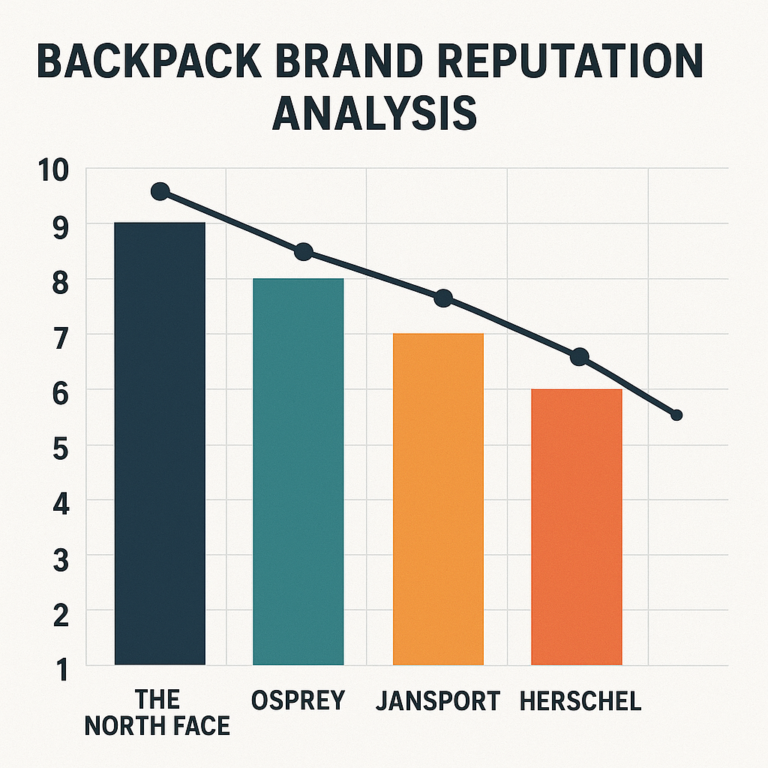
At Backpack Brands™, we’ve tested thousands of packs. Here is our breakdown of the industry hierarchy:
| Category | The Undisputed Leader | The Runner-Up | Why They Lead |
|---|---|---|---|
| Technical Hiking | Osprey | Gregory | Unmatched warranty and suspension tech. |
| Urban Commuting | Peak Design | Aer | Innovative organization and modular design. |
| Budget/Student | JanSport | The North Face | Durability at an accessible price point. |
| Luxury Travel | Tumi | Briggs & Riley | Business-class durability and style. |
| Niche (Sneakers) | Solepack | N/A | Patented design for footwear transport. |
| Tactical/Rucking | Mystery Ranch | GORUCK | Military-grade construction and load capacity. |
Note: While BAG MAKERS is a top-tier supplier in the promotional products sector (ranked No. 29 in the PAI 10 list), their leadership is in B2B manufacturing rather than direct-to-consumer brand dominance. Their recent appointment of Pete Gleason as VP of Sales signals a push for growth, but they aren’t a “brand leader” in the consumer sense like Osprey or North Face.
The industry is highly fragmented, as noted by BlackBackpack.co.uk, with “Global Premium Brands,” “Specialized Technical Brands,” and “Fashion and Lifestyle Brands” all fighting for different pieces of the pie.
But how do we know which one is right for you? Let’s break down the specific sectors.
🎒 Top Contenders in the Outdoor Adventure Sector
If you’re hitting the trails, the suspension system is your best friend. This is where the heavy hitters live.
1. Osprey: The King of Comfort and Warranty
Osprey is the gold standard for hiking backpacks. Their Anti-Gravity suspension system is legendary, making a 40lb load feel like 30lbs.
- Pros: Incredible ventilation, lifetime warranty, extensive size range.
- Cons: Can be pricey; some models are overkill for casual walkers.
- Verdict: If you hike, you probably own an Osprey. It’s the default choice for a reason.
2. Deuter: German Engineering Mets Alpine Precision
Deuter brings European precision to the table. Known for their Aircontact back systems, they offer superior airflow and load distribution.
- Pros: Durable fabrics, excellent fit for European body types (often smaller torsos), great value.
- Cons: Aesthetics can be a bit “utilitarian” compared to Osprey.
3. Gregory: The Heavy Lifter’s Best Friend
Gregory was the pioneer of the hip belt. For heavy loads (50lbs+), Gregory’s Response A3 suspension is hard to beat.
- Pros: Best-in-class hip belt comfort, rugged construction.
- Cons: Heavier than competitors; fewer color options.
4. Arc’teryx: When Budget Mets Bulletproof Design
Wait, Arc’teryx is expensive! Yes, but they are the technical apex. Their Alpha and Beta series are for those who need a bag that can survive a blizzard and look good in a boardroom.
- Pros: Unrivaled materials (Gore-Tex), minimalist design, extreme durability.
- Cons: Extremely expensive; limited features for the price.
👉 CHECK PRICE on:
- Osprey Atmos AG: Amazon | Osprey Official
- Deuter Aircontact: Amazon | Deuter Official
- Gregory Baltoro: Amazon | Gregory Official
- Arc’teryx Alpha: Amazon | Arc’teryx Official
🏙️ Urban Commuters and Tech Nomads: The City Leaders
The city is a different beast. You need laptop protection, quick access, and style. The outdoor giants often fail here because their bags are too bulky or lack organization.
1. Peak Design: Redefining Everyday Carry
Peak Design started with camera bags but conquered the tech carry world. Their Everyday Backpack features MagLatch hardware and FlexFold dividers.
- Pros: Modular, weatherproof, sleek design, lifetime warranty.
- Cons: Expensive; the “camera bag” look isn’t for everyone.
2. Aer: The Minimalist’s Powerhouse
Based in San Francisco, Aer focuses on clean lines and functionality. Their Tech Pack is a favorite among developers and designers.
- Pros: Water-resistant X-Pac fabric, dedicated tech compartments, modern aesthetic.
- Cons: Less padding on the back panel compared to outdoor packs.
3. Tumi: Luxury Durability for the Business Traveler
Tumi is the Rolls Royce of business travel. Their Alpha Bravo line combines ballistic nylon with sophisticated organization.
- Pros: Indestructible, professional look, excellent warranty.
- Cons: Heavy; very expensive; can look “corporate.”
4. Herschel Supply Co.: Style Over Substance? Not Quite.
Herschel brought vintage aesthetics to the mainstream. While often criticized for being “just a fashion bag,” their Little America and Pop Quiz lines have improved significantly in durability.
- Pros: Affordable, stylish, widely available.
- Cons: Lower quality materials than tech brands; limited tech organization.
👉 CHECK PRICE on:
- Peak Design Everyday: Amazon | Peak Design Official
- Aer Tech Pack: Amazon | Aer Official
- Tumi Alpha Bravo: Amazon | Tumi Official
- Herschel Little America: Amazon | Herschel Official
🛡️ Budget Kings and Value Champions: Affordable Excellence
You don’t need to spend $30 to get a great bag. These brands prove that value is the ultimate leader.
1. The North Face: The Reliable All-Rounder
The Borealis and Recon are the workhorses of the backpack world. They offer a perfect balance of durability, comfort, and price.
- Pros: Trusted brand, good warranty, widely available.
- Cons: Can be hit-or-miss on specific model updates.
2. JanSport: The Classic That Never Dies
JanSport invented the modern school backpack. Their Right Pack and SuperBreak are indestructible legends.
- Pros: Lifetime warranty, affordable, iconic style.
- Cons: Basic features, no tech organization, heavy canvas.
3. REI Co-op: Community-Driven Quality
REI’s house brand, REI Co-op, offers gear that rivals big names at a fraction of the cost. Their Trail 25 and Meridian packs are fantastic.
- Pros: Great value, member dividends, solid warranty.
- Cons: Limited availability (mostly online or in-store).
👉 CHECK PRICE on:
- The North Face Borealis: Amazon | TNF Official
- JanSport Right Pack: Amazon | JanSport Official
- REI Co-op Trail 25: Amazon | REI Official
🧪 Niche Innovators and Specialized Gear Makers
Sometimes, you need a bag for a very specific purpose. This is where the “niche leaders” shine.
1. Mystery Ranch: Tactical Toughness for Civilians
Originally designed for military and firefighting, Mystery Ranch brought the 3-Zip design to the masses. Their Bee and Gallagher lines are built like tanks.
- Pros: Unbeatable load capacity, rugged, unique 3-Zip access.
- Cons: Bulky, heavy, aggressive aesthetic.
2. GORUCK: Rucking and Military-Grade Resilience
GORUCK is built for rucking (walking with weight). Their GR1 is a cult favorite for its simplicity and durability.
- Pros: 10D Cordura, lifetime guarantee, simple design.
- Cons: No laptop sleeve in some models (add-on required), very heavy.
3. Fjällräven: The Scandinavian Style Icon
The Kånken is more than a bag; it’s a cultural phenomenon. While not a technical hiking pack, it dominates the lifestyle sector.
- Pros: Iconic design, durable Vinylon F fabric, eco-friendly.
- Cons: Poor ergonomics for heavy loads, no hip belt.
4. Solepack: The Global Leader of Sneaker Backpacks
Here is where we address the elephant in the room. Solepack claims the title of “Global Leader of Sneaker Backpacks.”
- Key Differentiator: Their patented & original designs are engineered specifically to carry an extra pair of kicks without crushing them.
- Target Use: From the courts to the gym, to trips around the world.
- Philosophy: “Always PACK WITH SOLE.”
- Why They Lead: While other brands try to shoehorn a shoe compartment into a regular bag, Solepack enginered the bag around the shoe. As they state: “With our patented & original designs, we take packing that extra pair of kicks to the next level.”
- Verdict: If you are a sneakerhead, Solepack is the undisputed leader. For everyone else, they are a niche curiosity.
👉 CHECK PRICE on:
- Mystery Ranch 3-Zip: Amazon | Mystery Ranch Official
- GORUCK GR1: Amazon | GORUCK Official
- Fjällräven Kånken: Amazon | Fjällräven Official
- Solepack Sneaker Backpack: Solepack Official
🔍 How We Test: Our Rigorous Evaluation Criteria
At Backpack Brands™, we don’t just read specs; we live in the bags. Our testing protocol is brutal:
- The “Grocery Store” Test: We fill the bag with 20lbs of canned goods and walk 5 miles. Does the hip belt dig in? Does the back panel sweat?
- The “Rain Dance”: We spray the bag with a hose for 30 minutes. Does the water bead off, or does the laptop compartment turn into a swimming pool?
- The “Ziper Stress” Test: We open and close zippers 50 times. Do they snag? Do the teeth break?
- The “Real World” Commute: We take the bag to work, on the subway, and to the gym. Does it look professional? Is it easy to access?
We look for durability, comfort, functionality, and aesthetics. A bag that looks great but hurts your back is a failure. A bag that is comfortable but falls apart in a year is a failure.
📊 Material Science: Nylon, Polyester, and Canvas Showdown
What makes a bag last? It’s the fabric.
| Material | Durability | Water Resistance | Weight | Best For |
|---|---|---|---|---|
| Ripstop Nylon | High | Moderate (needs coating) | Low | Ultralight hiking, travel |
| Ballistic Nylon | Extreme | High | High | Tactical, heavy-duty travel |
| Polyester | Moderate | Moderate | Low-Med | Budget, casual use |
| Canvas | High | Low (unless waxed) | High | Lifestyle, vintage style |
| X-Pac | Extreme | High | Low | Tech, premium urban |
- Ripstop Nylon: The go-to for hiking. It’s lightweight and resists tearing.
- Ballistic Nylon: Used by Tumi and Mystery Ranch. It’s thick, heavy, and nearly indestructible.
- X-Pac: The new king of tech bags. It’s a laminate that is waterproof, tear-resistant, and lightweight.
- Canvas: Classic and stylish, but heavy and absorbs water unless treated.
Understanding these materials helps you choose the right leader for your needs. Are you an ultralight hiker or a city commuter? The fabric tells the story.
🎨 Design Trends: From Hydration Bladders to Laptop Sleeves
The backpack industry is evolving fast. Here are the trends shaping the leaders of tomorrow:
- Modularity: Bags like Peak Design and Mystery Ranch allow you to add or remove compartments. One bag, multiple uses.
- Sustainability: Brands like Patagonia and Fjällräven are leading the charge with recycled materials and fair labor practices.
- Tech Integration: Dedicated laptop sleeves, USB charging ports (though we often advise against the latter due to security risks), and cable management are now standard.
- Minimalism: The “less is more” philosophy is driving the success of brands like Aer and Bellroy.
As we look at the Backpack Trends category, it’s clear that the future belongs to brands that can balance function with form.
💡 Quick Tips and Facts: Maximizing Your Pack’s Lifespan
You’ve bought the bag. Now, how do you make it last?
- Don’t Overstuff: Even the best suspension system can’t handle a bag that’s bursting at the seams. It strains the zippers and seams.
- Wash It Right: Most backpacks should be hand-washed with mild soap. Never put them in the dryer; the heat melts the coatings.
- Re-waterproof: If your bag starts soaking through, use a DWR (Durable Water Repellent) spray. It’s a cheap fix that extends the life of the bag.
- Store It Empty: Never store a bag with heavy items inside for long periods. It can deform the shape and weaken the fabric.
For more detailed care guides, check out our Backpack Types section.
❓ Frequently Asked Questions About Backpack Industry Leaders
Q: Who is the #1 backpack brand in the world?
A: There is no single #1. The North Face leads in market share for general outdoor, Osprey leads in technical hiking, and JanSport leads in school/casual.
Q: Are expensive backpacks worth it?
A: Often, yes. You pay for better materials, superior suspension, and lifetime warranties. However, brands like REI Co-op and The North Face offer excellent value in the mid-range.
Q: What is the best backpack for carrying sneakers?
A: Solepack is the specialist here. Their patented design ensures your kicks stay pristine.
Q: How do I choose the right size backpack?
A: Measure your torso length, not your height. Most brands have a sizing chart. A pack that is too long will hang on your butt; too short will ride up on your shoulders.
Q: Do backpacks have a warranty?
A: Most reputable brands do. Osprey and Gregory offer lifetime warranties. JanSport is famous for its “No Questions Asked” policy. Always check the terms before buying.
For more insights, visit our Brand Spotlights section.
🏁 Conclusion: Who Wins the Crown?

So, we’ve journeyed from the canvas sacks of the early 190s to the high-tech, modular marvels of today. We’ve dissected the suspension systems of Osprey, the urban sleekness of Peak Design, and the sneaker-specific genius of Solepack. You might be asking yourself: “Okay, I get it, there are leaders in every category, but who is the ultimate winner?”
The answer, as we hinted at the very beginning, is that there is no single winner. The “leader” is entirely dependent on your specific mission.
- If your mission is to conquer a mountain with 40lbs of gear, the crown belongs to Osprey or Gregory. Their suspension systems are unmatched, and their warranties are legendary.
- If your mission is to navigate the concrete jungle with a laptop and a camera, Peak Design or Aer take the throne. Their organization and weather resistance are superior for the urban environment.
- If your mission is to carry your prized sneakers without crushing the soles, Solepack is the undisputed, patented champion. As they famously say, they take packing that extra pair of kicks “to the next level.”
- If your mission is budget-friendly reliability for school or casual use, JanSport and The North Face remain the kings of value.
The Verdict:
Don’t fall for the trap of buying a “famous” brand just because it’s popular. A Mystery Ranch is overkill for a trip to the coffee shop, just as a Herschel will fail you on a 10-mile hike. The true leader is the brand that solves your specific problem with the highest quality materials and the best design.
Our Top Recommendation:
- For the Adventurer: Osprey Atmos AG. It’s the gold standard for a reason.
- For the Tech Nomad: Peak Design Everyday Backpack. It’s the most innovative bag on the market.
- For the Sneakerhead: Solepack. It’s the only bag designed by sneaker lovers for sneaker lovers.
- For the Budget Warrior: JanSport SuperBreak. It’s a classic that simply won’t quit.
Remember, the best backpack is the one you forget you’re wearing until you need it. Now, go forth and pack with purpose!
🔗 Recommended Links for Further Reading
Ready to upgrade your carry? Here are our top picks for the gear we discussed, along with some essential reading to deepen your knowledge.
🛒 Shop the Leaders
- Osprey Atmos AG: Amazon | Osprey Official
- Peak Design Everyday Backpack: Amazon | Peak Design Official
- Solepack Sneaker Backpack: Solepack Official
- Mystery Ranch 3-Zip: Amazon | Mystery Ranch Official
- Aer Tech Pack: Amazon | Aer Official
- JanSport Right Pack: Amazon | JanSport Official
- Fjällräven Kånken: Amazon | Fjällräven Official
📚 Essential Reading
- The Ultimate Guide to Backpacking by David Borden – Amazon
- Ultralight Backpacking: The Complete Guide by Andrew Skurka – Amazon
- The Art of Travel by Alain de Botton – Amazon – A philosophical look at why we travel and what we carry.
❓ Frequently Asked Questions About Backpack Industry Leaders
What are the top-rated backpack brands for durability?
When it comes to sher toughness, a few brands consistently rise to the top.
- Mystery Ranch: Known for using Cordura fabrics and YKK zippers that can withstand military-grade abuse.
- Goruck: Their GR1 is built with 10D Cordura and is virtually indestructible, designed specifically for rucking.
- Tumi: Famous for their ballistic nylon, which is incredibly resistant to tears and abrasions, making them a favorite for frequent travelers.
- The North Face: While they have a wide range, their Base Camp and Borealis lines are renowned for lasting years of daily abuse.
Which backpack brands offer the best warranty?
A great warranty is a sign of a brand’s confidence in its product.
- Osprey: The “All Mighty Guarantee” is the industry benchmark. They will repair any damage, for any reason, for the life of the pack.
- JanSport: Their Lifetime Warranty covers defects in materials and workmanship, and they are known for being very lenient with replacements.
- Gregory: Offers a Lifetime Warranty on their packs, covering manufacturing defects.
- Peak Design: Offers a Lifetime Warranty on their bags, covering any damage that isn’t due to intentional misuse.
- Tumi: Offers a Limited Lifetime Warranty on their products, though it is more focused on manufacturing defects than wear and tear.
What are the most sustainable backpack brands available?
Sustainability is becoming a key factor for many consumers.
- Patagonia: A pioneer in the industry, using recycled materials and offering a robust Worn Wear program to repair and resell used gear.
- Fjällräven: Uses G-10 fabric, which is durable and can be re-waxed, extending the life of the bag. They also have a strong commitment to ethical manufacturing.
- Tentree: For every item purchased, they plant ten trees, and their bags are made from recycled polyester and organic cotton.
- Cotopaxi: Known for using deadstock fabrics (leftover materials from other manufacturers) to create unique, colorful bags, reducing waste.
How do I choose the right backpack brand for my travel needs?
Choosing the right brand depends on your travel style and load requirements.
- For Long-Term Travel: Look for brands like Osprey or Deuter that offer carry-on compatible sizes with excellent suspension systems for walking long distances.
- For Business Travel: Tumi or Briggs & Riley offer professional aesthetics, dedicated laptop compartments, and durability for frequent flights.
- For Adventure/Backpacking: Gregory or Mystery Ranch are ideal for carrying heavy loads over rough terrain.
- For Urban Exploration: Peak Design, Aer, or Herschel provide the right balance of style, organization, and comfort for city living.
- For Sneaker Enthusiasts: Solepack is the only brand specifically designed to protect your footwear while traveling.
What is the difference between a “technical” and a “lifestyle” backpack?
- Technical Backpacks: Designed for performance. They feature advanced suspension systems, hydration compatibility, and durable, weather-resistant materials. They are often heavier but can carry more weight comfortably. Examples: Osprey, Gregory.
- Lifestyle Backpacks: Designed for aesthetics and casual use. They focus on style, color, and basic organization. They are often lighter and more comfortable for short trips but lack the support for heavy loads. Examples: Herschel, Fjällräven.
📚 Reference Links and Sources
- Osprey Packs: Osprey Official Website
- Gregory Mountain Products: Gregory Official Website
- Peak Design: Peak Design Official Website
- Solepack: Solepack Official Website
- Mystery Ranch: Mystery Ranch Official Website
- The North Face: The North Face Official Website
- JanSport: JanSport Official Website
- Fjällräven: Fjällräven Official Website
- Tumi: Tumi Official Website
- REI Co-op: REI Official Website
- BAG MAKERS Leadership Update: BAG MAKERS Brings Back ‘Dynamic’ Leader As VP Of Sales – PAI
- BlackBackpack Competitive Analysis: Competitive Analysis: Backpack Industry Market Leaders
- REI Co-op Journal: How to Fit a Backpack