Support our educational content for free when you purchase through links on our site. Learn more
What Is Another Type of Backpack? 🎒 24 Styles Explained

A hiking backpack, travel pack, laptop bag, sling, or hydration pack are all different types of backpack. The best alternative to a standard daypack depends on what you carry, where you’re going, and how long you’ll wear it.
We’ve found that the difference becomes obvious once a bag is loaded. A lightweight sling is handy for a phone and keys, but add a water bottle, jacket, and tablet, and those two shoulder straps suddenly seem like a brilliant invention.
From everyday and school bags to technical hiking and travel packs, this guide compares 24 backpack styles, their best uses, and the features worth checking before you choose.
Key Takeaways
- “Another type of backpack” could mean a pack designed for a specific job, such as commuting, hiking, travel, photography, or carrying a laptop.
- Choose for your real routine, not the longest feature list. Capacity, comfort, fit, and access matter more than extra pockets you’ll never use.
- A daypack suits light everyday carry; a hiking or backpacking pack offers more support for outdoor loads.
- Water-resistant doesn’t always mean waterproof, and carry-on backpack dimensions aren’t guaranteed to meet every airline’s rules.
- The right backpack should feel comfortable when loaded and keep the items you use most easy to reach.
Table of Contents
- ⚡️ Quick Tips and Facts: Backpack Types at a Glance
- 🎒 What Does “Another Type of Backpack” Mean?
- 📜 A Brief History of Backpack Designs
- 🧭 Backpack Types by Shape, Carry Style, and Purpose
- Everyday, School, and Work Backpack Types
- 1. Classic Daypack
- 2. Laptop Backpack
- 3. School Backpack
- 4. Comuter Backpack
- 5. Sling Backpack
- 6. Drawstring Backpack
- 7. Mini Backpack
- Travel and Carry-On Backpack Types
- 8. Travel Backpack
- 9. Carry-On Backpack
- 10. Backpacking Travel Pack
- 11. Convertible Backpack
- 12. Anti-Theft Backpack
- Hiking and Outdoor Backpack Types
- 13. Hiking Daypack
- 14. Backpacking Pack
- 15. Hydration Pack
- 16. Climbing Backpack
- 17. Ski and Snowboard Backpack
- 18. Tactical Backpack
- Specialty Backpack Types for Specific Needs
- 19. Camera Backpack
- 20. Diaper Backpack
- 21. Rolling Backpack
- 22. Dry Bag Backpack
- 23. Bike Comuter Backpack
- 24. Lunch Backpack
- 📏 Backpack Capacity, Sizes, and Fit Explained
- How Backpack Volume Is Measured
- Choosing a Backpack Size for Your Activities
- How to Fit and Adjust a Backpack
- 🧵 Backpack Materials, Features, and Construction
- Common Backpack Fabrics and Water Resistance
- Straps, Back Panels, Frames, and Suspension
- Pockets, Closures, and Organization Features
- ⚖️ Backpack Types Compared: Pros, Cons, and Best Uses
- 🛒 How to Choose the Right Backpack Type for You
- Match the Pack to Your Daily Routine or Trip
- Prioritize Comfort, Capacity, and Access
- Set a Practical Budget and Check the Warranty
- Common Backpack-Buying Mistakes to Avoid
- 🧼 Backpack Care, Cleaning, and Repair
- 🌱 Sustainable Backpack Materials and Ethical Choices
- ✅ Conclusion
- 🔗 Recommended Links
- ❓ FAQ: Backpack Types and Uses
- 📚 Reference Links
⚡️ Quick Tips and Facts: Backpack Types at a Glance
The short answer to “What is another type of backpack?” is: there are many, and the right one depends on what you carry and where you’re going. For a broader roundup, see our guide to How Many Types of Backpacks Are There? 🎒 32 Styles and browse our backpack types.
| Backpack type | Best for | Main trade-off |
|---|---|---|
| Daypack | Daily errands and short outings | Less support for heavy loads |
| Laptop backpack | Work, school, and commuting | Protective padding can add weight |
| Hiking backpack | Trails and outdoor day trips | More straps and structure than you need for the office |
| Backpacking pack | Multi-day trips and heavier loads | Larger and less convenient in crowds |
| Travel backpack | Trips where organized packing matters | Can feel bulky as an everyday bag |
| Sling backpack | Light carry and quick access | Usually less comfortable when heavily loaded |
| Hydration pack | Running, cycling, and short hikes | Limited space for non-hydration gear |
- Start with the job, not the label. “Outdoor,” “travel,” and “commuter” are useful clues, but capacity, fit, and load support tell you more.
- A larger backpack is not automatically a better backpack. Extra volume can encourage overpacking and make the bag awkward to carry.
- For hiking, comfort matters as much as capacity. Shoulder straps, a hip belt, ventilation, and a suitable frame all affect how a pack carries.
- Rain-resistant is not the same as waterproof. Fabric coatings and zippers offer varying levels of protection; a rain cover or dry bag may still be needed.
- Fit the pack with the load you expect to carry. An empty bag in a shop can feel very different once it’s carrying a laptop, lunch, water, or overnight gear.
The JanSport backpack guide makes a practical point: “A backpack is more useful when you have the right one for the job.” We agree—but what counts as “right” changes dramatically between a train commute and a steep trail.
🎒 What Does “Another Type of Backpack” Mean?
If you’re asking for another kind of backpack beyond a standard school or day bag, you might mean a pack designed around a specific activity, carry style, or load. A hiking pack, sling bag, travel backpack, and laptop backpack may all have two shoulder straps, but their designs solve different problems.
A useful way to sort backpack styles is by three questions:
- What are you carrying? A laptop needs padding; wet gear needs water-resistant storage; a multi-day hiking load needs load support.
- How long are you carrying it? A short walk may call for a compact daypack; several hours under load calls for better suspension and fit.
- Where will you use it? A streamlined commuter bag works in crowded transit. A framed trekking pack is happier on a trail than under a café table.
For instance, our reviewers have used simple daypacks for quick grocery runs and more structured packs for long walks where water, layers, and food add up. The difference isn’t just “more pockets.” It’s how the bag distributes weight, protects its contents, and moves with you.
Quick distinction: “Backpack” describes the broad format; terms like daypack, rucksack, travel pack, and hydration pack narrow down the intended use. For more style and category guides, explore Backpack Brands™ Backpack Types.
📜 A Brief History of Backpack Designs

Backpacks developed from the simple need to carry belongings hands-free. Over time, materials, frames, and suspension systems changed the kinds of loads people could carry comfortably. Modern designs range from lightweight city bags to technical packs built to move gear over rugged terrain.
A useful distinction is between the pack’s purpose and its carrying system. Two hiking backpacks might serve the same activity but differ in construction: one may have a robust internal frame for substantial loads, while another may be frameless and intended for a lighter, carefully packed load.
The supplied summary of the featured video describes four broad construction styles:
| Construction style | What it prioritizes | Typical advantage | Typical compromise |
|---|---|---|---|
| Traditional framed | Carrying heavier loads comfortably | Supportive suspension and structure | Often heavier and bulkier |
| Ultralight | Reducing pack weight | Less weight to carry | May sacrifice features or durability |
| Frameless | Minimal structure and weight | Simple, lightweight design | Load comfort depends heavily on packing and total weight |
| Hybrid | Balancing support and reduced weight | Mix of structure and simplicity | Performance varies by design |
The video’s useful nuance is that “a lot of ultralight packs still have frames or stays that work to shift the weight to your hips.” Ultralight does not always mean frameless. Another claim in the summary says frameless packs “save weight by eliminating the stiff, heavy frame.” Those descriptions are compatible: one refers to some ultralight designs, the other to frameless packs specifically.
The video is available at #featured-video. Its central lesson is sound: the best pack depends on your preferences, trip length, and anticipated load. For more gear perspectives, browse Backpack Trends and Backpack Reviews.
🧭 Backpack Types by Shape, Carry Style, and Purpose
A backpack’s category usually signals its intended use—not a guarantee that it will fit your body or routine. Here’s how the most common designs differ.
Everyday, School, and Work Backpack Types
These packs are built for shorter carries, regular access, and a mix of everyday items. Look for comfortable straps, useful organization, and a size that fits your commute or classroom routine.
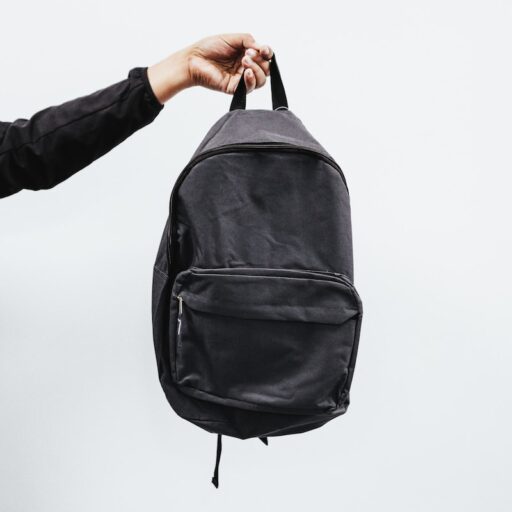
1. Classic Daypack
A daypack is a general-purpose backpack for daily essentials, errands, day trips, or light outdoor use. Many include a main compartment, smaller organizer pockets, and a sleeve for a tablet or laptop.
- Best for: Everyday carry, short outings, and light loads.
- Look for: Padded shoulder straps, a water-bottle pocket, and a shape that doesn’t feel oversized.
- Drawback: A simple daypack may lack the hip belt or frame needed for heavier loads.
A classic daypack is often the sensible “one bag” choice when your needs are ordinary—but if your ordinary day includes a laptop, lunch, gym clothes, and a water bottle, a more specialized commuter bag may serve you better.
2. Laptop Backpack
A laptop backpack includes a dedicated compartment intended to keep a computer separate from other items. Padding and a snug fit matter, but don’t assume every laptop sleeve offers the same level of impact protection.
- Best for: Students, office workers, and people who carry electronics daily.
- Look for: A suspended or well-padded laptop compartment, comfortable straps, and weather-resistant fabric.
- Drawback: Extra padding and organization can add weight and reduce the main compartment’s usable space.
Before buying, check your device’s actual dimensions against the compartment rather than relying only on a screen-size label. Brands such as Osprey and JanSport offer multiple everyday and laptop-friendly designs.
3. School Backpack
School backpacks typically combine a roomy main compartment with quick-access pockets and sometimes a laptop sleeve. For younger students, a manageable loaded weight and a good fit matter more than a bag’s number of pockets.
- Best for: Books, school supplies, and everyday student carry.
- Look for: Broad, adjustable shoulder straps, sturdy stitching, and organization that matches the student’s routine.
- Drawback: A large bag can become an invitation to haul around unnecessary books and gear.
JanSport’s Big Student is one example of a student-focused design, with multiple compartments. The right choice still depends on how much your student actually carries and whether the bag fits comfortably.
4. Comuter Backpack
A commuter backpack is designed for travel between home, work, and other daily stops. It may include a laptop section, smaller organizer pockets, reflective details, or a luggage pass-through.
- Best for: Public transit, cycling to work, and office commutes.
- Look for: Easy-to-reach essentials, secure closures, weather protection, and a profile that moves comfortably through crowds.
- Drawback: Some highly organized designs can feel overbuilt if you carry only a few items.
If you ride a bike, consider a stable fit and visibility features. If you take the train, a slimmer profile and easy-access transit essentials may matter more. There’s no prize for carrying a bag that’s prepared for every possible disaster—especially if it bangs into everyone on the platform.
5. Sling Backpack
A sling pack usually has one shoulder strap and can be rotated around the body for access. It’s handy for a phone, wallet, keys, snacks, and a few small essentials.
- Best for: Short outings, sightseeing, and light carry.
- Look for: A secure strap, comfortable padding, and enough room for your actual essentials.
- Drawback: A single shoulder can become uncomfortable under a heavy load.
Sling designs trade symmetrical weight distribution for quick access and a compact feel. If you expect to carry a tablet, water, and a jacket for hours, a two-strap backpack will usually feel better.
6. Drawstring Backpack
A drawstring backpack is a lightweight sack that closes by pulling its shoulder cords. It packs flat and works well for spare clothes, gym shoes, or a quick trip to the pool.
- Best for: Very light loads, gym use, and packable backup storage.
- Look for: Reinforced corners and cords that don’t dig into your shoulders.
- Drawback: Limited structure, organization, and support make it a poor choice for heavy daily loads.
It’s the backpack equivalent of a tote you can fold into a pocket: useful, simple, and not designed to carry your entire life.
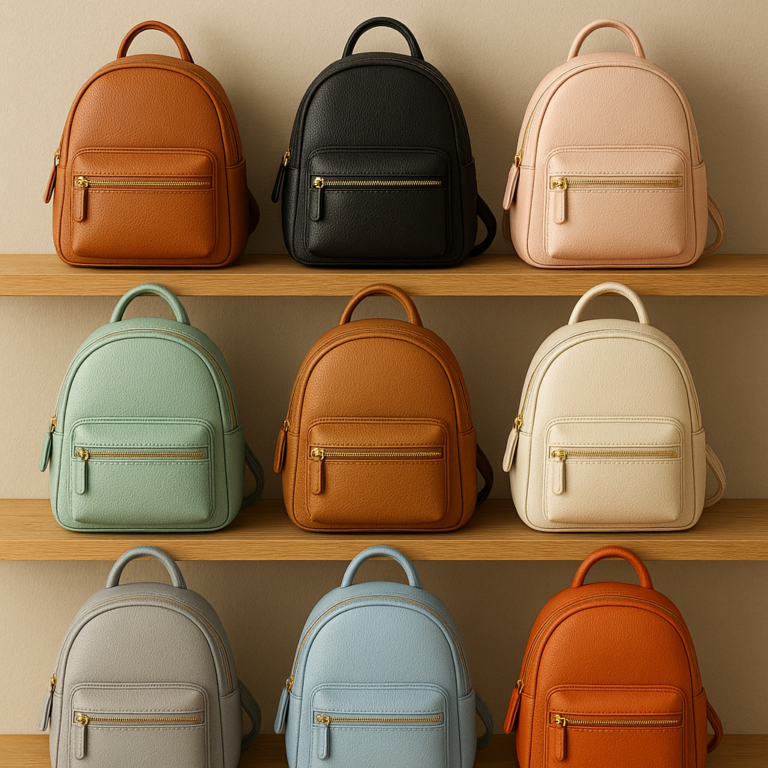
7. Mini Backpack
A mini backpack offers compact storage for a small number of essentials. It can be useful for concerts, sightseeing, or light everyday carry where a full-size bag feels like overkill.
- Best for: Minimal carry, outings, and settings with bag-size rules.
- Look for: Secure zippers, comfortable straps, and enough room for the items you truly need.
- Drawback: Small capacity can make bulky items or water bottles difficult to fit.
JanSport’s Clear Mini Pack is one example of a see-through mini style. Always check a venue’s current bag policy before heading out; clear-bag requirements vary.
Travel and Carry-On Backpack Types
Travel backpacks often prioritize access, organization, and comfortable carrying through stations or airports. Before choosing one, check the airline’s current baggage rules: carry-on size limits vary by airline and ticket type, so a “carry-on backpack” label is not a promise of universal compliance. See the U.S. Department of Transportation’s baggage guidance.
8. Travel Backpack
A travel backpack is designed to organize clothing and trip essentials, often with multiple compartments or easier access than a basic daypack.
- Best for: Trips where you want to carry your luggage on your back.
- Look for: Comfortable straps, lockable zipper pulls where appropriate, practical organization, and dimensions that fit your travel plans.
- Drawback: A large travel pack can be inconvenient on crowded transit or when used as an everyday bag.
Some designs open like a suitcase, which makes packing easier than digging to the bottom of a top-loading bag. The JanSport Good Latitude Travel Pack is one example of a travel-focused pack with organization features. Verify product specifications and airline rules before traveling.
9. Carry-On Backpack
A carry-on backpack is intended to fit within an airline’s permitted cabin-bag dimensions. That phrase describes a goal, not a universal size standard.
- Best for: Travelers seeking hands-free cabin luggage.
- Look for: Published dimensions, a comfortable harness, easy packing access, and a shape that fits your airline’s current rules.
- Drawback: Overpacking can make a nominaly compliant bag too full or awkward to fit in a sizer.
Before flying: check your airline’s personal-item and carry-on limits, then measure the packed bag—including any bulging pockets. Rules can differ between carriers and change over time.
10. Backpacking Travel Pack
A backpacking travel pack combines luggage-style organization with backpack straps, often for trips involving frequent movement between destinations. Some have a stowaway harness or detachable daypack.
- Best for: Travelers moving between hostels, transit, and multiple stops.
- Look for: A supportive harness, practical access, manageable weight, and a way to protect the straps during transport.
- Drawback: Travel organization and a substantial harness may add bulk.
For a trip with long walks between accommodation and transit, fit is not a bonus feature. It’s the difference between arriving ready to explore and arriving ready to negotiate with your shoulders.
11. Convertible Backpack
A convertible backpack can switch between backpack carry and another style, commonly a duffel or shoulder bag.
- Best for: Travelers who want flexibility between transit and destination use.
- Look for: Straps that stow securely, durable attachment points, and a conversion system that’s easy to use.
- Drawback: Extra straps and hardware may add complexity without improving the bag’s core function.
Try converting it while the bag is loaded. A clever design is only clever if you can use it without wrestling the bag in a hotel lobby.
12. Anti-Theft Backpack
Anti-theft backpacks may use lockable zippers, hidden pockets, slash-resistant materials, or other security-oriented details.
- Best for: Urban travel and crowded transit.
- Look for: A secure closure system you’ll actually use and pockets that keep valuables out of casual reach.
- Drawback: Security features can add weight and do not make belongings theft-proof.
Treat these features as deterrents, not guarantees. Keep valuables close, avoid leaving a bag unattended, and follow local travel-safety advice. For broader design inspiration, see Backpack Trends.
Hiking and Outdoor Backpack Types
Outdoor backpacks are built around the demands of trails and changing conditions. Some are simple and lightweight; others have a supportive frame, hip belt, ventilation, and attachment points for equipment.
The JanSport guide recommends looking for outdoor features such as durable materials, water-bottle pockets, and a comfortable carry system. Its example, the Agave Backpack, includes a breathable mesh back panel, water-bottle pockets, and support straps. Features are helpful, but fit and intended load should guide the decision.
13. Hiking Daypack
A hiking daypack is intended for supplies carried on a day hike: water, food, an extra layer, navigation tools, and small essentials.
- Best for: Day walks and short hikes.
- Look for: A comfortable harness, water access, useful exterior pockets, and a hip belt if you’ll carry a heavier load.
- Drawback: A compact daypack usually lacks the capacity and load support for overnight gear.
A ventilated back panel can help reduce that sticky-back feeling, though it may also hold the load a little farther from your body. Comfort depends on the design and your fit—not a single feature name.
14. Backpacking Pack
A backpacking pack is designed to carry equipment for overnight or multi-day trips. Many use a frame and hip belt to transfer part of the load from the shoulders to the hips.
- Best for: Overnight hikes and longer trips with substantial gear.
- Look for: Torso fit, an adjustable suspension, a supportive hip belt, and capacity suited to your equipment.
- Drawback: A technical pack may be excessive for short walks and can feel bulky in everyday settings.
The featured video summary describes traditional framed packs as being designed to carry “big and heavy loads as comfortably as possible.” That’s a useful description of the design goal, not a guarantee that every framed pack suits every user. A poorly fitted frame can still be uncomfortable.
15. Hydration Pack
A hydration pack carries water in a reservoir, with a hose for drinking while moving. Many are compact, while some larger models have room for extra layers and snacks.
- Best for: Running, cycling, and short hikes where easy water access matters.
- Look for: A reservoir that’s easy to clean, a secure hose route, and enough room for your other essentials.
- Drawback: Reservoirs take cleaning and drying, and a small pack may not fit much else.
A hydration pack makes sipping easier, but it doesn’t remove the need to plan how much water your route requires. Check conditions and water availability before heading out.
16. Climbing Backpack
A climbing backpack is designed to carry climbing equipment and may include a streamlined shape, gear loops, or a rope-carrying system.
- Best for: Carrying climbing gear between the trailhead and a climbing area.
- Look for: Durable construction, stable carry, and features suited to your equipment.
- Drawback: A climbing-specific design may be less convenient for general daily use.
A climbing pack is not automatically a technical safety device. Use certified climbing equipment for protection, and follow the gear maker’s instructions.
17. Ski and Snowboard Backpack
Ski and snowboard packs may carry equipment, layers, water, and sometimes winter-safety tools. Designs vary widely depending on whether they’re intended for resort use or backcountry travel.
- Best for: Carrying winter essentials and, on some models, skis or a snowboard.
- Look for: Secure carry straps, weather-resistant construction, and an appropriate fit over winter clothing.
- Drawback: Backcountry-oriented features may be unnecessary for resort days.
For backcountry travel, a backpack alone does not make a trip safe. Training, route planning, and appropriate safety equipment are essential; consult qualified local guidance before traveling in avalanche terrain.
18. Tactical Backpack
Tactical-style backpacks often use durable fabric, webing, and modular attachment points. The name refers to a design style, not necessarily to a particular professional use.
- Best for: Users who value rugged construction and customizable external storage.
- Look for: Strong stitching, comfortable straps, and attachment points you have a real use for.
- Drawback: Extra webing and rugged styling can add weight and bulk.
Before choosing one, ask whether the modular features solve a real problem. If not, a simpler backpack may be lighter and easier to organize.
Specialty Backpack Types for Specific Needs
Specialty packs solve narrower problems. They can be excellent when those needs match your routine—and unnecessarily complicated when they don’t.
19. Camera Backpack
Camera backpacks use padded, configurable dividers to protect and organize cameras, lenses, and accessories.
- Best for: Photographers carrying fragile gear.
- Look for: Adjustable dividers, reliable access, weather protection, and a fit that remains comfortable when loaded.
- Drawback: Camera padding can leave less room for ordinary items.
Brands such as Lowepro specialize in camera-carry solutions. For expensive gear, check how the bag’s compartment opens and whether you can safely access equipment in your typical shooting environment.
20. Diaper Backpack
A diaper backpack organizes baby-care items for hands-free carrying. Common features include wipe-access pockets, insulated bottle storage, and a changing pad.
- Best for: Caregivers carrying supplies for babies or toddlers.
- Look for: Easy-clean materials, pockets sized for your routine, and comfortable straps.
- Drawback: Specialized compartments may be less useful after your diaper-bag days.
The best layout is the one that lets you find the spare outfit before the situation becomes a full-scale wardrobe emergency.
21. Rolling Backpack
A rolling backpack combines shoulder straps with wheels and a pull handle.
- Best for: Carrying heavier loads across smooth surfaces, with the option to switch to shoulder carry.
- Look for: Stable wheels, a comfortable handle, and straps that stay out of the way while rolling.
- Drawback: Wheels and frames add weight and are less convenient on stairs, rough paths, or crowded spaces.
A rolling bag can reduce the need to carry its full load on your back, but it still has to be lifted sometimes. Test those stairs before committing.
22. Dry Bag Backpack
A dry bag backpack uses a roll-top or other sealing closure to help protect contents from water. Protection varies by design and construction.
- Best for: Boating, wet-weather activities, and carrying gear near water.
- Look for: Clear waterproofing claims, sealed seams where applicable, and a closure you can secure correctly.
- Drawback: Some dry bags offer little organization or back support.
Don’t assume every “water-resistant” bag is submersible—or that every dry bag backpack has a comfortable harness for long walks. Match the protection claim to the conditions you expect.
23. Bike Comuter Backpack
A bike commuter backpack is designed to stay stable while cycling and carry everyday items such as a laptop, spare layer, and repair kit.
- Best for: Riding to work, school, or errands.
- Look for: A close, stable fit, reflective details, weather protection, and straps that don’t interfere with movement.
- Drawback: A less ventilated pack can make your back warmer during hard rides.
Some cyclists prefer panniers for heavier loads, while others like keeping belongings attached to their body. The better option depends on your bike, route, and load.
24. Lunch Backpack
A lunch backpack includes insulated storage for food or drink, sometimes alongside a regular storage compartment.
- Best for: Work, school, picnics, and day trips where keeping food organized matters.
- Look for: A leak-resistant lining, easy cleaning, and a layout that separates food from electronics.
- Drawback: Insulation can reduce usable space and add weight.
For food safety, follow guidance on keeping perishable foods at safe temperatures. The USDA’s food-safety guidance is more reliable than hoping your sandwich survives the afternoon through sheer optimism. 🍎
📏 Backpack Capacity, Sizes, and Fit Explained
A backpack’s capacity is often expressed in liters, but volume alone does not tell you how a bag will carry. Two bags with similar listed capacity can differ in shape, access, pockets, and fit.
How Backpack Volume Is Measured
Manufacturers commonly state capacity in liters. The published number can include different compartments or vary according to the maker’s measurement method, so compare product specifications rather than treating every figure as perfectly standardized.
| General capacity range | Often suited to | What to keep in mind |
|---|---|---|
| Small | Minimal daily carry, mini bags, some hydration packs | Limited room for layers or bulky items |
| Medium | Daily use, commuting, many day hikes | Organization and shape matter as much as volume |
| Large | Travel or overnight gear | Can become cumbersome when full |
| Extra-large | Multi-day or specialized equipment | Requires careful attention to fit and load management |
These are broad shopping categories, not universal rules. A compact bag with a wide main compartment may hold bulky items better than a larger but narrow one.
Choosing a Backpack Size for Your Activities
Use this step-by-step method instead of buying by liters alone:
- List your usual cargo. Include water, a laptop, lunch, extra clothes, or activity-specific equipment.
- Separate daily essentials from occasional gear. If you need extra capacity only twice a year, don’t automatically carry it every day.
- Consider the shape of your items. A laptop, camera, or bulky jacket may determine the bag’s dimensions more than its stated volume.
- Check compartments and access. Top-loading bags, panel-loading bags, and suitcase-style travel packs use space differently.
- Test it loaded. Put in the weight you expect to carry and adjust the straps before judging comfort.
A pack should hold your actual kit without requiring a wrestling match at the zipper. If it only closes when you sit on it, your packing plan may need a review.
How to Fit and Adjust a Backpack
Fit matters most when a backpack carries a meaningful load for a long time. For hiking packs, check torso fit and hip-belt placement; for everyday bags, make sure the straps sit comfortably and the bag doesn’t swing excessively.
Step-by-step adjustment
- Losen the straps before putting on a loaded pack.
- Place the bag on both shoulders and position it comfortably against your back.
- Tighten the shoulder straps so the pack sits securely without digging in.
- Fasten the sternum strap, if present, and adjust it so it stabilizes the shoulder straps without restricting breathing.
- Fasten and adjust the hip belt, if present. On a supportive hiking pack, it should sit in the intended position and carry part of the load—not simply hang loosely.
- Walk, bend, and reach. Check for rubbing, shifting, pressure points, or blocked movement.
- Repack and try again. Poorly placed heavy items can make even a well-fitted pack feel awkward.
Backpack fit varies by body and design. When in doubt, consult the manufacturer’s fitting instructions or ask an experienced outdoor retailer to help you adjust a technical pack.
🧵 Backpack Materials, Features, and Construction
Materials and construction affect durability, weight, weather protection, and comfort. A durable fabric can still be let down by weak stitching or a poor zipper, so inspect the whole build.
Common Backpack Fabrics and Water Resistance
Common backpack materials include nylon and polyester, often with coatings or treatments intended to improve water resistance. The result depends on fabric, seams, closures, and construction.
| Feature or material detail | Potential benefit | What to check |
|---|---|---|
| Water-resistant coating | Helps shed light moisture | Coating condition and zipper design |
| Rain cover | Adds an extra layer during wet weather | Whether it’s included and fits securely |
| Reinforced panels | Can help protect high-wear areas | Stitching and fabric quality |
| Recycled fabric | Can reduce reliance on virgin material | Published material and certification details |
Water-resistant does not necessarily mean waterproof. If dry contents matter, use an appropriate rain cover or waterproof inner bag and check the manufacturer’s specific claims.
Straps, Back Panels, Frames, and Suspension
A backpack’s suspension system includes the parts that connect the load to your body: straps, back panel, frame, and sometimes a hip belt.
- Shoulder straps: Should feel comfortable under the expected load and adjust without slipping.
- Sternum strap: Helps stabilize shoulder straps on some designs.
- Hip belt: Useful when the bag is designed to transfer part of the load to your hips.
- Back panel: May emphasize cushioning, airflow, or close contact with the load.
- Frame or stays: Add structure and support, particularly for heavier or longer-distance carrying.
The featured video summary describes traditional packs as built for substantial loads and notes that some ultralight packs still include frames or stays. That’s why “lightweight” and “frameless” are not synonyms. Look at the construction details, not just the label.
Pockets, Closures, and Organization Features
Pockets help only when they match what you carry. A laptop sleeve, bottle pocket, hidden security pocket, or quick-access top pocket can be genuinely useful—but unnecessary features add complexity.
Before buying, ask:
- Can you reach frequently used items without unpacking the whole bag?
- Does the laptop compartment fit your device securely?
- Are bottle pockets deep and secure enough for your bottle?
- Do zippers move smoothly and close reliably?
- Are external straps useful for your gear, or likely to snag?
A well-organized bag can save time, but don’t let the pocket count become a personality test. The simplest pack that fits your routine is often the easiest to live with.
⚖️ Backpack Types Compared: Pros, Cons, and Best Uses
Here’s a quick comparison of the main pack families. “Best” depends on your typical load, carrying time, and environment.
| Type | Comfort under heavier loads | Quick access | Weather or activity specialization | Most suitable use |
|---|---|---|---|---|
| Daypack | Low to moderate | Moderate | Low | Everyday essentials and short outings |
| Laptop backpack | Moderate | High | Low to moderate | Work and school electronics |
| Sling backpack | Low for heavy loads | High | Low | Light, quick-access carry |
| Travel backpack | Moderate to high | Moderate | Moderate | Trips with organized luggage |
| Hiking daypack | Moderate | Moderate | Moderate to high | Day hikes and outdoor use |
| Backpacking pack | High when correctly fitted | Low to moderate | High | Overnight and multi-day hiking |
| Hydration pack | Low to moderate | High for water | Activity-specific | Running, cycling, short hikes |
| Dry bag backpack | Varies by harness | Low to moderate | High for wet conditions | Water-adjacent activities |
| Rolling backpack | High on wheels; low when carried | Moderate | Low | Heavy loads on smooth surfaces |
Comfort ratings are relative, not lab results. A light sling may be comfortable for a few essentials, while a framed backpacking pack may be much more comfortable under a heavier load—if it fits properly.
The JanSport article groups backpacks by use, including school, work, travel, outdoor, and mini styles. The video summary instead groups hiking packs by construction—traditional, ultralight, frameless, and hybrid. These sources are describing different layers of the same subject: activity categories answer what you’ll use the bag for; construction categories explain how it carries the load.
🛒 How to Choose the Right Backpack Type for You
Start with your routine, then narrow the choice by capacity, fit, and features. You don’t need one bag to be perfect for every possible activity; you need one that performs well for the activities you actually do.
Match the Pack to Your Daily Routine or Trip
Ask yourself:
- Where will you carry it? Office, classroom, city streets, trails, airport, or wet-weather routes?
- How long will it stay on your back? A brief walk and an all-day hike have different comfort demands.
- What needs protection? Electronics, cameras, food, or spare clothing may need dedicated storage.
- How often do you need quick access? Comuters and photographers may value accessible pockets more than traditional top-loading designs.
- Will you carry it on a bike or through crowds? Stability and profile may matter more than maximum capacity.
A backpack that works beautifully for a campus commute may be a nuisance on a steep trail. Likewise, a technical hiking pack can be a lot of bag for a laptop and a sandwich.
Prioritize Comfort, Capacity, and Access
When choosing between two similar bags, consider these in order:
- Fit and comfort: Especially important for long carries or heavy loads.
- Capacity: Choose enough room for your routine without excessive empty space.
- Access: Think about whether you prefer top-loading, panel-loading, or multiple compartments.
- Protection: Match water resistance and padding to the items you carry.
- Durability: Check fabric, stitching, zippers, and stress points.
- Weight and features: A feature is useful only if you will use it.
For more brand-focused advice, check Backpack Brands™ Brand Spotlights and Backpack Reviews.
Set a Practical Budget and Check the Warranty
We’re leaving prices out because models and availability change, but the buying logic is steady: compare build quality, warranty terms, repair options, and the features you’ll use.
- Read the manufacturer’s warranty and care terms.
- Check whether repairs are available in your region.
- Inspect reviews for recurring reports about straps, zippers, and stitching.
- Verify that the model’s dimensions and compartment layout match your needs.
A warranty can provide peace of mind, but it doesn’t replace a good fit—or careful use.
Common Backpack-Buying Mistakes to Avoid
❌ Choosing the biggest bag “just in case.” Large bags can encourage unnecessary packing and feel awkward when half-empty.
❌ Buying by appearance alone. A sleek bag may still have uncomfortable straps or a poorly placed laptop sleeve.
❌ Assuming water-resistant means waterproof. Check the specific product claims and protect sensitive items accordingly.
❌ Ignoring fit. Technical packs especially should be adjusted and tested under load.
❌ Believing a category name guarantees performance. “Travel,” “tactical,” and “outdoor” describe intended use, not universal quality standards.
✅ The better approach: pack your typical load, test the fit, and compare features that solve real problems.
🧼 Backpack Care, Cleaning, and Repair
A little care helps a backpack last longer. Follow the manufacturer’s instructions first; cleaning methods vary by fabric, coating, and construction.
A simple care routine
- Empty every compartment and shake out crumbs or grit.
- Spot-clean with mild soap and a soft cloth where the manufacturer permits.
- Avoid harsh chemicals and high heat unless the care instructions explicitly allow them.
- Air-dry thoroughly before storing to reduce trapped moisture and odors.
- Inspect seams, straps, buckles, and zippers periodically.
- Repair small problems early before a loose stitch or sticky zipper becomes a field emergency.
For hiking and travel packs, remove dirt after trips and store the bag dry. If a zipper fails or a strap begins to pull away, check the brand’s repair service before replacing the whole pack. Browse Backpack Reviews for model-specific impressions and care considerations.
🌱 Sustainable Backpack Materials and Ethical Choices
A more responsible backpack purchase can involve choosing a durable design, repairing damage, and buying only the capacity you need. Some brands also use recycled materials or offer repair programs; verify claims on the brand’s own product or sustainability pages.
Useful questions to ask:
- Does the brand identify the material and recycled content clearly?
- Is the bag designed to be repaired?
- Are replacement parts or repair services available?
- Will the pack suit more than one stage of your life?
- Can you buy a pre-owned pack in sound condition?
A long-lasting backpack that gets years of real use may be a better choice than a trendy bag that needs replacing quickly. For brand and product coverage, explore Backpack Brands and Backpack Trends.