Support our educational content for free when you purchase through links on our site. Learn more
What Is the Best Backpack Brand? 15 Top Picks 🎒


For most people, Osprey is the best all-around backpack brand, thanks to its range of comfortable, well-designed packs for hiking, travel, and everyday use. But the answer to “What is the best brand of backpack?” changes with the job: JanSport is a classic for school, Aer excels at commuter organization, and Gregory and Deuter stand out on the trail.
We’ve found that the best backpack is rarely the one with the most pockets or the loudest logo. It’s the one that fits your back, carries your usual load comfortably, and makes the things you reach for easiest to grab.
One of our reviewers learned that the hard way: a handsome, pocket-packed commuter bag looked perfect in the shop, then turned every crowded train ride into a game of “Where did I put my keys?” Our guide compares 15 trusted brands by what they do best, so you can choose the right pack for your routine instead of buying on reputation alone.
Key Takeaways
- Best all-around brand: Osprey for versatile outdoor, travel, and everyday backpacks.
- Best for hiking: Gregory and Deuter for supportive, trail-focused designs.
- Best for school: JanSport for straightforward everyday carry; The North Face for more versatile organization.
- Best for commuting and tech: Aer and Thule for structured layouts and laptop-friendly features.
- Best for travel: Osprey, Cotopaxi, and Peak Design offer strong options for different packing styles.
- Choose by fit and purpose first. Capacity, comfort, laptop protection, weather resistance, and repair support matter more than a brand name.
👉 Shop our top brand picks:
- Osprey backpacks: Amazon | Osprey Official
- JanSport backpacks: Amazon | JanSport Official
- Aer backpacks: Amazon | Aer Official
- Cotopaxi backpacks: Amazon | Cotopaxi Official
Table of Contents
- ⚡️ Quick Tips and Facts: Choosing the Best Backpack Brand
- 🎒 How Backpack Brands Have Evolved
- 🏆 Which Backpack Brand Is Best? Our Top Picks by Need
- 1. Osprey: Best for Hiking and Lifetime Support
- 2. Patagonia: Best for Sustainability and Everyday Versatility
- 3. The North Face: Best All-Rounder for School, Travel, and Trails
- 4. Deuter: Best for Technical Hiking Comfort
- 5. Gregory: Best for a Dialed-In Hiking Fit
- 6. Fjällräven: Best for Iconic Everyday Style
- 7. REI Co-op: Best Value for Outdoor Adventures
- 8. Cotopaxi: Best for Colorful Travel and Repairable Gear
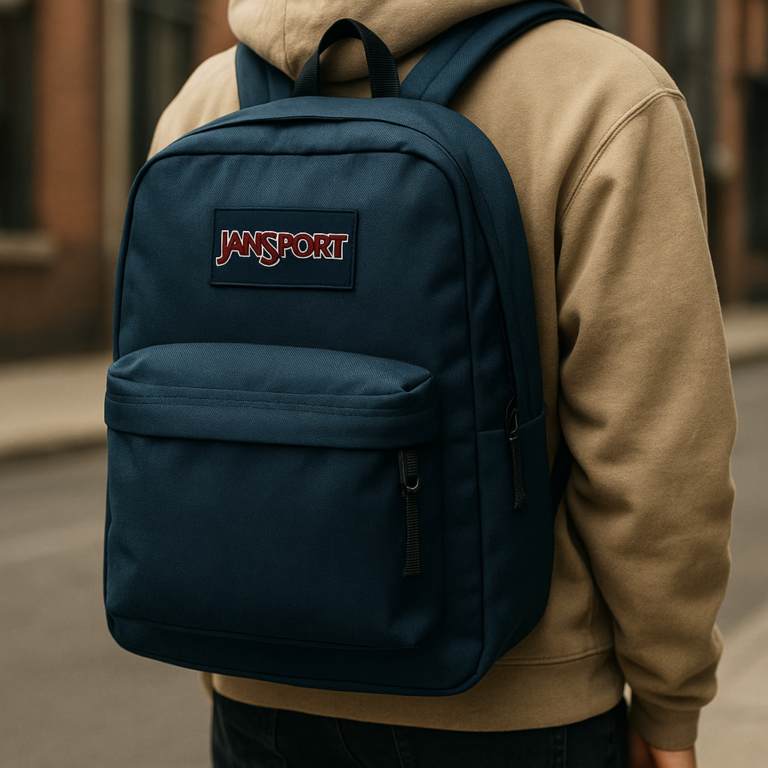
- 9. JanSport: Best Classic Backpack for School
- 10. Herschel Supply Co.: Best for Casual Urban Style
- 11. Thule: Best for Comuting and Laptop Protection
- 12. Peak Design: Best for Photography and Smart Organization
- 13. Bellroy: Best Premium Work and Travel Backpack
- 14. Aer: Best Minimalist Carry-On and Tech Backpack
- 15. Mystery Ranch: Best for Ruged Loads and Technical Use
- 🌟 More Backpack Brands Worth Knowing
- Outdoor and mountainering brands
- Comuter, school, and travel brands
- Budget-friendly and specialty brands
- 👀 Backpack Brands to Watch
- 🔍 How to Choose the Right Backpack Brand for You
- Match the backpack to its intended use
- Get the right capacity, fit, and torso length
- Compare materials, weather resistance, and durability
- Check compartments, laptop sleeves, and carry-on sizing
- Understand warranties, repairs, and sustainability claims
- ⚖️ Backpack Brand Comparison: Features at a Glance
- 🎯 Best Backpack Brands by Category
- Best backpack brands for hiking and backpacking
- Best backpack brands for school and college
- Best backpack brands for work and commuting
- Best backpack brands for travel and carry-on use
- Best backpack brands for kids
- Best backpack brands for budget-conscious shoppers
- 🧼 Backpack Care: Make a Quality Pack Last Longer
- Conclusion
- Recommended Links
- FAQ
- Reference Links
⚡️ Quick Tips and Facts: Choosing the Best Backpack Brand
The best backpack brand depends on what you carry, how you carry it, and how long you expect the bag to keep showing up for work. There is no universal champion: a cushy hiking pack can feel clumsy on the train, while a sleek laptop bag may turn a long trail into a shoulder-strap negotiation.
For another quick shortlist, see our guide to Which Brand Is Best for Backpack? Top 11 Picks for 2026 🎒, then explore more backpack brand guides and hands-on backpack reviews.
| If you need… | Start with… | Why it stands out | Trade-off |
|---|---|---|---|
| Hiking and backpacking | Osprey, Gregory, Deuter | Supportive harnesses, trail-focused designs, and multiple fit options | Technical features can be overkill for everyday use |
| School and everyday use | JanSport, The North Face, Patagonia | Familiar, versatile designs with useful everyday organization | Models vary substantially in padding and layout |
| Travel and commuting | Aer, Osprey, Thule | Laptop protection, smart compartments, and travel-friendly layouts | More structure can mean extra weight |
| Photography | Peak Design | Adjustable dividers and access designed around camera gear | Specialized organization may be unnecessary for non-camera users |
| Ruged everyday carry | Mystery Ranch, GORUCK | Tough materials and practical access for demanding loads | Sturdy construction can feel heavy |
| Style-forward daypacks | Fjällräven, Herschel Supply Co., Bellroy | Distinctive looks and varied everyday formats | Style alone does not guarantee a good fit |
Quick facts before you buy:
- ✅ Fit matters more than the logo. For hiking packs, torso length and hip-belt fit are key; try a loaded pack if you can. REI explains how to measure your torso and fit a backpack.
- ✅ Choose by job, not reputation. Travel, school, commuting, and hiking packs solve different problems. Pack Hacker puts it neatly: “Just because a company makes a good travel backpack doesn’t mean its daypack suits commuting.”
- ✅ Check the warranty and repair policy. Coverage, exclusions, and repair options differ by product and brand; read the actual policy instead of relying on “built to last” marketing.
- ❌ Water-resistant is not waterproof. A coated fabric or weather-resistant zipper can help in a shower, but may not protect contents in prolonged rain. A rain cover or dry bag may still be sensible.
- ✅ Capacity labels are only a starting point. A 25-liter bag with useful pockets can carry differently from a boxy 25-liter pack. Compare dimensions and layout as well as volume.
🎒 How Backpack Brands Have Evolved
Backpack brands grew from different needs: carrying supplies on trails, organizing schoolbooks, protecting work equipment, or making travel easier. That history still shapes what each company does well. Outdoor specialists such as Osprey and Deuter focus heavily on fit and load carriage; urban brands such as Aer and Bellroy tend to emphasize access, organization, and a cleaner profile.
Today, those lines blur. Outdoor companies make commuter packs, luggage brands make laptop backpacks, and everyday-carry labels add travel models. That gives you more choices, but also creates a trap: a brand’s reputation doesn’t automatically transfer to every bag in its lineup.
A useful example is the shift from simple top-loading sacks to travel backpacks with clamshell openings, padded laptop sleeves, luggage pass-throughs, and dedicated quick-access pockets. Those features are convenient when you’re moving through airports or switching between work and errands. On a hike, though, extra zippers and compartments may add weight without doing much for you.
We’ve found it helpful to think of a backpack as a small piece of carrying equipment, not a fashion label with straps. Our backpack types guide breaks down common formats, while our brand spotlights look at what different makers prioritize.
🏆 Which Backpack Brand Is Best? Our Top Picks by Need
These ratings are editorial assessments of each brand’s strengths for its typical use case, not scores for every model the company sells. A brand can make an excellent hiking pack and a merely ordinary commuter bag; judge the individual product, too.
| Brand | Design | Functionality | Comfort and fit | Durability | Best suited to |
|---|---|---|---|---|---|
| Osprey | 8 | 9 | 9 | 9 | Hiking, travel, outdoor use |
| Patagonia | 8 | 8 | 8 | 8 | Everyday, school, outdoor crossover |
| The North Face | 8 | 8 | 8 | 8 | School, commuting, outdoors |
| Deuter | 7 | 9 | 9 | 9 | Hiking and trekking |
| Gregory | 8 | 9 | 9 | 9 | Hiking and backpacking |
| Fjällräven | 9 | 7 | 7 | 8 | Everyday style and casual use |
| REI Co-op | 7 | 8 | 8 | 8 | Outdoor value and entry-to-midrange use |
| Cotopaxi | 9 | 8 | 8 | 8 | Travel and colorful everyday carry |
| JanSport | 7 | 7 | 7 | 8 | School and basic everyday use |
| Herschel Supply Co. | 8 | 7 | 7 | 7 | Casual city and school use |
| Thule | 8 | 9 | 8 | 9 | Comuting, travel, tech |
| Peak Design | 9 | 9 | 8 | 9 | Photography and modular carry |
| Bellroy | 9 | 8 | 8 | 8 | Work, travel, polished daypacks |
| Aer | 9 | 9 | 8 | 9 | Comuting, everyday carry, short trips |
| Mystery Ranch | 7 | 9 | 9 | 9 | Technical use and rugged loads |
1. Osprey: Best for Hiking and Lifetime Support
Osprey is our most versatile recommendation when comfort and outdoor utility matter. Its range covers day hikes, multi-day backpacking, commuting, and travel, so it’s easier to stay within one brand if your needs change.
- What we like: Strong carrying systems, a wide range of capacities, and fit options across many models.
- What to consider: Some models are more technical and structured than you need for a laptop commute.
- Best-known picks: Aether and Ariel for backpacking; Farpoint and Fairview for travel; Daylite for everyday and day-trip use.
In our team’s experience, Osprey’s appeal is less about flashy details and more about a pack that feels composed under load. Pack Hacker similarly describes the brand as a reliable all-rounder: its reviews may not always put Osprey at the very top of a category, but it often scores above average across a broad selection.
Watch for fit: model names and sizing can differ, and a comfortable hiking pack needs more than padded shoulder straps. Load distribution, torso length, and hip-belt placement matter. Review Osprey’s fit and sizing information before choosing.
- 👉 Shop Osprey:
- Osprey Farpoint 40: Amazon | Osprey Official
- Osprey Daylite Plus: Amazon | Osprey Official
2. Patagonia: Best for Sustainability and Everyday Versatility
Patagonia makes backpacks that often bridge everyday use and the outdoors: school, a day hike, or a commute with a jacket and lunch stuffed in the main compartment. It’s also a strong choice if repairability and material sourcing weigh heavily in your decision.
- What we like: Practical designs, outdoor heritage, and a visible commitment to repair and reuse.
- What to consider: Not every model is a technical hiking pack, and streamlined designs may have less internal structure than some commuters want.
- Good starting points: Refugio Daypack for everyday carry; Black Hole packs for travel and weather-resistant use.
Patagonia’s Worn Wear program offers repair and resale options, but the practical details depend on the item and its condition. We recommend checking the specific product’s care and repair guidance rather than assuming every pack has identical coverage.
A team member used a Refugio as a work-and-weekend bag for a stretch: it was easy to live with and didn’t look out of place at a café, but it lacked the structured, many-pocket layout of a dedicated tech backpack. That’s the Patagonia trade-off in a nutshell: broad usefulness, not necessarily maximum specialization.
- 👉 Shop Patagonia:
- Patagonia Refugio Daypack: Amazon | Patagonia Official
- Patagonia Black Hole backpacks: Amazon | Patagonia Official
3. The North Face: Best All-Rounder for School, Travel, and Trails
The North Face offers a broad mix of school backpacks, everyday bags, and outdoor packs. That breadth makes it a convenient brand to shortlist when you want one bag for several routines.
- What we like: Familiar designs, broad availability, and models suited to different ages and uses.
- What to consider: Compare individual layouts carefully; some packs prioritize style and daily convenience over trail-specific support.
- Models to browse: Borealis, Jester, and Recon.
The Borealis and Recon are common choices for school or commuting because they combine everyday organization with a more supportive feel than a bare-bones tote-style backpack. Still, don’t buy on popularity alone: check laptop dimensions, water-bottle pocket placement, and whether the loaded bag fits your back.
- 👉 Shop The North Face:
- The North Face Borealis: Amazon | Official
- The North Face Jester: Amazon | Official
4. Deuter: Best for Technical Hiking Comfort
Deuter is a serious contender for hikers who care about carrying comfort, ventilation, and technical fit. The German company’s lineup spans daypacks through trekking packs, with features designed around long days outside rather than a quick dash from car to classroom.
- What we like: Trail-focused designs, supportive suspension, and a range of torso and fit options.
- What to consider: Technical design can feel bulky for urban errands, and model features vary.
- Worth a look: Futura for hiking and day trips; Aircontact for heavier trekking loads.
Fit is highly personal. A ventilated back panel can help you feel less swampy on a warm climb, but it isn’t a substitute for choosing the correct torso length and load capacity. Browse Deuter’s fit guidance and compare the exact model’s intended load.
- 👉 Shop Deuter:
- Deuter Futura backpacks: Amazon | Deuter Official
5. Gregory: Best for a Dialed-In Hiking Fit
Gregory specializes in outdoor packs where carrying comfort is central. We particularly like the brand for shoppers who plan to carry a meaningful load on trails and want to compare different torso fits and harness setups.
- What we like: Backpacking-oriented designs, supportive hip belts, and fit choices across many collections.
- What to consider: A technical pack costs you convenience if your main job is carrying a laptop around town.
- Models to compare: Baltoro and Deva for larger backpacking loads; Maven and Paragon for lighter trekking needs.
A good hiking pack should feel stable when loaded, not merely soft when empty. Try it with weight in the store if possible, and pay attention to the hip belt: if it doesn’t sit correctly, your shoulders may end up doing too much work.
- 👉 Shop Gregory:
- Gregory Baltoro: Amazon | Gregory Official
6. Fjällräven: Best for Iconic Everyday Style
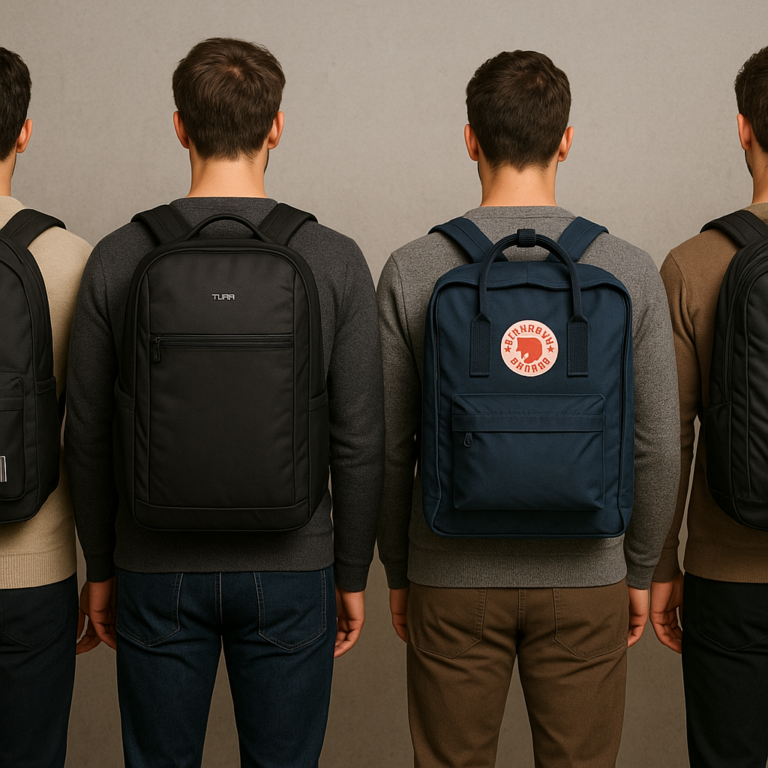
Fjällräven is known for distinctive, durable-looking bags that move comfortably between campus, errands, and casual travel. The Kånken is the famous face of the brand, but the range includes larger everyday backpacks and outdoor-focused designs.
- What we like: Recognizable styling, simple layouts, and a broad selection of colors and sizes.
- What to consider: Classic Kånken layouts are relatively simple; check shoulder comfort and laptop protection for your specific routine.
- Best for: Everyday carry, school, and shoppers who value a distinctive aesthetic.
Kånken’s popularity can make it tempting to buy the first size you see. Pause and check the dimensions, straps, and whether the bag has a padded compartment suited to your device. A beloved silhouette can still be the wrong tool for a heavy laptop.
- 👉 Shop Fjällräven:
- Fjällräven Kånken: Amazon | Fjällräven Official
7. REI Co-op: Best Value for Outdoor Adventures
REI Co-op offers accessible outdoor gear across day-hiking, backpacking, and travel categories. It’s a useful place to compare features and try on different fits, especially if you’re new to technical packs and don’t yet know which harness style suits you.
- What we like: A broad outdoor selection, practical designs, and access to in-store fitting at many locations.
- What to consider: Compare construction, weight, and fit with specialist models; product lines and availability can change.
- Where to start: REI Co-op backpacks, including the Flash series for lighter carry and other trail-focused options.
If you’re shopping for a first backpacking pack, a knowledgeable fitting can be more valuable than an impressive feature list. Load it, walk around, adjust the straps, and see how it behaves when it’s more than an empty shell.
- 👉 Shop REI Co-op:
- REI Co-op backpacks: REI Official | Amazon search
8. Cotopaxi: Best for Colorful Travel and Repairable Gear
Cotopaxi brings bright colorways and a travel-friendly approach to its backpack range. Some packs use varied fabric panels, so individual bags can look different; if you want a particular palette, check the product listing carefully.
- What we like: Standout colors, versatile travel designs, and a brand emphasis on responsible business.
- What to consider: A bright color-blocked look isn’t for everyone, and the best organization depends on the model.
- Models to explore: Allpa for travel; Luzon for lighter, simple carry.
We like Cotopaxi when a bag needs to be both practical and easy to spot in a pile of luggage. But a cheerful exterior won’t help if you dislike the internal layout, so test access, laptop fit, and carry comfort before committing.
- 👉 Shop Cotopaxi:
- Cotopaxi Allpa backpacks: Amazon | Cotopaxi Official
9. JanSport: Best Classic Backpack for School
JanSport has decades of school-and-everyday recognition behind it. Its straightforward designs are easy to understand: main compartment, front organizer, shoulder straps, and enough room for the daily basics.
- What we like: Familiar layouts, broad color choices, and simple everyday use.
- What to consider: Basic models may offer less structure or laptop protection than a dedicated tech pack.
- Good starting points: Right Pack, SuperBreak, and Big Student.
For a student carrying a laptop, books, lunch, and a water bottle, check the bag’s padded sleeve, strap padding, and loaded comfort. The simplest pack may be exactly right for light carry; it may feel less fun after a full day with heavy textbooks.
- 👉 Shop JanSport:
- JanSport Right Pack: Amazon | JanSport Official
- JanSport Big Student: Amazon | JanSport Official
10. Herschel Supply Co.: Best for Casual Urban Style
Herschel Supply Co. puts a style-forward spin on everyday backpacks, with classic shapes, modern fabrics, and options for school and city use.
- What we like: Strong visual identity, useful day-to-day sizes, and easy-to-recognize styles.
- What to consider: Compare padding and organization with more technical commuter backpacks, especially if you carry a laptop every day.
- Models to browse: Little America and Classic Backpack.
We’d put Herschel on the shortlist if appearance matters and your daily load is moderate. If your commute includes a laptop, chargers, lunch, and a water bottle, inspect the exact model’s protection and pocket layout rather than relying on the brand’s look alone.
- 👉 Shop Herschel:
- Herschel Little America: Amazon | Herschel Official
11. Thule: Best for Comuting and Laptop Protection
Thule is a strong option for commuters and travelers who want protected electronics, organized compartments, and a structured build. The brand’s wider gear background also shows up in practical carry features.
- What we like: Protective layouts, sturdy construction, and commuter-friendly organization.
- What to consider: A more structured pack can weigh more and may feel less flexible when lightly loaded.
- Models to compare: Subterra backpacks and EnRoute backpacks.
Laptop fit deserves a close look: check the sleeve’s dimensions, whether it is suspended above the bag’s base, and whether the opening makes the device easy to remove. A label saying “fits a 16-inch laptop” is a useful clue, not a substitute for checking your actual computer’s dimensions.
- 👉 Shop Thule:
- Thule laptop backpacks: Amazon | Thule Official
12. Peak Design: Best for Photography and Smart Organization
Peak Design is particularly appealing to photographers and people who regularly reconfigure what they carry. Modular dividers, gear access, and accessory compatibility give its bags a more adaptable feel than a plain main compartment.
- What we like: Thoughtful access, configurable organization, and camera-friendly options.
- What to consider: Dividers and specialized features make less sense if you mostly carry a sweater, book, and lunch.
- Models to consider: Everyday Backpack for camera and daily carry; Travel Backpack for travel.
Pack Hacker highlights Peak Design for photography and modular carry, particularly when gear needs frequent rearranging. We agree with the basic point: it is easier to protect and organize equipment when the bag was designed around equipment. But if you want a simple, light commuter, the extra structure may be more bag than you need.
- 👉 Shop Peak Design:
- Peak Design Everyday Backpack: Amazon | Peak Design Official
- Peak Design Travel Backpack: Amazon | Peak Design Official
13. Bellroy: Best Premium Work and Travel Backpack
Bellroy makes polished backpacks with a focus on considered organization and a tidy profile. Its range includes commuter, everyday, and travel designs, with different materials and color options.
- What we like: Streamlined styling, accessible pockets, and thoughtful everyday organization.
- What to consider: There are many models to compare, and some packs trade external convenience for a cleaner silhouette.
- Models to browse: Transit Workpack, Classic Backpack, and Lite Travel Pack.
Pack Hacker praises Bellroy’s daypacks and describes its large travel selection as less compelling for their needs. That’s not a contradiction so much as a matter of use: a sleek daypack may be excellent for work and a weekend, while a frequent one-bag traveler may prefer a dedicated clamshell travel pack. Check for a bottle pocket if it’s part of your daily routine; not every streamlined design makes room for one.
- 👉 Shop Bellroy:
- Bellroy Transit Workpack: Amazon | Bellroy Official
- Bellroy Lite Travel Pack: Amazon | Bellroy Official
14. Aer: Best Minimalist Carry-On and Tech Backpack
Aer is a favorite among people who want a clean-looking bag with well-planned organization for work, commuting, and short trips. Pack Hacker recommends Aer for everyday carry and travel, praising its comfortable harnesses, durable materials, and user-informed updates.
- What we like: Purposeful compartments, polished styling, and commuter-to-travel versatility.
- What to consider: Its structured, organization-heavy approach can feel unnecessary if you prefer a light, open sack.
- Models to compare: Day Pack, City Pack, and Travel Pack.
One practical detail worth checking: Aer has multiple versions and sizes across product lines, and a “small” travel pack may suit a personal-item traveler better than a larger model. Compare dimensions against the airline’s current baggage rules; airlines set their own requirements, so consult the carrier before flying.
A tiny correction to keep the shopping trail clean: Pack Hacker’s source summary notes that its Day Pack 3 heading appears to describe the Tech Pack 3 in one passage. When comparing reviews, verify the model name and product version rather than treating a review heading as definitive.
- 👉 Shop Aer:
- Aer Day Pack: Amazon | Aer Official
- Aer Travel Pack: Amazon | Aer Official
15. Mystery Ranch: Best for Ruged Loads and Technical Use
Mystery Ranch is worth considering if you value sturdy construction, practical access, and packs built for demanding use. The brand serves outdoor and work contexts where a bag may be loaded, handled roughly, and asked to keep its shape.
- What we like: Robust materials, functional designs, and carrying systems aimed at real loads.
- What to consider: Technical styling and substantial construction may feel excessive for everyday commuting.
- Where to start: Browse Mystery Ranch backpacks by activity and capacity, then inspect the fit system and intended load.
For a heavy work kit or outdoor equipment, durability can be worth the added weight. For a daily laptop bag, however, a lighter commuter design may be more pleasant to carry five days a week.
- 👉 Shop Mystery Ranch:
- Mystery Ranch backpacks: Amazon | Mystery Ranch Official
🌟 More Backpack Brands Worth Knowing
The top picks are a starting line, not a closed guest list. These brands may suit you better if your priorities are unusually specific.
Outdoor and Mountainering Brands
- Arc’teryx: Technical alpine and hiking packs with a performance-led approach. Check the exact model’s intended load and fit.
- Black Diamond: Climbing, skiing, and mountain packs designed around specialized outdoor use.
- Mountain Hardwear: Outdoor packs for hiking and alpine activities.
- ULA Equipment: Known among lightweight backpackers for hiking-focused designs, including the Ultra Dragonfly. Lightweight packs reward careful packing; fewer heavy extras leave less room for sloppy load management.
- Big Agnes: Offers outdoor packs, including designs that balance carrying support with reduced weight.
The included featured video describes four broad pack styles: traditional, ultralight, frameless, and hybrid. Its main point is useful: traditional packs generally emphasize support for heavier loads, while ultralight and frameless designs trade some padding and structure for lower weight. That’s a helpful lens for comparing brands, but not a rule that determines what every person should buy.
Comuter, School, and Travel Brands
- TOM BIHN: Appreciated for customization, organization, and modular pouches. Pack Hacker points to the Synik 30 for commuting and short trips.
- Tortuga: Specializes in travel backpacks designed for one-bag trips. Compare harness comfort and dimensions against how you actually travel.
- GORUCK: Known for tough, structured bags and rucking gear. Its robustness can come with extra weight.
- EVERGODS: Builds versatile everyday and travel packs with practical organization; see the Civic Panel Loader range.
- Able Carry: An everyday-carry and travel option for shoppers who value streamlined organization.
- Topo Designs: Outdoor-inspired daypacks and travel designs with distinctive styling.
- Minal: Travel-focused bags with organization aimed at carry-on users.
- OGIO: A broad range of laptop, business, school, everyday, and travel backpacks with padded compartments and organization.
Budget-Friendly and Specialty Brands
- High Sierra: A practical brand to compare for school, travel, and outdoor-inspired everyday use.
- Eastpak: Casual everyday packs with a long-running, simple backpack identity.
- Doughnut: Colorful daypacks and travel-inspired everyday styles.
- Chrome Industries: A useful shortlist for urban cycling and commuting.
- Pacsafe: Travel bags with security-focused features; compare those features with the way you travel.
One competitor summary from DICK’S Sporting Goods could not provide useful recommendations because its school-backpack page returned an error. We therefore don’t treat it as evidence for a particular “best” brand. For school shopping, compare actual product dimensions, laptop protection, strap comfort, and warranty details rather than relying on a retailer category page.
👀 Backpack Brands to Watch
A few smaller or newer names are worth keeping on your radar, especially if established brands don’t quite match your preferred balance of design and function.
- Sympl: A newer label focused on clean, functional everyday and travel bags.
- Rework Gear: An emerging option for people who prefer lightweight bags with a pared-back feature set.
- ULA Equipment: Continues to attract lightweight backpackers looking for trail-focused designs.
- EVERGODS: A younger brand compared with heritage outdoor companies, with an emphasis on versatile daily and travel carry.
Newer brands may refine their designs quickly, but long-term durability and repair histories take time to establish. Before buying, read the warranty, look for independent long-term use reports, and check whether replacement parts or repairs are available. Fresh design is exciting; a clear plan for fixing a broken buckle is even better.
🔍 How to Choose the Right Backpack Brand for You
The fastest way to choose a backpack is to start with what goes inside it. The brand comes later. This short checklist can keep you from buying a handsome bag that’s excellent at carrying exactly the wrong things.
Match the Backpack to Its Intended Use
Write down your three most common uses, then prioritize them:
- Name the main job: school, commuting, hiking, travel, photography, or everyday errands.
- List the everyday load: laptop, books, water, lunch, clothing layers, camera, or tools.
- Decide how often it will be full: an occasional day hike is different from carrying a heavy work kit daily.
- Choose a format: daypack, laptop backpack, travel pack, hiking pack, or technical pack.
- Only then compare brands and models.
For broader categories and use-case explainers, visit our backpack types section. A technical hiking bag can be superb on a trail and awkward on a bus; a streamlined work pack can be comfortable downtown and miserable when loaded for an overnight trek.
Get the Right Capacity, Fit, and Torso Length
Capacity is usually expressed in liters, but two bags with the same listed volume may pack very differently. One may have a wide, open main compartment; another may divide that space among several pockets.
For hiking, follow a fit process:
- Measure your torso, not just your height. REI’s backpack fitting guide explains the measurement and adjustment basics.
- Check the hip-belt position. It should sit securely around the hip area rather than sliding up toward the waist.
- Adjust the shoulder straps so they sit comfortably without carrying the entire load.
- Load the pack with realistic weight and walk around.
- Recheck the fit in motion. A bag that feels good empty can behave differently once loaded.
For everyday bags, check the dimensions of your laptop, books, and water bottle. A roomy volume number won’t help if the laptop sleeve is too small or the bottle pocket is too narrow.
Compare Materials, Weather Resistance, and Durability
Look beyond the word “durable.” Compare the fabric, stitching, zippers, seam construction, base reinforcement, and how easy the pack is to repair. A water-resistant fabric is not automatically waterproof; seams and zippers are often the weak links in wet weather.
Practical checklist:
- ✅ Check whether the manufacturer specifies a denier rating, fabric type, or coating.
- ✅ Inspect high-wear areas such as the base, strap attachment points, and zipper ends.
- ✅ Look for clear care, repair, and warranty information.
- ✅ Consider a rain cover or dry bag if the contents cannot get wet.
- ❌ Don’t assume recycled material automatically means a product is more durable or repairable.
- ❌ Don’t rely on marketing claims without checking product specifications.
For material basics, the REI Expert Advice library offers practical outdoor-gear guidance. Our backpack trends section also follows changes in materials and design.
Check Compartments, Laptop Sleeves, and Carry-On Sizing
More pockets aren’t always better. A bag with many small compartments can keep cables tidy, but it can also make packing a bulky jacket or lunchbox annoying. Think about what you reach for most often.
- For a laptop: Confirm the sleeve’s dimensions and padding; check whether it sits above the bag’s base.
- For travel: Look for a wide opening, quick-access pocket, luggage pass-through, and a layout that suits packing cubes.
- For hydration: Check that the bottle pocket fits your bottle and remains usable when the main compartment is full.
- For photography: Consider adjustable dividers and access points that match your camera setup.
- For flights: Compare the pack’s dimensions with the airline’s current cabin-bag rules. Policies can vary by airline and ticket type.
Pack Hacker’s advice that “Just because a company makes a good travel backpack doesn’t mean its daypack suits commuting” is worth keeping in mind here. Buy the layout you need, not the brand story you’ve already heard.
Understand Warranties, Repairs, and Sustainability Claims
A warranty can be valuable, but it is not a magic spell cast over every kind of damage. Coverage varies by company, product, purchase region, and the cause of failure. Read the current terms before deciding that one brand’s policy is better.
Ask:
- What does the warranty cover? Materials and workmanship may be treated differently from normal wear or accidental damage.
- Can the brand repair the bag? A repair option can extend its useful life.
- Are replacement parts available? Buckles and straps are small pieces with outsized importance.
- What sustainability claim is being made? Recycled fabric, repair services, resale, and manufacturing practices are different things.
- Can the claim be verified? Look for product-specific information and published policies.
Patagonia’s Worn Wear is one public example of repair and resale initiatives; Osprey provides its own product support information. Compare the current terms for the exact product you’re considering.
⚖️ Backpack Brand Comparison: Features at a Glance
Use this table to narrow the field, then inspect individual models. “Best for” describes a brand’s general strength, not a guarantee that every pack in its catalog fits that role.
| Brand | Standout strength | Typical design character | Main trade-off | Check before buying |
|---|---|---|---|---|
| Osprey | Outdoor comfort and breadth | Supportive, activity-specific | Some packs are too technical for commuting | Fit, torso size, intended load |
| Patagonia | Outdoor-everyday versatility | Practical, adaptable | Less specialized than a dedicated commuter or trekking pack | Laptop protection, organization |
| The North Face | Broad everyday and outdoor use | Familiar and accessible | Model features vary widely | Exact pocket layout and fit |
| Deuter | Hiking suspension and ventilation | Technical, trail-focused | Can feel bulky in town | Torso fit and carry system |
| Gregory | Support for backpacking loads | Structured, hiking-oriented | More pack than casual users need | Hip-belt fit and load |
| Fjällräven | Everyday style | Distinctive, simple | Some models have limited padding organization | Strap comfort, laptop sleeve |
| REI Co-op | Outdoor selection and access | Practical, activity-led | Compare model-by-model with specialist options | Sizing and feature differences |
| Cotopaxi | Colorful travel and everyday carry | Expressive and versatile | Color and organization preferences vary | Model layout and carry comfort |
| JanSport | Straightforward school use | Simple and familiar | Basic models may lack structure | Device protection and loaded comfort |
| Herschel | Casual style | Urban and design-led | Less technical support on some models | Padding, capacity, warranty |
| Thule | Comuter protection and organization | Structured and functional | Structure can add weight | Laptop dimensions and access |
| Peak Design | Camera and modular carry | Configurable, feature-rich | Extra features may be unnecessary | Divider setup and access |
| Bellroy | Polished everyday carry | Streamlined and organized | Some models omit convenient exterior features | Bottle pocket, access, volume |
| Aer | Tech organization and travel | Minimal-looking but structured | Can feel overbuilt for simple loads | Weight, pocket layout, dimensions |
| Mystery Ranch | Ruged carrying and technical use | Hard-wearing and substantial | Often heavier than casual options | Fit, weight, intended activity |
Want detailed product impressions beyond brand comparisons? Browse our backpack reviews and brand spotlights.
🎯 Best Backpack Brands by Category
Best Backpack Brands for Hiking and Backpacking
Start with Osprey, Gregory, Deuter, REI Co-op, and ULA Equipment. For a heavier multi-day load, prioritize torso fit, a supportive hip belt, and a suspension system that carries weight comfortably. For lighter trips, compare less structured or ultralight options, but be realistic about the gear you’ll need to pack.
Our quick rule: buy the load-carrying system you need, not the lightest-looking pack on the shelf. An ultralight design may be a delight for a practiced, careful packer and a shoulder workout for someone hauling bulky gear.
Best Backpack Brands for School and College
Shortlist JanSport, The North Face, Patagonia, Herschel Supply Co., and Fjällräven. Check:
- A laptop sleeve with enough room for your device and case
- Comfortable straps for a full day of books
- A water-bottle pocket that doesn’t steal essential interior space
- A bottom panel and stitching suited to daily use
- A size that works for your timetable without encouraging overpacking
For a heavy load, a simple, stylish pack may be less comfortable than a structured everyday model. Try it with books or a realistic amount of weight if possible.
Best Backpack Brands for Work and Comuting
Consider Aer, Thule, Bellroy, Patagonia, and The North Face. A commuter bag should make the daily routine easier: protect your laptop, separate small items, and remain comfortable when you’re walking, cycling, or switching trains.
If you cycle, also consider visibility, weather protection, and how the pack sits while moving. A bag that looks tidy on a desk should still feel stable on your back.
Best Backpack Brands for Travel and Carry-On Use
Start with Osprey, Aer, Cotopaxi, Peak Design, Tortuga, and Bellroy. For one-bag trips, look for a wide opening, easy-access essentials, comfortable straps, and a size you can manage when fully packed.
- Osprey Farpoint/Fairview: a practical travel starting point for shoppers who want a familiar outdoor brand.
- Aer Travel Pack: a strong option for structured organization and tech carry.
- Cotopaxi Allpa: worth a look for clamshell-style travel layouts and distinctive design.
- Peak Design Travel Backpack: useful for travelers carrying camera gear alongside clothing.
- Tortuga Travel Backpack: designed around one-bag travel needs.
- Bellroy Lite Travel Pack: a more streamlined travel option; check carefully for features such as an external bottle pocket.
A 40-liter label does not guarantee airline compliance. Check your carrier’s current size restrictions and pack your bag before relying on it as cabin luggage.
Best Backpack Brands for Kids
For children, compare JanSport, The North Face, Fjällräven, Patagonia, and Potery Barn Kids. The best brand is the one that fits the child’s body, load, and school requirements—not the one with the biggest capacity.
Prioritize:
- A comfortable fit that doesn’t hang far below the child’s back
- Straps that can be adjusted as they grow
- Manageable weight when empty
- Reflective details for visibility, if needed
- Durable stitching and easy-to-clean materials
The American Academy of Pediatrics advises that a child’s backpack should be proportionate to their size and carried with both shoulder straps; see its backpack safety guidance. If a pack is overloaded or causes discomfort, reduce the load and reassess the fit.
Best Backpack Brands for Budget-Conscious Shoppers
Compare JanSport, REI Co-op, Osprey, The North Face, and High Sierra. Value is not just a low purchase price: it includes comfort, useful features, durability, and whether the pack can be repaired or used for more than one activity.
A basic JanSport may be excellent for a light school load. An Osprey may be worth choosing for frequent hiking because its fit and support are designed around outdoor use. The best value is the least expensive bag that comfortably does your actual job—not the cheapest bag with the most pockets.
🧼 Backpack Care: Make a Quality Pack Last Longer
A little maintenance can keep zippers, fabric, and straps in better shape. Always follow the manufacturer’s care instructions first; washing methods vary by material and construction.
- Empty every compartment. Check small pockets for crumbs, pens, and mystery receipts.
- Brush off loose dirt with a soft brush or cloth.
- Spot-clean gently with mild soap and water if the care label allows it.
- Air-dry fully before storing. Avoid high heat unless the manufacturer explicitly permits it.
- Inspect zippers and seams for early wear; clean grit from zipper tracks.
- Store it dry and lightly packed so the bag keeps its shape without stressing the seams.
- Repair small damage early. A loose stitch or worn buckle is easier to address before it becomes a full-blown backpack emergency.
Patagonia explains its repair and reuse approach through Worn Wear, while Osprey provides customer support and product information. For specific care steps, trust the label and the manufacturer’s guidance over a one-size-fits-all washing tip.