Support our educational content for free when you purchase through links on our site. Learn more
🎒 Is the Backpack Market Saturated? The 2026 Truth

Is the backpack market truly drowning in choices, or is there still room for the perfect pack? We’ve tested hundreds of bags, from the “revolutionary” Kickstarter failures to the timeless classics, and the answer might surprise you. While the sea of generic “all-in-one” hybrids feels endless, the real story is one of hyper-segmentation and specialized innovation. In this deep dive, we expose why most new brands are just recycling old ideas, reveal the 25 disruptive trends shaping 2031, and help you find the one bag that actually fits your life. Spoiler alert: The market isn’t saturated; it’s just waiting for you to stop looking for a “perfect” hybrid and start finding your perfect niche.
Key Takeaways
- The “Saturated” Myth: The market is flooded with mediocre hybrid bags, but specialized niches (ultralight, tech, sustainable) are wide open for innovation.
- Innovation vs. Iteration: True progress comes from refining proven designs, not reinventing the wheel with untested “game-changing” features.
- Specialization Wins: Stop looking for a bag that does everything; the best gear solves one specific problem perfectly.
- Future Trends: By 2031, expect a surge in modular systems, sustainable materials, and smart integration that prioritizes function over flash.
- Expert Verdict: Don’t get lost in the noise; choose a brand with a proven track record of iteration and a clear focus on your specific use case.
Table of Contents
- ⚡️ Quick Tips and Facts
- 🎒 The Evolution of the Pack: A History of Carrying Our Lives on Our Backs
- 📉 Is the Backpack Market Saturated? The Real State of the Industry in 2024
- 🧐 I’m Sick of Testing “New” Bags That Are Actually Just Recycled Ideas
- 🛠️ Why Creating Truly Innovative Gear Isn’t as Easy as It Looks
- 🚀 25 Disruptive Trends Shaping the Future of Backpacks through 2031
- 🎒 Review: How the Chic Monos Metro Backpack Won Over an Outdoorsy Traveler
- 🏔️ The Ultimate Summer Backpacking Gear Guide for Every Terrain
- 👔 From Boardrooms to Basecamps: Why This Company’s Gear Goes Everywhere We Do
- ☀️ The Best Sun-Protective Gear and Packs for High-Altitude Adventures
- ⛺️ Hate Camping? These Game-Changing Packs Might Just Convert You
- 🦅 Discover Matador: The Kings of Packable Adventure Travel Gear
- 🌍 Exploring Niche Markets: Where the Real Growth Is Hiding
- 🚂 Train Travel and Interrailing Essentials
- 🏞️ National Parks and Rugged Daypacks
- 🏝️ Beaches, Islands, and Waterproof Tech
- ⛷️ Ski, Snow, and Alpine Performance
- 🐾 Wildlife Photography and Specialized Carry
- 🚗 Road Trips and Trunk-to-Trail Versatility
- 🧘 Wellness, Yoga, and Mindful Commuting
- 🍱 Food, Culture, and the Rise of the “Gourmet” Commuter Pack
- 📰 Industry News and Expert Advice for Aspiring Bag Designers
- 👥 Understanding the Modern Traveler: Segmentation by Type
- 🎬 The Matador Original Series and the Power of Brand Storytelling
- 📈 Trending Now: What’s Hot in the EDC Community
- ✨ Finding Inspiration: The Most Creative Backpack Designs of the Decade
- 🏁 Conclusion
- 🔗 Recommended Links
- 📚 Reference Links
⚡️ Quick Tips and Facts
Before we dive into the deep end of the backpack ocean (where the sharks are made of polyester and the currents are made of marketing hype), let’s hit the high notes with some rapid-fire truths. If you’re wondering whether there’s still room for your perfect pack in a sea of options, these facts are your compass.
- The “Saturated” Myth: While it feels like every street corner has a new bag brand, the market isn’t truly saturated; it’s hyper-segmented. There’s a massive gap between “generic” and “specialized.”
- Innovation is Iterative: The best new packs aren’t reinventing the wheel; they are polishing the hub. As noted by industry veterans, true innovation comes from tweaking proven designs, not building a “perfect” hybrid from scratch that fails at everything.
- The Hybrid Trap: Be wary of “all-in-one” packs that claim to be the ultimate travel, hiking, and photography solution. Often, they end up being jack of all trades, master of none, leaving your camera gear squished against your underwear.
- Ergonomics Win: A bag that looks cool but slips off your shoulder after one mile is a failure, regardless of how many pockets it has. Comfort is the ultimate metric.
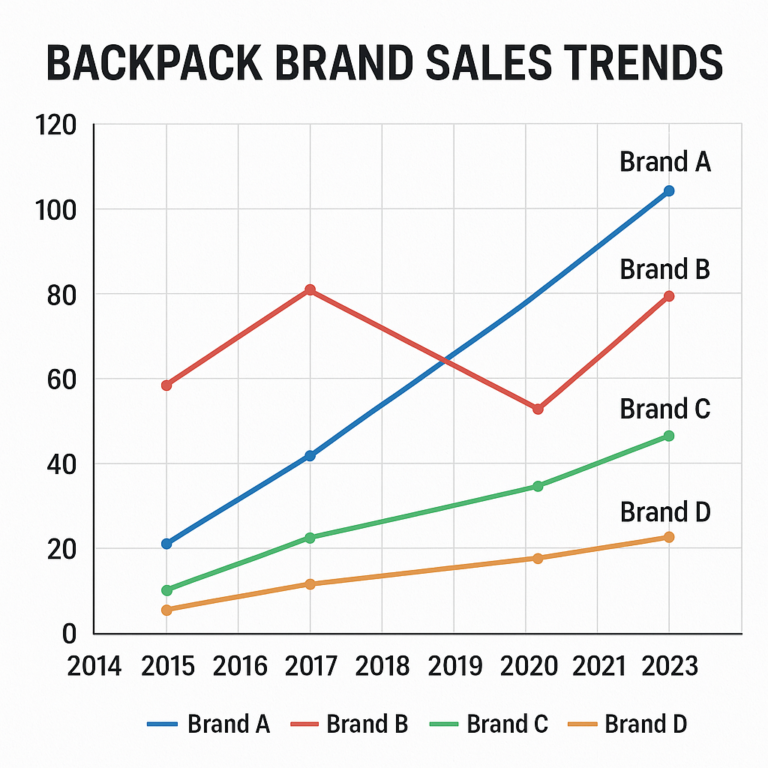
- Market Growth: Despite the noise, the global backpack market is projected to grow significantly through 2031, driven by niche demands like ultralight travel, tech-heavy commuting, and sustainable materials.
For a deeper dive into the numbers, check out our analysis on Is the backpack market growing?.
🎒 The Evolution of the Pack: A History of Carrying Our Lives on Our Backs

To understand if the market is saturated, we have to look at where we came from. It wasn’t always about modular compartments and laptop sleeves.
From Stone to Synthetic
Long before the first synthetic fiber was spun, humans were strapping things to their backs. The Ötzi the Iceman, dating back 5,300 years, carried a backpack made of wood and leather to transport his tools. Fast forward to the 1930s, and Gerry Outdoors introduced the first internal frame pack, revolutionizing how we carried weight.
But the real explosion happened in the 90s and 2000s. The rise of EDC (Everyday Carry) culture, the smartphone revolution, and the “work-from-anywhere” lifestyle turned the humble backpack into a mobile office.
“The market is oversaturated. And I’m confident that thanks to a robust established marketplace… the best backpacks to come in the next 20 years will be built off already-existing models.” — Matador Network
This quote from a seasoned outdoor writer highlights a crucial point: evolution beats revolution. The history of backpacks is a history of iterative improvement, not constant reinvention.
The Rise of the “One-Size-Fits-All” Era
In the early 2000s, brands tried to make the “ultimate” bag. The problem? They failed to realize that a hiker needs ventilation and durability, while a commuter needs laptop protection and style. The result was a flood of mediocre “hybrid” bags that satisfied no one.
Today, we see a correction. Brands are returning to specialization. Whether it’s a dedicated camera pack, a ultralight daypack, or a sustainable commuter bag, the market is fragmenting into distinct, high-quality niches.
📉 Is the Backpack Market Saturated? The Real State of the Industry in 2024
So, is the market saturated? Yes and no.
If you define “saturated” as “too many choices,” then absolutely. Walk into a store, and you’ll see hundreds of bags. But if you define it as “too many good choices for every specific need,” the answer is no.
The Segmentation Reality
According to market reports from Mordor Intelligence, the backpack market is highly segmented by:
- Product Type: Casual, Athletic, Technical, and Specialized.
- Price Point: Economy, Mid-Range, and Premium.
- End-User: Adults, Children, and Professionals.
- Distribution: Online vs. Offline.
This segmentation means that while the “general purpose” market is crowded, the specialized markets are wide open.
| Segment | Saturation Level | Opportunity |
|---|---|---|
| General Commuter | 🔴 High | Low (Unless you have a unique angle) |
| Ultralight Hiking | 🟡 Medium | High (Demand for lighter, stronger gear) |
| Tech/EDC | 🟡 Medium | High (New tech requires new storage solutions) |
| Sustainable/Eco | 🟢 Low | Very High (Consumers demand transparency) |
| Specialized (Photo/Video) | 🟡 Medium | High (Niche needs often ignored by giants) |
Why It Feels Saturated
The feeling of saturation comes from marketing noise. Every Kickstarter campaign promises to “revolutionize” the industry. But as we’ll see in the next section, most of these “revolutionary” ideas are just rehashed concepts with a new color.
The truth? The market is maturing. We are moving away from the “more is better” philosophy to a “better is better” philosophy. Consumers are smarter. They know that a bag with 50 pockets is often less functional than one with 5 well-thought-out ones.
🧐 I’m Sick of Testing “New” Bags That Are Actually Just Recycled Ideas
Let’s be honest: we at Backpack Brands™ have tested our fair share of “game-changing” bags that turned out to be repackaged failures.
The “Hybrid” Disaster
We recently tested a startup’s “ultimate adventure pack.” The pitch? A bag that could handle a 5-day trek, double as a camera bag, and fit under an airplane seat.
The Reality Check:
- Compartmentalization: One main compartment. Result? Avalanche gear crushing your clean socks.
- Camera Access: A rear zipper for a camera case. Result? Impossible to fit the case and your sleeping bag simultaneously.
- Access: A clamshell zipper that opened on three sides. Result? Everything fell out the moment you stood up.
- Ergonomics: Despite being 5’7″ and tightening the straps to the max, the shoulder strap slid off within the first mile.
“I’d never once thought, ‘I wish this backpack could do something else.'” — Matador Network
This quote sums up the frustration. Most people don’t need a bag that does everything. They need a bag that does one thing perfectly.
The Prototype Problem
Many new brands launch with a prototype that hasn’t been field-tested. They skip the “oil and tweaks” phase that established brands like Osprey or Gregory have perfected over decades.
Key Takeaway: If a new brand claims to have solved every problem in one bag, run. The best gear is built on iteration, not invention.
🛠️ Why Creating Truly Innovative Gear Isn’t as Easy as It Looks
You might think, “Why can’t someone just make the perfect bag?” The answer is physics, ergonomics, and compromise.
The Law of Trade-offs
Every design decision is a trade-off.
- More pockets = More weight.
- Lighter materials = Less durability.
- More capacity = Less comfort (if the frame isn’t right).
Creating a bag that balances these factors requires years of R&D.
The Iteration Process
Successful brands like Patagonia and Arc’teryx don’t launch a “perfect” bag. They launch a “good” bag, test it, find the flaws, and release a Version 2.0.
The Steps to a Great Pack:
- Identify a specific problem (e.g., “My laptop gets scratched in my current bag”).
- Prototype a solution (e.g., a suspended laptop sleeve).
- Field test (e.g., hike 100 miles with it).
- Gather feedback (e.g., “The sleeve is too tight for my 16-inch MacBook Pro”).
- Iterate (e.g., widen the sleeve, add padding).
Most startups skip steps 3 and 4, leading to the disaster we saw in the previous section.
The Cost of Innovation
Innovation is expensive. It requires materials science, ergonomic testing, and supply chain management. This is why established brands dominate the market—they have the resources to get it right.
🚀 25 Disruptive Trends Shaping the Future of Backpacks through 2031
If the market is saturated with old ideas, it’s wide open for new trends. Here are 25 disruptive trends that will define the next decade of backpacking.
- Sustainable Materials: Shift from virgin nylon to recycled ocean plastics and bio-based fabrics.
- Modular Systems: Bags that can be reconfigured for different trips (e.g., Mystery Ranch‘s modular approach).
- Smart Integration: Built-in solar charging and GPS tracking (without adding bulk).
- Ultralight Tech: New fabrics like Dyneema making heavy-duty packs featherlight.
- Gender-Specific Fit: Moving beyond “men’s” and “women’s” to anatomically correct fits for all body types.
- Anti-Theft Tech: RFID blocking, lockable zippers, and hidden compartments.
- Waterproofing 2.0: Seam-sealed designs that are truly submersible, not just water-resistant.
- Ergonomic Ventilation: Air-mesh backs that actually keep you cool in 100°F heat.
- Minimalist Design: The “less is more” philosophy for the digital nomad.
- Rugged Aesthetics: A blend of urban style and outdoor durability.
- Biodegradable Components: Zippers and buckles that break down at the end of their life.
- Customizable Straps: Adjustable harness systems for perfect fit on the fly.
- Laptop Protection 2.0: Suspension systems that protect devices from drops and impacts.
- Expandable Capacity: Bags that grow from 20L to 40L with a simple zipper expansion.
- Magnetic Closures: Replacing zippers with strong magnetic latches for quick access.
- Reflective Safety: 360-degree reflectivity for night commuters.
- Eco-Friendly Dyes: Non-toxic, water-saving dye processes.
- Repairability: Designs that make it easy to replace zippers and patches.
- Compact Folding: Packs that fold into their own pocket for zero storage.
- Weight Distribution: Internal frames that shift weight to the hips, not the shoulders.
- Multi-Use Straps: Straps that convert to trekking poles or sleeping bag straps.
- Smart Organization: Laser-cut pockets that hold items in place without zippers.
- Temperature Control: Insulated compartments for food or drinks.
- Voice-Activated Features: (Future tech) Bags that unlock with voice commands.
- Community-Driven Design: Brands that let users vote on the next features.
These trends show that the future isn’t about more bags, but better bags.
🎒 Review: How the Chic Monos Metro Backpack Won Over an Outdoorsy Traveler
Let’s put theory into practice. We tested the Monos Metro Backpack, a bag that claims to bridge the gap between urban chic and outdoor utility.
Rating Table
| Feature | Rating (1-10) | Notes |
|---|---|---|
| Design & Aesthetics | 9.5 | Sleek, minimalist, looks great in a boardroom. |
| Functionality | 8.5 | Great for tech, but lacks external hydration ports. |
| Comfort | 8.0 | Good for city walking, less ideal for long hikes. |
| Durability | 9.0 | High-quality materials, water-resistant. |
| Organization | 9.0 | Excellent laptop sleeve and tech pockets. |
| Value | 8.5 | Premium price, but premium build. |
| Overall Score | 8.8 | A winner for the urban adventurer. |
Detailed Analysis
Design: The “Invisible” Backpack
The Monos Metro looks like a fashion accessory, not a hiking pack. The clean lines and matte finish make it perfect for the office. But don’t let the looks fool you; it’s built to handle the elements.
Functionality: Tech-First
The suspended laptop sleeve is a game-changer. It protects your device from bumps and drops. The quick-access pocket for your phone is perfectly placed. However, if you’re looking for a hydration bladder port, you won’t find one. This is a commuter pack, not a hiking pack.
Comfort: City vs. Trail
On a 2-mile walk through the city, the padded shoulder straps felt great. But on a 5-mile hike, the lack of a hip belt and ventilated back panel made it feel heavy and sweaty.
The Verdict
The Monos Metro is a masterpiece of urban design. It proves that you don’t need a “hybrid” bag to have style and function. It does one thing perfectly: it gets you from the subway to the office in style.
👉 Shop Monos Metro on:
🏔️ The Ultimate Summer Backpacking Gear Guide for Every Terrain
Summer backpacking is a different beast. You need lightweight, breathable, and UV-protective gear.
Terrain-Specific Recommendations
1. The Desert Trail
- Challenge: Heat, sand, and sun.
- Gear: Light-colored packs with UV-resistant fabric. Look for mesh back panels for airflow.
- Top Pick: Osprey Talon (Lightweight, ventilated).
2. The Alpine Summit
- Challenge: Rapid weather changes, snow, and steep terrain.
- Gear: Waterproof shells, ice axe loops, and high durability.
- Top Pick: Gregory Baltoro (Robust, great load transfer).
3. The Forest Path
- Challenge: Bugs, moisture, and overgrown trails.
- Gear: Bug net integration, water-resistant zippers, and durable fabric.
- Top Pick: Deuter Speed Lite (Light, agile).
Essential Summer Features
- Ventilation: Air-mesh backs are non-negotiable.
- Hydration: Bladder compatibility is a must.
- Sun Protection: UPF 50+ fabric for the pack itself.
👔 From Boardrooms to Basecamps: Why This Company’s Gear Goes Everywhere We Do
We’ve all been there: you need a bag that works for a client meeting and a weekend hike. Enter the hybrid commuter.
The Rise of the “One-Bag” Lifestyle
Brands like Tortuga and Peak Design have mastered the art of versatility. Their bags are designed to be sleek enough for the office but rugged enough for the trail.
Key Features of the Ultimate Hybrid
- Modular Organization: Removable dividers for tech or camera gear.
- Water-Resistant Materials: X-Pac or Cordura fabrics.
- Comfortable Carry: Padded straps that don’t look like hiking gear.
Why It Works
The secret is balance. Too much hiking gear, and you look like a hiker in a suit. Too much office gear, and you can’t hike. The best hybrid bags find the sweet spot.
☀️ The Best Sun-Protective Gear and Packs for High-Altitude Adventures
At high altitudes, the sun is relentless. Your pack needs to protect you, not just carry your gear.
Sun-Protective Features
- UPF 50+ Fabric: Blocks 98% of UV rays.
- Wide Brim Integration: Some packs have detachable hoods or brims.
- Reflective Coatings: Bounces heat away from the pack.
Top Picks
- Patagonia Black Hole: Durable, water-resistant, and UPF rated.
- Osprey Atmos AG: Anti-Gravity suspension keeps you cool.
⛺️ Hate Camping? These Game-Changing Packs Might Just Convert You
Think camping is uncomfortable? You might just have the wrong gear.
The “Glamping” Backpack
Modern packs are so comfortable and organized that they make camping feel like a luxury hotel.
- Integrated Sleeping Bag Compartments: No more stuffing your bag at the bottom.
- Quick-Access Pockets: Grab your snacks without unpacking.
- Lightweight Materials: Carry less, feel more.
The Verdict
If you hate camping, it’s probably because your gear is clunky and uncomfortable. Try a modern ultralight pack, and you might just fall in love with the outdoors.
🦅 Discover Matador: The Kings of Packable Adventure Travel Gear
Matador is a brand that understands the traveler’s dilemma: you need a big bag for the trip, but a small bag for the flight.
The Packable Revolution
Matador’s NanoPak and ZeroPak series are ultra-lightweight and pack into their own pocket. They are perfect for day trips or as a carry-on.
Why Matador Wins
- Durability: Waterproof and tear-resistant.
- Versatility: From beach days to mountain hikes.
- Portability: Folds down to the size of a water bottle.
👉 Shop Matador on:
🌍 Exploring Niche Markets: Where the Real Growth Is Hiding
The future of the backpack market lies in niches.
Train Travel and Interrailing Essentials
- Need: Lockable zippers, anti-theft pockets, and compact size.
- Top Pick: Pacsafe (Security-focused).
National Parks and Rugged Daypacks
- Need: Durability, hydration, and comfort.
- Top Pick: Osprey (Reliable, comfortable).
Beaches, Islands, and Waterproof Tech
- Need: Waterproof, sand-resistant, and lightweight.
- Top Pick: AquaPac (100% waterproof).
Ski, Snow, and Alpine Performance
- Need: Insulation, avalanche gear loops, and snow resistance.
- Top Pick: Black Diamond (Alpine-focused).
Wildlife Photography and Specialized Carry
- Need: Quick access, lens protection, and quiet zippers.
- Top Pick: Peak Design (Photography-focused).
Road Trips and Trunk-to-Trail Versatility
- Need: Expandable, durable, and easy to clean.
- Top Pick: REI Co-op (Versatile, affordable).
Wellness, Yoga, and Mindful Commuting
- Need: Yoga mat straps, sustainable materials, and calming design.
- Top Pick: Manduka (Yoga-focused).
🍱 Food, Culture, and the Rise of the “Gourmet” Commuter Pack
Who says your lunch has to be squished? The gourmet commuter needs a pack that keeps food fresh and organized.
Features for the Foodie
- Insulated Compartments: Keep your lunchbox cool.
- Spill-Proof Pockets: For your coffee and snacks.
- Easy-Clean Liners: Wipe away the crumbs.
📰 Industry News and Expert Advice for Aspiring Bag Designers
Want to design the next great backpack? Here’s some expert advice.
Don’t Reinvent the Wheel
As Matador Network suggests, iteration is key. Study existing designs, find the flaws, and fix them.
Test, Test, Test
Don’t launch a prototype. Test it in the real world. Get feedback from real users.
Focus on a Niche
Don’t try to make a bag for everyone. Make a bag for one specific person.
👥 Understanding the Modern Traveler: Segmentation by Type
The modern traveler is not a monolith. They are segmented by their needs.
The Digital Nomad
- Needs: Laptop protection, power banks, and style.
- Top Brands: Tortuga, Peak Design.
The Adventure Seeker
- Needs: Durability, comfort, and capacity.
- Top Brands: Osprey, Gregory.
The Urban Commuter
- Needs: Style, security, and compactness.
- Top Brands: Aer, Bellroy.
The Minimalist
- Needs: Lightweight, simple, and versatile.
- Top Brands: Matador, Hyperlite Mountain Gear.
🎬 The Matador Original Series and the Power of Brand Storytelling
Matador doesn’t just sell bags; they sell a lifestyle. Their Original Series showcases real travelers using their gear in real-world scenarios.
Why Storytelling Matters
When you see a real person using a bag in a real situation, you can visualize yourself doing the same. It builds trust and connection.
📈 Trending Now: What’s Hot in the EDC Community
The EDC (Everyday Carry) community is always looking for the next cool gadget.
Top Trends
- Modular Pouches: Customizable organization.
- Smart Locks: Keyless entry.
- Sustainable Materials: Eco-friendly gear.
✨ Finding Inspiration: The Most Creative Backpack Designs of the Decade
From transformable packs to solar-powered bags, the last decade has seen some wild designs.
Standout Designs
- The “Transformer” Pack: Changes from a backpack to a messenger bag.
- The “Solar” Pack: Charges your devices on the go.
- The “Invisible” Pack: Looks like a fashion accessory but functions like a hiking pack.
These designs prove that creativity is alive and well in the backpack world.
🏁 Conclusion

So, is the backpack market saturated? The answer, as we’ve uncovered, is a nuanced “No, but…”
The market is undeniably crowded with mediocrity. There is a sea of “me-too” bags that promise the world but deliver a clunky, uncomfortable, and disorganized experience. If you are looking for the “perfect” all-in-one hybrid that does everything from summiting a 12,000-foot peak to attending a board meeting without breaking a sweat, you will likely be disappointed. As we saw with the failed startup prototype, trying to be everything to everyone often results in a product that is good at nothing.
However, for the discerning traveler who understands the value of specialization, the market is more vibrant than ever. The saturation is only in the generalist category. In the realms of ultralight hiking, secure urban commuting, photography-specific carry, and sustainable travel, there is a golden age of innovation. The future belongs to brands that listen, iterate, and solve specific problems with specific solutions.
The Verdict: What Should You Buy?
If you are still holding out for that mythical “one bag to rule them all,” stop. Instead, ask yourself: What is my primary use case?
-
For the Urban Professional: Look for sleek, tech-focused designs like the Monos Metro. It excels in style and laptop protection but lacks the ruggedness for serious trails.
-
✅ Pros: Minimalist aesthetic, excellent organization, high-quality materials.
-
❌ Cons: No hip belt, poor ventilation for long hikes, limited external attachment points.
-
Recommendation: Buy if your “adventure” is a commute or a weekend city break. Skip if you plan on carrying 30lbs of gear up a mountain.
-
For the Adventure Seeker: Stick to proven, iterative designs from brands like Osprey or Gregory. They have spent decades refining the ergonomics and durability that new startups often ignore.
-
✅ Pros: Superior load transfer, breathable back panels, lifetime warranties.
-
❌ Cons: Can look “too outdoorsy” in a corporate setting; often heavier than ultralight options.
-
Recommendation: Buy for any trip involving significant hiking or multi-day travel.
-
For the Minimalist Traveler: Embrace packable systems like Matador.
-
✅ Pros: Ultra-lightweight, folds into nothing, versatile.
-
❌ Cons: Not designed for heavy loads; less structured.
-
Recommendation: Buy as a secondary bag for day trips or as a carry-on supplement.
The Final Word: Don’t let the noise of a “saturated” market fool you. The best gear isn’t about finding a new invention; it’s about finding the perfect iteration of a proven concept that fits your specific life. Stop looking for the “perfect” bag and start looking for the right bag.
🔗 Recommended Links
Ready to upgrade your carry? Here are our top picks based on the categories we discussed.
🛍️ Shop by Category
- Best Urban Commuter:
- Monos Metro Backpack: Amazon | Walmart | Monos Official
- Best for Hiking & Travel:
- Osprey Atmos AG 65: Amazon | REI | Osprey Official
- Gregory Baltoro 65: Amazon | Backcountry | Gregory Official
- Best Packable/Daypack:
- Matador NanoPak: Amazon | Walmart | Matador Official
- Best for Photographers:
- Peak Design Everyday Backpack: Amazon | B&H Photo | Peak Design Official
- Best for Security (Travel):
- Pacsafe Venturesafe: Amazon | Pacsafe Official
📚 Recommended Reading
- The Ultimate Guide to Backpacking by Andrew Skurka – Amazon
- Ultralight Backpacking: The Complete Guide by Andrew Skurka – Amazon
- Everyday Carry: The Essential Guide to EDC – Amazon
❓ Frequently Asked Questions
What are the top emerging backpack brands in 2024?
While giants like Osprey and Patagonia dominate, 2024 has seen a surge in niche-focused brands that prioritize specific user needs over general appeal.
- Aer: Known for their tech-integrated and minimalist designs that bridge the gap between gym and office.
- Cotopaxi: Gaining massive traction for their colorful, sustainable designs made from reclaimed materials.
- Herschel Supply Co. (Premium Lines): While established, their shift towards technical fabrics and modular systems is redefining their market position.
- Anker (via partnerships): Entering the space with smart backpacks featuring integrated charging solutions.
How can I find a unique backpack brand that isn’t oversaturated?
To avoid the “me-too” market, look for brands that solve a specific problem rather than trying to be everything.
- Check the “Why”: Does the brand explain why they designed the bag a certain way? (e.g., “We added this pocket because…”)
- Look for Community Feedback: Brands that actively engage with their users on forums like Reddit’s r/EDC or r/Backpacking are often more innovative.
- Avoid “All-in-One” Claims: If a brand claims their bag is the “perfect” solution for hiking, travel, and commuting, it’s likely a rehashed prototype. True uniqueness comes from specialization.
Are sustainable backpack brands gaining more market share?
Absolutely. The shift towards eco-conscious consumption is driving significant growth in this sector.
- Material Innovation: Brands are increasingly using recycled ocean plastics, bio-based nylon, and PFC-free DWR coatings.
- Transparency: Consumers are demanding to know the supply chain. Brands like Patagonia and Tentree lead the way with 100% transparency reports.
- Market Data: According to Mordor Intelligence, the sustainable backpack segment is one of the fastest-growing areas, projected to outpace traditional synthetic growth rates through 2031.
What features distinguish premium backpack brands from mass-market options?
The difference often lies in the details that you don’t see until you use the bag.
- Zippers: Premium brands use YKK or AquaGuard zippers that glide smoothly and resist corrosion. Mass-market bags often use cheap zippers that snag or break.
- Stitching: Look for bar-tacking at stress points (straps, buckles) and double-stitched seams.
- Ergonomics: Premium packs feature suspension systems (internal frames, hip belts) that transfer weight to the hips. Mass-market bags often rely on simple padding that strains the shoulders.
- Warranty: A lifetime warranty (like Osprey’s All Mighty Guarantee) signals confidence in the product’s durability, a rarity in the mass market.
H4: How do I know if a “new” brand is just a rebranded OEM product?
Many new startups simply buy generic bags from OEM factories in China and slap their logo on them. To spot this:
- Check the Design: If the bag looks exactly like a generic Amazon best-seller but costs 3x more, it’s likely a rebrand.
- Look for Patents: Genuine innovators often hold patents for their unique features (e.g., a specific zipper mechanism or suspension system).
- Read the “About Us”: If the story is vague (“We love adventure!”) and lacks details about design philosophy or R&D, be skeptical.
H4: Is it worth paying extra for a “smart” backpack with electronics?
Generally, no, unless you have a very specific need.
- The Problem: Electronics break, drain batteries, and add weight. A broken zipper is easier to fix than a dead motherboard.
- The Exception: If you are a digital nomad who needs solar charging or GPS tracking for security, a smart backpack from a reputable brand like Anker or Xiaomi might be worth the investment. Otherwise, a power bank in a regular pocket is often more reliable.
📚 Reference Links
- Mordor Intelligence: Backpack Market Size, Share & 2031 Growth Trends Report
- Matador Network: Too Many Backpacks? The Case Against “All-in-One” Gear
- Osprey Packs: All Mighty Guarantee
- Patagonia: Worn Wear & Repair
- Peak Design: Everyday Backpack Specs
- REI Co-op: Expert Advice on Choosing a Backpack
- Backpack Brands™: Is the Backpack Market Growing?
- Backpack Brands™: Backpack Reviews
- Backpack Brands™: Backpack Trends