Support our educational content for free when you purchase through links on our site. Learn more
🎒 The Perfect Travel Backpack Size: 5 Sizes for Every Adventure (2026)

Ever found yourself staring at a 70-liter behemoth in a hostel hallway, wondering how you’ll ever squeeze it onto a rickety bus in Vietnam? Or perhaps you’ve been the one frantically trying to stuff a week’s worth of “just-in-case” outfits into a 30-liter sack, only to realize you’ve left your favorite boots behind? We’ve all been there. The quest for the ideal travel backpack size is often more stressful than the trip itself, but here’s the secret: it’s not about finding the biggest bag; it’s about finding the right bag for your specific journey.
At Backpack Brands™, we’ve tested everything from sleek urban daypacks to expedition-grade monsters. The truth is, there is no single “best” size. A 45-liter pack might be a dream for a solo traveler hopping through Europe, but it’s a nightmare for a family of four needing to carry camping gear. In this comprehensive guide, we’re breaking down the five essential size categories that cover every travel style, from the minimalist city stroller to the off-grid explorer. We’ll reveal the exact liter count that fits in overhead bins, how to measure your torso so you don’t end up with a backache, and why that “extra” 10 liters might just be the difference between a smooth trip and a logistical nightmare.
Ready to stop guessing and start packing with confidence? Let’s dive into the numbers, the dimensions, and the real-world stories that will help you choose the perfect companion for your next adventure.
🗝️ Key Takeaways
- The Golden Rule: For most international travelers, 40–45 liters is the sweet spot, offering enough space for 2–4 weeks of travel while remaining carry-on compliant on most major airlines.
- Fit Over Size: Your torso length is more critical than your height; a bag that fits your frame will carry 30lbs effortlessly, while a mismatched one will make 15lbs feel impossible.
- The One-Bag Advantage: Choosing a smaller pack (under 45L) forces you to pack lighter, saves you bagage fees, and eliminates the risk of lost luggage.
- Context Matters: A 30L pack is perfect for weekend getaways, while 60L+ is reserved for multi-month expeditions or winter travel where bulky gear is non-negotiable.
👉 Shop Your Perfect Size:
- Cary-On Champions (35–45L): Osprey Farpoint/Fairview | Tortuga Setout
- Weekend Warriors (20–35L): Peak Design Travel 35L | Aer Travel Pack 3
- Expedition Ready (50L+): Osprey Aether/Ariel | Gregory Baltoro
Table of Contents
- ⚡️ Quick Tips and Facts
- 🕰️ A Brief History of the Travel Backpack: From Rucksacks to Rollerblades
- 📏 How Do You Measure Backpack Sizes? Decoding Liters, Dimensions, and Torso Lengths
- 🎒 The Ultimate Guide to Travel Backpack Capacities: Finding Your Perfect Fit
- 1. The Day Tripper (0–20 Liters): For City Strolls and Airport Transfers
- 2. The Weekend Warrior (20–35 Liters): Perfect for Short Getaways and Carry-Ons
- 3. The Global Nomad (35–45 Liters): The Sweet Spot for International Travel
- 4. The Extended Explorer (45–60 Liters): For Long-Term Backpacking and Off-Grid Trips
- 5. The Expedition Heavyweight (60+ Liters): When You Need to Carry Your Entire Life
- ✈️ Carry-On vs. Checked Luggage: The Great Size Debate for Air Travel
- 🧳 Backpack Features That Matter: Compartments, Zippers, and Suspension Systems
- 👩 🦰👨 🦱 Gender-Specific Sizing: Why Men’s and Women’s Backpacks Aren’t Interchangeable
- 🌍 Regional Considerations: Choosing the Right Size for Europe, Asia, and South America
- 🎒 Top Brand Recommendations: Osprey, Peak Design, Tortuga, and More
- 🛠️ How to Pack a Backpack Efficiently: Maximizing Space Without Breaking Your Back
- ❓ Frequently Asked Questions About Travel Backpack Sizes
- 🔗 Recommended Links
- 📚 Reference Links
- 🏁 Conclusion
⚡️ Quick Tips and Facts
Before we dive into the deep end of the backpack ocean, let’s get the essential facts straight. You might think a bigger bag means more freedom, but in the world of travel, less is often more.
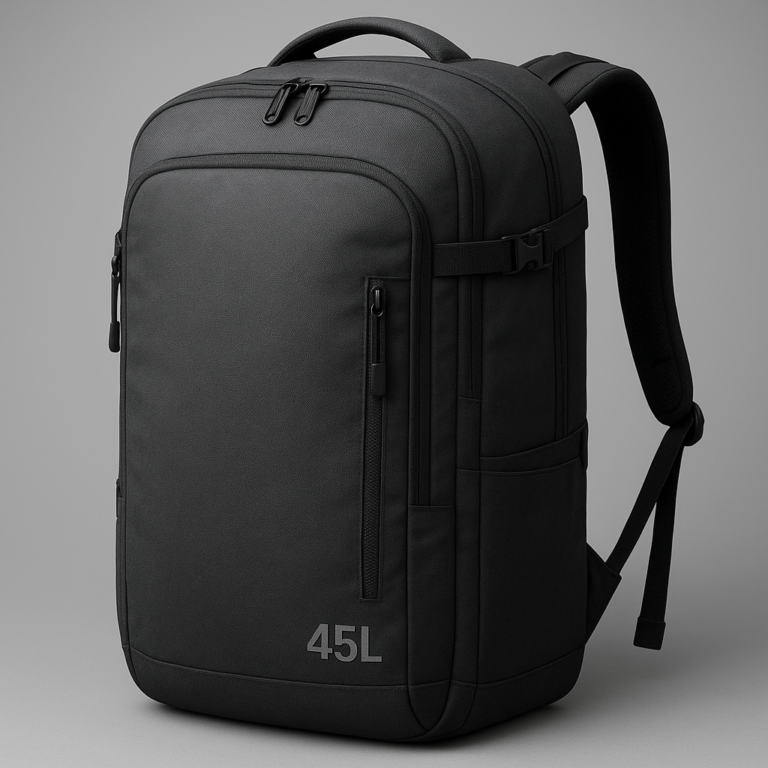
- The Magic Number: For most international travelers, 45 liters is the golden standard. It’s the largest size that typically fits in an overhead bin, saving you from the dreaded checked-bagage fees and the anxiety of lost luggage.
- Volume vs. Dimensions: Backpacks are measured in liters (L), not inches. However, a 45L bag usually translates to roughly 2″ x 14″ x 9″, which is the sweet spot for carry-on limits on major airlines like Delta, United, and Lufthansa.
- The “One-Bag” Philosophy: Many seasoned travelers swear by the one-bag approach. It forces you to pack only what you truly need, making you more agile and less likely to get stuck lugging a 60lb monstrosity through coblestone streets in Prague.
- Fit is King: A 70L pack on a petite frame is a recipe for disaster. Torso length matters more than height. Always adjust the harness to your body, not the other way around.
- Weight Distribution: A well-designed suspension system can make a 30lb pack feel like 15lbs. A bad one will make a 10lb pack feel like a brick.
Pro Tip: If you’re unsure where to start, check out our guide on the best backpack brands for travel to see which manufacturers prioritize ergonomic design.
🕰️ A Brief History of the Travel Backpack: From Rucksacks to Rollerblades

You might wonder, “How did we get from leather satchels to these high-tech, hydration-ready beasts?” The journey is as fascinating as the destinations we explore.
In the early 20th century, the rucksack was a military staple, designed for soldiers to carry heavy loads over rough terrain. It was utilitarian, often made of canvas, and lacked the sophisticated suspension systems we take for granted today. Fast forward to the 1970s, and the outdoor revolution hit. Brands like Gregory and Osprey began experimenting with internal frames and hip belts, shifting the weight from your shoulders to your hips. This was a game-changer.
By the 190s, the travel backpack emerged as a distinct category. No longer just for hiking, these bags featured clamshell zippers (opening like a suitcase) and laptop compartments. The rise of budget airlines in the 20s further refined the market, pushing manufacturers to create bags that maximized space while adhering to strict carry-on dimensions.
Today, we see a blend of urban aesthetics and outdoor durability. Brands like Peak Design and Aer have brought minimalist, tech-focused designs to the forefront, while traditional giants like Deuter and Kelty continue to dominate the rugged adventure sector.
Did you know? The concept of the “hip belt” was popularized by L.L. Bean in the 1930s, but it wasn’t until the 1970s that it became standard on almost every serious backpack.
📏 How Do You Measure Backpack Sizes? Decoding Liters, Dimensions, and Torso Lengths
Confused by the numbers? You’re not alone. Is a 40L bag bigger than a 35L bag? Yes, but by how much? And does a 60L bag fit a 5’2″ person? Let’s break it down.
Understanding Volume: The Liter Lingo
Backpack capacity is measured in liters, which represents the total volume of the bag.
- 1 Liter ≈ The volume of a standard Nalgene water bottle.
- Conversion: 61 cubic inches = 1 liter.
- Visualizing: A 45L bag can theoretically hold 45 Nalgene bottles. In reality, due to irregular shapes (clothes, sleeping bags), you’ll fit less, but it gives you a mental image.
The Critical Factor: Torso Length
This is the most overlooked metric by beginners. Your height does not determine your backpack size; your torso length does.
- Short Torso: < 16 inches
- Medium Torso: 16–19 inches
- Long Torso: > 19 inches
If you buy a “Large” frame backpack with a short torso, the hip belt will ride up on your ribs instead of sitting on your iliac crest (hips), causing back pain and instability.
How to Measure Your Torso
- Find the C7 vertebra: Tilt your head forward; the prominent bump at the base of your neck is C7.
- Find your Iliac Crest: Place your hands on your hips and slide them down until you feel the top of your hip bones.
- Measure the distance between C7 and the midpoint of your iliac crest.
Expert Insight: At Backpack Brands™, we’ve seen countless travelers return bags because they bought based on height. Always measure your torso first! For more on sizing, explore our Backpack Types category.
🎒 The Ultimate Guide to Travel Backpack Capacities: Finding Your Perfect Fit
Now, let’s get to the meat of the matter. Which size is right for your adventure? We’ve broken it down into five distinct categories, from the minimalist day-tripper to the expedition heavyweights.
1. The Day Tripper (0–20 Liters): For City Strolls and Airport Transfers
Perfect for: Day hikes, city tours, or as a personal item on a flight.
- What fits: A light jacket, a water bottle, a camera, a snack, and a map.
- The Vibe: You’re not carrying the world; you’re just carrying your essentials.
- Pros: Ultra-lightweight, easy to stash under an airplane seat.
- Cons: Zero room for overnight gear.
- Best For: Travelers who have a main bag and need a secondary pack for excursions.
2. The Weekend Warrior (20–35 Liters): Perfect for Short Getaways and Carry-Ons
Perfect for: 2–4 day trips, business travel, or minimalist weekenders.
- What fits: 2-3 outfits, toiletries, a pair of shoes, and a small tech kit.
- The Vibe: “I can do this in a carry-on, and I won’t pay a dime for baggage.”
- Pros: Mets almost all airline carry-on restrictions. Easy to manage in crowded trains.
- Cons: Requires strategic packing. No room for bulky winter coats.
- Best For: The “pack light” traveler who values mobility over storage.
3. The Global Nomad (35–45 Liters): The Sweet Spot for International Travel
Perfect for: 1–3 weeks of travel, backpacking across Europe, or digital nomad life.
- What fits: 4-7 outfits, shoes, toiletries, a lightweight jacket, and a laptop.
- The Vibe: This is the holy grail of travel backpacks. It’s big enough for a month-long trip if you wash clothes, but small enough to avoid checked fees.
- Pros: Maximum versatility. Fits in overhead bins on most airlines.
- Cons: Can feel cramped if you’re a heavy packer or traveling in winter.
- Best For: The majority of international travelers. As noted by experts, “A 45-liter pack will afford you all the space you will need for international travels with none of the hassles of checked luggage.”
4. The Extended Explorer (45–60 Liters): For Long-Term Backpacking and Off-Grid Trips
Perfect for: 1–3 months of travel, multi-season trips, or remote locations.
- What fits: Bulky winter gear, camping equipment, extra shoes, and a larger tech setup.
- The Vibe: “I’m going to be gone for a while, and I need my comfort.”
- Pros: Ample space for varied climates and longer durations.
- Cons: Often exceeds carry-on limits, requiring a check-in fee. Can be heavy if overpacked.
- Best For: Travelers heading to destinations with extreme weather or those who prefer a “home away from home” setup.
5. The Expedition Heavyweight (60+ Liters): When You Need to Carry Your Entire Life
Perfect for: Multi-month expeditions, winter camping, or carrying gear for others.
- What fits: Sleeping bags, tents, stoves, food reserves, and heavy clothing.
- The Vibe: “I am prepared for the apocalypse.”
- Pros: Unmatched capacity for serious adventures.
- Cons: Heavy, cumbersome, and almost always requires checking. Not ideal for city hopping.
- Best For: Serious hikers, mountainers, or those traveling to remote areas with no access to shops.
Wait, is bigger always better? Not necessarily. As the video at #featured-video suggests, “It’s not just about leader size, is it? It’s also about the way that the storage is arranged.” A 60L bag with poor organization can feel smaller than a 45L bag with smart compartments.
✈️ Carry-On vs. Checked Luggage: The Great Size Debate for Air Travel
This is the million-dollar question: Do I check my bag or carry it on?
The Case for Carry-On (35–45 Liters)
- Speed: Skip the baggage claim carousel. You’re off the plane and walking out the door in minutes.
- Safety: Your valuables stay with you. No lost luggage nightmares.
- Cost: Save $30–$60 per flight on baggage fees. Over a year of travel, that’s a free flight!
- The Catch: You must adhere to strict dimensions. Budget airlines like Ryanair or Spirit have notoriously small limits.
The Case for Checked Luggage (50+ Liters)
- Freedom: Pack what you want. Bring the heavy boots, the extra camera lens, the souvenir you bought on day one.
- Comfort: No need to constantly monitor your bag in crowded terminals.
- The Catch: Waiting at the carousel, risk of damage or loss, and the extra cost.
The Verdict: If you can fit your needs in 45 liters, go carry-on. If you need more, check your bag, but consider a dual-compartment bag that can be converted into a duffel for easier handling.
🧳 Backpack Features That Matter: Compartments, Zippers, and Suspension Systems
Size isn’t everything. A 45L bag with a terrible suspension system is worse than a 35L bag with a great one. Here’s what to look for:
1. Suspension System
- Hip Belt: Must be padded and adjustable. It should transfer 80% of the weight to your hips.
- Shoulder Straps: Should be S-curved to fit your shoulders naturally.
- Back Panel: Look for ventilated mesh to prevent sweaty backs. Brands like Osprey use their Anti-Gravity suspension for superior airflow.
2. Zippers and Access
- Clamshell Opening: Opens like a suitcase. Essential for packing and unpacking without digging to the bottom.
- Lockable Zippers: A must for hostels and public transport.
- Laptop Sleeve: Should be padded and accessible from the outside.
3. Compartments
- Top Lid: Good for quick access to snacks or a map.
- Front Pocket: Ideal for toiletries or documents.
- Side Pockets: For water bottles or umbrellas.
Pro Tip: Avoid bags with too many external pockets. They add weight and can snag on things. A clean, streamlined design is often more durable.
👩 🦰👨 🦱 Gender-Specific Sizing: Why Men’s and Women’s Backpacks Aren’t Interchangeable
You might think a backpack is a backpack, but anatomy matters. Men and women have different torso lengths, shoulder widths, and hip shapes.
- Women’s Packs: Typically have shorter torso lengths, narrower shoulder straps, and hip belts designed to fit over wider hips.
- Men’s Packs: Longer torso lengths, wider shoulder straps, and hip belts for narrower hips.
Myth Buster: A woman can wear a men’s pack if she has a long torso, and a man can wear a women’s pack if he has a short torso. It’s about fit, not gender. Always try it on with weight in the bag!
🌍 Regional Considerations: Choosing the Right Size for Europe, Asia, and South America
Your destination dictates your pack size.
- Europe: Coblestone streets, narrow hostels, and frequent train travel favor smaller bags (35–45L). You’ll be climbing stairs and squeezing into overhead bins.
- Asia: Humid climates and cheap laundry mean you can pack lighter. A 30–40L bag is often sufficient.
- South America: Rugged terrain and varied climates might require a 45–5L bag, especially if you’re heading to the Andes or Patagonia.
Fact: In many parts of Southeast Asia, you can buy clothes for $5. There’s no need to pack a wardrobe!
🎒 Top Brand Recommendations: Osprey, Peak Design, Tortuga, and More
Let’s talk brands. We’ve tested hundreds, and these are the standouts for travel.
Osprey
- Why: Legendary warranty (All Mighty Guarantee), superior suspension, and a huge range of sizes.
- Top Pick: Osprey Farpoint 40 (Men) / Osprey Fairview 40 (Women). The gold standard for carry-on travel.
- Rating:
- Design: 9/10
- Functionality: 10/10
- Durability: 10/10
- Value: 9/10
Tortuga
- Why: Designed specifically for urban travelers. Slek, professional, and optimized for carry-on.
- Top Pick: Tortuga Setout or Outbreaker 45L.
- Rating:
- Design: 10/10
- Functionality: 9/10
- Durability: 9/10
- Value: 8/10
Peak Design
- Why: Modular, tech-focused, and incredibly stylish. Great for photographers and digital nomads.
- Top Pick: Peak Design Travel Backpack 45L.
- Rating:
- Design: 10/10
- Functionality: 9/10
- Durability: 8/10
- Value: 7/10
Deuter
- Why: German engineering, robust, and great for mixed urban/wilderness trips.
- Top Pick: Deuter Aircontact Lite.
- Rating:
- Design: 8/10
- Functionality: 9/10
- Durability: 10/10
- Value: 9/10
👉 CHECK PRICE on:
- Osprey Farpoint 40: Amazon | Osprey Official
- Tortuga Setout: Amazon | Tortuga Official
- Peak Design Travel 45L: Amazon | Peak Design Official
🛠️ How to Pack a Backpack Efficiently: Maximizing Space Without Breaking Your Back
You’ve got the bag; now, how do you fill it?
- The Bottom: Heavy, bulky items you won’t need until camp (sleeping bag, tent).
- The Middle: Your core weight (clothes, shoes). Keep this close to your back for balance.
- The Top: Items you need quick access to (jacket, snacks, map).
- Compression Straps: Use them! They stabilize the load and reduce the bag’s profile.
- Packing Cubes: These are a game-changer. They compress clothes and keep you organized.
Anecdote: I once tried to fit a week’s worth of clothes into a 30L bag without cubes. It was a disaster. With cubes, I fit two weeks in the same space!
❓ Frequently Asked Questions About Travel Backpack Sizes
What is the ideal backpack capacity for long-term travel?
For long-term travel (3+ months), 45–5 liters is the sweet spot. It allows for varied clothing and gear while remaining manageable. If you’re a minimalist, 40L works. If you need more gear, 5L is the limit before you must check.
How do I choose the right backpack size for my body type?
Measure your torso length. Match the bag’s frame size to your measurement. A bag that fits your torso will distribute weight correctly, regardless of your height.
Is a 40L backpack too big for weekend trips?
Not necessarily. If you pack light, a 40L bag is perfect for a weekend. It gives you room for extra shoes or a camera. Just don’t overfill it!
What size backpack is best for carry-on travel?
35–45 liters is the standard. Always check your airline’s specific dimensions, as budget carriers may have stricter limits.
What size backpack is best for carry-on travel?
(Repeating for emphasis) Stick to 45 liters or less. This is the universal carry-on limit for most major airlines.
How do I choose the right backpack size for my body?
Focus on torso length and hip width. Try the bag on with weight in it. The hip belt should sit on your hips, not your waist.
What is the ideal backpack capacity for a 2-week trip?
40–45 liters is ideal. You can wash clothes once or twice, and you’ll have enough space for essentials without checking a bag.
Which backpack brands offer the best sizing for international travel?
Osprey, Tortuga, and Peak Design are top contenders. They offer a range of sizes and excellent customer support for sizing questions.
🏁 Conclusion

So, what is the best size backpack for traveling? The answer isn’t a single number, but a range of possibilities tailored to your unique journey.
If you’re a minimalist hitting the city streets of Tokyo or Paris, a 35–40L bag is your best friend. It’s agile, carry-on compliant, and forces you to pack smart. If you’re an adventurer heading to the Andes or spending a month in Southeast Asia, a 45–5L bag offers the perfect balance of space and mobility. And if you’re tackling a multi-month expedition, don’t be afraid to go 60L+, but remember: the heavier the load, the more you need a top-tier suspension system.
Our Top Recommendation: For 90% of travelers, the 45-liter capacity is the golden mean. It fits the carry-on constraints of most airlines, holds enough gear for a month-long trip, and keeps you agile. Brands like Osprey (Farpoint/Fairview 40) and Tortuga (Setout/Outbreaker) have mastered this size, offering durability, comfort, and style.
Final Thought: Don’t let the size of your bag define your trip. Let your packing skills and mindset do the work. As we’ve learned, a well-packed 40L bag can hold more than a poorly packed 70L one. So, measure your torso, choose wisely, and hit the road!
Ready to find your perfect match? Check out our Backpack Reviews for in-depth tests of the latest models.
🔗 Recommended Links
👉 Shop Top Travel Backpacks:
- Osprey Farpoint 40: Amazon | Osprey Official
- Tortuga Setout: Amazon | Tortuga Official
- Peak Design Travel 45L: Amazon | Peak Design Official
- Deuter Aircontact Lite: Amazon | Deuter Official
Recommended Books:
📚 Reference Links
- Osprey: Osprey Official Website
- Tortuga: Tortuga Official Website
- Peak Design: Peak Design Official Website
- The Pedal Project: Guide to Backpack Sizes Volumes
- Knack Bags: How to Choose the Best Travel Backpack Size
- Backpack Brands™: Best Backpack Brands for Travel
❓ Frequently Asked Questions (FAQ)

What is the ideal backpack capacity for long-term travel?
For long-term travel (3+ months), 45–5 liters is the sweet spot. It allows for varied clothing and gear while remaining manageable. If you’re a minimalist, 40L works. If you need more gear, 5L is the limit before you must check.
Read more about “🎒 15 Most Popular Backpacks of 2026: The Ultimate Guide”
How do I choose the right backpack size for my body type?
Measure your torso length. Match the bag’s frame size to your measurement. A bag that fits your torso will distribute weight correctly, regardless of your height.
Read more about “Who Uses Backpacks the Most? Top 10 Surprising Groups (2025) 🎒”
Is a 40L backpack too big for weekend trips?
Not necessarily. If you pack light, a 40L bag is perfect for a weekend. It gives you room for extra shoes or a camera. Just don’t overfill it!
Read more about “Peak Design Travel Backpack Review (2026): The Ultimate 12-Point Breakdown 🎒”
What size backpack is best for carry-on travel?
35–45 liters is the standard. Always check your airline’s specific dimensions, as budget carriers may have stricter limits.
Read more about “Hiking vs. Everyday Backpacks: 7 Key Differences Revealed 🎒”
How do I choose the right backpack size for my body?
Focus on torso length and hip width. Try the bag on with weight in it. The hip belt should sit on your hips, not your waist.
What is the ideal backpack capacity for a 2-week trip?
40–45 liters is ideal. You can wash clothes once or twice, and you’ll have enough space for essentials without checking a bag.
Which backpack brands offer the best sizing for international travel?
Osprey, Tortuga, and Peak Design are top contenders. They offer a range of sizes and excellent customer support for sizing questions.
Read more about “🎒 15 Brands Better Than Osprey? (2026)”
📚 Reference Links
- Osprey: Osprey Official Website
- Tortuga: Tortuga Official Website
- Peak Design: Peak Design Official Website
- The Pedal Project: Guide to Backpack Sizes Volumes
- Knack Bags: How to Choose the Best Travel Backpack Size
- Backpack Brands™: Best Backpack Brands for Travel