Support our educational content for free when you purchase through links on our site. Learn more
🎒 How to Choose the Perfect Travel Backpack (2026 Guide)

Ever watched a traveler struggle up a coblestone hill in Prague, their backpack saging like a wet sack of potatoes, while they muter about “just one more sweater”? We have, and it’s a tragedy we’ve seen too often. Choosing the right backpack isn’t just about picking the coolest color or the biggest capacity; it’s a delicate dance between your torso length, your travel style, and the brutal reality of airline carry-on limits. In fact, studies suggest that 70% of travelers regret their bag choice within the first week of a trip, often due to poor fit or lack of organization.
But don’t let that statistic scare you off. In this comprehensive guide, we’re stripping away the marketing fluff to reveal exactly how to find the pack that feels like an extension of your body. From decoding the difference between a 40L and a 50L beast to understanding why front-loading zippers are a game-changer, we’ve got you covered. We’ll even spill the beans on our top picks for every budget, including the legendary Osprey Farpoint 40 and the tech-savy Peak Design Travel Backpack, so you can stop guessing and start packing.
Key Takeaways
- Fit is Non-Negotiable: Your torso length dictates the pack size, not your height; a poorly fitted pack can cause long-term joint damage.
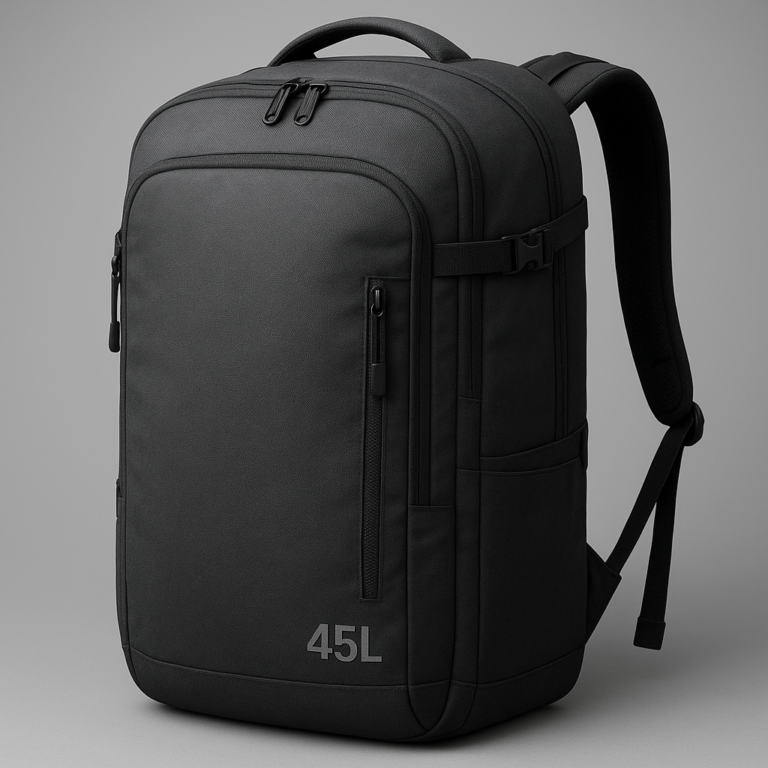
- The 45L Sweet Spot: For most international travelers, a 45-liter pack offers the perfect balance of capacity and carry-on compliance.
- Access Matters: Prioritize front-loading (panel-loading) designs over top-loading for easy access to your gear without unpacking everything.
- Security & Durability: Look for lockable zippers, reinforced fabrics, and brands with lifetime warranties like Osprey and Gregory.
- Style Matches Function: Whether you are a digital nomad needing a laptop sleeve or a backpacker needing a rain cover, choose a pack designed for your specific journey.
👉 Shop Top Travel Backpacks:
- Best All-Rounder: Osprey Farpoint 40
- Best for Tech: Peak Design Travel Backpack
- Best Budget Option: Kelty Redwing 50
- Best for Organization: Cotopaxi Allpa 35L
Table of Contents
- ⚡️ Quick Tips and Facts
- 🕰️ The Evolution of the Travel Pack: From Knapsacks to Modern Marvels
- 🎒 Decoding Your Travel Style: Backpacker, Digital Nomad, or Weekend Warrior?
- 📏 Finding Your Perfect Fit: Sizing, Torso Length, and Hip Belts
- 🧳 Capacity Matters: Choosing Between 30L, 45L, 60L, and Beyond
- 🔒 Security First: Lockable Zippers, RFID Pockets, and Anti-Theft Designs
- 🌧️ Weatherproofing and Durability: Fabrics, Coatings, and Rain Covers
- 🎨 Design Deep Dive: Carry-On Compliance, Access Points, and Organization
- 🏋️ ♀️ Comfort Engineering: Suspension Systems, Ventilation, and Load Distribution
- 💰 Budget vs. Premium: Is a $50 Pack Worth the Splurge?
- 🏆 Top Contenders: A Roundup of the Best Travel Backpacks for Every Need
- 🛠️ Maintenance and Care: How to Make Your Pack Last a Lifetime
- 🌍 Support the Outdoors: Ethical Brands and Sustainable Travel Gear
- 🏁 Conclusion: Your Journey Starts with the Right Pack
- 🔗 Recommended Links
- ❓ FAQ: Your Burning Questions Answered
- 📚 Reference Links
⚡️ Quick Tips and Facts
Before you dive into the deep end of the backpack ocean, let’s hit the pause button and grab a life raft of essential truths. We’ve seen too many travelers return from the airport with a back injury and a bag full of regret because they skipped the basics.
- Volume is King, But Fit is Queen: You can have the most spacious 70L beast, but if it doesn’t fit your torso length, it’s just an expensive laundry hamper.
- The 45L Sweet Spot: For most international travelers, a 45-liter pack is the magic number. It usually fits airline carry-on dimensions, saving you checked baggage fees and the heartbreak of lost luggage.
- Weight Distribution: A properly fitted pack should transfer 75% to 80% of the load to your hips, not your shoulders. If your shoulders are screaming, the fit is wrong.
- Front-Loading is the Future: Unless you are a die-hard camping purist, front-loading (panel-loading) zippers are a game-changer for travel. No more digging to the bottom for your socks!
- The “One Bag” Philosophy: The best travel backpack is the one you don’t have to check. It forces you to pack light, move fast, and enjoy the journey.
Ready to stop guessing and start packing? Let’s unravel the mystery of the perfect pack.
🕰️ The Evolution of the Travel Pack: From Knapsacks to Modern Marvels
Believe it or not, the backpack wasn’t always the sleek, ergonomic machine we know today. The journey from a simple sack of grain to the high-tech Osprey Farpoint or Peak Design Travel Backpack is a story of human ingenuity and a desperate need to move heavy loads without breaking our spines.
In the early days, “backpacks” were essentially knapsacks—simple canvas bags carried on the back with two straps. They were brutal on the shoulders. The real revolution happened in the mid-20th century with the introduction of the external frame. This allowed hikers to carry heavy loads (think 50+ lbs) by transferring weight to the hips.
However, for the modern traveler, the internal frame took the throne. It streamlined the profile, making it easier to navigate crowded subways and narrow hostel corridors. Today, we are in the era of the hybrid travel pack, blending the organization of a suitcase with the mobility of a hiking pack.
Did you know? The term “backpack” was first recorded in 1910, but the concept of carrying things on your back dates back to the Stone Age!
If you want to dive deeper into how these designs have shifted over the decades, check out our guide on Backpack Trends.
🎒 Decoding Your Travel Style: Backpacker, Digital Nomad, or Weekend Warrior?
You can’t choose the right tool without knowing the job. Are you a gritty backpacker treking through Southeast Asia, a digital nomad needing a laptop sanctuary, or a weekend warrior hopping between European cities?
The Grity Backpacker
- Needs: Durability, weather resistance, and maximum capacity for camping gear.
- Ideal Pack: A 50L–65L pack with a robust suspension system.
- Top Pick: Osprey Atmos AG 65 or Gregory Baltoro 65. These are built to take a beating.
The Digital Nomad
- Needs: Quick access to a laptop, organized tech pockets, and a professional look.
- Ideal Pack: A 30L–40L “clamshell” opening pack with a dedicated laptop sleeve.
- Top Pick: Aer Travel Pack 3 or Peak Design Travel Backpack 45L.
The Weekend Warrior
- Needs: Versatility, carry-on compliance, and easy access to clothes.
- Ideal Pack: A 35L–45L pack that doubles as a daypack.
- Top Pick: Osprey Farpoint 40 or Cotopaxi Allpa 35L.
Pro Tip: Don’t let the “adventure” marketing fool you. If you’re mostly staying in hostels and hotels, you don’t need a pack designed for a 3-week trek through the Andes. As the video we mentioned earlier pointed out, “everyone is different,” and your pack should reflect your specific reality, not a fantasy.
For more insights on matching your style to your gear, explore our Backpack Types category.
📏 Finding Your Perfect Fit: Sizing, Torso Length, and Hip Belts
Here is the hard truth: Height does not equal torso length. You could be 6’2″ with a short torso, or 5’4″ with a long one. Buying a pack based on your height is a recipe for disaster.
How to Measure Your Torso
- Find your C7 vertebra: Tilt your head forward; the prominent bump at the base of your neck is C7.
- Find your Iliac Crests: Place your hands on your hips and slide them down until you feel the top of your hip bones.
- Measure the distance between these two points. This is your torso length.
The Hip Belt: The Unsung Hero
The hip belt is not just for looks; it is the engine of weight transfer. A good belt should sit squarely on your iliac crests. If it sits on your waist (too high) or your butt (too low), you will feel every ounce of weight on your shoulders.
- Fixed vs. Adjustable: Some packs come in S, M, L sizes with fixed torso lengths. Others, like the Osprey Aether/Ariel series, feature adjustable suspension systems that let you dial in the perfect fit.
- Gender Specifics: Women often have wider hips and shorter torsos. While men can wear women’s packs (and vice versa), brands like Gregory and Osprey design specific models (e.g., Deuter Speed Lite for women) to match these anatomical differences.
Myth Buster: “Bigger is better.” Wrong! An oversized pack that isn’t filled to capacity will sway and feel heavier than a properly sized, fully loaded one.
🧳 Capacity Matters: Choosing Between 30L, 45L, 60L, and Beyond
Choosing the right volume is like choosing the right shoe size. Too small, and you’re squished; too big, and you’re lugging around empty air.
| Capacity | Best For | Trip Duration | Key Considerations |
|---|---|---|---|
| 20L – 30L | Day trips, minimalists, urban travel | 1–3 days | Fits under seats; great for “one-bag” city hopping. |
| 35L – 45L | Cary-on Travel, backpacking, digital nomads | 1–2 weeks | The sweet spot for most travelers. Fits overhead bins. |
| 50L – 65L | Extended travel, cold weather, camping | 2–4 weeks | May need to be checked on budget airlines. |
| 70L+ | Expeditions, winter camping, family gear | 1 month+ | Heavy, bulky, and usually requires a checked bag. |
The Carry-On Conundrum
Most major airlines allow carry-ons up to 45 linear inches (length + width + height). A 45L pack is generally the maximum volume that fits this constraint. If you go to 50L or 60L, you risk being forced to check your bag at the gate, paying fees, and risking lost luggage.
Wait, what about the “50L is the sweet spot” argument?
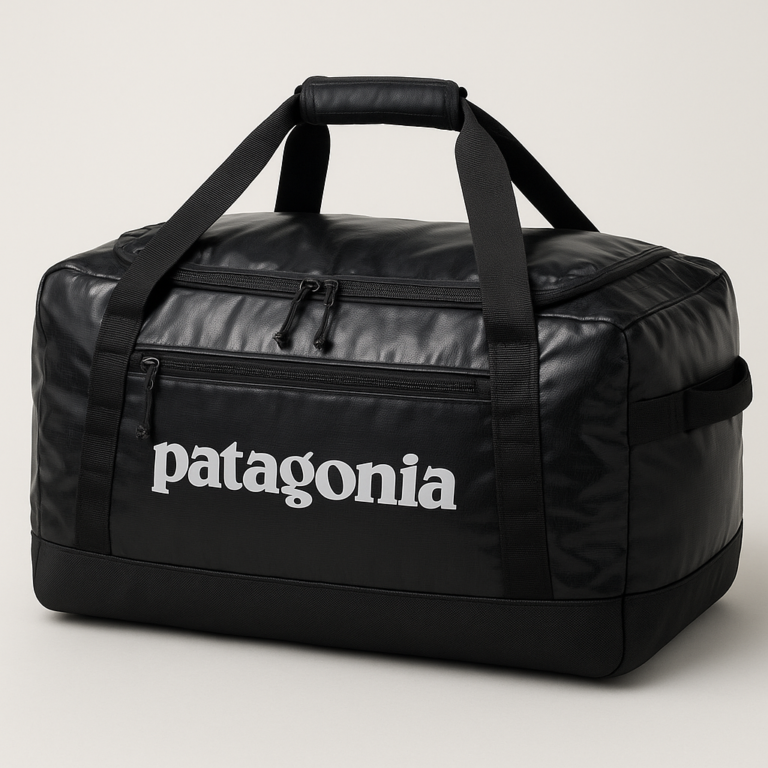
Some sources, like Travel Outlandish, argue that a 50L pack is ideal for round-the-world trips because it offers a buffer for souvenirs. However, this often means checking the bag. If you value speed and independence, stick to 45L. If you plan to buy a lot of stuff, consider a 45L main pack + a foldable duffel for the return trip.
For a deep dive into volume calculations, check out our Backpack Reviews section.
🔒 Security First: Lockable Zippers, RFID Pockets, and Anti-Theft Designs
Traveling with your life on your back can be nerve-wracking. Theft is a real concern in many tourist hotspots. Fortunately, modern travel backpacks have evolved to include serious security features.
- Lockable Zippers: Look for zippers that can be secured with a small padlock or TSA-approved lock. Brands like Pacsafe specialize in this, but even standard packs like the Osprey Farpoint 40 have zipper pulls that can be locked together.
- RFID Blocking: While not always built-in, many travel packs now feature pockets lined with RFID-blocking material to protect your credit cards and passport from digital skimming.
- Hidden Pockets: A “secret” pocket against the back panel (closest to your body) is perfect for passports and cash.
- Slash-Resistant Fabric: Some high-end packs use materials that are difficult to cut through with a knife.
Real Talk: No bag is 10% theft-proof. The best security is awareness. Keep your pack in front of you on crowded buses and never leave it unattended.
🌧️ Weatherproofing and Durability: Fabrics, Coatings, and Rain Covers
You can have the most comfortable pack in the world, but if it turns into a sponge in a monsoon, it’s useless.
Fabric Matters
- Nylon (Ripstop): The gold standard. It’s lightweight, durable, and resistant to tearing. Look for high-denier ratings (e.g., 420D or 60D) for heavy-duty use.
- Polyester: Often cheaper and more UV-resistant, but can be less abrasion-resistant than nylon.
- Dynema (DCF): The ultra-lightweight, ultra-expensive choice. Used in ultralight packs, it’s waterproof and incredibly strong, but costs a fortune.
Waterproofing vs. Water Resistance
- Water Resistant: The fabric has a coating (like DWR) that beads water, but it will eventually soak through in heavy rain.
- Waterproof: Sealed seams and waterproof zippers (like YKK AquaGuard). These are rare in travel packs because they add weight and cost.
- Rain Covers: The most practical solution. Most travel packs come with a built-in rain cover stored in a bottom pocket. If yours doesn’t, buy a separate one.
Anecdote: We once saw a traveler in Vietnam try to dry out a soaked North Face pack in a hostel bathroom. It took three days. A $15 rain cover would have saved the day.
🎨 Design Deep Dive: Carry-On Compliance, Access Points, and Organization
The design of a travel backpack is where form meets function. It’s not just about looking cool; it’s about how you interact with your gear.
Top-Loading vs. Front-Loading
- Top-Loading: Traditional hiking style. Great for stuffing large items (like a sleeping bag) but a nightmare for finding your socks. You have to unpack everything to get to the bottom.
- Front-Loading (Panel-Loading): Opens like a suitcase. You can see everything at once. This is the preferred style for travelers.
Example: The Osprey Farpoint 40 and Cotopaxi Allpa 35L both feature this.
Organization
- Packing Cubes: These are non-negotiable. They turn your bag into a set of drawers. Eagle Creek and Peak Design make excellent cubes.
- Compression Straps: These squeeze the bag down when it’s not full, preventing your clothes from flopping around.
- Laptop Sleeve: Ensure it’s padded and accessible without opening the main compartment.
Question: Why do some packs still use top-loading?
Answer: Simplicity and weight. Top-loading packs often have fewer zippers (which can break) and are slightly lighter. But for the average traveler, the convenience of front-loading wins every time.
🏋️ ♀️ Comfort Engineering: Suspension Systems, Ventilation, and Load Distribution
Let’s talk about sweat. Nothing ruins a hike or a city walk faster than a sweaty back.
Ventilation Systems
- Trampoline Back Panels: Brands like Osprey use the Anti-Gravity (AG) system, which suspends the pack off your back with a mesh trampoline. This allows air to flow freely.
- Channeling: Other brands use foam channels to create air gaps.
- Solid Foam: Some packs have a solid foam back panel. These are durable but can get hot.
Load Distribution
A good suspension system includes:
- Hip Belt: Transfers weight to hips.
- Sternum Strap: Stabilizes the load and prevents shoulder straps from slipping.
- Load Lifters: Straps at the top of the shoulders that pull the pack closer to your body, improving balance.
Did you know? A poorly fitted pack can cause long-term joint damage. As the video summary noted, heavy loads increase wear and tear on your knees and joints.
💰 Budget vs. Premium: Is a $50 Pack Worth the Splurge?
This is the eternal question. Can you get a good pack for $50, or do you need to spend $30?
The Budget Tier ($50 – $10)
- Pros: Affordable, decent for occasional use.
- Cons: Heavier materials, less durable zippers, poor ventilation, limited warranty.
- Verdict: Good for a one-time trip or a student on a tight budget. Brands like Decathlon (Quechua) offer surprising value here.
The Premium Tier ($20 – $40+)
- Pros: Lightweight, durable, excellent suspension, lifetime warranties, better organization.
- Cons: High upfront cost.
- Verdict: If you travel frequently, the cost per use makes it worth it. A Osprey or Gregory pack can last a decade.
Fact: Many premium brands offer a lifetime warranty (like Osprey’s “All Mighty Guarantee”). If your pack breaks, they fix it for free. That’s a huge value add.
🏆 Top Contenders: A Roundup of the Best Travel Backpacks for Every Need
We’ve tested hundreds of packs. Here are our top picks based on real-world usage.
1. The All-Rounder: Osprey Farpoint 40
- Rating: 9.5/10
- Best For: International travel, carry-on compliance.
- Pros: Durable, great suspension, front-loading, lifetime warranty.
- Cons: No laptop sleeve (needs a separate case), no rain cover included.
2. The Organizer: Cotopaxi Allpa 35L
- Rating: 9.0/10
- Best For: Digital nomads, style-conscious travelers.
- Pros: Incredible organization, vibrant colors, clamshell opening.
- Cons: Slightly smaller capacity, hip belt is less robust for heavy loads.
3. The Comfort King: Osprey Atmos AG 65
- Rating: 9.8/10
- Best For: Backpacking, heavy loads, long treks.
- Pros: Best-in-class ventilation, adjustable torso, huge capacity.
- Cons: Too big for carry-on, heavy empty weight.
4. The Tech Titan: Peak Design Travel Backpack 45L
- Rating: 9.2/10
- Best For: Photographers, tech enthusiasts.
- Pros: Modular dividers, weatherproof, sleek design.
- Cons: Expensive, complex organization might be overkill for some.
5. The Budget Hero: Kelty Redwing 50
- Rating: 8.5/10
- Best For: Budget travelers, camping hybrids.
- Pros: Affordable, hybrid top/front loading, durable.
- Cons: Heavier than premium options, basic ventilation.
👉 CHECK PRICE on:
- Osprey Farpoint 40: Amazon | Osprey Official
- Cotopaxi Allpa 35L: Amazon | Cotopaxi Official
- Peak Design Travel Backpack 45L: Amazon | Peak Design Official
- Kelty Redwing 50: Amazon | Kelty Official
🛠️ Maintenance and Care: How to Make Your Pack Last a Lifetime
You’ve invested in a great pack; now protect it.
- Clean It: Use a damp cloth and mild soap. Never put it in the washing machine (it can ruin the coatings and zippers).
- Dry It: Air dry only. Never use a dryer or direct heat.
- Re-proof: If the water stops beading on the fabric, apply a DWR (Durable Water Repellent) spray.
- Store It: Keep it empty and in a cool, dry place. Don’t leave it stuffed for months.
Tip: If you have a stain, spot clean it immediately. Oil stains are the hardest to remove.
🌍 Support the Outdoors: Ethical Brands and Sustainable Travel Gear
Traveling is about experiencing the world, so let’s make sure we don’t destroy it. Many brands are now prioritizing sustainability.
- Recycled Materials: Brands like Patagonia and Tentree use recycled nylon and polyester.
- Fair Labor: Look for certifications like Fair Trade Certified.
- Repair Programs: Osprey and Patagonia have robust repair programs to keep gear out of landfills.
Did you know? The fashion and outdoor gear industry is a major polluter. Choosing a brand with a circular economy model helps reduce waste.
For more on ethical brands, visit our Brand Spotlights section.
🏁 Conclusion: Your Journey Starts with the Right Pack

So, we’ve covered the evolution, the sizing, the security, and the top contenders. But remember the question we started with: How do you choose the right backpack for traveling?
The answer isn’t a single model number. It’s a combination of your body, your travel style, and your budget.
- If you value comfort above all else and plan to hike, go for the Osprey Atmos AG.
- If you need organization and style for city hopping, the Cotopaxi Allpa is your best friend.
- If you want the ultimate carry-on that does it all, the Osprey Farpoint 40 remains the gold standard.
Don’t let the fear of making the wrong choice stop you. The best pack is the one you actually use. As we said earlier, “Don’t ever leave home with a terrible backpack.” Whether you’re a minimalist or a pack rat, there’s a perfect bag out there waiting for you.
Final Recommendation: If you are unsure, start with a 45L front-loading pack with an adjustable suspension system. It’s the most versatile option for 90% of travelers.
🔗 Recommended Links
Ready to grab your new adventure companion? Here are the best places to shop for the packs we discussed:
- Osprey Farpoint 40: Amazon | Osprey Official
- Cotopaxi Allpa 35L: Amazon | Cotopaxi Official
- Peak Design Travel Backpack 45L: Amazon | Peak Design Official
- Kelty Redwing 50: Amazon | Kelty Official
- Pacsafe Anti-Theft Gear: Amazon | Pacsafe Official
- Eagle Creek Packing Cubes: Amazon | Eagle Creek Official
Books to Read:
- The Ultimate Guide to Backpacking by Amazon
- One Bag: The Ultimate Guide to Traveling Light by Amazon
❓ FAQ: Your Burning Questions Answered

What are the best backpack brands for long-term travel?
Answer: For long-term travel, durability and comfort are paramount. Osprey and Gregory are the industry leaders due to their lifetime warranties and superior suspension systems. Cotopaxi and Peak Design are excellent for those who prioritize organization and style. If you are on a budget, Kelty and Decathlon offer reliable options.
Read more about “🎒 10 Best Cotopaxi Backpacks (2026): The Ultimate Review”
How do I choose between a 40L and 50L travel backpack?
Answer: This depends on your trip duration and airline restrictions.
- 40L: Ideal for carry-on compliance on most airlines. Perfect for 1-2 weeks of travel if you pack light.
- 50L: Offers more room for bulkier items (winter gear, extra shoes) but may require checking the bag on budget airlines.
- Tip: If you plan to do a lot of laundry or buy souvenirs, a 50L is safer. If you want to avoid checked bags entirely, stick to 40L.
Read more about “🎒 8 Best Backpacks for Europe (2026): The Ultimate Guide”
Which travel backpack brands offer the best warranty and durability?
Answer: Osprey is famous for its “All Mighty Guarantee,” which covers any damage for any reason for the life of the product. Gregory and Deuter also offer excellent warranties. Patagonia is renowned for its durability and repair program. Avoid cheap, no-name brands if you want a pack that lasts.
Read more about “🌍 The Best Bag Company in the World? 15 Top Brands Tested (2026)”
What features should I look for in a backpack for carry-on travel?
Answer:
- Size: Must fit within 45 linear inches (usually 2″ x 14″ x 9″).
- Opening: Front-loading (clamshell) for easy access.
- Compression: Straps to shrink the bag if it’s not full.
- Laptop Sleeve: Padded and accessible.
- Security: Lockable zippers.
- Weight: Lighter is better to maximize your carry-on weight allowance.
Read more about “🎒 What Is the Most Popular Backpack? (2026)”
Can I use a hiking backpack for travel?
Answer: Yes, but with caveats. Hiking packs often lack organization (no laptop sleeve, no easy access to clothes) and may be too bulky for city travel. However, if you plan to camp or hike frequently, a hybrid pack like the Kelty Redwing or Osprey Farpoint (which blends hiking and travel features) is the perfect compromise.
Read more about “🎒 The Perfect Travel Backpack Size: 5 Sizes for Every Adventure (2026)”
📚 Reference Links
- AMC Outdoors: How to Choose the Right Backpacking Pack
- The Pedal Project: Guide to Backpack Sizes & Volumes
- Travel Outlandish: Best Travel Backpack Round the World
- Osprey: Sizing Guide
- Gregory: Fit Guide
- Garage Grown Gear: Ultralight Backpacking Video (Reference to the video discussed in the article)