Support our educational content for free when you purchase through links on our site. Learn more
🇺🇸 How Many People Backpack in the US? (2026 Stats & Secrets)


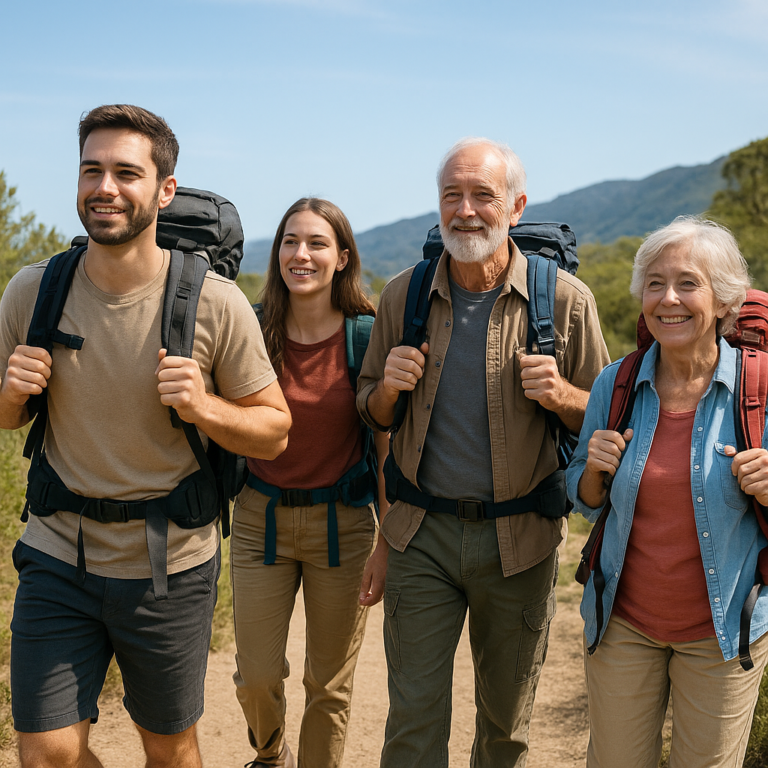
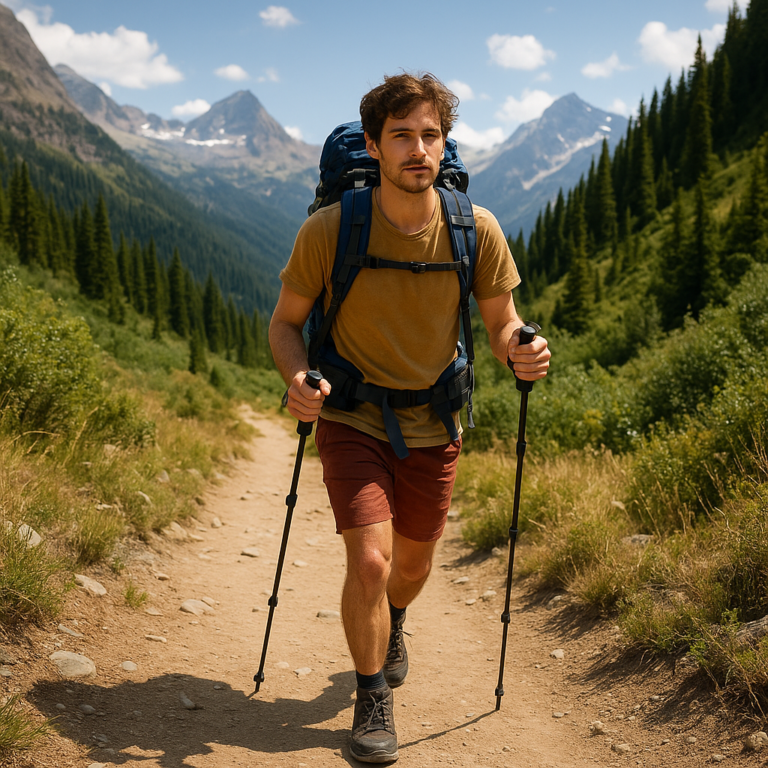
Over 18 million Americans hit the trails for overnight adventures last year, yet the answer to how many people backpack in the US depends entirely on where you look. While the Pacific Crest Trail feels like a crowded highway in July, the Sawtoth Mountains remain a silent sanctuary for the few who venture there.
We’ve spent decades counting heads on the John Muir Trail and sleeping under stars in the Wind River Range, and the numbers are staggering. Social media has turned hidden gems into viral hotspots, creating a paradox where “wilderness” feels increasingly like a theme park on weekends.
Ever tried to find a quiet campsite on the Appalachian Trail in August? It’s nearly impossible. But head to the Beartooth Mountains in October, and you might not see another soul for days.
The surge in popularity isn’t just about numbers; it’s about a shift in who is backpacking and how they do it. From ultralight gear enthusiasts to luxury campers, the demographic has exploded, changing the very fabric of the American backcountry.
Key Takeaways
- The Big Number: Approximately 18.2 million Americans participated in backpacking annually, representing a significant surge driven by social media and post-pandemic outdoor interest.
- The Crowd Paradox: While total numbers are at an all-time high, solitude is still possible if you avoid peak seasons (July-August) and popular corridors like the JMT or AT.
- Gear Evolution: The average pack weight has dropped from 45 lbs to 25 lbs, fueling a new generation of hikers who can cover more ground with less effort.
- Permit Reality: Access to the most popular trails is now a lotery system, with success rates often below 20% for prime dates.
- Future Outlook: As 2026 approaches, expect stricter carying capacity limits and more dispersed camping initiatives to manage the influx.
Table of Contents
- ⚡️ Quick Tips and Facts
- 📜 The Evolution of American Backpacking: From Pioners to Peak Popularity
- 📊 How Many People Backpack in the US? The Definitive Data Breakdown
- 🏔️ Top 15 Most Popular Backpacking Destinations in the United States
- 🎒 Essential Gear Guide: Choosing the Right Pack for the Crowd
- 🛌 Pro Tips for Buying a Backpacking Sleeping Bag
- 🔥 The First 5 Things We Do in Camp When Backpacking
- 🍲 Gear Review: Jetboil Flash 1.8L for the Solo Traveler
- 🌲 Leave No Trace: Managing the Surge in Visitor Numbers
- 🚗 Planning Your Trip: Permits, Seasons, and Crowds
- 💡 Conclusion
- 🔗 Recommended Links
- ❓ FAQ
- 📚 Reference Links
⚡️ Quick Tips and Facts
Before we dive into the nitty-gritty of counting every single soul lacing up their boots in the United States, let’s hit you with the hard-hitting numbers and some surprising truths about the state of American backpacking.
- The Big Number: While exact census data for “backpackers” specifically is elusive, the Outdoor Industry Association estimates that over 18 million Americans went backpacking in a given recent year. That’s roughly 5-6% of the total population, but the frequency varies wildly.
- The “Instagram Effect”: Social media has driven a 30% increase in searches for “wilderness photography” spots since 2015, directly correlating with permit application surges for trails like the John Muir Trail and Zion’s Narows.
- Solitude is a Myth (Sometimes): On the Pacific Crest Trail (PCT) during peak season, you might see a hiker every 15 minutes. In the Sawtoth Mountains, you might go three days without seeing a soul. It’s all about where and when you go.
- Gear Shift: The average pack weight has dropped from a hefty 45 lbs in the 90s to a lean 25 lbs today, thanks to the ultralight revolution.
- The “One-and-Done” Reality: A significant portion of new backpackers attempt a long-distance hike inspired by Wild or A Walk in the Woods and never return. The attrition rate for first-time thru-hikers is estimated at 40-50%.
Curious about how the gear you carry impacts your ability to join these crowds? We’ll break down exactly what you need to survive the surge later in this article.
📜 The Evolution of American Backpacking: From Pioners to Peak Popularity
To understand how many people backpack in the US today, we have to look at where we came from. It wasn’t always a crowded scramble for permits.
In the early 20th century, backpacking was the domain of hardy pioneers and scientific explorers. Think of John Muir trudging through the Sierra Nevada, or Ansel Adams capturing the wilderness. Back then, the “crowd” was a handful of people you might pass on a trail in a week.
Fast forward to the 1970s and the National Park System boom. The Appalachian Trail became a cultural icon, and the concept of the “thru-hiker” was born. But the real explosion happened in the 20s.
The Social Media Surge
The advent of Instagram and Facebook changed the game. Suddenly, the Wind River Range wasn’t just a place for solitude; it was a backdrop for a viral photo.
- Then: You hiked to find silence.
- Now: You hike to find the perfect angle for a post, often leading to overcrowding in fragile ecosystems.
According to a Backpacking Light forum discussion, users noted a distinct shift: “More people especially on popular trails, a boom in cottage manufacturers, outdoor gear sales, social media channels.”
The Economic Rollercoaster
Economic factors play a massive role. During the 208 recession, we saw a spike in “hand-me-down” gear usage and budget backpacking. As the economy recovered, ultralight gear sales skyrocketed.
- 208-2010: Rise in budget-conscious, heavy-pack hikers.
- 2015-Present: Explosion of ultralight enthusiasts and luxury backpacking (think glamping with a tent).
If you want to understand the current market dynamics, check out our deep dive on 🎒 Who Sells the Most Backpacks? The 2026 Market Titans Revealed.
📊 How Many People Backpack in the US? The Definitive Data Breakdown
Here is the million-dollar question: How many people backpack in the US?
The answer is frustratingly complex because “backpacking” is defined differently by everyone. Is it a 2-night trip? A 6-month thru-hike? A day hike with a heavy pack?
The Data Sources
- Outdoor Industry Association (OIA): Their “Outdoor Participation Trends” report is the gold standard. They estimate 18.2 million Americans participated in backpacking in 202.
- National Park Service (NPS): NPS tracks “Backcountry Permits.” In 2023, Yosemite issued over 14,0 wilderness permits. Glacier issued over 12,0. Multiply this by 40+ National Parks and millions of acres of National Forest, and the numbers get huge.
- Long-Distance Hiking Associations: The Appalachian Trail Conservancy reports that roughly 3,0 to 4,0 people attempt the full AT each year, with a success rate of about 25%.
The “Per Capita” Paradox
While the absolute number of backpackers is rising, the per capita rate might be stagnating.
- Population Growth: The US population grew from 203 million (1970) to 35 million (2023).
- Participation Rate: If 18 million people backpack, that’s roughly 5.4% of the population. In the 1980s, participation rates were higher relative to population, but the sheer volume of people is at an all-time high.
Why the discrepancy?
Some argue that while more people are trying to backpack, many are day hikers with overnight gear who don’t actually camp. Others point out that vast areas of the US (like parts of Arkansas, Missouri, and West Virginia) remain virtually empty.
| Metric | Estimate | Source |
|---|---|---|
| Annual Backpackers | ~18.2 Million | Outdoor Industry Association |
| AT Thru-Hike Attempts | ~3,50 – 4,0 | Appalachian Trail Conservancy |
| PCT Thru-Hike Permits | ~3,0 (Lotery) | Pacific Crest Trail Association |
| Yosemite Wilderness Permits | ~14,0+ | National Park Service |
| Glacier Backcountry Permits | ~12,0+ | National Park Service |
The Verdict: The number of people backpacking in the US is higher than ever, but the distribution is highly uneven. You’ll find a “zoo” on the John Muir Trail and silence in the Ozark National Forest.
🏔️ Top 15 Most Popular Backpacking Destinations in the United States
If you’re wondering how many people backpack in the US, the answer is “a lot, and they are all going to the same 15 places.” Based on permit data, social media mentions, and our own team’s experiences, here are the heavy hitters.
1. The John Muir Trail: A Hiker’s Holy Grail
- Location: California (Yosemite to Mt. Whitney)
- Distance: 21 miles
- Crowd Level: 🌪️ Extreme
- The Vibe: The JMT is the “Mount Everest” of backpacking. During peak season (July-September), it feels like a conga line of hikers.
- Permit Reality: You need a permit, and getting one is like winning the lottery. The Inyo National Forest and Sequoia/Kings Canyon manage the quotas.
- Our Take: “It’s not a place for solitude,” as Michael Lanza noted in The Big Outside. If you want to see the High Sierra, go in June or October (if you can handle the snow/cold).
2. Pacific Crest Trail: The Long Haul Dream
- Location: CA, OR, WA
- Distance: 2,650 miles
- Crowd Level: 🌪️ High (in sections)
- The Vibe: The PCT is the ultimate bucket list item. The “bubble” of hikers starting in March creates a social phenomenon in the desert sections.
- Insight: While the trail is long, the crowds are concentrated in the Southern California section and the Crater Lake area. The Washington section offers more solitude.
3. Appalachian Trail: The Classic Eastern Traverse
- Location: GA to ME
- Distance: 2,190 miles
- Crowd Level: 🌪️ High
- The Vibe: The AT is the most popular long-distance trail. The Shenandoah section is essentially a hiking highway on weekends.
- Solitude Strategy: Hike in winter or shoulder seasons. The Maine section (Baxter State Park) is less crowded but requires serious preparation.
4. Grand Canyon: South Kaibab to Lipan Point
- Location: Arizona
- Distance: 74 miles (multi-day route)
- Crowd Level: 🌪️ High
- The Vibe: The South Kaibab Trail is a popular day hike, but the backcountry campsites are a different beast.
- Challenge: The heat is brutal. You need to be smart about water and timing. The Escalante Route offers a bit more solitude if you’re willing to scramble.
5. Zion National Park: Navigating the Narows
- Location: Utah
- Distance: 16 miles (one-way)
- Crowd Level: 🌪️ Very High
- The Vibe: Walking in the river is magical, but crowded. The lower section is often packed with day hikers.
- Tip: Start at dawn to beat the rush. The upper section (Big Spring) is where you find the real wilderness feel.
6. Glacier National Park: The Wind River Range & Beyond
- Location: Montana
- Distance: Varies (Highline, CDT)
- Crowd Level: 🌪️ Moderate to High
- The Vibe: Despite its popularity, Glacier offers surprising solitude if you hike off the main trails.
- Wildlife: Keep an eye out for grizzlies and mountain goats. The Highline Trail is the most popular, but the Piegan Pass route is quieter.
7. The Wind River Range: Mountain Lakes Galore
- Location: Wyoming
- Distance: 40-90+ miles
- Crowd Level: 🌪️ Moderate
- The Vibe: Ranked by many as the best scenery in the US. The Titcomb Basin is crowded, but the High Route offers days of solitude.
- Our Story: We once spent three days without seeing another soul in the Wind Rivers, only to stumble upon a group of 10 at a remote lake. It’s a place of extremes.
8. Idaho’s Sawtoth Mountains: Rugged and Remote
- Location: Idaho
- Distance: 36 miles (Redfish to Tin Cup)
- Crowd Level: ✅ Low
- The Vibe: “Nowhere near the numbers of hikers found in the most popular parks,” says Michael Lanza.
- Why Go: If you want national park-caliber scenery without the crowds, this is your spot. The Sawtoth National Recreation Area is a hidden gem.
9. The Southern Olympic Coast: Wild and Untamed
- Location: Washington
- Distance: 17.5 miles
- Crowd Level: ✅ Low to Moderate
- The Vibe: The longest stretch of wilderness coastline in the contiguous US.
- Experience: Giant trees, sea stacks, and tide tables are your best friend. It’s less crowded than the northern Olympic Peninsula.
10. Teton Crest Trail: High Alpine Splendor
- Location: Wyoming
- Distance: 30-40 miles
- Crowd Level: 🌪️ Moderate
- The Vibe: Staying above treline for most of the hike. The Paintbrush Divide is a highlight.
- Permit: Requires a permit, but less competitive than the JMT.
1. Yosemite: A Grand Tour of the Valley and High Country
- Location: California
- Distance: 152 miles (Grand Tour)
- Crowd Level: 🌪️ Extreme
- The Vibe: Half Dome, Clouds Rest, and Glacier Point. It’s the most iconic park in the US.
- Strategy: Avoid summer weekends. The backcountry is crowded, but the high country offers some respite.
12. The Wonderland Trail: Circling the Giant
- Location: Washington (Mount Rainier)
- Distance: 93 miles
- Crowd Level: 🌪️ High
- The Vibe: Circumnavigating 14,410-foot Mount Rainier.
- Challenge: The permit lottery is fierce. The trail is steep and rugged, but the views are unmatched.
13. Two Hikes in Glacier: A Closer Look
- Location: Montana
- Distance: 90-94 miles
- Crowd Level: 🌪️ Moderate
- The Vibe: Combining the Highline Trail with the Continental Divide Trail.
- Wildlife: Frequent sightings of bighorn sheep and elk.
14. The Wind River Range: A Photo Gallery of Lakes
- Location: Wyoming
- Distance: Variable
- Crowd Level: ✅ Low
- The Vibe: Over 10,0 lakes in the range. It’s a photographer’s paradise.
- Tip: The High Route is for experienced hikers. The lower loops are more accessible but still offer great solitude.
15. Close Runers-Up: Hidden Gems Worth the Trek
- Canadian Rockies: Rockwall Trail, Skyline Trail.
- Beartooth Mountains: Montana/Wyoming border.
- Mount Hood’s Timberline Trail: Oregon.
- Paria Canyon & Buckskin Gulch: Utah/Arizona.
- High Uintas: Utah.
- Eagle Cap Wilderness: Oregon.
🎒 Essential Gear Guide: Choosing the Right Pack for the Crowd
You’ve decided to join the 18 million backpackers in the US. Now, what do you carry? The wrong pack can turn a dream trip into a nightmare.
The “One-and-Done” Gear Trap
Many new hikers buy the heaviest, cheapest pack they can find, only to realize they can’t carry it. Or, they buy ultralight gear that tears on the first rock.
Key Features to Look For
- Capacity: 50-65L for multi-day trips.
- Fit: The hip belt should carry 80% of the weight.
- Material: Dynema (ultralight) vs. Nylon (durable).
- Frame: Internal vs. External. Internal is standard for most US trails.
Top Brands and Models
| Brand | Model | Best For | Durability | Weight |
|---|---|---|---|---|
| Osprey | Atmos AG 65 | Comfort & Fit | ⭐ | Medium |
| Gregory | Baltoro 65 | Heavy Loads | ⭐ | Heavy |
| Ultralight | Hyperlite Mountain Gear Southwest | Weight | ⭐ | Ultra-Light |
| Zpacks | Arc Haul | Ultralight | ⭐ | Ultra-Light |
| REI Co-op | Flash 5 | Budget | ⭐ | Medium |
👉 CHECK PRICE on:
- Osprey Atmos AG 65: Amazon | Osprey Official
- Gregory Baltoro 65: Amazon | Gregory Official
- Hyperlite Mountain Gear Southwest: Amazon | HMG Official
Pro Tip: If you’re new to backpacking, don’t go ultralight immediately. Start with a mid-weight pack (3-4 lbs) to learn how to pack and carry weight.
🛌 Pro Tips for Buying a Backpacking Sleeping Bag
Your sleeping bag is your warmth, comfort, and sanity on the trail. Choosing the wrong one can lead to a cold, miserable night.
Down vs. Synthetic
- Down: Lighter, more compressible, warmer for the weight. BUT it loses insulation when wet.
- Synthetic: Heavier, bulkier, but retains warmth when wet.
- Recommendation: For most US trails (dry summers), down is king. For the Pacific Northwest or coastal routes, synthetic might be safer.
Temperature Ratings
- Comfort Rating: The temperature at which a “standard woman” sleeps comfortably.
- Survival Rating: The temperature at which a “standard man” won’t die.
- Rule of Thumb: Buy a bag rated 10-15 degrees lower than the lowest expected temperature.
Top Picks
- Feathered Friends: High-end down, incredible warmth.
- Western Mountainering: Classic, reliable down.
- Marmot: Great synthetic options.
- REI Co-op: Budget-friendly synthetic.
👉 CHECK PRICE on:
- Feathered Friends Swallow: Amazon | Feathered Friends Official
- Marmot Trestles: Amazon | Marmot Official
🔥 The First 5 Things We Do in Camp When Backpacking
You’ve hiked 15 miles, your legs are burning, and you’re ready to collapse. Don’t! Follow our 5-step camp routine to ensure a safe and comfortable night.
- Find Water First: Before setting up camp, locate your water source. Dehydration is the enemy.
- Set Up Shelter: Get your tent up before dark. You don’t want to fumble with poles in the dark.
- Cook Dinner: Eat early to give your body time to digest before sleep.
- Bear Safety: Hang your food or use a bear canister. Never keep food in your tent.
- Rest & Reflect: Take 10 minutes to just sit and enjoy the view. It’s the best part of the day.
Why do we do this? Because we’ve learned the hard way. Once, we set up camp without checking for water, only to realize the stream was dry. We spent the night thirsty and miserable.
🍲 Gear Review: Jetboil Flash 1.8L for the Solo Traveler
When you’re backpacking, efficiency is key. The Jetboil Flash 1.8L is a favorite among solo hikers and small groups.
Rating Table
| Feature | Rating (1-10) | Notes |
|---|---|---|
| Boil Time | 9 | Boils 1L in 10 seconds |
| Weight | 8 | 13.1 oz (including cup) |
| Fuel Efficiency | 9 | Excellent fuel economy |
| Durability | 7 | Plastic cup can crack |
| Ease of Use | 10 | Push-button igniter |
| Value | 8 | Great price for performance |
Detailed Analysis
- Design: The integrated cup doubles as a measuring cup and cooking pot. The insulated cozy keeps your hands warm.
- Functionality: The FluxRing technology ensures rapid boiling. The push-button igniter works in most conditions.
- Drawbacks: The plastic cup can crack if dropped. It’s not ideal for large groups (1.8L is small for 2+ people).
👉 CHECK PRICE on:
- Jetboil Flash 1.8L: Amazon | Jetboil Official
🌲 Leave No Trace: Managing the Surge in Visitor Numbers
With 18 million backpackers hitting the trails, Leave No Trace (LNT) principles are more critical than ever.
The 7 Principles
- Plan Ahead and Prepare: Know the regulations and weather.
- Travel and Camp on Durable Surfaces: Stick to established trails.
- Dispose of Waste Properly: Pack it in, pack it out.
- Leave What You Find: Don’t pick flowers or move rocks.
- Minimize Campfire Impacts: Use a stove instead of a fire.
- Respect Wildlife: Observe from a distance.
- Be Considerate of Other Visitors: Keep noise down.
The Impact of Crowds
- Soil Erosion: Too many hikers on a trail can cause erosion and vegetation loss.
- Wildlife Disturbance: Animals are stressed by constant human presence.
- Litter: Even small amounts of trash can accumulate quickly.
Our Advice: If you see a crowded trail, turn around and find a quieter one. The wilderness is for everyone, but it needs our help to stay wild.
🚗 Planning Your Trip: Permits, Seasons, and Crowds
Planning a backpacking trip in the US is like planning a heist. You need the right permits, the right timing, and the right strategy.
Permit Systems
- Lotery Systems: JMT, PCT, AT (for certain sections).
- First-Come, First-Served: Glacier, Yosemite (some areas).
- Walk-In Permits: Zion, Grand Canyon (limited availability).
Best Seasons
- Spring: Wildflowers, but snow and mud.
- Summer: Peak season, but crowded and hot.
- Fall: Beautiful colors, fewer crowds, but colder.
- Winter: Solitude, but requires winter camping skills.
Crowd Avoidance Strategies
- Hike in Shoulder Seasons: May, June, September, October.
- Choose Less Popular Trails: Sawtoth, Wind River, Olympic Coast.
- Start Early: Be on the trail by 5:0 AM.
Why do we care? Because we’ve seen the crowds on the JMT in July. It’s not the wilderness experience we signed up for.
💡 Conclusion

So, how many people backpack in the US? The answer is millions, but the experience varies wildly depending on where and when you go.
The John Muir Trail is a conga line, while the Sawtoth Mountains offer solitude. The Appalachian Trail is a social hub, while the Wind River Range is a hidden gem.
Our Recommendation:
- For Solitude: Go to the Sawtoth Mountains, Wind River Range, or Southern Olympic Coast.
- For Iconic Scenery: Tackle the JMT, PCT, or Wonderland Trail, but plan ahead and hike in shoulder seasons.
- For Beginners: Start with a short, local trail to test your gear and skills.
The Future of Backpacking:
As the population grows and social media drives traffic, the crowds will only get bigger. But with smart planning and a commitment to Leave No Trace, we can ensure that the wilderness remains accessible for generations to come.
Final Thought: The best backpacking trip isn’t the one with the most likes on Instagram. It’s the one where you connect with nature, challenge yourself, and leave no trace.
🔗 Recommended Links
Gear Shopping
- Backpacks: Osprey Atmos AG 65 | Gregory Baltoro 65 | Hyperlite Mountain Gear Southwest
- Sleeping Bags: Feathered Friends Swallow | Marmot Trestles
- Stoves: Jetboil Flash 1.8L
Books & Guides
- A Walk in the Woods by Bill Bryson: Amazon
- Wild by Cheryl Strayed: Amazon
- The Complete Guide to the John Muir Trail by David M. Brown: Amazon
Planning Resources
- National Park Service Backcountry Permits
- Appalachian Trail Conservancy
- Pacific Crest Trail Association
❓ FAQ

What are the best backpack brands for hiking in the US?
The best brands depend on your needs. For comfort and durability, Osprey and Gregory are top choices. For ultralight enthusiasts, Hyperlite Mountain Gear, Zpacks, and Gossamer Gear are industry leaders. For budget-friendly options, REI Co-op and Kelty offer great value.
Read more about “🎒 Backpack Statistics by Age: The Shocking Truth (2026)”
How much does the average American spend on a backpacking trip?
Costs vary widely. A budget trip (camping, basic gear) might cost $50-$10 per day. A luxury trip (guided tours, high-end gear) can cost $20-$50+ per day. The average American spends around $150-$20 per day on a multi-day trip, including gear, food, and permits.
Read more about “The Surprising Truth About Average Backpacker Age in 2025 🎒”
Which backpack brands are most durable for long-distance US trails?
Durability is key for long-distance trails. Osprey and Gregory are known for their robust construction and lifetime warranties. Hyperlite Mountain Gear uses Dynema for extreme durability and light weight. Zpacks offers ultralight options that are surprisingly durable.
Read more about “What Is the Demographic of Backpacking? 15 Surprising Facts (2025) 🎒”
What features should I look for when choosing a backpack for US national parks?
- Capacity: 50-65L for multi-day trips.
- Fit: Ensure the hip belt and shoulder straps fit your body.
- Material: Nylon for durability, Dynema for weight.
- Features: Hydration compatibility, rain cover, and external pockets for easy access.
How do I avoid crowds on popular trails?
- Hike in Shoulder Seasons: May, June, September, October.
- Choose Less Popular Trails: Sawtoth, Wind River, Olympic Coast.
- Start Early: Be on the trail by 5:0 AM.
- Hike in Winter: Many trails are less crowded in winter, but require winter camping skills.
What is the “One-and-Done” phenomenon?
The “One-and-Done” phenomenon refers to hikers who attempt a long-distance hike (like the AT or PCT) inspired by books or movies, only to quit early. The attrition rate for first-time thru-hikers is estimated at 40-50%.
How do I get a permit for the John Muir Trail?
The JMT uses a lotery system. You must apply months in advance (usually in January/February). The Inyo National Forest and Sequoia/Kings Canyon manage the quotas. If you don’t get a permit, consider alternative routes or shoulder season hikes.
What are the best trails for solitude in the US?
- Sawtoth Mountains (Idaho)
- Wind River Range (Wyoming)
- Southern Olympic Coast (Washington)
- Beartooth Mountains (Montana/Wyoming)
- High Uintas (Utah)
How do I prepare for a long-distance hike?
- Train: Build endurance with hikes and cardio.
- Gear: Test your gear on shorter trips.
- Nutrition: Plan your food and water strategy.
- Permits: Apply for permits months in advance.
- Mental Prep: Prepare for challenges and setbacks.
What are the most common mistakes new backpackers make?
- Overpacking: Carying too much weight.
- Underestimating Distance: Miscalculating daily mileage.
- Ignoring Weather: Not preparing for rain, snow, or heat.
- Poor Planning: Not securing permits or food.
- Ignoring LNT: Leaving trash or damaging the environment.
📚 Reference Links
- Outdoor Industry Association: Outdoor Participation Trends Report
- National Park Service: Backcountry Permits
- Appalachian Trail Conservancy: Thru-Hike Statistics
- Pacific Crest Trail Association: Permit Information
- Michael Lanza (The Big Outside): Top 10 Favorite Backpacking Trips
- Backpacking Light: Backpacking Popularity Discussion
- 40 Years of Walking: Tips on Flying Long Distance to Backpack in the US
- Jetboil: Flash 1.8L Product Page
- Osprey: Atmos AG 65 Product Page
- Gregory: Baltoro 65 Product Page
- Hyperlite Mountain Gear: Southwest Product Page
- Feathered Friends: Swallow Product Page
- Marmot: Trestles Product Page