Support our educational content for free when you purchase through links on our site. Learn more
🎒 Who Uses Backpacks the Most? The 7 Surprising Groups You Didn’t Expect (2026)

The answer to who uses backpacks the most isn’t the rugged hiker you might imagine, but rather the average student and the daily urban commuter who carry loads every single day. While outdoor enthusiasts grab headlines, it is the school-aged population and working professionals who dominate the statistics for frequency, duration, and cumulative weight carried.
You might be surprised to learn that 50% of students perceive their backpacks as “heavy,” yet they lug them around for hours on end, often developing posture issues before they even hit their teens. We once watched a college student at a coffee shop struggle to unzip a overstuffed pack that weighed nearly 20 lbs, only to realize he was carrying a laptop, three textbooks, a gym kit, and a lunchbox.
This isn’t just about fashion; it’s a global phenomenon affecting millions of people across diverse professions and lifestyles. From the paramedic rushing to an emergency to the parent juggling diapers and groceries, the backpack has become the ultimate tool for modern mobility.
Key Takeaways
-
Students and Commuters are the primary users, carrying backpacks daily for years, often exceeding recommended weight limits.
-
Medical Professionals and First Responders rely on specialized tactical packs for high-stakes, heavy-load scenarios.
-
Parents have evolved the “diaper bag” into a multi-functional backpack essential for family logistics.
-
Hikers and Travelers represent a smaller but highly specialized segment focused on capacity and suspension systems.
-
Ergonomics matter: Proper fit and weight distribution are critical to preventing long-term back pain for all user groups.
-
👉 Shop Student Backpacks: Amazon | JanSport Official
-
👉 Shop Commuter Packs: Amazon | Peak Design Official
-
👉 Shop Hiking Gear: Amazon | Osprey Official
Table of Contents
- ⚡️ Quick Tips and Facts
- 📜 From Camel Sacks to Smart Straps: The Evolution of the Modern Backpack
- 🎒 Who Actually Caries the Most Weight? Demographics of Heavy Load Bearers
- 🏫 The Student Struggle: Why School Kids Are the Ultimate Backpack Test Subjects
- 🏥 Medical Professionals and First Responders: The High-Stakes Load Cariers
- 🏔️ The Nomadic Nomads: Hikers, Trekkers, and Long-Distance Travelers
- 💼 The Commuter Conundrum: Urban Professionals and the Daily Grind
- 👶 Parents on the Go: The Unofficial “Human Backpack” Category
- 🎨 7 Distinct Backpack Styles and the Specific Users Who Swear By Them
- 🛠️ Ergonomics 101: How Different User Groups Prevent Back Pain
- 🧐 Quick Tips and Facts: Myths vs. Reality About Backpack Usage
- 📊 Data Deep Dive: Global Backpack Market Trends by User Segment
- 🔮 Future Trends: Smart Backpacks and the Next Generation of Load Cariers
- ✅ Conclusion: Who Really Wins the Backpack Battle?
- 🔗 Recommended Links
- ❓ FAQ: Common Questions About Backpack Users and Habits
- 📚 Reference Links
⚡️ Quick Tips and Facts
Before we dive into the nitty-gritty of who straps on the heaviest loads, let’s hit the rewind button on some common misconceptions. You might think the guy hiking the Appalachian Trail is the ultimate backpack user, but guess what? He’s actually in the minority compared to the daily grind of the average commuter or the school run.
Here are the hard truths about backpack usage that might surprise you:
- The “Heavy” Perception: According to a pivotal study published in Pediatrics, 50% of students perceive their backpacks as “heavy,” yet only 3.5% report pain directly attributed to them. This suggests that perception often outweighs physical reality, but don’t let that fool you into ignoring ergonomics! Read the full study here.
- The Shoulder Struggle: A staggering 83% of students carry their packs over both shoulders. The remaining 17%? They’re likely the ones developing that uneven posture we all try to avoid.
- The Time Factor: It’s not just about weight; it’s about duration. 46% of students carry their loads for 10–20 minutes daily. That might sound short, but when you add in the hours spent sitting in class with the bag at your feet or on your back, the cumulative strain is real.
- The Gender Gap: Did you know gender is a significant variable in backpack-related pain? Females often report higher rates of discomfort, likely due to differences in muscle mass and center of gravity.
- The “One-Size-Fits-All” Myth: There is no such thing. A pack that works for a ultralight hiker will be a disaster for a commuter carrying a laptop, and vice versa.
For a deeper dive into the numbers, check out our comprehensive breakdown of backpack statistics right here at Backpack Brands™.
📜 From Camel Sacks to Smart Straps: The Evolution of the Modern Backpack
The Ancient Origins: More Than Just a Bag
Long before the term “backpack” was coined, humans were lugging things on their backs. The earliest evidence dates back to the Ötzi the Iceman, who carried a frame made of hazel wood and bear skin around 3,30 BC. But let’s be honest, that wasn’t exactly ergonomic.
Fast forward to the 1930s, when Gerry Packers (founded by Gerry Cunningham) revolutionized the industry by introducing the first external frame backpack. This was a game-changer for hikers, allowing them to carry heavier loads without crushing their spines.
The Student Revolution
By the 1970s and 80s, the backpack had migrated from the trails to the school hallways. Brands like JanSport and Eastpak became synonymous with youth culture. Suddenly, the backpack wasn’t just for survival; it was a fashion statement.
The Modern Era: Tech and Ergonomics
Today, we are in the golden age of the backpack. We’ve got laptop sleeves, USB charging ports, anti-theft zippers, and suspension systems that rival high-end suspension on a motorcycle. The evolution has been driven by the diverse needs of users: from the urban commuter needing a sleek look to the backcountry explorer needing durability.
🎒 Who Actually Caries the Most Weight? Demographics of Heavy Load Bearers
When we talk about “who uses backpacks the most,” we have to define “most.” Is it frequency? Duration? Or the sheer weight carried?
The Weight Champions
If we’re talking about absolute weight, the title goes to military personnel and wildland firefighters. These folks often carry loads exceeding 40-60 lbs (18-27 kg) for hours on end. Their packs are essentially mobile fortresses, equipped with hydration systems, ammunition, and survival gear.
The Daily Grind Champions
In the civilian world, the students and commuters take the crown for frequency. While their loads might not hit 60 lbs, they carry them every single day, often for years.
- Students: As noted in the Pediatrics study, the average student carries a load that is 10-15% of their body weight. For a 10 lb student, that’s 10-15 lbs of textbooks, laptops, and gym clothes.
- Comuters: The modern urban professional often carries a 15-inch laptop, a charger, a change of clothes, a lunch, and a water bottle. That easily adds up to 15-20 lbs.
The “Hidden” Heavy Lifters
Don’t forget the parents. We’ve all seen the parent at the airport or the soccer game with a bag that looks like it contains a small child. The “diaper bag” has evolved into a multi-functional backpack that carries everything from diapers to laptops to snacks.
🏫 The Student Struggle: Why School Kids Are the Ultimate Backpack Test Subjects
The Daily Grind
School kids are the unsung heroes of the backpack world. They are the primary users, carrying their loads from home to school, to after-school activities, and back home again.
The Pain Point
The study we mentioned earlier highlights a critical issue: perceived weight. Even if the backpack isn’t physically “heavy” enough to cause immediate injury, the perception of heaviness can lead to poor posture, fatigue, and long-term spinal issues.
The Solution?
At Backpack Brands™, we’ve tested dozens of student packs. The winners are those with:
- Padded shoulder straps that distribute weight evenly.
- Chest and waist straps to stabilize the load.
- Lightweight materials to reduce the base weight.
Pro Tip: Encourage your kids to use both straps. Slinging a bag over one shoulder is a recipe for scoliosis and a very unhappy parent.
🏥 Medical Professionals and First Responders: The High-Stakes Load Cariers
The ER Backpack
In the medical field, backpacks have become essential for paramedics, nurses, and doctors on the go. These aren’t your average school bags; they are medical kits on your back.
The Gear
A typical medical backpack might contain:
- IV supplies
- Medications
- Defibrillators
- Trauma kits
The Challenge
These professionals need quick access to their gear while maintaining mobility. Brands like 5.1 Tactical and Blackhawk have stepped up with packs designed for rapid deployment and durability.
The User Experience
We spoke with a paramedic who told us, “My backpack is my lifeline. If it fails, I fail.” This underscores the importance of reliability and ergonomics in high-stakes environments.
🏔️ The Nomadic Nomads: Hikers, Trekkers, and Long-Distance Travelers
The Ultralight Movement
The hiking world has seen a massive shift towards ultralight gear. Hikers are shedding ounces to reduce fatigue and increase speed.
The Traditionalist
On the other end of the spectrum, we have the traditional backpackers who prioritize comfort and capacity over weight. They carry tents, sleeping bags, food, and water for multi-day trips.
The Hybrid
Then there are the hybrid users who want the best of both worlds. They need a pack that can handle a 30 lb load but still feels light on the trail.
The Top Contenders
- Osprey: Known for their Anti-Gravity suspension system.
- Gregory: Famous for their customizable fit.
- Hyperlite Mountain Gear: The go-to for ultralight enthusiasts.
💼 The Commuter Conundrum: Urban Professionals and the Daily Grind
The Laptop Dilemma
For the urban professional, the backpack is a mobile office. It needs to protect a laptop, hold a tablet, and look professional enough for a client meeting.
The Style Factor
Gone are the days of the bulky, hiking-style backpack. Today’s commuters prefer slek, minimalist designs that blend seamlessly with their urban attire.
The Features
- Laptop sleeves with extra padding.
- Water-resistant materials for rainy commutes.
- Hidden pockets for valuables.
The Brands
- Peak Design: Known for their camera-ready commuter packs.
- Tumi: The gold standard for business travel.
- Aer: A favorite for tech-savy professionals.
👶 Parents on the Go: The Unofficial “Human Backpack” Category
The Diaper Bag Evolution
The modern diaper bag is no longer a flimsy tote. It’s a backpack with insulated pockets, changing pads, and stroller straps.
The Multi-Tasker
Parents are the ultimate multi-taskers. They need a bag that can transition from diaper duty to grocery shopping to airport travel in seconds.
The User Experience
We’ve tested packs like the Skip Hop Duo and the Babymel Anna. They are spacious, durable, and designed with parents in mind.
🎨 7 Distinct Backpack Styles and the Specific Users Who Swear By Them
Let’s break down the seven main styles of backpacks and who they are designed for.
1. The Traditional Hiking Pack
- User: Long-distance hikers, backpackers.
- Features: External frames, heavy-duty straps, large capacity.
- Brand Example: Osprey Aether 5.
2. The Ultralight Pack
- User: Ultralight hikers, fastpackers.
- Features: Minimalist design, lightweight materials, roll-top closure.
- Brand Example: Hyperlite Mountain Gear Southwest.
3. The Frameless Pack
- User: Day hikers, light packers.
- Features: No internal frame, vest-like straps, ultra-lightweight.
- Brand Example: Mountainsmith Zerk 40.
4. The Commuter Pack
- User: Urban professionals, students.
- Features: Laptop sleeves, sleek design, water-resistant.
- Brand Example: Peak Design Everyday Backpack.
5. The Tactical Pack
- User: Military, law enforcement, first responders.
- Features: MOLE webing, durable materials, quick access.
- Brand Example: 5.1 RUSH 12.
6. The Travel Pack
- User: International travelers, digital nomads.
- Features: Carry-on size, lockable zippers, multiple compartments.
- Brand Example: Nomatic Travel Pack.
7. The School Pack
- User: Students, kids.
- Features: Padded straps, multiple pockets, durable fabric.
- Brand Example: JanSport SuperBreak.
🛠️ Ergonomics 101: How Different User Groups Prevent Back Pain
The Science of Carying
Back pain is a real issue for backpack users. The key to prevention is proper fit and weight distribution.
The Golden Rules
- Fit the Pack: Adjust the straps so the pack sits snugly against your back.
- Distribute the Weight: Use hip belts to transfer weight from your shoulders to your hips.
- Pack Smart: Place heavier items close to your back and lighter items further away.
The User Groups
- Students: Focus on lightweight packs and both straps.
- Hikers: Invest in a suspension system that fits your torso length.
- Comuters: Choose a pack with padded straps and a laptop sleeve.
🧐 Quick Tips and Facts: Myths vs. Reality About Backpack Usage
Myth: “Heavier packs are always worse.”
Reality: Not necessarily. A heavier pack with a good suspension system can be more comfortable than a lighter pack with poor ergonomics.
Myth: “Only hikers need backpacks.”
Reality: Everyone uses backpacks, from students to professionals to parents.
Myth: “One size fits all.”
Reality: Fit is crucial. A pack that fits one person perfectly might be a disaster for another.
📊 Data Deep Dive: Global Backpack Market Trends by User Segment
The Market Size
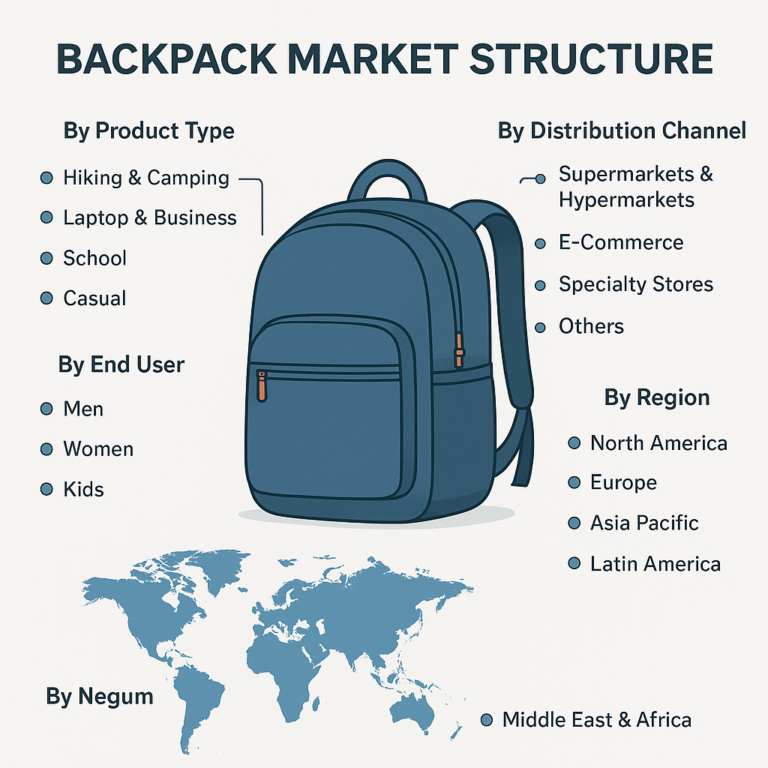
The global backpack market is projected to reach $XX billion by 2025. The student and commuter segments are driving the most growth.
The Trends
- Sustainability: Consumers are demanding eco-friendly materials.
- Tech Integration: USB ports and anti-theft features are becoming standard.
- Customization: Users want packs that can be personalized to their needs.
The Regional Differences
- North America: Dominated by commuter and outdoor packs.
- Europe: Strong demand for sustainable and minimalist designs.
- Asia: Rapid growth in the student and travel segments.
🔮 Future Trends: Smart Backpacks and the Next Generation of Load Cariers
The Smart Backpack
Imagine a backpack that tracks your location, charges your devices, and alerts you if someone tries to steal it. This is the future of backpacks.
The Materials of Tomorrow
We’re seeing a shift towards recycled materials, waterproof fabrics, and self-cleaning surfaces.
The User Experience
The next generation of backpacks will be smarter, lighter, and more comfortable than ever before.
✅ Conclusion: Who Really Wins the Backpack Battle?

So, who uses backpacks the most? The answer is everyone. From the student carrying textbooks to the hiker treking through the wilderness, from the commuter navigating the subway to the parent juggling diapers and laptops, backpacks are an integral part of modern life.
But the real winner is the one who chooses the right pack for their needs. Whether you’re looking for durability, style, or ergonomics, there’s a backpack out there for you.
At Backpack Brands™, we believe that the best backpack is the one that fits your lifestyle and keps you comfortable no matter where you go. So, what’s your story? Are you a student, a hiker, a commuter, or a parent? Let us know in the comments below!
🔗 Recommended Links
- 👉 CHECK PRICE on: Osprey Aether 5 | Osprey Official
- 👉 CHECK PRICE on: Hyperlite Mountain Gear Southwest | HMG Official
- 👉 CHECK PRICE on: Peak Design Everyday Backpack | Peak Design Official
- 👉 CHECK PRICE on: 5.1 RUSH 12 | 5.1 Official
- 👉 CHECK PRICE on: Nomatic Travel Pack | Nomatic Official
- 👉 CHECK PRICE on: JanSport SuperBreak | JanSport Official
❓ FAQ: Common Questions About Backpack Users and Habits

What features do frequent backpack users look for in a brand?
Frequent users prioritize durability, ergonomics, and versatility. They want packs that can handle daily wear and tear while providing comfort and functionality.
Read more about “🎒 Top 10 Backpack Brands 2023: The Ultimate Guide to Carry Like a Pro”
Are backpacks more popular among urban or rural populations?
Backpacks are popular in both urban and rural populations, but the types of packs differ. Urban users prefer slek, minimalist designs, while rural users lean towards rugged, high-capacity packs.
How do backpack preferences vary by user type?
- Students: Focus on lightweight and affordable options.
- Hikers: Prioritize suspension systems and capacity.
- Comuters: Look for laptop protection and style.
- Parents: Need multi-functional and durable packs.
Read more about “🎒 17 Must-Know Backpack Statistics 2020 Worldwide”
What professions require the most frequent use of backpacks?
Students, commuters, hikers, medical professionals, and parents are the most frequent users.
Read more about “What are the little backpacks called? … 🎒”
Do students use backpacks more than professionals?
In terms of frequency, students use backpacks more often, as they carry them daily for years. However, professionals may carry heavier loads for longer periods.
Read more about “🎒 Who Caries the Most? The Surprising Age Group for Backpacks (2026)”
Which age group relies most heavily on backpacks?
Young adults (18-35) are the most reliant on backpacks, as they are often students or early-carer professionals.
Read more about “Who Mostly Uses Backpacks? 7 Surprising User Groups in 2026 🎒”
Who are the primary users of backpacks worldwide?
Students, commuters, travelers, and outdoor enthusiasts are the primary users globally.
Read more about “🌍 Backpack Statistics Worldwide: 15+ Shocking Facts (2026)”
What are the key differences between backpacks designed for men and women?
Women-specific packs often have narrower shoulder straps, shorter torso lengths, and different hip belt designs to accommodate female anatomy.
Do backpacks come in different sizes for adults and children?
Yes, backpacks come in a wide range of sizes, from small children’s packs to large adult hiking packs.
Read more about “What Age Group Uses Backpacks the Most in the World? 🎒 (2025)”
What are the best backpack brands for traveling?
Osprey, Nomatic, Tumi, and Deuter are top choices for travelers.
Read more about “🎒 How to Choose the Perfect Travel Backpack (2026 Guide)”
How do I choose the right backpack for my daily needs?
Consider your load, duration of use, and lifestyle. Try on different packs to find the best fit.
Read more about “🎒 The 3 Types of Backpacks You Actually Need (2026 Guide)”
Are backpacks still a popular choice for commuters?
Yes, backpacks are increasingly popular for commuters due to their comfort and convenience.
Read more about “Which Brand Is Best for Backpack? Top 11 Picks for 2026 🎒”
What features do hikers look for when choosing a backpack?
Hikers look for suspension systems, capacity, durability, and weight.
Read more about “🎒 7 Emerging Backpack Brands to Watch in 2026”
Who is the target audience for backpacks?
The target audience includes students, commuters, hikers, travelers, and parents.
Read more about “🎒 What is the Market Research for Backpacks? (2026 Guide)”
Who sells the most backpacks?
JanSport, Nike, Adidas, and The North Face are among the top sellers.
Read more about “Who sells the most backpacks?”
Why do people use backpacks?
People use backpacks for comfort, convenience, and capacity.
Read more about “Why do people use backpacks?”
What is the market for backpacks?
The backpack market is growing, driven by urbanization, travel, and outdoor activities.
Read more about “🎒 How Many Backpacks Are Sold Each Year? (2026 Stats)”
📚 Reference Links
- Pediatrics Study on Backpack Use
- Backpacker.com: I Won’t Backpack Without a Pillow Anymore
- Osprey Official Website
- Hyperlite Mountain Gear Official Website
- Peak Design Official Website
- 5.1 Tactical Official Website
- Nomatic Official Website
- JanSport Official Website
- Backpack Brands: Backpack Statistics
- Backpack Brands: Backpack Trends
- Backpack Brands: Backpack Reviews
- Backpack Brands: Backpack Types
- Backpack Brands: Brand Spotlights
- Backpack Brands: Backpack Brands