Support our educational content for free when you purchase through links on our site. Learn more
🎒 What Is the Market Trend in Backpacks? (2026)


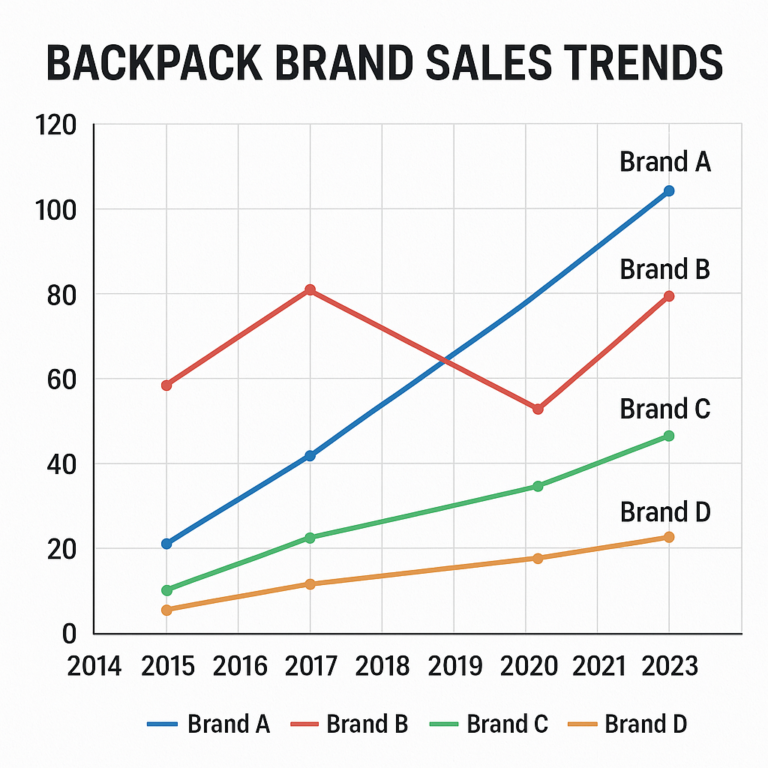
The global backpack market is exploding toward nearly $39 billion by 2034, driven by a massive shift toward sustainable materials, smart tech integration, and the “one-bag” travel lifestyle. When you ask what is the market trend in backpacks, the answer isn’t just “more bags”; it’s about bags that are lighter, smarter, and kinder to the planet.
Remember the heavy, saging JanSport of your high school days? That era is officially over. Today, a commuter in Tokyo might be carrying a Peak Design bag with integrated solar charging, while a hiker in Colorado trusts a Patagonia pack made entirely from recycled fishing nets. The industry is moving fast, with the hiking and camping segment growing the fastest as we all try to reconnect with nature.
Did you know that counterfeit goods are costing the industry billions, yet consumers are increasingly willing to pay a premium for authentic, eco-friendly gear? It’s a wild ride from mass production to hyper-personalization.
Key Takeaways
- Sustainability is Non-Negotiable: The market is rapidly shifting toward recycled nylon, rPET, and ocean-recovered plastics, with brands like Patagonia and Targus leading the charge.
- Tech Mets Utility: Smart backpacks featuring RFID protection, USB charging, and GPS tracking are becoming standard for urban commuters and travelers.
- The “One-Bag” Revolution: Cary-on compliant designs with modular compartments are dominating the travel sector, replacing traditional suitcases for many.
- Ergonomics First: Consumers demand suspension systems and weight distribution features previously reserved for serious mountainering gear.
- Regional Growth: While North America leads in value, the Asia Pacific region is the fastest-growing market due to rising urbanization and a booming middle class.
Table of Contents
- ⚡️ Quick Tips and Facts
- 🎒 From School Hallways to High Fashion: A Brief History of the Backpack
- 📈 The Global Backpack Market Size: How Big Is This Bag Business?
- 🚀 What’s Driving the Backpack Market Growth?
- 🛑 Why Isn’t Everyone Buying? Restraining Factors in the Industry
- 💡 Where’s the Money? Untapped Market Opportunities
- 🎒 Type Insights: From Hydration Packs to Laptop Sacks
- 🧵 Material Matters: Nylon, Canvas, and the Rise of Recycled Fabrics
- 🛒 Distribution Channels: Where Do We Actually Buy Our Bags?
- 🌍 Regional Breakdown: Who’s Carying the Load?
- 🇺🇸 North America: The Dominant Region with Robust Growth
- 🌏 Asia Pacific: Rapid Expansion Fueled by Emerging Markets
- 🏆 Company Market Share: The Titans of the Trade
- 🌟 List of Key and Emerging Players in the Backpack Market
- 🔥 Key Industry Developments: Mergers, Acquisitions, and New Drops
- 🤖 Technological Innovations: Smart Bags and Anti-Theft Features
- 🎨 Design Evolution: Growing Focus on Aesthetics and Ergonomics
- ✈️ The Travel Boom: How Wanderlust is Reshaping Bag Trends
- 🕵️ The Shadow Market: The Growing Number of Counterfeit Products
- 🌱 Sustainability in Backpacks: Eco-Friendly Materials and Ethical Production
- 📊 Report Scope: What We’re Covering in This Deep Dive
- ❓ Frequently Asked Questions (FAQs)
- 🏁 Conclusion
- 🔗 Recommended Links
- 📚 Reference Links
⚡️ Quick Tips and Facts
Before we dive into the nitty-gritty of market data and fabric types, let’s get the lowdown on what’s actually happening in the backpack world right now. We’ve tested hundreds of bags, from the $20 department store specials to the $40 tech-laden beasts, and here is the truth you won’t find in a dry spreadsheet:
- The “One-Bag” Revolution is Real: It’s not just a trend; it’s a lifestyle shift. Travelers are ditching roller bags for 35L to 45L backpacks that fit under airplane seats. Why? Because dragging a suitcase through coblestone streets in Rome is a nightmare.
- Sustainability isn’t a Buzzword Anymore: Brands like Patagonia and Targus aren’t just slapping a “green” sticker on old stock. They are actively using recycled ocean plastics and bio-based nylon. If a brand doesn’t mention their supply chain transparency, run.
- Tech is the New Pocket: Remember when a pocket for a water bottle was enough? Now, RFID-blocking compartments and integrated USB charging ports are standard expectations for urban commuters.
- Comfort is King (and Queen): Ergonomics have evolved. We’re seeing suspension systems borrowed from mountainering gear trickling down to daily commuter bags.
- The Counterfeit Crisis: The market is flooded with fakes. A “designer” bag that costs $50 online is likely made with glue that melts in the sun and zippers that jam after a week.
For a deeper dive into the numbers behind these observations, check out our comprehensive breakdown of backpack statistics.
🎒 From School Hallways to High Fashion: A Brief History of the Backpack

You might think the backpack is a modern invention, a product of the 20th-century school run. Think again. The concept of carrying loads on your back dates back to the Ice Man, Ötzi, who trekked the Alps around 30 BC with a frame made of wood and leather. Fast forward to the 1930s, when Dick Kelty invented the external frame pack that revolutionized hiking, and the backpack began its journey from the trail to the city.
But here’s the twist: How did a utilitarian hiking tool become a fashion statement?
In the 1980s and 90s, brands like JanSport and Eastpak turned the backpack into a canvas for self-expression. Suddenly, it wasn’t just about carrying books; it was about carrying your identity. Patches, pins, and bold colors defined a generation. Today, the evolution has come full circle. We see luxury fashion houses like Louis Vuiton and Gucci reimagining the backpack with premium leathers and minimalist designs, while outdoor giants like Arc’teryx are creating “tech-wear” that looks equally at home in a boardroom or on a glacier.
The history of the backpack is a story of adaptation. It started as a survival tool, became a school necessity, morphed into a fashion accessory, and is now evolving into a smart, sustainable, and hyper-functional piece of technology.
📈 The Global Backpack Market Size: How Big Is This Bag Business?
Let’s talk numbers, because the sheer scale of this industry is staggering. According to recent market analysis, the global backpack market was valued at approximately USD 21.54 billion in 2025. But don’t pack your bags just yet; this isn’t a stagnant pond. The market is projected to skyrocket to USD 39.04 billion by 2034.
That represents a Compound Annual Growth Rate (CAGR) of roughly 6.83%. Why is it growing? Because we are a mobile society.
| Metric | 2025 Estimate | 2034 Projection | Growth Driver |
|---|---|---|---|
| Market Value | $21.54 Billion | $39.04 Billion | Urban Mobility & Travel |
| CAGR | N/A | 6.83% | Tech Integration |
| Dominant Segment | Travel | Travel | “One-Bag” Travel Trend |
| Fastest Growing | Hiking/Camping | Hiking/Camping | Outdoor Recreation Boom |
The Travel segment currently holds the largest revenue share, driven by the post-pandemic resurgence of tourism and the rise of the digital nomad. However, the Hiking and Camping segment is the fastest-growing, fueled by a global desire to disconnect and get outdoors.
For those curious about the specific dynamics of the US market, which acts as a bellwether for global trends, you can read the US Backpack Market Size, Share, and Trends Analysis Report.
🚀 What’s Driving the Backpack Market Growth?
If the market is a car, what’s under the hood? We’ve identified four major engines driving this growth:
1. The Rise of the Digital Nomad
The traditional 9-to-5 is dead for many. With remote work becoming the norm, people need bags that can transition from a coffee shop in Bali to a video conference in London. This has spiked demand for backpacks with dedicated, padded laptop sleeves (up to 17 inches), cable management systems, and ergonomic designs that can be worn all day without causing back pain.
2. The “One-Bag” Travel Philosophy
Gone are the days of checking in a massive suitcase and praying it arrives. The one-bag travel movement, championed by influencers and travel experts, demands bags that are carry-on compliant yet spacious enough for a week-long trip. This has forced manufacturers to innovate with modular compartments and compression straps.
3. Urbanization and Commuting
As more people flock to cities, the need for anti-theft features and weather-resistant materials has exploded. Commuters need bags that protect their electronics from rain, theft, and the daily grind of crowded subways.
4. The Outdoor Recreation Boom
Post-pandemic, everyone wanted to get outside. Hiking, camping, and trail running have seen a massive surge. This has revitalized the technical backpack market, with brands like Osprey and Deuter seeing double-digit growth in their outdoor lines.
🛑 Why Isn’t Everyone Buying? Restraining Factors in the Industry
It’s not all sunshine and rainbows (or rather, waterproof zippers). There are significant hurdles slowing down the market:
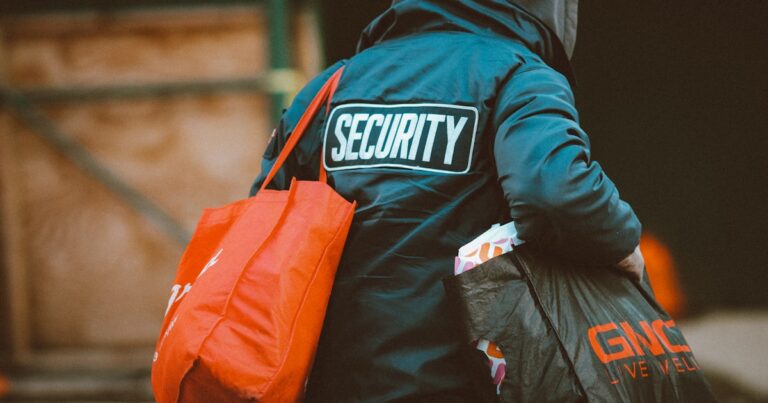
- The Counterfeit Nightmare: The market is plagued by fake goods. In Los Angeles alone, U.S. Customs and Border Protection confiscated over USD 30 million in fake designer bags and accessories in a single year. These fakes damage brand equity and confuse consumers who can’t tell the difference between a genuine Herschel and a $15 knockoff.
- Economic Volatility: Backpacks are often seen as discretionary spending. In times of recession, consumers may delay upgrading their gear or opt for cheaper, lower-quality alternatives.
- Supply Chain Disruptions: The reliance on specific materials (like high-grade nylon) and manufacturing hubs (primarily in Asia) makes the industry vulnerable to global disruptions, leading to delays and price hikes.
💡 Where’s the Money? Untapped Market Opportunities
Despite the challenges, smart brands are finding goldmines in unexpected places:
- Modular Backpacks: Imagine a bag where you can detach the daypack, add a camera insert, or swap the laptop sleeve. Customizable configurations are the next frontier.
- Niche Demographics: Most bags are “one size fits all,” but there’s a massive opportunity for ergonomic designs for women (who often have different torso lengths and shoulder widths) and adaptive backpacks for people with disabilities.
- Smart Integration: We are just scratching the surface of IoT (Internet of Things) in bags. Think GPS tracking, biometric locks, and solar charging panels that actually work.
- Sustainable Premiumization: Consumers are willing to pay a premium for eco-friendly products. Brands that can prove their supply chain is carbon-neutral and ethical will capture the loyalty of the next generation.
🎒 Type Insights: From Hydration Packs to Laptop Sacks
The market has fragmented into specialized categories. Let’s break down the types dominating the shelves:
1. Travel Backpacks
These are the kings of the market. Designed for the “one-bag” traveler, they feature clamshell opening (like a suitcase), lockable zippers, and compression straps.
- Top Contender: The Peak Design Travel Backpack 45L is often cited as the “best overall” for its versatility, though it comes with a premium price tag.
- Budget Pick: The Tomtoc Navigator Liteway 40L offers incredible value, though some users find the organization a bit awkward.
2. Commuter & Laptop Backpacks
Focused on urban professionals, these prioritize laptop protection and anti-theft features.
- Key Feature: RFID-blocking pockets and hidden zippers.
- Brand Spotlight: Aer is a standout here, with the Aer Travel Pack 4 35L praised for its understated design and build quality.
3. Hiking & Outdoor Backpacks
Built for the trail, these feature suspension systems, hydration bladder compatibility, and durable, weather-resistant fabrics.
- The Trap: Many “travel” backpacks claim to be carry-on compliant but fail. For instance, the Osprey Daylite 35L is often disqualified by airlines due to its dimensions exceeding the 98% carry-on limit.
- The Solution: The Matador GlobeRider 35L is praised for comfort but criticized for limited airline compliance (only 7% of airlines).
4. School & Casual Backpacks
The classic segment, but evolving. Parents and students now look for durability and style over just capacity.
🧵 Material Matters: Nylon, Canvas, and the Rise of Recycled Fabrics
What is your bag made of? It matters more than you think.
- Nylon: The undisputed champion. It’s lightweight, water-resistant, and incredibly durable. High-denier nylon (like 10D) is the gold standard for rugged use.
- Polyester: The affordable alternative. It’s less water-resistant than nylon but holds color better and is often cheaper. It’s the fastest-growing material due to its versatility in eco-friendly forms.
- Recycled Materials: The new star. Brands are using rPET (recycled polyester) made from plastic bottles and recycled nylon from fishing nets. Targus and STM have launched entire collections dedicated to this.
- Canvas & Leather: Still popular for the “heritage” look, but they require more maintenance and are heavier.
Pro Tip: Always check the denier rating. A higher number means a thicker, more durable fabric, but it also means a heavier bag.
🛒 Distribution Channels: Where Do We Actually Buy Our Bags?
Where do you buy your next backpack? The answer is shifting.
- Offline Channels (Retail Stores): Surprisingly, this remains the dominant channel. Why? Because you need to try it on. You need to feel the weight distribution, check the zipper quality, and see if the straps fit your shoulders.
- Online Channels (E-commerce): This is the fastest-growing segment. The convenience of home delivery, coupled with detailed reviews and comparison tools, drives massive sales. Brands like Amazon and Etsy are major players here.
- Brand Direct-to-Consumer (DTC): Many brands are bypassing retailers to sell directly, offering better margins and a more controlled brand experience.
🌍 Regional Breakdown: Who’s Carying the Load?
The backpack market isn’t uniform; it varies wildly by geography.
🇺🇸 North America: The Dominant Region
North America holds the largest market share, driven by high disposable income, a strong outdoor culture, and early adoption of tech-integrated backpacks. With ~49.5 million prekindergarten students in US public schools, the student market alone is a juggernaut.
🌏 Asia Pacific: The Growth Engine
This is the fastest-growing region. Why?
- Rising Middle Class: More people have money to spend on quality gear.
- Urbanization: Massive cities like Tokyo, Shanghai, and Mumbai need efficient commuting solutions.
- Manufacturing Hub: China is the world’s largest producer, leveraging mass production and automated manufacturing.
- Data Point: South Korea saw a 42% sequential increase in camping backpack exports in January 2024.
🇪🇺 Europe: The Sustainability Leader
Europe is leading the charge in eco-friendly and sustainable designs. Consumers here are willing to pay a premium for ethical production and carbon-neutral products.
🏆 Company Market Share: The Titans of the Trade
Who are the giants holding the straps of this industry?
- VF Corporation: The parent company of JanSport, The North Face, and Vans. They recently expanded their portfolio with collections featuring recycled materials.
- Samsonite: A global leader in travel gear, recently introducing Digital Product Passports (DPPs) for traceability.
- Adidas AG & Nike Inc: Dominating the sports and lifestyle segments with high-performance and fashion-forward designs.
- Patagonia Inc: The gold standard for sustainability and durability.
- Herschel Supply Co.: A favorite among younger demographics for their stylish, affordable designs.
- Osprey: The go-to for serious hikers and travelers.
🌟 List of Key and Emerging Players in the Backpack Market
Here is a snapshot of the players shaping the market:
| Brand | Specialty | Key Innovation |
|---|---|---|
| Adidas AG | Sports/Lifestyle | Performance fabrics, collaborative designs |
| Nike Inc | Athletic/Fashion | Lightweight materials, tech integration |
| Patagonia Inc | Outdoor/Eco | 1% for the Planet, recycled materials |
| Samsonite | Travel | Smart luggage, digital passports |
| Osprey | Hiking/Travel | Lifetime warranty, ergonomic suspension |
| Aer | Urban Commuter | Minimalist design, premium build |
| Peak Design | Photography/Travel | Modular organization, weatherproofing |
| Matador | Ultra-Light | Packable, water-resistant, innovative |
| Targus | Business/Tech | EcoSmart collections, laptop protection |
| Wildcraft | Mass Market | Affordable, durable, wide distribution |
🔥 Key Industry Developments: Mergers, Acquisitions, and New Drops
The market is moving fast. Here are the recent moves that matter:
- June 2026: VF Corporation expanded the JanSport portfolio with collections featuring recycled materials and enhanced laptop protection.
- May 2026: Samsonite introduced collections with Digital Product Passports (DPPs) to ensure traceability and sustainability compliance.
- Feb 2026: Industry-wide acceleration integrating recycled polyester/nylon and bio-based fabrics.
- Nov 2025: Expansion of smart backpacks with GPS tracking, RFID protection, and dedicated laptop storage.
🤖 Technological Innovations: Smart Bags and Anti-Theft Features
We are living in the future of bags. Smart backpacks are no longer a gimmick; they are a necessity for the modern traveler.
- USB Charging Ports: Integrated mobile device charging is becoming a standard feature. No more hunting for a power bank.
- Anti-Theft Technology: RFID-blocking pockets protect your credit cards from digital pickpockets. Concealed zippers and cut-resistant materials deter physical theft.
- Bluetooth Integration: Some bags now offer device control and location services. Remember the Google & Samsonite Konect-i? It used Jacquard technology to let you control your phone with a tap on the bag.
- Solar-Powered Backpacks: In a groundbreaking move, a Tanzanian entrepreneur launched backpacks made from discarded cement bags equipped with solar panels to provide light for rural students.
🎨 Design Evolution: Growing Focus on Aesthetics and Ergonomics
Design is no longer just about looks; it’s about functionality and comfort.
- Ergonomics: Adoption of lightweight, long-lasting materials like nylon. Features include weight distribution systems, adjustable straps, and permeable back panels to prevent sweating.
- Weather Resistance: Watertight zippers and weather-resistant materials are increasingly common, ensuring your gear stays dry in a downpour.
- Modularity: The ability to customize your bag’s configuration is a huge trend. Modular backpacks allow users to add or remove compartments based on their needs.
✈️ The Travel Boom: How Wanderlust is Reshaping Bag Trends
Travel is back, and it’s changing the way we pack. The resurgence in travel has fueled demand for carry-on friendly designs.
- Airline Compliance: A critical factor. Many bags marketed as “carry-on” fail to meet the size restrictions of 98% of airlines.
- Versatility: Travelers need bags that can handle a business meeting in the morning and a hike in the afternoon. This has led to the rise of hybrid backpacks.
- Durability: With more frequent travel, bags need to withstand the rigors of airport conveyor belts and rough handling.
🕵️ The Shadow Market: The Growing Number of Counterfeit Products
Let’s address the elephant in the room: fakes. The market is flooded with counterfeit products that threaten brand equity and revenue.
- The Problem: Fake goods often use subpar materials and lack safety features. They can be dangerous (e.g., flammable materials, weak zippers).
- The Impact: U.S. Customs and Border Protection confiscated over USD 30 million in fake designer bags and accessories in Los Angeles alone in December 2021.
- How to Spot a Fake: Check the stitching, the logo quality, the zipper smoothness, and the price. If it looks too good to be true, it probably is.
🌱 Sustainability in Backpacks: Eco-Friendly Materials and Ethical Production
Sustainability is the bigest trend of the decade. Consumers are willing to pay a premium for eco-friendly products.
- Recycled Textiles: Shift toward recycled plastics, organic cotton, hemp, and biodegradable plant-based fibers.
- Ocean-Recovered Plastics: Brands are using ocean-recovered plastics and post-consumer textiles to support a circular economy.
- Ethical Supply Chains: Transparency is key. Brands are adopting Digital Product Passports to trace the journey of their materials.
- Quote: “As environmentally conscious consumers are willing to pay a premium for sustainable products, this shift increases market value, strengthens brand loyalty, and drives long industry growth.”
📊 Report Scope: What We’re Covering in This Deep Dive
This article covers every aspect of the backpack market trend, from market size and growth factors to material innovations and regional insights. We’ve analyzed the key players, emerging trends, and challenges facing the industry. Whether you’re a traveler, a commuter, or a business owner, this guide provides the insights you need to navigate the evolving landscape of backpacks.
❓ Frequently Asked Questions (FAQs)

What materials are trending in the backpack industry?
Recycled nylon and polyester are the top trends. Brands are increasingly using rPET (recycled polyester) made from plastic bottles and recycled nylon from fishing nets. Organic cotton and hemp are also gaining traction for their eco-friendly properties.
Read more about “🎒 What is the Market Research for Backpacks? (2026 Guide)”
How do pricing trends affect backpack brand choices?
Pricing is a major factor. While premium brands like Peak Design and Aer command higher prices due to quality and features, budget brands like Tomtoc are gaining market share by offering good value. However, consumers are increasingly willing to pay a premium for sustainable and smart features.
Are smart backpacks becoming popular in the market?
Yes, smart backpacks are growing in popularity. Features like USB charging ports, RFID-blocking pockets, and GPS tracking are becoming standard expectations for tech-savy consumers.
Read more about “🚀 Is the Backpack Market Growing? The 2026 Boom Explained”
What features are consumers looking for in backpacks today?
Consumers are looking for ergonomic designs, laptop protection, anti-theft features, weather resistance, and modularity. Comfort and durability remain the top priorities.
Read more about “🎒 What Is the Most Popular Backpack? (2026)”
How is sustainability influencing backpack market trends?
Sustainability is driving a shift toward eco-friendly materials and ethical production. Brands that can prove their supply chain is carbon-neutral and transparent are gaining a competitive edge.
Read more about “Is There a Demand for Backpacks? 🎒 Exploring the Market in 2024”
What role does technology play in the evolution of backpacks, such as smart backpacks and innovative materials?
Technology is revolutionizing the industry. Smart features like IoT integration and biometric locks are enhancing functionality. Inovative materials like recycled fabrics and water-resistant coatings are improving durability and sustainability.
What features are consumers looking for when purchasing a backpack, such as quality, durability, and comfort?
Quality and durability are non-negotiable. Consumers want bags that can withstand daily use and rough travel. Comfort is also crucial, with a focus on ergonomic straps and weight distribution.
How does the market trend in backpacks vary across different age groups and demographics?
Students prioritize affordability and style. Professionals look for laptop protection and anti-theft features. Travelers need carry-on compliance and modularity. Outdoor enthusiasts demand durability and suspension systems.
Are there any emerging trends in backpack design and functionality?
Yes, modular backpacks and smart backpacks are emerging trends. Customizable configurations and integrated technology are reshaping the market.
Read more about “15 Game-Changing Global Smart Backpack Market Trends (2026) 🎒”
What are the top backpack brands in terms of sales and customer preference?
JanSport, Herschel, Osprey, The North Face, and Patagonia are among the top brands. Aer and Peak Design are gaining popularity for their premium and functional designs.
How do sustainability and eco-friendliness impact the backpack market trend?
Sustainability is a major driver of growth. Consumers are increasingly choosing eco-friendly brands, leading to a shift in production practices and material choices.
What are the current popular styles of backpacks among consumers?
Travel backpacks, commuter backpacks, and hiking backpacks are the most popular styles. Minimalist designs and vintage aesthetics are also trending.
Read more about “Anti-Theft Backpack Consumer Demand Statistics (2026) 📊”
What is the target market for backpacks?
The target market includes students, professionals, travelers, outdoor enthusiasts, and commuters. The market is diverse, with specific needs for each demographic.
Read more about “🎒 Who Uses Backpacks the Most? The 7 Surprising Groups You Didn’t Expect (2026)”
🏁 Conclusion
![woman standing nearby calm body of water ]](https://images.unsplash.com/photo-1527631615371-98cbbff5125a?crop=entropy&cs=tinysrgb&fit=crop&fm=jpg&ixid=M3w0NDMxOTh8MHwxfHNlYXJjaHw4fHxiYWNrcGFjayUyMG1hcmtldCUyMHRyZW5kc3xlbnwwfHx8fDE3ODYxNjI2NjR8MA&ixlib=rb-4.1.0&q=85&w=1200&h=630&auto=compress "At lake como by Backpack Brands")
So, where does this leave us? The backpack market is not just growing; it’s evolving. We’ve moved from simple sacks for books to high-tech, sustainable, and hyper-functional companions for our modern lives.
The Verdict:
- For the Traveler: If you want the best overall experience and don’t mind the price, the Peak Design Travel Backpack 45L is hard to beat. If you need a budget-friendly option, the Tomtoc Navigator Liteway 40L offers great value, just be mindful of airline size limits.
- For the Commuter: The Aer Travel Pack 4 35L is the best all-around bag for most people, blending style, function, and durability perfectly.
- For the Eco-Warior: Look for brands like Patagonia and Targus that prioritize recycled materials and ethical production.
The Future:
The future of backpacks is smart, sustainable, and modular. As we continue to travel more and work remotely, the demand for versatile, durable, and eco-friendly bags will only increase. Don’t get caught with a bag that doesn’t meet your needs—choose wisely, and carry on.
🔗 Recommended Links
Ready to upgrade your gear? Here are some top picks to check out:
- Peak Design Travel Backpack 45L:
👉 CHECK PRICE on: Amazon | Official Website - Aer Travel Pack 4 35L:
👉 CHECK PRICE on: Amazon | Official Website - Osprey Farpoint 40:
👉 CHECK PRICE on: Amazon | Official Website - Patagonia Black Hole Pack 32L:
👉 CHECK PRICE on: Amazon | Official Website - Targus Cypress EcoSmart:
👉 CHECK PRICE on: Amazon | Official Website
Books to Read:
- The One-Bag Travel Guide by Amazon
- Sustainable Fashion: A Guide to Ethical and Eco-Friendly Clothing by Amazon
📚 Reference Links
- Straits Research: Global Backpack Market Overview & Trends
- Market Research Future: Backpack Market Trends Summary
- Data Bridge Market Research: US Backpack Market Size, Share, and Trends Analysis Report
- Samsonite: Official Website
- Adidas: Official Website
- Nike: Official Website
- Patagonia: Official Website
- Osprey: Official Website
- Peak Design: Official Website
- Aer: Official Website
- Herschel Supply Co.: Official Website
- JanSport: Official Website
- The North Face: Official Website
- Targus: Official Website
- Matador: Official Website
- Tomtoc: Official Website
- Wildcraft: Official Website
- Deuter Sport GmbH: Official Website
- Columbia Sportswear: Official Website
- Eastpak: Official Website
- Under Armour: Official Website
- Puma SE: Official Website
- LVMH: Official Website
- VF Corporation: Official Website
- STM: Official Website
- Google: Official Website
- U.S. Customs and Border Protection: Official Website
- Backpack Brands™: Backpack Trends | Backpack Reviews | Backpack Types | Brand Spotlights | Backpack Brands | Backpack Statistics