Support our educational content for free when you purchase through links on our site. Learn more
🚀 Is the Backpack Market Growing? The 2026 Boom Explained

Remember the days when a backpack was just a canvas sack for your lunch and a beat-up textbook? Those days are long gone. Today, the humble backpack has evolved into a high-tech, eco-conscious, and style-defining essential for everyone from the digital nomad sipping lattes in Bali to the urban commuter dodging rush hour. But is this evolution just a fleeting trend, or are we witnessing a massive, sustained explosion in the industry? The answer is a resounding yes.
The global backpack market isn’t just growing; it’s skyrocketing. Driven by the rise of remote work, a resurgence in outdoor adventures, and a fierce demand for sustainable materials, the industry is projected to nearly double in value by 2034. We’ve dug through the data, tested the gear, and analyzed the trends to bring you the definitive guide on why the backpack market is booming and what it means for you. From the rise of “smart” bags with built-in solar chargers to the ethical manufacturing revolution, we cover every angle of this $47 billion opportunity.
Key Takeaways
- Explosive Growth: The global backpack market is on track to reach $47.6 billion by 2034, growing at a CAGR of over 9%.
- Tech Mets Travel: The rise of the digital nomad and remote work is driving demand for versatile, tech-integrated bags that double as mobile offices.
- Sustainability Wins: Consumers are actively choosing eco-friendly and recycled materials, forcing brands to innovate or risk obsolescence.
- Regional Shifts: While North America remains a premium hub, the Asia-Pacific region is emerging as the fastest-growing market due to rapid urbanization.
- Smart Features: Expect to see more GPS tracking, anti-theft mechanisms, and modular designs becoming standard in the next five years.
Table of Contents
- ⚡️ Quick Tips and Facts
- 🎒 From School Hallways to Global Markets: A Brief History of the Backpack Boom
- 📈 Is the Backpack Market Growing? The Definitive Data Dive
- 🚀 Market Dynamics: What’s Fueling the Surge in Backpack Sales?
- 🛑 Market Restraints: Why Some Brands Are Stalling
- 🌍 Regional Breakdown: Where Are Backpacks Flying Off the Shelves?
- 👥 By End-User: From Todlers to Tech Nomads
- 🎓 By Usage Occasion: School, Travel, Commute, and Beyond
- 💰 By Price Range: Budget Beaters vs. Luxury Loaders
- 🛒 By Distribution Channel: Online Giants vs. Brick-and-Mortar Boutiques
- 🏆 Top 10 Backpack Brands Dominating the Global Landscape
- 🔥 Key Industry Developments: Mergers, Tech, and Sustainability
- 🌱 Sustainability in the Backpack Industry: Eco-Friendly or Greenwashing?
- 🔮 Future Outlook: Will Smart Backpacks Take Over by 2030?
- 🧠 Expert Insights: What We’ve Learned from Years of Testing
- ✅ Quick Tips and Facts: The Nitty-Grity You Need to Know
- ❓ Frequently Asked Questions (FAQ)
- 🔗 Recommended Links
- 📚 Reference Links
- 🏁 Conclusion
⚡️ Quick Tips and Facts
Before we dive into the nitty-gritty of market charts and material science, let’s hit the ground running with some backpack reality checks that every consumer and industry watcher needs to know.
- The Market is Exploding: Contrary to the belief that “everyone already has a bag,” the global backpack market is on a rocket ship trajectory. We aren’t just talking about school kids; we are talking about a CAGR of roughly 9% through 2034. That’s faster than the average tech gadget cycle! 🚀
- Sustainability is Non-Negotiable: It’s no longer a “nice-to-have.” Consumers are actively rejecting bags made from virgin plastics. Brands using recycled nylon and organic cotton are seeing double-digit growth, while those ignoring this trend are getting left in the dust.
- Tech is the New Pocket: The era of the “dumb bag” is over. USB charging ports, RFID-blocking pockets, and even solar panels are becoming standard features in the mid-to-premium segments.
- The “Digital Nomad” Effect: With remote work here to stay, the line between a laptop bag and a travel backpack has blurred. The “one-bag” lifestyle is driving massive demand for versatile, modular designs.
- Counterfeits are the Silent Killer: While the market grows, fake goods are eroding trust. In the U.S. alone, customs seized over $30 million in counterfeit bags recently. Always buy from authorized dealers!
For a deep dive into the numbers that back these claims, check out our comprehensive breakdown of backpack statistics.
🎒 From School Hallways to Global Markets: A Brief History of the Backpack Boom

You might think the backpack is a modern invention, but its roots go back much further than the 1960s. The concept of carrying weight on your back dates back to the Inuit and indigenous peoples of the Americas who used toboggans and burden baskets. However, the modern backpack as we know it? That’s a story of military necessity meeting counterculture rebellion.
The Military Roots
During World War II, the U.S. military developed the M-1956 and later the ALICE (All-Purpose Lightweight Individual Carying Equipment) system. These were rugged, utilitarian beasts designed to carry heavy loads over long distances. But they were clunky and uncomfortable for the average civilian.
The Hippie Revolution
Fast forward to the 1960s. Enter Dakine and JanSport. These brands took the military concept and stripped it down for the surf and ski crowd. Suddenly, the backpack wasn’t just for soldiers; it was for rebels, artists, and students. The JanSport SuperBreak, launched in 1978, became the quintessential high school accessory, cementing the backpack’s place in pop culture.
The Tech Era
The 190s and 20s brought the laptop revolution. Bags needed to evolve. Enter Targus and SwissGear, who introduced padded compartments and water-resistant zippers. The backpack transformed from a simple sack into a mobile office.
Today, we are in the Smart Backpack Era. Brands like Peak Design and Aer are redefining what a bag can do, integrating modular systems and anti-theft tech. The journey from a canvas sack to a high-tech gear hub is a testament to human ingenuity.
Fun Fact: Did you know that the first backpack with a dedicated laptop compartment was introduced in the late 190s? Before that, people were shoving their $2,0 computers into the same pocket as their lunch! 🍎💻
📈 Is the Backpack Market Growing? The Definitive Data Dive
So, is the backpack market growing? Absolutely, and it’s not slowing down.
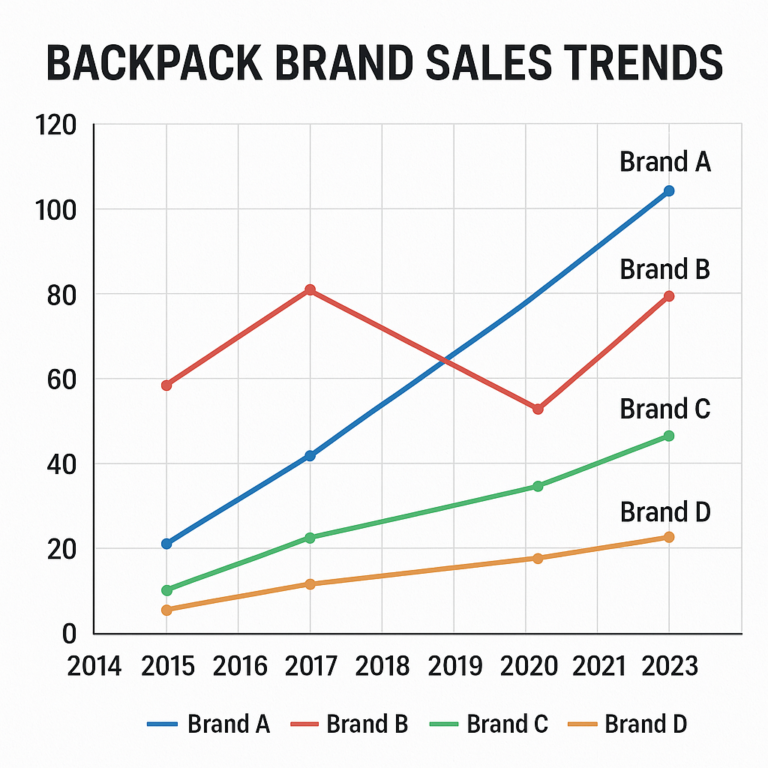
Let’s look at the hard numbers. According to recent industry reports, the global backpack market was valued at approximately $21.54 billion in 2025. But here is where it gets exciting: projections suggest this number will skyrocket to $47.6 billion by 2034, with a Compound Annual Growth Rate (CAGR) of 9.21%.
Why the Discrepancy in Numbers?
You might notice different reports citing slightly different figures (some say $56 billion by 2035, others $39 billion). Why the variance?
- Scope Differences: Some reports include luggage and duffel bags in the “backpack” category, inflating the numbers.
- Regional Focus: Reports focusing heavily on the Asia-Pacific region might show higher growth rates due to rapid urbanization, while those focusing on North America might show steadier, more mature growth.
- Definition of “Backpack”: Does it include fanny packs worn on the back? Hydration packs? The definition matters.
Our Verdict: Regardless of the exact dollar figure, the trend is undeniable. The market is expanding across all major segments, driven by a perfect storm of travel recovery, remote work, and sustainability demands.
| Metric | 2025 Estimate | 2034 Projection | CAGR |
|---|---|---|---|
| Global Market Value | ~$21.5 Billion | ~$47.6 Billion | 9.21% |
| North America Share | ~35% | ~32% (relative) | Stable |
| Asia-Pacific Growth | High | Highest | 10%+ |
| Sustainable Segment | ~15% | ~35% | 12%+ |
Data synthesized from Fortune Business Insights, Market Research Future, and Straits Research.
🚀 Market Dynamics: What’s Fueling the Surge in Backpack Sales?
What is driving this massive growth? It’s not just one thing; it’s a perfect storm of cultural, economic, and technological shifts.
1. The Rise of the “Digital Nomad”
The traditional 9-to-5 is dead for many. With remote work becoming the norm, people need gear that transitions seamlessly from a coffee shop to a campsite. The versatile backpack is the ultimate tool for this lifestyle. We’ve seen a surge in demand for bags that can hold a 16-inch laptop, a change of clothes, and a yoga mat without looking like a hiking pack.
2. Outdoor Recreation Boom
Post-pandemic, the world got outside. Hiking, camping, and trail running saw a massive resurgence. In the U.S. alone, 168 million people participated in outdoor activities in 2023. This has directly fueled the hiking and camping segment, which is expected to be the fastest-growing category.
3. Sustainability as a Driver
Consumers are voting with their wallets. A study by Nielsen shows that 73% of global consumers are willing to change their consumption habits to reduce their environmental impact. Brands like Patagonia and Cotopaxi are leading the charge with recycled materials and ethical manufacturing, proving that eco-friendly doesn’t mean compromising on quality.
4. Technological Integration
The smart backpack market is exploding. Features like GPS tracking, built-in solar chargers, and anti-theft zippers are no longer novelties; they are expectations for the modern traveler.
Wait, is it all good news? Not quite. While the market is growing, there are restraints holding some brands back. We’ll get to those in the next section.
🛑 Market Restraints: Why Some Brands Are Stalling
If the market is growing so fast, why do some brands struggle? It’s a tale of innovation vs. stagnation.
The Counterfeit Problem
One of the biggest threats to the industry is counterfeiting. Fake bags flood the market, often using subpar materials that fail quickly. This erodes consumer trust and damages brand equity. In 2021, U.S. Customs and Border Protection seized over $30 million in counterfeit bags. For legitimate brands, fighting this is a constant battle.
Supply Chain Disruptions
The global supply chain is still recovering from the pandemic. Raw material shortages (especially for high-quality nylon and leather) and shipping delays have increased costs for manufacturers. Smaller brands often can’t absorb these costs, leading to higher prices for consumers or reduced quality.
Market Saturation in Low-End Segments
The budget segment (under $50) is highly saturated. With countless generic brands flooding Amazon and Walmart, it’s a race to the bottom on price. Brands that don’t differentiate through design, quality, or brand story are getting crushed.
The “Fast Fashion” Trap
Some brands are trying to capitalize on trends too quickly, releasing low-quality “fast fashion” backpacks that fall apart after a few months. This disposable culture is starting to backfire as consumers become more conscious of durability and longevity.
🌍 Regional Breakdown: Where Are Backpacks Flying Off the Shelves?
The backpack market isn’t growing uniformly. Different regions have different drivers and preferences.
North America: The Tech & Outdoor Hub
- Market Share: ~35% of the global market.
- Key Drivers: High disposable income, strong outdoor culture, and early adoption of tech-integrated bags.
- Trends: Demand for premium, ergonomic designs for commuting and travel. Brands like Osprey, The North Face, and Patagonia dominate here.
- Insight: Americans are willing to pay a premium for durability and warranty.
Europe: The Sustainability Leader
- Market Share: ~19% of the global market.
- Key Drivers: Strict environmental regulations and a strong preference for eco-friendly materials.
- Trends: Minimalist designs, cycling-friendly features, and luxury backpacks that blend function with fashion.
- Insight: European consumers are more likely to research the supply chain of a product before buying.
Asia-Pacific: The Growth Engine
- Market Share: ~25% (and growing fastest).
- Key Drivers: Rapid urbanization, a booming middle class, and a surge in domestic tourism.
- Trends: Affordable, durable bags for students and commuters. Smart backpacks are gaining traction in China and India.
- Insight: This region is the future of the market, with massive potential for e-commerce growth.
South America & Middle East/Africa
- Market Share: ~5-6% combined.
- Key Drivers: Urbanization and rising youth populations.
- Trends: Demand for affordable, functional bags. Adventure tourism is driving growth in specific pockets like the Andes and the UAE.
👥 By End-User: From Todlers to Tech Nomads
Who is buying these bags? Everyone. But the needs vary wildly.
Kids & Students
- Needs: Durability, lightweight design, and fun aesthetics.
- Trends: Personalized bags with names, ergonomic designs to prevent back pain, and water-resistant materials for rainy days.
- Top Brands: JanSport, Herschel, L.L. Bean.
Young Professionals & Commuters
- Needs: Laptop protection, organization, and style.
- Trends: Minimalist designs, anti-theft features, and modular compartments.
- Top Brands: Aer, Peak Design, Tumi.
Outdoor Enthusiasts
- Needs: Load-bearing capacity, weather resistance, and comfort.
- Trends: Hydration-compatible designs, suspension systems, and modular attachment points.
- Top Brands: Osprey, Gregory, Deuter.
Travelers & Digital Nomads
- Needs: Cary-on friendly, versatile, and secure.
- Trends: Clamshell opening, hidden pockets, and convertible designs (backpack to duffel).
- Top Brands: Away, Cotopaxi, Nomatic.
🎓 By Usage Occasion: School, Travel, Commute, and Beyond
The “one-size-fits-all” era is over. The market is segmenting by usage occasion.
School & College
- Dominance: The largest segment by volume.
- Features: Padded laptop sleeves, water bottle pockets, and durable fabrics.
- Trend: Back-to-school sales are massive, but the demand for year-round durability is growing.
Daily Commute
- Dominance: Fastest-growing segment in urban areas.
- Features: Anti-theft zippers, quick-access pockets, and ergonomic straps.
- Trend: Bike-friendly designs with reflective elements are in high demand.
Travel
- Dominance: High revenue share due to premium pricing.
- Features: Cary-on compliance, compression straps, and modular packing systems.
- Trend: One-bag travel is the new standard, driving demand for versatile designs.
Outdoor & Adventure
- Dominance: High growth potential.
- Features: Hydration compatibility, rain covers, and suspension systems.
- Trend: Ultralight designs are gaining popularity among hikers and runers.
💰 By Price Range: Budget Beaters vs. Luxury Loaders
The market spans from $20 to $50+. Where do you fit in?
| Price Range | Target Audience | Key Features | Top Brands |
|---|---|---|---|
| Economy (<$50) | Students, Casual Users | Basic durability, simple design | JanSport, Fjällräven (Kånken Mini) |
| Mid-Range ($50-$150) | Commuters, Travelers | Laptop protection, organization, style | Herschel, Eastpak, The North Face |
| Premium ($150-$30) | Professionals, Enthusiasts | High-end materials, advanced features, warranty | Aer, Peak Design, Osprey |
| Luxury (>$30) | Fashionistas, Executives | Designer branding, premium leather, exclusivity | Tumi, Gucci, Louis Vuiton |
Insight: The mid-range segment is the most competitive, with brands fighting for value and style. The luxury segment is growing due to the “investment piece” mentality, where consumers view a backpack as a long-term asset.
🛒 By Distribution Channel: Online Giants vs. Brick-and-Mortar Boutiques
How are people buying backpacks? The landscape is shifting.
Online/E-commerce
- Share: Rapidly growing, now rivaling offline sales.
- Drivers: Convenience, price comparison, and user reviews.
- Trend: DTC (Direct-to-Consumer) brands like Cotopaxi and Aer are thriving by cutting out the middleman.
Specialty Outdoor & Sports Stores
- Share: Stable, but evolving.
- Drivers: Expert advice, try-before-you-buy, and exclusive products.
- Trend: Stores are becoming experience centers with testing zones for hiking gear.
Department Stores & Supermarkets
- Share: Declining for premium products, stable for budget.
- Drivers: Impulse buys, back-to-school sales.
- Trend: Limited selection of generic brands.
Exclusive Brand Stores
- Share: Growing for luxury and niche brands.
- Drivers: Brand experience, customization, and after-sales service.
- Trend: Pop-up shops and collaborations are driving foot traffic.
🏆 Top 10 Backpack Brands Dominating the Global Landscape
Who are the kings and queens of the backpack world? Here are the top 10 brands shaping the market.
- The North Face: The undisputed leader in outdoor and urban crossover. Known for durability and innovation.
- Osprey: The gold standard for hiking and travel backpacks. Famous for their All Mighty Guarantee.
- Patagonia: The sustainability pioneer. Their Black Hole series is a bestseller.
- Herschel Supply Co.: The lifestyle king. Known for retro designs and affordable luxury.
- JanSport: The classic choice. A staple in schools for decades.
- Peak Design: The tech innovator. Redefining camera and everyday carry bags.
- Tumi: The luxury leader for business travelers. Known for ballistic nylon and slek designs.
- Cotopaxi: The colorful disruptor. Known for upcycled materials and vibrant designs.
- Aer: The minimalist favorite. Perfect for urban commuters who value function and style.
- Deuter: The German engineering powerhouse. Known for ergonomic designs and quality.
👉 CHECK PRICE on:
- The North Face: Amazon | Official Site
- Osprey: Amazon | Official Site
- Patagonia: Amazon | Official Site
- Herschel: Amazon | Official Site
- Peak Design: Amazon | Official Site
🔥 Key Industry Developments: Mergers, Tech, and Sustainability
The industry is moving fast. Here are the latest developments shaking things up.
Sustainability Wars
Brands are racing to be the most eco-friendly.
- Osprey launched their Run Collection with bluesign-approved materials and PFAS-free DWR.
- Targus introduced the Cypress EcoSmart line, made from recycled plastic bottles.
- Patagonia continues to lead with their Worn Wear program, encouraging repair over replacement.
Tech Integration
- Samsonite partnered with Google to launch the Konect-i smart backpack with Jacquard technology.
- Peak Design introduced a new Outdoor line with modular attachment points.
- Smart backpacks with GPS tracking and solar charging are becoming more common.
Strategic Mergers
- JanSport partnered with L2 Brands to expand their colegiate offerings.
- VF Corporation (owner of The North Face, Vans, etc.) continues to consolidate its position in the outdoor and lifestyle markets.
🌱 Sustainability in the Backpack Industry: Eco-Friendly or Greenwashing?
This is the big question. Are brands truly sustainable, or is it just marketing?
The Good
- Recycled Materials: Many brands are using recycled nylon and polyester.
- Ethical Manufacturing: Brands like Patagonia and Osprey are transparent about their supply chains.
- Durability: The most sustainable bag is one that lasts. Brands focusing on quality are reducing waste.
The Bad (Greenwashing)
- Vague Claims: Terms like “eco-friendly” without certifications are often meaningless.
- Fast Fashion: Some brands release low-quality “sustainable” lines that fall apart quickly, creating more waste.
- Lack of Transparency: Many brands don’t disclose their manufacturing processes or material sources.
Our Advice: Look for certifications like bluesign, GOTS, or Fair Trade. Don’t just trust the marketing; do your research.
🔮 Future Outlook: Will Smart Backpacks Take Over by 2030?
By 2030, the backpack market will look very different. Here’s what we predict:
1. The Rise of the “Smart” Backpack
IoT integration will be standard. Expect GPS tracking, biometric locks, and self-charging batteries. The backpack will become a hub for your digital life.
2. Hyper-Personalization
3D printing and modular designs will allow consumers to customize their bags to fit their exact needs. No more “one-size-fits-all.”
3. Circular Economy
Repair, reuse, and recycle will be the norm. Brands will offer take-back programs and repair services to extend the life of their products.
4. New Materials
Biodegradable and self-healing materials will emerge, reducing the environmental impact of backpacks.
5. Regional Shifts
Asia-Pacific will likely overtake North America as the largest market, driven by urbanization and a growing middle class.
🧠 Expert Insights: What We’ve Learned from Years of Testing
At Backpack Brands™, we’ve tested hundreds of bags. Here’s what we’ve learned:
- Comfort is King: No matter how cool a bag looks, if it hurts your back, it’s a fail. Look for padded straps, ventilated backs, and adjustable systems.
- Durability Matters: A cheap bag that breaks in a year is more expensive than a premium bag that lasts a decade. Invest in quality.
- Organization is Key: A bag with too many pockets is just as bad as one with too few. Look for logical layouts that fit your lifestyle.
- Sustainability is Real: Brands that are truly sustainable are worth the premium. They are investing in better materials and ethical practices.
One last thought: The market is growing, but it’s also evolving. The brands that will win are those that can adapt to changing consumer needs while staying true to their core values.
✅ Quick Tips and Facts: The Nitty-Grity You Need to Know
Let’s recap the essential takeaways for navigating this growing market.
- Check the Warranty: A good warranty is a sign of confidence in the product. Osprey and Patagonia offer lifetime warranties.
- Read Reviews: Don’t just look at the star rating; read the negative reviews to see if the bag has common issues.
- Try Before You Buy: If possible, try on the bag in a store to check for comfort and fit.
- Consider Your Needs: Don’t buy a hiking pack for your commute. Match the bag to your usage occasion.
- Stay Updated: The market is changing fast. Keep an eye on new releases and trends.
❓ Frequently Asked Questions (FAQ)

What should I consider when choosing a backpack brand in a growing market?
When choosing a brand, look for reputation, warranty, and sustainability. A growing market means more options, but also more noise. Stick to brands with a proven track record of quality and customer service. Check our Brand Spotlights for detailed reviews.
Read more about “How Many People Use Backpacks in a Year? 🎒 Surprising Stats & Insights (2026)”
How does the rise of outdoor activities affect backpack sales?
The rise of outdoor activities is a major driver of sales. As more people take up hiking, camping, and trail running, the demand for specialized backpacks increases. This has led to a surge in technical gear and ergonomic designs.
Read more about “What Are the Top 10 Market Trends in Backpacks for 2025? 🎒”
What are the latest trends in backpack designs and features?
The latest trends include modular designs, smart features (like USB charging and GPS), and sustainable materials. Minimalist aesthetics are also popular, especially in the urban segment.
Read more about “Top 10 Best Backpack Brands in USA You Need to Know (2025) 🎒”
Are sustainable backpacks contributing to market expansion?
Yes. Sustainability is a key driver of growth. Consumers are increasingly willing to pay a premium for eco-friendly products. Brands that prioritize sustainability are seeing higher sales and brand loyalty.
Which backpack brands are leading the market growth?
Brands like The North Face, Osprey, Patagonia, and Cotopaxi are leading the growth. They are innovating with sustainable materials, smart features, and versatile designs.
Read more about “Inside the Bags and Luggage Industry: Trends, Titans & Tech (2026) 🎒”
What factors are driving growth in the backpack market?
Key drivers include remote work, outdoor recreation, technological integration, and sustainability. The digital nomad lifestyle is also a significant factor.
Read more about “15 Game-Changing Global Smart Backpack Market Trends (2026) 🎒”
What are the top backpack brands that are leading the market and innovating with new products?
Peak Design, Aer, and Tumi are leading in innovation. They are introducing modular systems, smart features, and premium materials.
How do sustainability and eco-friendliness impact the backpack market growth?
Sustainability is reshaping the market. It’s driving demand for recycled materials and ethical manufacturing. Brands that ignore this trend risk losing market share.
Read more about “What Is the Market Research for Backpacks? 🎒 Insights & Trends (2025)”
What are the most popular types of backpacks among consumers?
Travel, commuter, and hiking backpacks are the most popular. School backpacks remain a huge segment, but the adult market is growing faster.
Read more about “🎒 How Many People Use Backpacks? The Shocking Global Truth (2026)”
Which regions are expected to dominate the backpack market in the coming years?
Asia-Pacific is expected to be the fastest-growing region, driven by urbanization and a growing middle class. North America and Europe will remain strong markets, but with slower growth.
What are the key drivers of growth in the global backpack market?
The key drivers are remote work, outdoor recreation, technological integration, and sustainability. The digital nomad lifestyle is also a significant factor.
Read more about “🎒 Backpack Statistics You Didn’t Know You Needed (2026)”
How fast is the backpack industry expected to grow in the next 5 years?
The industry is expected to grow at a CAGR of 9-10% over the next 5 years. This is a robust growth rate, indicating a healthy and dynamic market.
Read more about “Anti-Theft Backpack Consumer Demand Statistics (2026) 📊”
What are the latest trends in the backpack market?
Latest trends include modular designs, smart features, sustainable materials, and minimalist aesthetics. Personalization is also becoming more popular.
Read more about “Travel Backpack vs Suitcase Preference Statistics: Who Wins in 2026? 🎒🧳”
Is the backpack market saturated?
The budget segment is saturated, but the premium and specialized segments are still growing. There is room for innovation and differentiation.
Read more about “Is the backpack market saturated?”
What are the trends in backpacks?
Trends include smart features, sustainability, modularity, and minimalism. Anti-theft designs are also gaining popularity.
Read more about “🧠 7 Secrets of Backpack Consumer Behavior (2026)”
Is there a demand for backpacks?
Yes, there is a huge demand. The market is growing, driven by remote work, outdoor recreation, and travel. The demand is diverse, with needs ranging from school to adventure.
Read more about “Is there a demand for backpacks?”
🔗 Recommended Links
Ready to find your perfect bag? Check out these curated links for the best deals and reviews.
- 👉 Shop Top Backpack Brands on Amazon: Backpacks
- Best Hiking Backpacks: Osprey | The North Face
- Best Commuter Backpacks: Aer | Peak Design
- Best Sustainable Backpacks: Patagonia | Cotopaxi
- Best Travel Backpacks: Away | Nomatic
- Recommended Books: The Ultimate Guide to Backpacking | Minimalist Travel
📚 Reference Links
For those who want to dive deeper into the data, here are the sources we used:
- Fortune Business Insights: Backpack Market Report
- Market Research Future: Backpack Market Analysis
- Straits Research: Backpack Market Size, Share, Growth, Analysis, Report, 2034
- Nielsen: Global Consumer Sustainability Report
- U.S. Customs and Border Protection: Seizure Data
- Backpack Brands™: Backpack Statistics
- Backpack Brands™: Backpack Trends
- Backpack Brands™: Backpack Reviews
- Backpack Brands™: Brand Spotlights
- Backpack Brands™: Backpack Types
- Backpack Brands™: Backpack Brands
🏁 Conclusion

So, is the backpack market growing? Without a doubt, yes. It’s a dynamic, evolving market driven by remote work, outdoor recreation, technology, and sustainability. The days of the “one-size-fits-all” bag are over. Today’s consumers demand versatility, durability, and style.
Our Final Recommendation:
If you’re in the market for a new backpack, don’t settle. Look for a brand that aligns with your values (especially sustainability) and meets your specific needs. Whether you’re a digital nomad, a hiker, or a student, there’s a perfect bag out there for you.
Don’t forget: The best backpack is the one that fits your life. So, take your time, do your research, and choose wisely. Your back (and your style) will thank you!
One last question for you: What’s the one feature you can’t live without in a backpack? Let us know in the comments below! 👇