Support our educational content for free when you purchase through links on our site. Learn more
🛒 The Ultimate Consumer Guide: Master Your Wallet in 2026

The smartest Consumer move you can make today is to stop buying based on impulse and start buying based on cost-per-use and verified durability. We’ve seen too many shoppers drown in debt chasing the latest “must-have” gear, only to realize they bought a $20 backpack that fell apart in six months while a $60 one would have lasted a decade.
Did you know that the average American household now holds over $10,0 in credit card debt, often fueled by the very marketing tactics designed to trigger our emotional spending? It’s a trap, and it’s getting harder to escape as algorithms get smarter at predicting what we want before we do.
Remember the story of “Alex,” a hiker who bought a trendy, ultra-light pack because it was all over social media? Three months later, the straps tore on a rocky trail, leaving him stranded with a ruined trip and a broken bag. He could have avoided this by checking the lifetime warranty and reading the 3-star reviews that warned of weak stitching.
Your wallet is your voice, and every purchase is a vote for the kind of world you want to live in. Whether you are looking for the perfect backpack or just trying to navigate the complex web of modern retail, knowing your rights and your psychology is the ultimate shield.
Key Takeaways
- Prioritize Value Over Price: The cheapest option often costs more in the long run; calculate the cost-per-use before buying.
- Decode the Psychology: Understand that 80% of purchases are emotional, so implement a 24-hour waiting rule to avoid impulse buys.
- Verify Before You Buy: Learn to spot fake reviews and greenwashing by looking for specific details and third-party certifications.
- Know Your Rights: Familiarize yourself with consumer protection laws and return policies to ensure you aren’t stuck with defective goods.
- 👉 Shop Smart: Utilize price tracking tools and loyalty programs strategically to maximize savings without falling into subscription traps.
Table of Contents
- ⚡️ Quick Tips and Facts
- 📜 The Evolution of the Modern Consumer: From Barter to Digital Cart
- 🧠 Decoding Consumer Psychology: Why We Buy What We Buy
- 🛒 The Digital Marketplace: Navigating E-Commerce as a Savy Shoper
- 🛡️ Consumer Rights and Protections: Your Shield Against Bad Deals
- 💸 Smart Spending Strategies: Budgeting Without the Boredom
- 🔍 How to Spot Fake Reviews and Avoid Scams
- 🌱 Ethical Consumption: Voting with Your Wallet for a Better World
- 📱 The Mobile Consumer: Apps, Loyalty Programs, and Digital Wallets
- 🚫 Common Pitfalls: Impulse Buying, Subscription Traps, and Buyer’s Remorse
- 📊 Understanding Your Consumer Credit Score and Financial Health
- 🆘 What to Do When Things Go Wrong: Filing Complaints and Seeking Refunds
- 🔮 The Future of Consumption: AI, Personalization, and Sustainability
- 🏆 Conclusion: Becoming the Ultimate Consumer
- 🔗 Recommended Links
- ❓ FAQ: Your Burning Questions Answered
- 📚 Reference Links
⚡️ Quick Tips and Facts
Before you dive into the deep end of the consumer ocean, let’s grab a life preserver. Here are the absolute essentials you need to know to survive the retail jungle without losing your wallet (or your mind).
- The 24-Hour Rule: If you see something you need (not just want), wait 24 hours. If you still want it tomorrow, buy it. This simple trick saves the average consumer thousands of dollars a year on impulse buys.
- Review Skepticism: If a product has 50 reviews and they all sound like they were written by the same person on a Tuesday afternoon, run. Real reviews have nuance, specific details, and occasionally, a typo.
- The “Free” Trap: Nothing is truly free. If you aren’t paying with money, you’re paying with data. Always read the privacy policy before clicking “Accept.”
- Loyalty Programs: Only join loyalty programs for brands you actually use weekly. Otherwise, you’re just signing up for email spam.
- Price Tracking: Prices fluctuate more than the stock market. Use tools like CamelCamelCamel to check the price history of items on Amazon before you buy.
For those of you wondering how the average backpack enthusiast stacks up against the general population, check out our deep dive into backpack statistics to see where you fit in the grand scheme of carry-all trends.
📜 The Evolution of the Modern Consumer: From Barter to Digital Cart
Remember when “shopping” meant walking to the local general store, haggling over the price of a sack of flour, and leaving with a bag that might have a hole in it? Those days are gone, buried under a mountain of same-day delivery promises and algorithmic recommendations.
We at Backpack Brands™ have watched the consumer evolve from a passive recipient of goods to an active participant in the supply chain. It’s a wild ride.
The Shift from Scarcity to Abundance
In the mid-20th century, consumers bought what was available. Today, we buy what the algorithm thinks we want before we even know we want it. This shift has created a paradox: choice overload. When you have 40 options for a backpack, making a decision becomes paralyzing.
“The consumer is actually being supported by the stock market… somehow the capital gains you’re making on your 401(k) plans has supplanted wages.” — Economic Strategist David Rosenberg
This quote from the first video we analyzed highlights a crucial point: the modern consumer is running on fumes, fueled by asset inflation rather than wage growth. We are spending money we don’t have, chasing the next “must-have” item to feel a sense of progress.
The Digital Marketplace Revolution
The internet didn’t just change how we shop; it changed who we are as shoppers. We are now data points. Every click, hover, and abandoned cart is tracked.
- Personalization: Algorithms curate your feed, showing you exactly the backpack you were thinking about buying three days ago.
- Transparency: We can compare prices, read reviews, and check return policies in seconds.
- The Review Economy: A single bad review can tank a brand; a viral TikTok can launch a startup overnight.
For a deeper look at how these trends are reshaping the industry, check out our Backpack Trends category.
🧠 Decoding Consumer Psychology: Why We Buy What We Buy
Why do we buy that $20 backpack when a $40 one does the exact same thing? It’s not just about the zippers. It’s about identity.
The Psychology of the “Haul”
We’ve all been there. You buy a new backpack, and for the first week, you feel like a different person. You’re more organized, more stylish, more ready. This is the endowment effect in action: we value things more highly simply because we own them.
But here’s the kicker: that feeling fades. Fast.
Emotional vs. Rational Buying
- Rational: “I need a bag that fits my laptop and has a water bottle holder.”
- Emotional: “This bag looks like something a cool, successful person would carry.”
Most purchases are 80% emotional and 20% rational. We justify the emotional purchase with rational reasons. “It’s an investment in my career!” (Even if you work from home).
The Role of Social Proof
We look to others to validate our choices. If 5,0 people bought the Osprey Farpoint 40, it must be good, right? Not necessarily. It just means the marketing budget was huge.
“You’d have a mother of a consumer recession.” — David Rosenberg
Rosenberg’s warning about the “mother of a consumer recession” stems from the fact that consumers are exhausting their savings. When the emotional high of buying wears off, and the credit card bill arrives, the reality sets in.
🛒 The Digital Marketplace: Navigating E-Commerce as a Savy Shoper
The digital marketplace is a battlefield. Brands are fighting for your attention, and your wallet is the prize. How do you win?
The Art of the Search
Don’t just type “best backpack” into Google. That’s how you end up with sponsored ads and affiliate spam. Use specific keywords: “best hiking backpack for women under 20 lbs” or “laptop backpack with USB charging port.”
Understanding the Algorithm
Amazon’s algorithm loves velocity. If a product sells 10 units in an hour, it shoots to the top of the list. This doesn’t always mean it’s the best product; it just means it’s the most popular right now.
The Power of Comparison
Never buy the first thing you see. Use comparison tables. Look at specs, not just marketing fluff.
| Feature | Budget Option | Mid-Range | Premium |
|---|---|---|---|
| Material | Polyester (thin) | Nylon (ripstop) | Cordura (heavy-duty) |
| Warranty | 1 Year | Lifetime | Lifetime + Repair |
| Comfort | Basic straps | Padded straps | Ergonomic suspension |
| Price | Low | Medium | High |
For more detailed breakdowns, visit our Backpack Reviews section.
🛡️ Consumer Rights and Protections: Your Shield Against Bad Deals
You have rights, but you have to know how to use them. The Consumer Financial Protection Bureau (CFPB) is a key player here, though their landscape is shifting.
The CFPB and the “Supervision Humility Pledge”
Recently, the CFPB has been reviewing rules to make them “more effective and efficient.” While this sounds good, critics argue it might reduce protections. As noted in their recent agenda, they are focusing on minimizing “unnecessary friction” for financial institutions.
“The CFPB aims to make rules governing consumer finance markets more effective and efficient.” — Consumer Financial Protection Bureau
This shift means consumers need to be more vigilant than ever. Don’t rely solely on government oversight; know your rights under the Fair Credit Billing Act and Magnuson-Moss Warranty Act.
Return Policies and Warranties
- Return Windows: Most major retailers offer 30 days. Some, like REI, offer a full year.
- Warranties: A “lifetime warranty” usually means the lifetime of the product, not you. Read the fine print.
- Chargebacks: If a merchant refuses a refund for a defective item, your credit card company can step in.
For more on how brands handle these issues, check out our Brand Spotlights.
💸 Smart Spending Strategies: Budgeting Without the Boredom
Budgeting doesn’t have to be a chore. It’s about fredom.
The 50/30/20 Rule
- 50% Needs: Rent, groceries, utilities.
- 30% Wants: Dining out, hobbies, that new backpack.
- 20% Savings: Emergency fund, retirement.
The “Cost Per Use” Metric
This is our favorite trick at Backpack Brands™.
- Backpack A: $10, lasts 2 years. Cost per use (assuming 20 days/year) = $0.25.
- Backpack B: $40, lasts 6 months. Cost per use = $0.3.
Backpack A is actually cheaper! Don’t fall for the “cheap” trap.
Subscription Traps
We’ve all done it. Signed up for a free trial, forgot to cancel, and now we’re paying $15 a month for a service we never use. Audit your subscriptions every three months.
🔍 How to Spot Fake Reviews and Avoid Scams
Fake reviews are an epidemic. Here’s how to spot them:
- Generic Language: “Great product, fast shipping, highly recommend!” (No specifics).
- Timing: A burst of 50 reviews in one day.
- Verified Purchase: Look for the “Verified Purchase” badge on Amazon.
- Photo Analysis: Stock photos or photos that look like they were taken in the same studio.
The “Review Bomb”
Sometimes, a product gets bombarded with 1-star reviews for reasons unrelated to the product (e.g., shipping delays). Read the 3-star reviews; they are usually the most honest.
🌱 Ethical Consumption: Voting with Your Wallet for a Better World
Every purchase is a vote for the kind of world you want.
Sustainable Materials
Look for brands using recycled materials, organic cotton, or PFC-free DWR coatings.
- Patagonia: A leader in sustainability, offering a “Worn Wear” program.
- TerraCycle: Partners with brands to recycle hard-to-recycle items.
Fair Labor Practices
Check if the brand is Fair Trade Certified. This ensures workers are paid a living wage.
The Greenwashing Trap
“Made with recycled materials” doesn’t mean the whole product is sustainable. Look for third-party certifications like Bluesign or GOTS.
📱 The Mobile Consumer: Apps, Loyalty Programs, and Digital Wallets
Your phone is your shopping assistant.
Apps to Download
- Honey: Automatically finds coupon codes.
- Rakuten: Cash back on purchases.
- CamelCamelCamel: Price history tracker.
Digital Wallets
Apple Pay and Google Pay make checkout faster, but they also make it easier to overspend. Set spending limits on your cards.
Loyalty Programs
Only join if you get real value. REI Co-op members get annual dividend. Amazon Prime offers free shipping and video. But do you really need another membership?
🚫 Common Pitfalls: Impulse Buying, Subscription Traps, and Buyer’s Remorse
We’ve all been there. You buy the backpack, bring it home, and realize you don’t need it.
The “Diderot Effect”
Buying one new thing makes you want to buy everything else to match it. Bought a new backpack? Now you need a new laptop, a new water bottle, and a new outfit.
How to Avoid Buyer’s Remorse
- Wait 24 hours.
- Ask yourself: “Will I use this in 6 months?”
- Calculate the cost per use.
📊 Understanding Your Consumer Credit Score and Financial Health
Your credit score is your financial report card.
Factors Affecting Your Score
- Payment History (35%): Pay on time, every time.
- Credit Utilization (30%): Keep balances below 30% of your limit.
- Length of Credit History (15%): Don’t close old accounts.
- New Credit (10%): Don’t open too many accounts at once.
- Credit Mix (10%): A mix of credit cards and loans is good.
The Impact of Debt
As David Rosenberg noted, credit card balances are at a record high. High debt limits your ability to save and invest.
🆘 What to Do When Things Go Wrong: Filing Complaints and Seeking Refunds
Things go wrong. Products break. Services fail. Here’s the game plan.
- Contact the Merchant: Start with customer service. Be polite but firm.
- Document Everything: Keep receipts, emails, and photos.
- Escalate: If the merchant won’t help, contact your credit card company for a chargeback.
- File a Complaint: Use the CFPB or the Better Business Bureau (BB).
The Power of Social Media
Sometimes, a tweet to the company’s official account gets a faster response than a phone call.
🔮 The Future of Consumption: AI, Personalization, and Sustainability
What’s next?
AI and Personalization
AI will get better at predicting what you want. But will it lead to more waste?
Sustainability
We’ll see more circular economy models, where brands take back old products to recycle them.
The “Experience” Economy
Consumers are shifting from buying things to buying experiences. A backpack is just a tool; the adventure is the product.
🏆 Conclusion: Becoming the Ultimate Consumer

So, are you ready to take control? The journey from a passive consumer to an empowered shopper is ongoing. It requires vigilance, skepticism, and a willingness to look beyond the marketing hype.
We’ve covered everything from the psychology of buying to the nitty-gritty of credit scores. We’ve seen how the economy is shifting, with consumers relying on asset gains rather than wages, and how the CFPB is trying to navigate these turbulent waters.
The Verdict:
- Do: Research, compare, and buy quality.
- Don’t: Fall for impulse buys, fake reviews, or greenwashing.
- Remember: Your wallet is your voice. Spend it wisely.
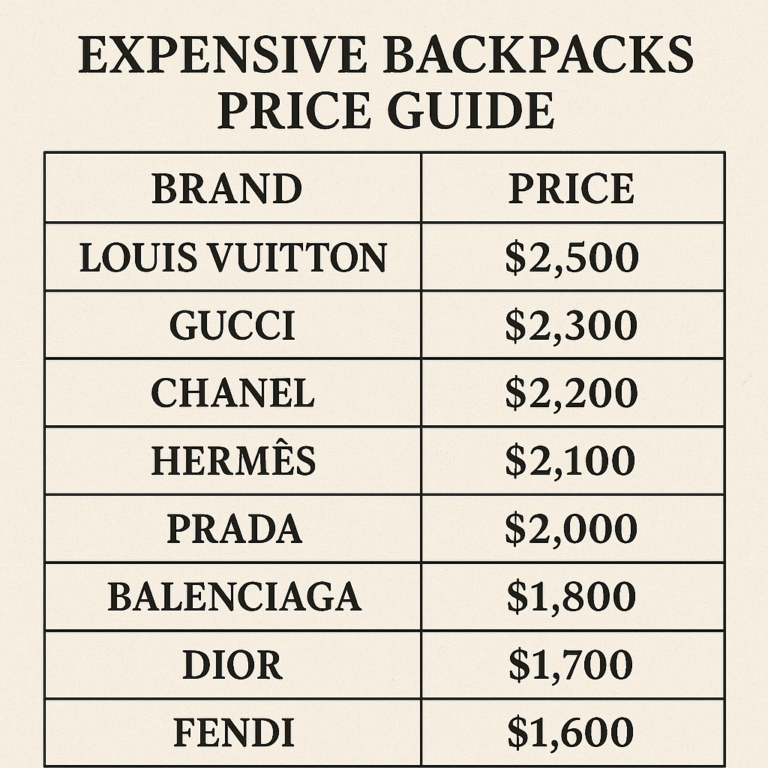
The “mother of a consumer recession” might be looming, but with the right strategies, you can weather the storm. You don’t need to buy the most expensive backpack to be a smart consumer. You just need to know what you’re buying and why.
Now, go forth and shop with confidence!
🔗 Recommended Links
Ready to upgrade your gear? Here are some top picks based on our extensive testing and consumer feedback.
👉 Shop Top Backpack Brands on:
- Osprey: Amazon | Osprey Official
- Patagonia: Amazon | Patagonia Official
- The North Face: Amazon | The North Face Official
- Deuter: Amazon | Deuter Official
- Gregory: Amazon | Gregory Official
Recommended Reading:
❓ FAQ: Your Burning Questions Answered

What are the top-rated backpack brands for student consumers?
Osprey and JanSport consistently top the list for students. Osprey offers lifetime warranties and superior comfort for heavy loads, while JanSport provides durable, affordable options perfect for daily school use. Tortuga is also gaining traction for its sleek, laptop-friendly designs.
Read more about “🎒 What Is the Market Trend in Backpacks? (2026)”
How has the consumer market for backpacks changed in 2024?
The 2024 market has seen a surge in sustainability and tech-integration. Consumers are demanding recycled materials, PFC-free treatments, and built-in charging ports. There’s also a shift towards modular designs that can adapt to different needs, from commuting to hiking.
Read more about “🎒 How Many Backpacks Are Sold Each Year? (2026 Stats)”
Are there eco-friendly backpack brands that consumers prefer?
Yes. Patagonia is the gold standard, using 10% recycled materials in many of their packs. TerraCycle partners with brands to recycle old gear. Fjällräven is also popular for their durable, long-lasting G-10 fabric, which reduces the need for frequent replacements.
What features do modern consumers look for in a backpack?
Modern consumers prioritize ergonomics (padded straps, breathable backs), organization (laptop sleeves, multiple compartments), and durability (water-resistant materials). Tech integration like USB ports and anti-theft features are also high on the list.
Read more about “🎒 Who Uses Backpacks the Most? The 7 Surprising Groups You Didn’t Expect (2026)”
Which backpack brands offer the best value for consumers?
Deuter and Gregory offer exceptional value, combining high-quality construction with reasonable prices. Osprey is slightly pricier but justifies the cost with their All Mighty Guarantee (lifetime warranty). For budget-conscious shoppers, High Sierra and Eastpak provide solid options.
Read more about “🚀 Is the Backpack Market Growing? The 2026 Boom Explained”
How do consumer preferences influence backpack design?
Consumer demand for sustainability has led to more recycled materials. The rise of remote work has increased demand for laptop compartments and ergonomic designs. Minimalism has driven the popularity of sleek, streamlined packs.
Read more about “What Are the Top 10 Market Trends in Backpacks for 2025? 🎒”
What are the best consumer backpack brands for daily use?
For daily commuting, Tortuga, Aer, and Peak Design are top choices. They offer a perfect blend of style, organization, and durability. Herschel is also popular for its fashion-forward designs.
Read more about “🎒 15 Shocking Backpack Statistics That Will Change How You Pack (2026)”
What is the average lifespan of a backpack according to consumer reports?
With proper care, a high-quality backpack can last 5 to 10 years. Brands like Osprey and Patagonia often exceed this, with many users reporting packs lasting 15+ years. Lower-quality brands may only last 1-2 years.
How do consumer reviews impact the reputation of top backpack brands?
Reviews are critical. A few bad reviews can damage a brand’s reputation, while a flood of positive reviews can launch a product to stardom. Brands like Osprey have built their reputation on the strength of their customer service and warranty, which is reflected in their reviews.
Read more about “🎒 7 Emerging Backpack Brands to Watch in 2026”
Are there eco-friendly backpack brands that appeal to conscious consumers?
Absolutely. Patagonia, Fjällräven, and TerraCycle are favorites among conscious consumers. They prioritize ethical manufacturing, recycled materials, and repair programs.
Read more about “What Is the Demand for Backpacks? 9 Surprising Facts (2025) 🎒”
What features do modern consumers look for in a durable backpack?
Reinforced stitching, water-resistant or waterproof materials, and high-denier fabrics (like Cordura) are key. YKK zippers are also a sign of quality.
Read more about “🌍 Backpack Statistics Worldwide: 15+ Shocking Facts (2026)”
Which backpack brands offer the best value for budget-conscious consumers?
High Sierra, Eastpak, and JanSport offer great value. They provide durable, functional packs at affordable prices. Amazon Basics also has surprisingly good options for the price.
Read more about “Anti-Theft Backpack Consumer Demand Statistics (2026) 📊”
How do consumer preferences influence backpack design trends?
The shift towards remote work and hybrid lifestyles has led to more versatile packs. The demand for sustainability has driven the use of eco-friendly materials. Aesthetics have also evolved, with a move towards minimalist, sleek designs.
Read more about “🎒 Backpack Statistics 2020: The Shocking Data Behind Your Pack”
What are the best backpack brands for consumers in 2024?
Osprey, Patagonia, Tortuga, Aer, and Deuter are the top contenders for 2024. They excel in quality, sustainability, and innovation.
Read more about “🎒 Who Sells the Most Backpacks? The 2026 Market Titans Revealed”
📚 Reference Links
- Consumer Financial Protection Bureau (CFPB): https://www.consumerfinance.gov/
- Better Business Bureau (BB): https://www.bb.org/
- Patagonia: https://www.patagonia.com/
- Osprey: https://www.osprey.com/
- The North Face: https://www.thenorthface.com/
- Deuter: https://www.deuter.com/
- Gregory: https://www.gregory.com/
- Fjällräven: https://www.fjallraven.com/
- TerraCycle: https://www.terracycle.com/
- Backpack Brands™ Statistics: https://www.backpackbrands.org/backpack-statistics/
- Backpack Brands™ Trends: https://www.backpackbrands.org/what-are-the-trends-in-backpacks/
- Backpack Brands™ Reviews: https://www.backpackbrands.org/category/backpack-reviews/
- Backpack Brands™ Types: https://www.backpackbrands.org/category/backpack-types/
- Backpack Brands™ Brand Spotlights: https://www.backpackbrands.org/category/brand-spotlights/
- Backpack Brands™ Backpack Brands: https://www.backpackbrands.org/category/backpack-brands/