Support our educational content for free when you purchase through links on our site. Learn more
🎒 How Many People Use Backpacks for Hiking?


There is no verified count of how many people use backpacks specifically for hiking. Outdoor participation surveys count hikers, while park records track visits; neither reliably tells us who carried a backpack on the trail.
That distinction matters. A hiker might take a short walk with a water bottle, carry a daypack on a weekend trail, or haul an overnight pack through the backcountry—and those outings are not counted the same way. We’ll sort out what the available data can tell us, what it cannot, and how to read hiking statistics without letting the numbers wander off-trail.
Key Takeaways
- No single authoritative statistic counts hiking backpack users worldwide or in the United States.
- Hiking participation, backpacking trips, park visits, and backpack sales measure different things—not interchangeable totals.
- Many hikers carry a pack, but not all do. Pack use depends on outing length, conditions, and what a person needs to carry.
- To estimate backpack use accurately, a survey must ask both whether someone hikes and whether they carry a backpack.
- Choose a pack for your trip: a compact daypack suits many short hikes, while overnight backpacking calls for more capacity and load support.
Table of Contents
- ⚡️ Quick Tips and Facts: How Many People Use Backpacks for Hiking?
- 📊 The Number of Backpack Users: What the Available Data Can Tell Us
- Hiking, Day Hiking, and Backpacking: Why the Definitions Matter
- Participation Counts vs. Backpack Ownership
- 🏕️ Background: How Hiking Backpacks Became Trail Essentials
- 🌎 How Many People Hike and Backpack Around the World?
- United States Hiking Participation and Outdoor Recreation Trends
- Global Hiking Participation: What Different Countries Measure
- 👥 Who Uses Backpacks for Hiking?
- Age, Experience, and Household Trends
- Day Hikers, Overnight Backpackers, and Thru-Hikers
- Families, Groups, and Solo Hikers
- 📈 Why Hiking Backpack Use Is Growing
- Outdoor Recreation, Wellness, and Trail Access
- Social Media, Hiking Communities, and Group Outings
- 🎒 What Hikers Carry: Backpack Types and Typical Uses
- Daypacks for Short Hikes
- Overnight and Multi-Day Backpacking Packs
- Hydration Packs and Lightweight Hiking Packs
- 🧭 How to Estimate the Number of People Using Backpacks for Hiking
- Reliable Participation Surveys and Data Sources
- Common Counting Problems: Overlapping Activities and Repeat Visits
- How to Read Hiking Statistics Without Misleading Yourself
- 🥾 Where People Use Hiking Backpacks
- National Parks, State Parks, and Local Trails
- Popular Trails, Hiking Clubs, and Outdoor Groups
- Urban Walks, Nature Reserves, and Day Trips
- ✅ Choosing a Hiking Backpack That Fits Your Trip
- Capacity, Fit, and Torso Length
- Weight, Comfort, and Weather Protection
- Backpack Features Worth Considering
- 💡 Tips for New Hikers Carrying a Backpack
- Pack the Essentials Without Overpacking
- Adjust Your Pack and Distribute the Load
- Stay Safe, Hydrated, and Ready for Changing Weather
- 🔮 The Future of Hiking Backpack Use
- 🏁 Conclusion
- 🔗 Recommended Links
- ❓ FAQ
- How many people use backpacks for hiking?
- How many people go hiking each year in the United States?
- Is hiking the same as backpacking?
- Do all hikers need a backpack?
- What size backpack do most day hikers use?
- Are more people hiking now than in the past?
- 📚 Reference Links
⚡️ Quick Tips and Facts: How Many People Use Backpacks for Hiking?
- There is no reliable global headcount of people who use backpacks specifically for hiking. Recreation surveys usually count hikers or backpackers, not whether each person carried a pack.
- In the United States, the Outdoor Industry Association’s participation reports track outdoor activities, while the National Park Service tracks visits to parks. Neither measure directly equals the number of people using hiking backpacks.
- Hiking and backpacking are different activities: day hikers may carry a small pack, while backpackers typically carry overnight gear. A backpack is common on both, but it is not a universal requirement.
- A useful place to start is our related overview of how many people use backpacks. It covers backpack use more broadly, while this article focuses on hiking.
- For a day hike, choose a comfortable, appropriately sized hiking daypack and carry the essentials—not your entire closet. 🥾
| Quick fact | What it means |
|---|---|
| Exact number of hiking backpack users | Not established by a single authoritative survey |
| Commonly reported statistic | Number of people participating in hiking or backpacking |
| Common counting complication | People may hike multiple times, use different packs, or hike without a backpack |
| Best way to interpret a participation figure | Treat it as an estimate of hikers, not backpack owners or pack users |
📊 The Number of Backpack Users: What the Available Data Can Tell Us
The honest answer to “How many people use backpacks for hiking?” is less tidy than a trail map: we cannot point to one verified number that counts those people worldwide—or even across the United States.
That does not mean there is no useful data. It means the available statistics answer neighboring questions, such as how many people hike, how many visit parks, or how much outdoor equipment consumers buy. Those figures offer context, but they are not interchangeable. Our team sees this distinction get lost whenever an activity statistic is presented as a backpack-use total.
For broader context about backpack use across everyday activities, see our backpack trends coverage.
Hiking, Day Hiking, and Backpacking: Why the Definitions Matter
Hiking generally means walking on trails or in natural areas for recreation. A hiker might take a short local walk, spend a full day on a mountain, or travel between campsites over several days.
Backpacking usually refers to hiking while carrying overnight equipment. The National Park Service’s Isle Royale camping guidance, for example, describes the preparation required for backcountry camping—not simply taking a walk with a daypack.
| Activity | Typical outing | Typical pack use |
|---|---|---|
| Short trail walk | A few hours or less | No pack, waist pack, or small daypack |
| Day hike | Several hours to a full day | Daypack for water, food, layers, and essentials |
| Overnight backpacking | One or more nights on trail | Supportive pack with space for shelter, sleep system, food, and clothing |
| Thru-hiking | A long-distance route over many days or weeks | Pack selected around the hiker’s gear system and resupply plan |
These categories overlap. Someone who day-hikes on Saturday and backpacked last month may count in more than one activity group. Meanwhile, a hiker who carries only a water bottle may not count as a backpack user at all.
Participation Counts vs. Backpack Ownership
Four numbers can sound similar but measure different things:
- People who hike: Participants in a survey or activity category.
- Hiking outings: Individual trips, including repeat visits by the same person.
- Backpacks owned: Products purchased, possibly including packs used for school, travel, or commuting.
- People carrying backpacks on hikes: The number this topic asks about—and the figure that is rarely measured directly.
A sales report cannot tell us how many buyers hike. A park visitation total cannot tell us how many visitors brought a pack. And an activity survey may count a person as a hiker without asking what they carried. That is why hiking participation figures are useful context, not a direct answer.
🏕️ Background: How Hiking Backpacks Became Trail Essentials

People have carried supplies on foot for centuries. Modern hiking backpacks evolved as outdoor recreation grew and gear makers improved materials, frame designs, straps, and load distribution. Today’s options range from minimalist daypacks to structured packs built for multi-day routes.
Our reviewers have tested the practical difference: a bag that feels perfectly fine on a short walk can become an argument with your shoulders after hours on uneven terrain. Fit and intended use matter more than a brand logo. Browse our backpack types guide for a closer look at common designs.
The Smithsonian National Museum of American History offers context on the development of everyday and outdoor equipment, while the Outdoor Industry Association tracks participation and trends in modern outdoor recreation. Neither source provides a historical census of hiking-backpack users, but together they help explain why packs became a familiar piece of trail gear.
🌎 How Many People Hike and Backpack Around the World?
Hiking is popular across continents, but there is no single global survey with a consistent definition of “hiker” and “backpack user.” Countries and organizations may count trail users, outdoor recreation participation, national park visits, or backpacking trips using different methods.
The result is a patchwork rather than a clean worldwide total. We can discuss outdoor participation and trail use, but we should not convert those numbers into a precise count of people using hiking backpacks.
United States Hiking Participation and Outdoor Recreation Trends
In the United States, the Outdoor Industry Association’s Outdoor Participation Trends Report is a major source for participation in outdoor activities. Its figures can help show how many people take part in activities such as hiking, but they do not establish how many participants carry a backpack on each outing.
The National Park Service visitor-use statistics provide another useful lens. They document recreation visits at NPS sites, not a unique count of hikers or packs. One person can make several visits, and park visitors take part in many activities besides hiking.
| Source | What it can help answer | What it cannot establish by itself |
|---|---|---|
| Outdoor recreation participation survey | How many people report taking part in an activity | Whether each hiker carried a pack |
| Park visitation records | How many recreation visits occurred at a site | How many unique people hiked or brought backpacks |
| Retail or market research | Product sales and category trends | How many buyers used a pack for hiking |
| Trail counters | Foot traffic on a monitored route | Visitors’ identities, gear, or trips elsewhere |
For consumer-oriented updates and outdoor participation stories, our Backpack Trends section looks at how activity patterns affect what hikers carry.
Global Hiking Participation: What Different Countries Measure
International comparisons require care. One report may count people who hiked at least once during a year; another may count visits to protected areas; a third may measure memberships in walking organizations. The measurement rules can matter as much as the headline figure.
For a sound comparison, check:
- Whether the source counts unique participants or total outings.
- Whether it measures hiking, walking, trekking, or backpacking.
- The time period and age groups covered.
- Whether the survey is national, regional, or limited to members or park visitors.
- Whether respondents were asked about carrying a backpack.
Without those details, a large-looking number may be interesting—but it is not a reliable answer to how many people hike with backpacks.
👥 Who Uses Backpacks for Hiking?
Backpacks are used by a wide range of trail-goers: weekend walkers, families, photographers, day hikers, overnight backpackers, and long-distance hikers. What changes is the pack’s capacity, support, and contents.
A six-mile day hike may call for water, snacks, an extra layer, and a small first-aid kit. An overnight trip adds shelter, a sleep system, cooking gear, and more food. The American Hiking Society’s hiking safety guidance is a good reminder that a pack should support preparation, not encourage you to carry unnecessary weight.
Age, Experience, and Household Trends
Hiking backpack users are not one uniform group. A first-time trail visitor may carry a compact bag borrowed from home; an experienced backpacker may choose a highly specialized pack based on load, distance, and terrain. Families often divide shared equipment among adults, while photographers or birders may prioritize accessible storage for their gear.
Participation research can reveal broad outdoor recreation patterns, but it rarely identifies the exact backpack each person uses. The Outdoor Industry Association is useful for activity trends; specific claims about age, experience, or pack ownership should be tied to a survey that actually asked those questions.
Day Hikers, Overnight Backpackers, and Thru-Hikers
- Day hikers usually want easy access to water, snacks, rainwear, and small essentials. A comfortable daypack is often enough.
- Overnight backpackers need room for sleep, shelter, food, and clothing, plus a suspension system that carries the load comfortably.
- Thru-hikers often balance capacity, durability, and weight over long distances. Their setup is personal, and lightweight choices can come with trade-offs in structure or features.
A 15–35-liter range is often discussed for daypack-style bags, but capacity alone does not guarantee comfort or suitability. The Pedal Project’s daypack-versus-backpack explainer describes daypacks as smaller bags for short outings and distinguishes them from larger supportive packs. It is a useful perspective, not a population survey—and its observations cannot establish how many people use each type.
Families, Groups, and Solo Hikers
In a group, the pack plan can vary:
- Families may share first-aid supplies, snacks, and navigation items across adult packs.
- Group hikes can include hikers with very different fitness levels and carrying needs.
- Solo hikers need to plan independently for navigation, water, weather, and emergencies.
On remote trips, preparation becomes especially important. Isle Royale National Park advises visitors that “self-reliance is a must” because services are limited; visitors should check current guidance and plan to manage water and supplies themselves (NPS Isle Royale camping information). That is a trip-specific warning, not a general rule that every day hiker needs an expedition pack.
📈 Why Hiking Backpack Use Is Growing
Outdoor recreation trends can help explain interest in hiking gear, but they should not be mistaken for a verified count of backpack users. More people reporting outdoor activity could mean more potential pack users; it does not prove that every new hiker buys or carries a dedicated hiking backpack.
Outdoor Recreation, Wellness, and Trail Access
Walking trails can make outdoor recreation approachable: you may not need a lift ticket, a guide, or a garage full of gear to begin. As participation changes, so can demand for practical equipment such as water-carrying packs, lightweight daypacks, and supportive overnight bags. The Outdoor Industry Association’s research hub tracks trends that help put these shifts in context.
Our reviewers recommend starting with the outing, not the shopping list. A neighborhood nature trail and a remote multi-night route ask very different things of a backpack. For product testing and gear perspectives, explore our backpack reviews and brand spotlights.
Social Media, Hiking Communities, and Group Outings
Hiking clubs, local groups, and online communities can help new hikers find routes and learn what to carry. They can also make it easy to mistake a polished gear photo for a required packing list. You do not need a complicated setup for every trail.
Choose based on route length, weather, access to water, and what you need to carry. The American Hiking Society and local land managers provide more dependable preparation guidance than a random gear haul. And if you are tempted by a large pack because it looks “more serious,” remember: extra capacity has a talent for filling itself.
🎒 What Hikers Carry: Backpack Types and Typical Uses
A hiking backpack should match both the load and the duration of the outing. Here is a broad comparison; exact capacity and features differ by model.
| Pack type | Typical outing | Useful features | Potential drawback |
|---|---|---|---|
| Daypack | Short hikes and day trips | Light carry, water storage, easy access | Limited room for bulky gear |
| Framed overnight pack | Camping trips and multi-day hikes | Load support, hip belt, larger capacity | More weight and bulk than most day hikers need |
| Lightweight or frameless pack | Minimalist trips and light loads | Low weight, streamlined design | Less structure or support under heavier loads |
| Hydration pack | Short, fast outings | Convenient drink access | Limited space for layers and other essentials |
For examples of pack categories and how they differ, browse our backpack types guide.
Daypacks for Short Hikes
A daypack usually carries water, food, a layer, small safety items, and personal essentials. The Pedal Project gives 15–35 liters as a broad daypack range, while noting that use and design vary (daypack comparison). Treat that as a rough reference, not a standard.
Features worth checking include:
- Shoulder straps that sit comfortably without digging in.
- A sternum strap to help limit bounce.
- A hip belt if you want extra stability or plan to carry a heavier day load.
- Side pockets or a reservoir sleeve for water.
- Enough space for the gear your route actually requires.
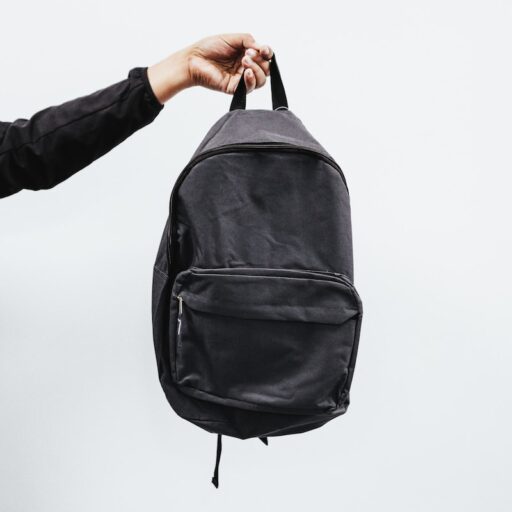
A small everyday backpack can work for an easy, short walk, but it may lack the comfort and organization of a purpose-built hiking daypack.
Overnight and Multi-Day Backpacking Packs
An overnight pack needs to carry more than a daypack, often including shelter, sleep gear, food, water, and clothing. A framed pack with a properly adjusted hip belt can help transfer part of the load to your hips. The right capacity depends on your equipment, trip length, resupply options, and weather.
Brands such as Osprey, Gregory, and REI Co-op offer packs across different uses and fit systems. We recommend trying a loaded pack where possible: an empty bag can feel like a cloud; add your actual gear and it may reveal its true personality.
On remote trips, capacity is only part of the plan. Isle Royale’s backcountry camping guidance emphasizes carrying what you need, treating or filtering water, following park rules, and checking conditions before travel.
Hydration Packs and Lightweight Hiking Packs
Hydration packs are compact options for hikers who prioritize drinking on the move. They can suit short outings, but space for extra clothing, food, and safety gear varies by model. Lightweight packs trim structure and material to reduce weight; that can feel liberating on a light load, but minimalist construction is not automatically more comfortable.
A useful rule: first decide what you must carry, then choose a pack that carries it well. Don’t buy a tiny bag and hope your rain jacket learns to fold itself smaller.
🧭 How to Estimate the Number of People Using Backpacks for Hiking
There is no defensible shortcut that turns all hikers into backpack users. If you need an estimate for a report, survey, or business plan, use a transparent method and clearly label the result as an estimate.
- Define the population. Specify country or region, age range, and time period.
- Define the activity. Decide whether “hiking” includes walking trails, day hiking, trekking, and overnight backpacking.
- Define backpack use. Does any shoulder-strap bag count, or only a pack carried on the hike?
- Find a survey that measures both. Ideally, the same respondents report hiking participation and backpack use.
- Report the uncertainty. If you multiply an estimate of hikers by an assumed backpack-use rate, disclose that assumption instead of presenting the result as a measured fact.
For a trail-specific estimate, direct observation or a well-designed visitor survey can be more useful than retail sales. But observation also has limits: a person with a pack may pass a counter several times, and a trail counter generally cannot identify unique visitors.
Reliable Participation Surveys and Data Sources
Start with sources whose methods are visible:
- Outdoor participation: Outdoor Industry Association research
- National park visits: NPS visitor-use statistics
- Trail preparation and safety: American Hiking Society resources
- Specific park rules and planning: the relevant land manager’s official website, such as Isle Royale National Park
Before quoting a statistic, check its year, population, activity definition, and whether it measures people or visits. If backpack use is not explicitly recorded, say so.
Common Counting Problems: Overlapping Activities and Repeat Visits
The numbers can diverge for ordinary reasons:
- One person may take dozens of hikes in a year.
- Someone may hike with a backpack one trip and without one on another.
- “Backpacking” may mean an overnight trip in one study and general trail walking in another.
- A survey may count participants who report an activity, while park records count visits.
- A backpack purchase may be used for school, travel, commuting, or hiking—or all four.
That is why visits, participants, purchases, and backpack-use occasions must stay in separate columns. The Facebook group page supplied for this topic shows a login prompt rather than an accessible hiking statistic, so it provides no usable count or quote (Manitou Incline group page).
How to Read Hiking Statistics Without Misleading Yourself
When a headline claims a precise total, ask:
- Who counted it?
- What exactly did they count?
- Which year and geography does it cover?
- Did the survey ask about backpacks?
- Does the source distinguish people from trips?
If the answer to the backpack question is no, the statistic may still be useful—but it describes hiking participation, not hiking backpack use. That careful distinction is the difference between a helpful estimate and a number wearing an oversized pack of assumptions.
🥾 Where People Use Hiking Backpacks
Hiking packs appear on local greenways, forest trails, desert routes, national park paths, and remote backcountry trips. The setting affects what you should carry: a short, well-maintained route near services is not the same planning challenge as a remote island trail.
National Parks, State Parks, and Local Trails
Before hiking, check the official site for trail conditions, closures, water availability, permits, and camping rules. The NPS visitor-use statistics page helps readers understand park visits, while each park’s trip-planning pages explain local requirements.
Isle Royale offers a particularly clear example of why destination matters. The National Park Service says trails can be “ruged, uneven, and sometimes obstructed” and advises visitors to prepare for remote conditions (Isle Royale camping and backpacking guidance). Its page also recommends staying on trails, planning for water, and protecting the park from invasive species. That guidance is specific to the park, but the larger lesson travels well: check the land manager’s advice before packing.
Popular Trails, Hiking Clubs, and Outdoor Groups
Organized hikes can make trail outings more accessible, particularly for people new to route planning. A group may share information, but each hiker still needs to carry personal essentials and follow the organizer’s safety guidance.
If you are new, look for a route that matches your fitness and experience, then ask the group what conditions to expect. The American Hiking Society has trail and safety resources; our backpack brand spotlights can help you compare makers once you know what sort of pack you need.
Urban Walks, Nature Reserves, and Day Trips
Not every backpack-wearing hiker is headed into the wilderness. City-edge trails, nature reserves, and day-use paths can all call for a small bag with water and a spare layer. For an easy outing, a compact daypack may be enough; for a remote route, build a more complete gear plan using recognized safety guidance.
The pack should fit the outing, not the fantasy version of the outing. If your route is short and close to help, you probably do not need a multi-day load-hauler. If the route is remote or the weather can change quickly, “I’ll probably be fine” is a poor substitute for preparation.
✅ Choosing a Hiking Backpack That Fits Your Trip
Choosing a pack is a practical decision, not a contest to own the most pockets. Our reviewers suggest working through the choice in this order:
- List the gear you need for the route and conditions.
- Choose a capacity that fits that gear without forcing a cramped, awkward load.
- Check fit using your torso length and the pack’s adjustment range.
- Try it with weight inside. Adjust the hip belt and shoulder straps.
- Walk around and check for rubbing, shifting, or pressure points.
- Compare features only after comfort and capacity are right.
For hands-on comparisons, browse our backpack reviews and backpack brands guide.
Capacity, Fit, and Torso Length
Capacity describes volume, often in liters; it does not tell you whether the pack fits your body. Packs may be sold in different sizes or offer adjustable torso lengths. A hip belt should sit securely around your hips, while shoulder straps should follow the curve of your shoulders without leaving large gaps or pressing painfully.
Try the bag with a realistic load and adjust it according to the manufacturer’s instructions. If the pack feels uncomfortable in the shop, a long walk is unlikely to improve its manners.
Weight, Comfort, and Weather Protection
A lighter pack can reduce the weight you carry, but a minimalist design may provide less structure or fewer comfort features. A heavier framed bag may feel better when carrying a substantial load. The best option depends on your equipment, distance, body, and terrain.
Consider:
- Back panel and ventilation: comfort in warm conditions and against your clothing.
- Hip belt and frame: useful when the pack carries a heavier load.
- Rain protection: some bags include a cover; others rely on a liner or waterproof stuff sacks.
- Durability: rugged fabrics can handle abrasion, while lighter fabrics may need more careful use.
- Access and organization: handy pockets are useful only if they do not make packing awkward.
For fit, suspension, and pack-feature guidance, consult manufacturers such as Osprey and Gregory, then try the specific model under load if possible.
Backpack Features Worth Considering
| Feature | Helpful for | Possible trade-off |
|---|---|---|
| Hydration sleeve | Carrying a reservoir | Can make refilling or checking water harder |
| Side bottle pockets | Quick access to bottles | May be difficult to reach on some packs |
| Sternum strap | Stabilizing shoulder straps | Fit and placement need adjustment |
| Hip belt | Reducing shoulder load and improving stability | Adds weight and may be unnecessary on a tiny pack |
| External attachment points | Poles, layers, or other gear | Can snag or encourage overpacking |
| Rain cover or liner | Keeping contents dry | Adds a step; a cover may not protect against every storm |
A few well-chosen features beat a pocket for every possible object. We have seen hikers spend more time organizing the pack than enjoying the trail—usually because the bag offers many compartments but little logic.
💡 Tips for New Hikers Carrying a Backpack
A new hiker does not need an elaborate kit, but should plan for the route, weather, water, and a minor mishap. The American Hiking Society’s safety resources are a solid starting point; always check local conditions, too.
Pack the Essentials Without Overpacking
Use this simple process:
- Check the route and forecast. Look for distance, elevation, exposure, closures, and expected conditions.
- Set aside essentials first. Include water, food, an extra layer, navigation, and basic first-aid or emergency items appropriate to the trip.
- Add trip-specific gear. A remote or overnight outing needs more planning than a short local loop.
- Remove duplicates and “just in case” clutter. Keep what supports safety and comfort; leave the rest.
- Test the packed bag. Walk with it before committing to a long trail day.
The Pedal Project recommends choosing a smaller, lighter daypack when it suits the outing and warns against taking an unpadded casual bag on an overnight trip (daypack and backpack comparison). We agree with the principle: do not ask a bag to carry a load it was not designed to support.
Adjust Your Pack and Distribute the Load
A useful fitting sequence:
- Losen the straps before putting the pack on.
- Position the hip belt so it rests securely around the hips.
- Tighten the shoulder straps until they sit comfortably.
- Adjust the sternum strap so it stabilizes the straps without restricting breathing.
- Place heavier items close to your back and arrange the rest so the load does not shift.
- Walk, bend, and reach. Re-adjust any strap that rubs or pulls.
There is no single load that feels right for everyone. Your fitness, pack design, distance, and terrain all matter. If the bag causes numbness, sharp pain, or persistent rubbing, stop and reassess rather than treating discomfort as a hiking badge.
Stay Safe, Hydrated, and Ready for Changing Weather
Bring water appropriate to the route and know whether refill sources are available. Do not assume a stream or lake is safe to drink untreated. Isle Royale, for example, directs backcountry visitors to collect and treat their own drinking water (NPS Isle Royale camping guidance).
Also:
- Tell someone your route and expected return time.
- Carry a way to navigate, and know how to use it.
- Check land-manager alerts before leaving.
- Keep an extra layer accessible if conditions can change.
- Stay on designated trails and follow local rules.
- Protect wildlife and pack out your trash.
That same Isle Royale guidance asks visitors to clean boots and gear to reduce the spread of invasive species and to camp only in designated areas. Remote trips reward preparation; they are less forgiving of guesswork.
🔮 The Future of Hiking Backpack Use
The future of hiking backpack use will likely be shaped by outdoor participation, changing consumer preferences, and product design. Lightweight materials, more specialized fit options, recycled fabrics, and modular features are all areas shoppers may encounter. But a trend report about gear is not a headcount of hikers carrying packs.
Sustainability claims deserve the same careful reading as participation statistics. Check what a brand says about materials, repair, warranty, and product life, and look for documentation rather than relying on a green-colored logo. The Outdoor Industry Association’s research offers broad industry context; our Backpack Trends section covers consumer and design developments.
And the question we started with? The best-supported answer remains clear: we know that many people hike and many people use backpacks, but available sources do not provide a definitive count of how many people use backpacks specifically for hiking. The most useful next step is to keep hiking participation, park visits, product sales, and direct backpack-use surveys separate—then choose your own pack based on the trail ahead.