Support our educational content for free when you purchase through links on our site. Learn more
🎒 How Often Should You Replace Your Backpack?

How often should I replace my backpack to ensure durability and comfort? Replace it when it no longer fits, carries your usual load comfortably, or works reliably—not just because it has reached a certain age. A well-made hiking pack may last around 5–10 years with regular use, but heavy loads, daily wear, damage, and changing fit can shorten that timeline.
We’ve inspected backpacks that looked scuffed but still carried beautifully—and newer ones whose flattened padding made every commute feel longer. The difference wasn’t the calendar; it was whether the straps, seams, zippers, fabric, and fit still did their jobs.
Here’s how to spot the difference between a backpack that needs a quick repair and one that’s ready for retirement.
✅ Key Takeaways
- Replace based on condition, fit, and comfort—not age alone.
- Inspect strap anchors, load-bearing seams, zippers, buckles, fabric, padding, and frame regularly.
- Repair isolated problems when the surrounding materials are sound; replace the pack when structural damage or persistent discomfort makes it unreliable.
- Children may outgrow a backpack before it wears out, so check their fit as well as its condition.
- Before a trip, load the backpack with your usual gear and test its closures, support, and comfort.
Table of Contents
- ⚡️ Quick Tips and Facts
- 🎒 Backpack Lifespan: What “Durable and Comfortable” Really Means
- 🕰️ How Often Should You Replace Your Backpack?
- Typical lifespan by backpack type and daily use
- Why replacement timelines vary
- 🔍 8 Signs Your Backpack Is Ready for Retirement
- Worn-out straps, padding, or uncomfortable fit
- Broken zippers, buckles, and other hardware
- Frayed fabric, leaking seams, and water damage
- Loose stitching at stress points
- A damaged frame or misshapen back panel
- Persistent odors, mold, or hygiene concerns
- A backpack that no longer fits your body or needs
- 🧵 Repair or Replace? How to Make the Call
- Backpack repairs worth trying
- Damage that makes replacement the safer choice
- Warranty, repair services, and brand support
- 🧍 How Your Body, Fit, and Comfort Affect Backpack Lifespan
- Fit changes for adults, children, and growing teens
- Red flags: shoulder, back, and neck discomfort
- 🏙️ How Backpack Use Changes Wear and Tear
- School and everyday commuter backpacks
- Travel backpacks and carry-on luggage
- Hiking and camping backpacks
- Gym, running, and sports backpacks
- Work, laptop, and equipment backpacks
- 🧼 How to Make Your Backpack Last Longer
- Pack and lift it without stressing the seams
- Clean and dry it the right way
- Store it to prevent damage
- Check zippers, stitching, and straps regularly
- ♻️ What to Do With an Old Backpack
- Donate, recycle, repurpose, or responsibly dispose of it
- ✅ Backpack Replacement Checklist
- Conclusion
- Recommended Links
- FAQ
- How many years should a good backpack last?
- Can a backpack last 10 years?
- How often should students replace a school backpack?
- Should I replace a backpack if only one zipper is broken?
- How can I tell if a backpack is hurting my back?
- Does washing a backpack shorten its lifespan?
- Reference Links
⚡️ Quick Tips and Facts
- There’s no universal replacement schedule: a backpack’s useful life depends on how often you use it, what you carry, how it’s constructed, and how it’s stored. One outdoor retailer puts a well-used hiking rucksack’s typical lifespan at about 5–10 years, while warning that heavy loads and rough trips can shorten it. (Cotswold Outdoor)
- Replace it when it no longer carries its usual load safely and comfortably, not just because it has reached a certain birthday.
- Check the strap anchors, load-bearing seams, zipper tracks, buckles, fabric, frame, and padding. A cosmetic scuff is usually fine; a strap separating from the bag is not.
- Repair localized problems—such as a replaceable buckle or zipper slider—when the surrounding fabric and stitching are sound. Widespread structural damage is a different story.
- Children may outgrow a backpack before it wears out. One retailer suggests checking a child’s pack for condition and fit rather than relying on age alone; its guidance discusses replacement at roughly every 1–2 years as a common possibility. (Backpacks USA)
- A quick, useful test: load the pack with your usual gear, put it on, and check whether it sits evenly, closes securely, and feels comfortable. More on that check later.
- For more consumer context, see our article on how many people use backpacks and explore our backpack reviews.
🎒 Backpack Lifespan: What “Durable and Comfortable” Really Means
A backpack doesn’t come with a reliable expiration date stamped beside the care label. Durability is about whether its materials and construction still do their job; comfort is about whether the pack still fits you and carries your load well. Those two clocks don’t always tick at the same speed.
We’ve seen packs that looked battered but remained dependable, and pristine-looking bags whose foam had gone flat or whose stitching was quietly giving way. So don’t judge by looks alone. Inspect the parts that carry weight and touch your body.
| What affects backpack lifespan | Why it matters | What to watch for |
|---|---|---|
| Frequency of use | Daily handling creates more wear than occasional outings | Fraying, worn corners, zipper trouble |
| Load and packing habits | Heavy or overstuffed loads strain seams and straps | Stretching, seam gaps, strap-anchor damage |
| Terrain and travel | Abrasion, rain, dust, and rough handling accelerate wear | Scrapes, coating wear, damaged buckles |
| Materials and construction | Fabric, stitching, reinforcements, and hardware vary | Thin spots, peeling coatings, weak seams |
| Fit and changing needs | A pack may no longer suit your body, load, or activity | Shoulder strain, poor balance, inadequate capacity |
| Care and storage | Dampness, dirt, and sun exposure can degrade materials | Musty odor, mildew, brittle components |
There’s a reason lifespan estimates vary. Cotswold Outdoor says a good-quality hiking rucksack may last 5–10 years of regular use, while a technical pack used under heavy loads may wear faster than a lightly used commuter bag. A separate article offers more specific estimates by fabric, but those numbers are not a universal testing standard: brands use different materials and construction, and real-world use varies enormously. (Cotswold Outdoor; Arctic Ocean Song)
For a broader look at pack styles and construction, browse our guides to backpack types and backpack brands.
🕰️ How Often Should You Replace Your Backpack?
Replace a backpack when damage, poor fit, or discomfort makes it unreliable—not automatically every few years. A schedule can help you remember to inspect it, but the condition of the bag should make the call.
Use the following as a planning guide, not a promise from the fabric gods:
Typical lifespan by backpack type and daily use
| Backpack use | A sensible inspection approach | What most affects replacement timing |
|---|---|---|
| Everyday commuter or work bag | Inspect it every few months, especially before carrying electronics in bad weather | Daily abrasion, load, zipper condition, and protection for contents |
| School backpack | Check it during the school year and whenever fit changes | Heavy books, rough handling, growth, and fit |
| Hiking daypack | Inspect before demanding hikes and after trips with rain or rough terrain | Load, abrasion, seams, padding, and frame condition |
| Multi-day trekking pack | Check carefully before every major trip | Heavy loads, long use, frame integrity, and hip-belt condition |
| Occasional travel or gym bag | Inspect before trips and after storage | How it was packed, handled, dried, and stored |
Cotswold Outdoor’s 5–10-year estimate for a good-quality hiking pack is a helpful benchmark, but not a guarantee. A daily commuter bag may outlast that under gentle use—or fail sooner if it’s overloaded and dragged through years of crowded transit. The correct answer depends on the bag’s actual condition and job. (Cotswold Outdoor)
Why replacement timelines vary
A pack used on short walks with a light load lives a different life from one hauling camping gear over rocky trails. The key variables are load, use frequency, exposure, materials, construction, and maintenance.
We also see two common sources of confusion:
- Fabric-based estimates are rough, not universal. A material label alone doesn’t tell you how well a pack is sewn, reinforced, or designed.
- “Still usable” doesn’t always mean “still comfortable.” Foam can compress and fit can become unsuitable even when the fabric looks intact.
- A pack’s job can change. The commuter bag that was perfect for a laptop may be the wrong choice for a multi-day hike with a loaded hip belt and frame.
The useful question isn’t “How old is it?” It’s “Can this particular backpack still carry my usual load safely and comfortably?”
🔍 8 Signs Your Backpack Is Ready for Retirement
One failed component doesn’t automatically condemn an entire backpack. But several problems at once—or a failure where the bag carries weight—deserve serious attention.
Cotswold Outdoor recommends checking the padding, zippers, fabric, stitching, buckles, and frame, then trying the pack with your usual gear. We use the same practical approach: inspect first, load-test second, decide after. (Cotswold Outdoor)
1. Worn-out straps, padding, or uncomfortable fit
Shoulder straps and hip belts should feel supportive, not like two narrow ropes negotiating a labor dispute with your shoulders. Press the padding. If it is flattened, lumpy, or no longer rebounds, the pack may distribute its weight differently.
Also check:
- Webing for deep fraying or cut fibers, especially where straps attach.
- Strap stitching for gaps, loose threads, or pulled seams.
- Whether the hip belt still sits securely and comfortably.
- Whether the pack suddenly feels uneven with a familiar load.
A fit issue may also come from a change in your body or the type of load you carry—not necessarily damage. The distinction matters, but persistent discomfort is still a reason to reassess the pack.
2. Broken zippers, buckles, and other hardware
A zipper that sticks may only need cleaning or a replacement slider. A zipper whose teeth separate or track no longer re-engages is more serious, especially on a main compartment.
Check buckles and adjusters for:
- Cracks or brittleness
- Buckles that won’t close securely
- Slippage under tension
- Missing or damaged parts
A single replaceable buckle can often be repaired. Multiple failing closures, or a broken zipper track on a structurally worn pack, may make replacement more sensible.
3. Frayed fabric, leaking seams, and water damage
Look closely at the bottom, corners, back panel, and areas that rub against your body or other gear. Small surface scuffs aren’t necessarily a concern. Holes, thinning fabric, peeling coatings, and water entering through worn areas are.
A water-resistant coating can wear down over time; a rain cover may help protect contents, but it won’t restore compromised fabric. If you carry a laptop or important documents, a leak is more than a minor inconvenience. It can turn your commute into an unplanned electronics stress test.
4. Loose stitching at load-bearing points
Inspect the places where the bag transfers weight:
- Shoulder-strap attachment points
- Hip-belt anchors
- Handle attachments
- Seams around the main compartment and base
Loose stitching at a load-bearing point is a safety and reliability warning. A seamstress or repair shop may be able to reinforce an intact area, but a torn or degraded fabric anchor is harder to trust.
5. A damaged frame or misshapen back panel
A frame or back system that has bent, collapsed, or lost its shape may cause the pack to sag or sit differently. That can affect comfort and weight distribution—particularly in larger hiking packs.
Set the empty pack on a flat surface and compare its shape with what you remember. Then load it lightly and see whether it holds its form. If the frame is damaged, don’t assume tight straps will fix it.
6. Persistent odors, mold, or hygiene concerns
A washable pack can often recover from ordinary sweat and dirt. Persistent musty smells, visible mold, or dampness that returns after drying call for a careful clean and full dry, plus a check for concealed damage.
If mold has penetrated materials or padding, or the bag repeatedly smells musty after proper cleaning, replacement may be the healthier and more practical choice. Follow the manufacturer’s care instructions; aggressive washing can damage coatings and components.
7. A backpack that no longer fits your body or needs
A backpack can remain in excellent condition and still be the wrong backpack for you. Children grow, adults’ needs change, and a small daypack won’t magically become a comfortable overnight hauler because you ask nicely.
For hiking packs, fit is more than overall height. The featured fitting video emphasizes measuring torso length, positioning the hip belt over the iliac crest, and adjusting the load lifters and sternum strap. Those fit details can matter more than the size printed on the tag.
8. Your pre-trip test exposes multiple problems
Before a demanding trip, test the bag with your normal gear:
- Inspect straps, stitching, seams, fabric, frame, and hardware.
- Operate every zipper and buckle several times.
- Load the pack as you normally would, without overstuffing it.
- Put it on and adjust it as you would for the trip.
- Walk around for several minutes and check for slipping, saging, discomfort, or uneven load.
- Remove it and recheck stress points for pulling or new seam gaps.
If it fails a structural check, don’t take it into a situation where a failure would leave you stranded or put valuable gear at risk. If it passes but has a small repairable fault, fix that fault before relying on it.
🧵 Repair or Replace? How to Make the Call
The right decision depends on where the damage is, how extensive it is, and whether the repair restores dependable support. Replacing a perfectly serviceable backpack over a loose buckle is wasteful. Taking a heavily loaded hiking pack with a failing strap anchor onto a remote trail is a poor adventure plot.
Backpack repairs worth trying
These issues may be repairable when the surrounding material is strong:
- A damaged buckle or strap adjuster that can be replaced
- A zipper slider that needs adjustment or replacement
- A small tear in a non-load-bearing area
- A loose seam that can be professionally restitched while the fabric remains sound
- Dirty or worn fabric that responds to manufacturer-approved cleaning
- Minor water-resistance loss that can be addressed with an appropriate product, if the fabric itself is intact
For technical hiking packs, ask the manufacturer or a repair shop familiar with outdoor equipment before attempting a structural repair. A quick fix that looks tidy isn’t necessarily strong enough for a heavy load.
Damage that makes replacement the safer choice
Consider replacing the pack when:
- A strap anchor or hip-belt attachment is badly torn or frayed.
- The frame is bent or the back system no longer supports the load.
- The zipper track has separated and cannot be reliably repaired.
- Fabric is extensively thinned, torn, or deteriorating.
- Several load-bearing seams are failing at once.
- The pack remains uncomfortable or unstable after adjustment.
A single repairable fault and widespread wear aren’t equivalent. The surrounding fabric and stitching determine whether a fix can be trusted.
Warranty, repair services, and brand support
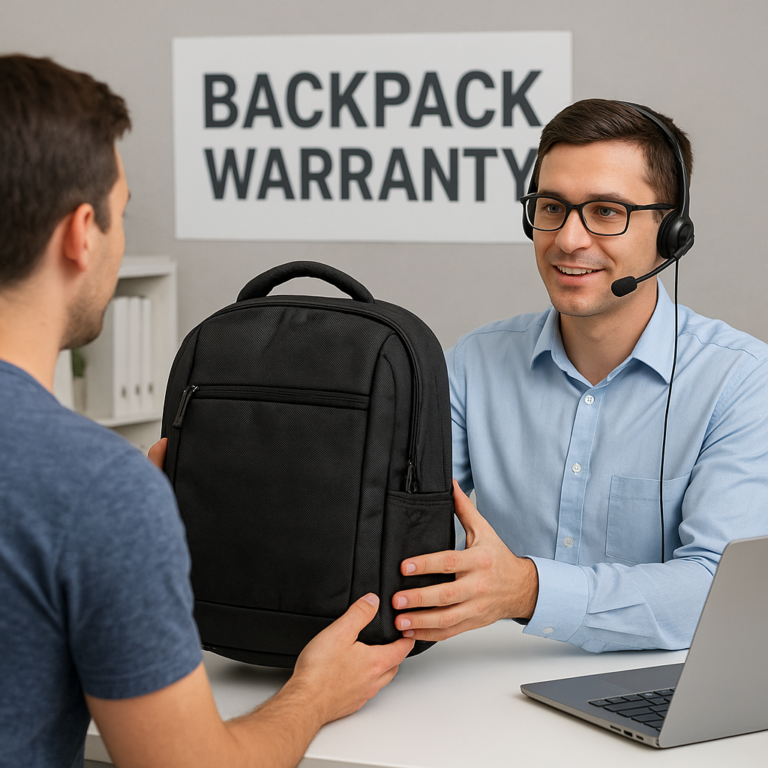
Before discarding a pack, check the brand’s warranty and repair options. Policies differ: some cover workmanship defects, while ordinary wear, accidental damage, or cosmetic changes may not qualify. Ask the brand directly and describe the damage clearly.
Brands such as Osprey and Patagonia publish information about product support or repairs. Always verify the current policy with the manufacturer; coverage can depend on the product, region, and cause of damage.
For more brand comparisons, see our brand spotlights and backpack reviews.
🧍 How Your Body, Fit, and Comfort Affect Backpack Lifespan
A pack’s physical condition is only half the story. Your body, the load, and the activity determine whether it still feels right. A backpack that fits comfortably one year may feel wrong after a growth spurt, injury, or change in what you carry.
Fit changes for adults, children, and growing teens
For children, growth can make a bag too large, too heavy, or awkward before the materials wear out. Backpacks USA notes that children’s replacement timing depends on quality, use, condition, and growth, and suggests checking fit and comfort rather than treating a fixed interval as a rule. (Backpacks USA)
For adult hiking packs, torso length and hip-belt placement matter. The fitting video’s advice is a useful reminder: measure torso length rather than choosing by height alone, and test the pack with weight. A well-fitted hiking pack should sit securely rather than pulling backward or concentrating all the load on your shoulders.
If your usual pack now feels uncomfortable, check the adjustment and load first. If those are correct and discomfort persists, the pack may no longer suit your body or activity.
Red flags: shoulder, back, and neck discomfort
Pay attention to new or worsening:
- Shoulder pressure or numbness
- Neck discomfort from a high or poorly adjusted sternum strap
- Lower-back strain
- A pack that pulls backward or swings side to side
- Hip-belt pressure that feels uneven
- Persistent discomfort with a familiar load
First, adjust the straps and redistribute the load. If discomfort persists, lighten the pack and reassess the fit. Pain is not proof that you need a new backpack, but it is a reason to stop assuming the current setup is working.
🏙️ How Backpack Use Changes Wear and Tear
Different backpacks fail in different ways. A commuter bag may be judged by zipper reliability and laptop protection; an expedition pack has to cope with sustained loads, abrasion, and weather. Our guides to backpack types explain how intended use shapes design.
| Use | Common stress points | Replacement priority |
|---|---|---|
| School | Main zipper, bottom panel, straps, fit | Comfort, secure closures, and growth |
| Comuting and work | Zippers, shoulder straps, laptop compartment, water exposure | Reliable access and protection for contents |
| Travel | Handles, seams, buckles, zipper pulls, abrasion | Secure closures and dependable carry points |
| Hiking and camping | Frame, hip belt, load-bearing seams, weather exposure | Support, fit, and structural integrity |
| Gym and sports | Odor, dampness, zippers, fabric | Cleanability and durable closures |
School and everyday commuter backpacks
Daily-use bags often face frequent loading, crowded storage, and repeated opening and closing. Check the bottom panel, main zipper, and strap stitching. A school bag also needs to fit the student, not just hold the books.
For a commuter pack, think about what happens if it fails: can your laptop get wet, or can a main compartment open unexpectedly? Those risks justify more frequent inspections than the calendar alone might suggest.
Travel backpacks and carry-on luggage
Travel packs get hauled by handles, stuffed under seats, and pushed through busy terminals. Inspect top and side handles, zipper pulls, buckles, and seams before a trip. A loose thread may be harmless on a lightly used daypack, but less funny when your bag is in an overhead bin.
Browse our backpack reviews to compare travel-oriented designs and features.
Hiking and camping backpacks
Hiking and camping packs carry heavier loads and see more exposure to dirt, rain, rocks, and branches. Check the frame, hip belt, load lifters, attachment points, and fabric before any demanding outing. A daypack that works well for a short walk may not provide the support or capacity you need for an overnight trip.
Some retailers offer in-store pack fitting, and fitting becomes especially useful when choosing a framed pack or carrying a heavier load. (Cotswold Outdoor)
Gym, running, and sports backpacks
Damp clothing and sweat can make cleaning and drying more important. Check that compartments air out properly and that fabric dries fully before storage. A sour smell that returns after cleaning may signal trapped moisture or deterioration in padding.
For smaller, lightweight packs, comfort is still worth checking. Straps that twist or slip can turn a short run or workout into a surprisingly irritating experience.
Work, laptop, and equipment backpacks
Bags carrying electronics, cameras, or specialist equipment need dependable structure and closure systems. Check the laptop sleeve, padding, internal dividers, and rain protection—not just the outside fabric.
If a broken zipper or worn-through panel could expose valuable gear, treat that as a functional failure, even if the bag still looks presentable. Explore our brand spotlights for brand-specific information and product support.
🧼 How to Make Your Backpack Last Longer
Good care won’t rescue a failing seam, but it can help prevent avoidable damage. The basic routine is simple: don’t overload it, clean it gently, dry it completely, and store it properly.
Pack and lift it without stressing the seams
- Check the load: Carry only what you need, and don’t force the zipper closed around an overstuffed compartment.
- Distribute weight: Keep heavier items close to your back where the bag’s design allows.
- Use the grab handle: When lifting a loaded backpack, use a handle designed for that purpose rather than yanking a single strap.
- Avoid sharp pressure points: Protect the fabric from exposed corners or tools that can rub or puncture it.
- Check external attachment points: Secure loose straps so they don’t snag or drag.
Overloading puts extra strain on straps, stitching, zippers, and buckles. The pack’s capacity label is useful, but the best check is whether the load closes securely and carries comfortably without stretching or saging.
Clean and dry it the right way
- Empty every pocket, including small hidden compartments.
- Brush off loose dirt before using water.
- Follow the brand’s cleaning instructions.
- Use gentle cleaning rather than harsh scrubbing or solvents.
- Air-dry the pack completely, including pockets and padded areas.
- Store it only when it is fully dry.
Don’t assume a washing machine is safe. Some brands advise against machine washing because it can harm materials, coatings, or components. Check the instructions for your specific pack; Osprey’s care guidance is one example of brand-specific advice.
Store it to prevent damage
- Keep it dry, clean, and out of prolonged direct sunlight.
- Avoid damp basements, hot vehicle trunks, and places where pests may reach it.
- Store it loosely rather than crushing it under heavy items.
- Leave zippers and compartments open enough to air out if the bag is completely dry.
A pack that spends months damp or compressed may deteriorate even when it isn’t being used. The closet, it turns out, can be an unexpectedly tough trail.
Check zippers, stitching, and straps regularly
A quick inspection takes little time:
- Run each zipper along its full track.
- Pull lightly on buckles and strap adjusters.
- Look for loose threads attachment points.
- Feel for thinning fabric at the base and corners.
- Press padding to see if it has flattened or become lumpy.
- Check for odors or moisture after cleaning and storage.
Fixing a small, repairable fault early may prevent a minor annoyance from becoming a failed seam on a busy day.
♻️ What to Do With an Old Backpack
If your backpack no longer suits your needs, it may still have a useful second life. First, be honest about its condition: don’t donate a bag with unsafe strap anchors, broken closures, or mold that can’t be removed.
Donate, recycle, repurpose, or responsibly dispose of it
- Donate a clean, usable bag with reliable zippers, straps, and seams.
- Repair and pass it on if a simple fix restores normal function.
- Repurpose worn fabric for storage, craft materials, or protective covers.
- Ask the manufacturer or local waste service about textile recycling options.
- Dispose of it responsibly if it is structurally unsafe or contaminated.
Recycling options depend on the materials and local programs, so check what your municipality or the brand actually accepts before dropping it into a recycling bin.
✅ Backpack Replacement Checklist
Before replacing your pack—or trusting it for the next trip—work through this checklist:
| Check | Pass ✅ | Warning ❌ |
|---|---|---|
| Straps and anchors | Webing and attachment points are intact | Deep fraying, pulled stitches, or separation |
| Zippers | Tracks close and stay closed under ordinary use | Track separates, jams repeatedly, or opens under load |
| Buckles | Close and hold securely | Cracked, brittle, slipping, or missing |
| Fabric and seams | No serious thinning or structural tears | Holes, peeling coating, seam damage, or water entering |
| Frame and back panel | Pack keeps its intended shape | Bent frame, saging, or misshapen support |
| Padding and fit | Pack feels comfortable with your usual load | Flattened padding, uneven fit, or persistent discomfort |
| Cleanliness | Pack dries fully and has no persistent odor | Mold, dampness, or smell that returns after cleaning |
| Real-world test | Pack carries and closes reliably | Multiple failures or instability |
A single cosmetic flaw usually isn’t a reason to replace a backpack. A structural problem at a strap anchor, frame, or major seam can be. If you’re uncertain, have a repair professional or the manufacturer inspect it—especially before a long hike, travel day, or other high-stakes outing.