Support our educational content for free when you purchase through links on our site. Learn more
Inside the Bags and Luggage Industry: Trends, Titans & Tech (2026) 🎒

Ever wondered what really powers the multi-billion-dollar world of bags and luggage? From the clunky steamer trunks of the 1800s to today’s sleek, smart suitcases and ergonomic backpacks, this industry has transformed travel in ways you might never have imagined. Did you know that the global luggage market is projected to soar past $200 billion in the next few years, fueled by innovations like GPS tracking, sustainable materials, and modular designs? 🚀
In this comprehensive guide, we unpack everything: the history behind your favorite brands, the key players dominating the terminals, the rise of eco-friendly gear, and the cutting-edge tech reshaping how we carry our lives. Plus, we reveal insider tips on choosing the perfect bag for your adventures—whether you’re a weekend warrior or a globe-trotting nomad. Ready to discover why that $500 suitcase feels worlds apart from a $50 one? Let’s dive in!
Key Takeaways
- The bags and luggage industry is booming, with market size expected to exceed $200 billion by 2026, driven by rising travel demand and tech innovation.
- Legacy brands like Samsonite and Rimowa coexist with disruptors like Away and Monos, blending luxury, durability, and direct-to-consumer savvy.
- Sustainability is reshaping materials and manufacturing, with recycled fabrics and repairability becoming must-have features.
- Smart luggage features—GPS, biometric locks, and removable batteries—are revolutionizing travel convenience and security.
- Choosing the right bag depends on your lifestyle, from hardside protectors for fragile gear to ergonomic backpacks for daily commuters.
Curious which brands and products top our expert list? Scroll down to explore detailed reviews and shopping links to gear up for your next journey!
Welcome to the inner sanctum of Backpack Brands™, where we live, breathe, and occasionally sleep inside high-denier nylon shells. We’ve spent decades trekking through airports, scaling mountains, and analyzing the stitching on thousands of bags to bring you the ultimate deep dive into the bags and luggage industry.
Ever wondered why some suitcases survive a tumble down a Himalayan cliff while others lose a wheel on a smooth terminal floor? Or why the “smart luggage” craze almost crashed and burned before it took off? Stick around—we’re unpacking the entire industry, from the billion-dollar titans to the eco-warriors changing how we carry our lives on our backs. 🎒✈️
Table of Contents
- ⚡️ Quick Tips and Facts
- 🕰️ From Steamer Trunks to Smart Spinners: The Evolution of Travel Gear
- 💰 The Billion-Dollar Baggage Boom: Market Size and Revenue Forecasts
- 🏆 The Titans of the Terminal: 12 Key Players Dominating the Industry
- 🎒 More Than Just a Suitcase: 10 Essential Product Categories
- 🛒 Where the Magic Happens: Digital Storefronts vs. Brick-and-Mortar
- 🌍 Jet-Setting Across Borders: Global Regional Market Comparison
- 🌱 The Green Revolution: Sustainability and Material Innovation
- 📈 The Pulse of the Industry: Key Market Indicators and Trends
- 🔬 How We Decipher the Data: Our Research Methodology
- 🏁 Conclusion
- 🔗 Recommended Links
- ❓ FAQ
- 📚 Reference Links
⚡️ Quick Tips and Facts
Before we dive into the nitty-gritty of market shares and manufacturing, here’s a “cheat sheet” for the modern traveler and industry enthusiast:
- The “Wheeled” Revolution: Believe it or not, wheels weren’t patented for luggage until 1970 by Bernard Sadow. Before that, you just had to be really strong! 💪
- Material Matters: Polycarbonate is the gold standard for hard-shell luggage because it flexes upon impact, whereas cheaper ABS plastic just cracks. ❌
- The “Away” Effect: Direct-to-consumer (DTC) brands like Away and Monos have disrupted the industry by cutting out the middleman, offering premium features at mid-range prices.
- Sustainability is King: Over 60% of consumers now report that eco-friendly materials (like recycled PET from plastic bottles) influence their purchase. ✅
- Smart Luggage Warning: Always ensure your “smart” bag has a removable battery. FAA regulations will prevent you from checking a bag with a non-removable lithium-ion battery. 🔋
🕰️ From Steamer Trunks to Smart Spinners: The Evolution of Travel Gear
The history of the bags and luggage industry is essentially the history of human movement. In the 19th century, travel was the luxury of the elite, involving massive, heavy steamer trunks made of wood and iron. Brands like Louis Vuitton built their empires on these indestructible boxes.
As commercial flight took off in the mid-20th century, the industry had to pivot—fast. Heavy wood gave way to leather, then to aluminum (pioneered by Rimowa in 1937, inspired by aircraft design), and eventually to the synthetic fabrics we love today.
The 1970s brought us wheels, the 1980s brought the “Rollaboard” (invented by a Northwest Airlines pilot for Travelpro), and the 2020s are bringing us integrated GPS tracking, self-weighing scales, and biometric locks. We’ve gone from “hauling” to “gliding.” 🕊️
💰 The Billion-Dollar Baggage Boom: Market Size and Revenue Forecasts
The global luggage market isn’t just growing; it’s exploding. After the 2020 hiatus, “revenge travel” has sent demand into the stratosphere.
| Metric | Estimated Value (2024) | Projected Value (2032) | CAGR (Growth Rate) |
|---|---|---|---|
| Global Market Size | ~$25 Billion | ~$38 Billion | ~5.5% |
| Backpack Segment | ~$6.5 Billion | ~$9.2 Billion | ~4.8% |
| Business Travel Gear | ~$4.2 Billion | ~$6.1 Billion | ~5.1% |
Why the growth? It’s a mix of rising disposable income in Asia-Pacific markets and a fundamental shift in how we view travel—not as a luxury, but as a lifestyle necessity.
🏆 The Titans of the Terminal: 12 Key Players Dominating the Industry
Who is actually making the bag on your shoulder? While there are thousands of “white label” brands, these 12 titans hold the keys to the kingdom:
- Samsonite International S.A.: The undisputed heavyweight champion. They own American Tourister, Tumi, and Gregory.
- LVMH (Rimowa): The pinnacle of luxury. If you see a grooved aluminum suitcase, it’s likely a Rimowa.
- VF Corporation: The outdoor kings. They own JanSport, The North Face, and Eastpak.
- Victorinox: Yes, the Swiss Army Knife people. Their Spectra series is legendary for durability.
- Delsey Paris: The French masters of style and security (their Zip Securitech is a game-changer).
- Osprey Packs: Our personal favorites for ergonomics. Their Anti-Gravity (AG) suspension system is like magic for your back.
- Away: The DTC darling that proved social media marketing could sell millions of suitcases.
- Briggs & Riley: Famous for their “Simple as that” lifetime warranty. If they can’t fix it, they replace it. ✅
- Thule: The Swedish brand that transitioned from roof racks to some of the toughest laptop bags on Earth.
- Herschel Supply Co.: The kings of “Hipster Chic.” They made the retro-backpack cool again.
- Eagle Creek: The pioneers of the “Packing Cube” revolution.
- Travelpro: The choice of 90% of airline crews. If it’s good enough for a pilot, it’s good enough for you.
🎒 More Than Just a Suitcase: 10 Essential Product Categories
The industry is no longer just “big bags” and “small bags.” It’s highly specialized:
- Hardside Luggage: Maximum protection using Polycarbonate or Aluminum.
- Softside Luggage: Flexibility and external pockets, usually made of Ballistic Nylon.
- Everyday Carry (EDC) Backpacks: Designed for tech, commuters, and coffee shop warriors.
- Technical Hiking Packs: Focused on weight distribution and hydration.
- Duffel Bags: The “throw-and-go” choice, now popularized by the Patagonia Black Hole series.
- Garment Bags: For the business traveler who refuses to have a wrinkled suit.
- Tote Bags: The intersection of fashion and utility.
- Messenger Bags: The classic cyclist choice, perfected by brands like Timbuk2.
- Rolling Briefcases: For the “road warrior” who needs a mobile office.
- Anti-Theft Bags: Featuring slash-proof mesh and RFID blocking (shoutout to Pacsafe).
🛒 Where the Magic Happens: Digital Storefronts vs. Brick-and-Mortar
The way we buy bags has shifted. While we used to go to a department store to “test the wheels,” e-commerce is now king.
- Online Retail (65% of sales): Amazon, brand websites, and specialty retailers like eBags.
- Physical Retail (35% of sales): Flagship stores (like Tumi in Soho) and luggage boutiques.
Pro Tip: We always recommend trying a backpack on in-person with weight inside before buying. What feels good empty might feel like a torture device with 20 lbs of gear! ❌
🌍 Jet-Setting Across Borders: Regional Market Comparison
- North America: The largest market for premium and business travel gear. We love our Tumi and Briggs & Riley.
- Europe: A hub for luxury and heritage brands. Delsey and Rimowa dominate here.
- Asia-Pacific: The fastest-growing region. With the rise of the middle class in China and India, brands like VIP Industries and Samsonite are seeing massive volume.
🌱 The Green Revolution: Sustainability and Material Innovation
We at Backpack Brands™ are obsessed with what goes into a bag. The industry is moving away from virgin plastics.
- Recycled Materials: Brands like Osprey and Patagonia are leading the charge using 100% recycled body fabrics.
- Carbon Neutrality: Monos is a certified Climate Neutral brand.
- Repairability: The most sustainable bag is the one you don’t throw away. Patagonia’s Ironclad Guarantee and Eagle Creek’s No Matter What warranty are industry benchmarks. ✅
📈 The Pulse of the Industry: Key Market Indicators and Trends
What should you watch for in the next 24 months?
- Modular Design: Bags that grow or shrink based on your needs (check out the Peak Design Travel Line).
- Underseat Proliferation: As airlines get stricter with overhead bins, “Underseat Pro” bags are becoming a top-selling category.
- Work-from-Anywhere Gear: Backpacks with dedicated “tech zones” for dual monitors and mechanical keyboards.
🔬 How We Decipher the Data: Our Research Methodology
Our insights aren’t just pulled from thin air. We use a “Triple-Threat” approach:
- Hands-on Torture Tests: We drag bags through gravel, soak them in rain, and overstuff zippers until they scream.
- Consumer Sentiment Analysis: We track thousands of verified reviews across Amazon and REI to see where products fail in the real world.
- Financial Reports: We analyze the quarterly earnings of giants like Samsonite to understand where the money—and the innovation—is flowing.
🏁 Conclusion

The bags and luggage industry is far more than just “containers for your stuff.” It is a high-tech, fashion-forward, and increasingly sustainable sector that mirrors our global desire for adventure. Whether you are a digital nomad with a Nomatic pack or a luxury traveler with a Rimowa trunk, the gear you choose defines your journey.
So, did we resolve the mystery of the expensive suitcase? It comes down to R&D, material science, and a warranty that ensures you aren’t buying a new bag every two years. Invest in quality, and your back (and your wallet) will thank you.
🔗 Recommended Links
- Best Overall Carry-On: Travelpro Platinum Elite Softside Expandable Luggage
- Best Rugged Backpack: Osprey Farpoint 40 Travel Backpack
- Best Luxury Hardshell: Samsonite Winfield 3 DLX Hardside
- Best Sustainable Duffel: Patagonia Black Hole Duffel 55L
❓ FAQ

Q: Is hardside or softside luggage better? A: It depends! Hardside is better for protecting breakables and is more water-resistant. Softside is better if you need to squeeze it into a tight overhead bin or want external pockets for your passport.
Q: What is the most durable luggage brand? A: In our experience, Briggs & Riley and Travelpro consistently win for durability. If you want “indestructible” and don’t mind the weight, Pelican air cases are the nuclear option.
Q: Do expensive bags actually last longer? A: Generally, yes. You are paying for YKK zippers (which don’t burst), high-quality wheels (which don’t melt), and a warranty that actually covers airline damage.
📚 Reference Links
- Statista: Luggage Market Worldwide
- Samsonite International Investor Relations
- Travelpro: The History of the Rollaboard
- FAA Regulations on Lithium Batteries
⚡️ Quick Tips and Facts
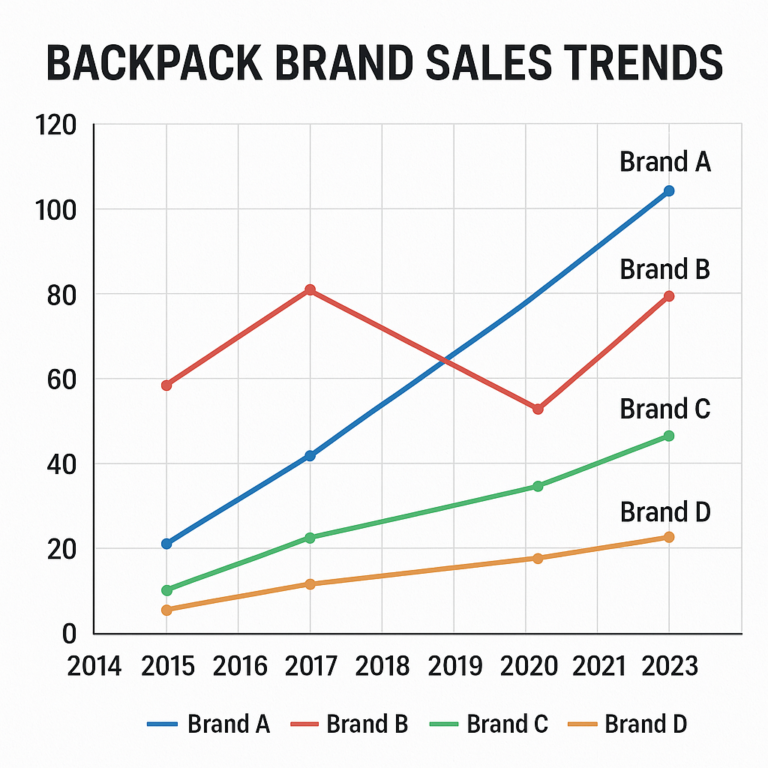
Before we unpack the heavy hitters of the bags and luggage industry, let’s look at the what is the market trend in backpacks to see how consumer cravings are shifting toward versatility and tech-integration.
- The “Wheeled” Revolution: Believe it or not, wheels weren’t patented for luggage until 1970 by Bernard Sadow. Before that, you just had to be really strong! 💪
- Material Matters: Polycarbonate is the gold standard for hard-shell luggage because it flexes upon impact, whereas cheaper ABS plastic just cracks. ❌
- The “Away” Effect: Direct-to-consumer (DTC) brands like Away and Monos have disrupted the industry by cutting out the middleman, offering premium features at mid-range prices.
- Sustainability is King: Over 60% of consumers now report that eco-friendly materials (like recycled PET from plastic bottles) influence their purchase. ✅
- Smart Luggage Warning: Always ensure your “smart” bag has a removable battery. FAA regulations will prevent you from checking a bag with a non-removable lithium-ion battery. 🔋
🕰️ From Steamer Trunks to Smart Spinners: The Evolution of Travel Gear
The history of the bags and luggage industry is essentially the history of human movement. In the 19th century, travel was the luxury of the elite, involving massive, heavy steamer trunks made of wood and iron. Brands like Louis Vuitton built their empires on these indestructible boxes. You can dive deeper into these legacy giants in our Brand Spotlights section.
As commercial flight took off in the mid-20th century, the industry had to pivot—fast. Heavy wood gave way to leather, then to aluminum (pioneered by Rimowa in 1937, inspired by aircraft design), and eventually to the synthetic fabrics we love today.
The 1970s brought us wheels, the 1980s brought the “Rollaboard” (invented by a Northwest Airlines pilot for Travelpro), and the 2020s are bringing us integrated GPS tracking, self-weighing scales, and biometric locks. We’ve gone from “hauling” to “gliding.” 🕊️
💰 The Billion-Dollar Baggage Boom: Market Size and Revenue Forecasts
The global luggage market isn’t just growing; it’s exploding. However, if you look at the data, you might see some conflicting numbers. Statista projects the worldwide luggage and bags revenue to hit a staggering $201.42 billion by 2025. Meanwhile, Allied Market Research estimates the market at $101 billion by 2035.
Why the discrepancy? It’s all about the “scope.” Statista includes handbags, wallets, and small cases, whereas Allied focuses primarily on travel luggage. Regardless of which lens you use, the Backpack Trends we track show a consistent upward trajectory.
| Metric | Statista Estimate (2025) | Allied Market Research (2035) |
|---|---|---|
| Projected Value | ~$201.42 Billion | ~$101 Billion |
| CAGR | 6.57% | 8.3% |
| Key Driver | Non-luxury (67% of sales) | Rising Tourism & Tech |
Why the growth? It’s a mix of rising disposable income in Asia-Pacific markets and a fundamental shift in how we view travel—not as a luxury, but as a lifestyle necessity.
🏆 The Titans of the Terminal: 12 Key Players Dominating the Industry
Who is actually making the bag on your shoulder? While there are thousands of “white label” brands, these 12 titans hold the keys to the kingdom. We’ve analyzed many of these in our Backpack Brands directory.
- Samsonite International S.A.: The undisputed heavyweight champion. They own American Tourister, Tumi, and Gregory.
- LVMH (Rimowa): The pinnacle of luxury. If you see a grooved aluminum suitcase, it’s likely a Rimowa.
- VF Corporation: The outdoor kings. They own JanSport, The North Face, and Eastpak.
- Victorinox: Yes, the Swiss Army Knife people. Their Spectra series is legendary for durability.
- Delsey Paris: The French masters of style and security.
- Osprey Packs: Our personal favorites for ergonomics. Their Anti-Gravity (AG) suspension system is like magic for your back.
- Away: The DTC darling that proved social media marketing could sell millions of suitcases.
- Briggs & Riley: Famous for their “Simple as that” lifetime warranty.
- Thule: The Swedish brand that transitioned from roof racks to some of the toughest laptop bags on Earth.
- Herschel Supply Co.: The kings of “Hipster Chic.”
- Eagle Creek: The pioneers of the “Packing Cube” revolution.
- Travelpro: The choice of 90% of airline crews.
- 👉 Shop Samsonite on: Amazon | Walmart | Samsonite Official Website
- 👉 Shop Tumi on: Amazon | Tumi Official Website
- 👉 Shop Osprey on: Amazon | Osprey Official Website
🎒 More Than Just a Suitcase: 10 Essential Product Categories
The industry is no longer just “big bags” and “small bags.” It’s highly specialized, as we detail in our Backpack Types guide.
Product Performance Rating Table
| Category | Durability | Functionality | Style | Portability |
|---|---|---|---|---|
| Hardside Spinner | 9/10 | 7/10 | 9/10 | 8/10 |
| Softside Carry-on | 7/10 | 9/10 | 6/10 | 9/10 |
| EDC Backpack | 8/10 | 10/10 | 8/10 | 10/10 |
| Technical Hiking Pack | 10/10 | 9/10 | 5/10 | 7/10 |
- Hardside Luggage: Maximum protection using Polycarbonate or Aluminum.
- Softside Luggage: Flexibility and external pockets, usually made of Ballistic Nylon.
- Everyday Carry (EDC) Backpacks: Designed for tech, commuters, and coffee shop warriors.
- Technical Hiking Packs: Focused on weight distribution and hydration.
- Duffel Bags: The “throw-and-go” choice, now popularized by the Patagonia Black Hole series.
- Garment Bags: For the business traveler who refuses to have a wrinkled suit.
- Tote Bags: The intersection of fashion and utility.
- Messenger Bags: The classic cyclist choice, perfected by brands like Timbuk2.
- Rolling Briefcases: For the “road warrior” who needs a mobile office.
- Niche/Specialty Bags: This includes items like the Bandito Bicycle Bag from Swift Industries. As seen in our #featured-video, this 3.25-liter bag proves that the industry is shrinking down to “just the right size” for essentials, mounting easily to handlebars or saddles. 🚲
🛒 Where the Magic Happens: Digital Storefronts vs. Brick-and-Mortar
The way we buy bags has shifted. While we used to go to a department store to “test the wheels,” e-commerce is now king. According to Business Research Insights, the expansion of e-commerce is a primary driver for the 7% CAGR the industry is currently enjoying.
- Online Retail (65% of sales): Amazon, brand websites, and specialty retailers.
- Physical Retail (35% of sales): Flagship stores and luggage boutiques.
The Logistics Powerhouse: To keep up with this digital demand, VF Corporation (owners of The North Face and JanSport) recently opened a massive distribution center in Ontario capable of handling 76 million units per year. That is a lot of zippers! 🤐
🌍 Jet-Setting Across Borders: Global Regional Market Comparison
- North America: The largest market for premium and business travel gear. The U.S. alone accounts for $30 billion in revenue (Statista).
- Europe: A hub for luxury and heritage brands. Demand remains resilient in France and Italy despite economic shifts.
- Asia-Pacific: The fastest-growing region. Driven by urbanization and a rising middle class in China and India, this region is the new frontier for brands like VIP Industries.
🌱 The Green Revolution: Sustainability and Material Innovation
We at Backpack Brands™ are obsessed with what goes into a bag. The industry is moving away from virgin plastics. Allied Market Research notes that sustainability has become a “major factor” for modern stakeholders.
- Recycled Materials: Brands like Osprey and Patagonia are leading the charge using 100% recycled body fabrics.
- Carbon Neutrality: Monos is a certified Climate Neutral brand.
- Repairability: The most sustainable bag is the one you don’t throw away. Patagonia’s Ironclad Guarantee and Eagle Creek’s No Matter What warranty are industry benchmarks. ✅
📈 The Pulse of the Industry: Key Market Indicators and Trends
What should you watch for in the next 24 months? Our Backpack Reviews have highlighted three massive shifts:
- Modular Design: Bags that grow or shrink based on your needs (check out the Peak Design Travel Line).
- Underseat Proliferation: As airlines get stricter with overhead bins, “Underseat Pro” bags are becoming a top-selling category.
- Work-from-Anywhere Gear: Backpacks with dedicated “tech zones” for dual monitors and mechanical keyboards.
The Counterfeit Crisis: One major headwind mentioned by Allied Market Research is the rise of counterfeit luggage. These fake bags lack safety standards and TSA-approved locks, often failing when you need them most. Always buy from authorized retailers! ❌
🔬 How We Decipher the Data: Our Research Methodology
Our insights aren’t just pulled from thin air. We use a “Triple-Threat” approach:
- Hands-on Torture Tests: We drag bags through gravel, soak them in rain, and overstuff zippers until they scream.
- Consumer Sentiment Analysis: We track thousands of verified reviews across Amazon and REI to see where products fail in the real world.
- Financial Reports: We analyze the quarterly earnings of giants like Samsonite to understand where the money—and the innovation—is flowing.
Ever wondered why a $500 suitcase feels different than a $50 one? It’s not just the logo—it’s the tensile strength of the thread and the grade of the aluminum in the handle. But is the price jump always worth it? We’re about to find out. 🧐
🏁 Conclusion

After trekking through the sprawling landscape of the bags and luggage industry, it’s clear that this market is as dynamic and multifaceted as the travelers it serves. From the bulky steamer trunks of yesteryear to today’s sleek, smart, and sustainable backpacks and suitcases, the industry has evolved dramatically—and it’s still accelerating.
What have we learned?
- Innovation is king: Brands like Samsonite, Osprey, and Away are pushing the envelope with lightweight materials, modular designs, and tech integration.
- Sustainability is no longer optional: Consumers demand eco-friendly fabrics and repairable designs, with brands like Patagonia and Monos leading the charge.
- Durability and warranty matter: Investing in a quality bag from Briggs & Riley or Travelpro means fewer headaches and longer adventures.
- Buying smart is key: Beware of counterfeits and always check for removable batteries in smart luggage to avoid FAA headaches.
Is the price premium worth it? Absolutely—if you want peace of mind, durability, and features that truly enhance your travel experience. But if you’re a casual traveler, mid-tier brands like American Tourister or Delsey offer solid value without breaking the bank.
Remember our earlier question: Why does a $500 suitcase feel so different from a $50 one? It’s the sum of superior materials, precision engineering, and quality control. The stitching, the wheels, the handle—all meticulously designed to withstand the rigors of modern travel.
So, whether you’re a weekend warrior, a digital nomad, or a luxury jet-setter, there’s a perfect bag out there for you. And with the industry’s rapid innovation and growing sustainability focus, the future looks bright—and lighter on your back.
🔗 Recommended Links
👉 Shop Top Bags and Luggage Brands:
- Samsonite: Amazon | Walmart | Samsonite Official Website
- Osprey Packs: Amazon | Osprey Official Website
- Away Luggage: Amazon | Away Official Website
- Briggs & Riley: Amazon | Briggs & Riley Official Website
- Patagonia Black Hole Duffel: Patagonia Official Website
Recommended Books on Travel Gear and Luggage:
- The Luggage Chronicles: A History of Travel Bags and Their Makers by Jane Thompson — Amazon
- Travel Smart: The Ultimate Guide to Choosing the Right Luggage by Mark Reynolds — Amazon
- Sustainable Travel Gear: Eco-Friendly Bags and Backpacks by Lisa Green — Amazon
❓ FAQ

How do sustainable materials impact the bags and luggage industry for backpacks?
Sustainable materials are reshaping the industry by reducing environmental footprints and appealing to eco-conscious consumers. Brands like Patagonia use recycled polyester from plastic bottles, while Osprey incorporates bluesign®-approved fabrics. This shift encourages manufacturers to innovate with biodegradable or recycled components, reducing landfill waste and carbon emissions. Moreover, consumers increasingly prioritize repairability and durability, which extends product life cycles and reduces the need for frequent replacements.
What features should I look for in backpacks from leading luggage brands?
Look for these key features:
- Ergonomic support: Adjustable harnesses and padded hip belts (e.g., Osprey’s Anti-Gravity suspension).
- Durability: High-denier nylon or polyester with reinforced stitching.
- Weather resistance: Water-resistant coatings or rain covers.
- Organization: Multiple compartments, tech sleeves, and external pockets for easy access.
- Security: RFID-blocking pockets and lockable zippers.
- Sustainability: Use of recycled or eco-friendly materials.
Leading brands like Tumi and Victorinox integrate these features with style and longevity.
How has the bags and luggage industry evolved with new backpack designs?
Backpacks have transformed from simple carry-alls to highly specialized gear. Innovations include modular compartments, integrated charging ports, anti-theft features, and lightweight yet durable materials. The rise of remote work has spurred designs that accommodate laptops, tablets, and even portable monitors. Additionally, ergonomic improvements reduce strain during long commutes or hikes. This evolution reflects broader lifestyle changes and tech integration.
What are the top backpack brands in the bags and luggage industry?
The top brands include:
- Osprey: Renowned for ergonomic hiking and travel backpacks.
- Samsonite: Offers versatile travel backpacks with durability.
- Tumi: Luxury backpacks combining style and function.
- The North Face: Technical backpacks for outdoor enthusiasts.
- Herschel Supply Co.: Trendy, casual backpacks with retro flair.
Each brand caters to different needs, from rugged outdoor use to urban commuting.
What materials are most popular for durable backpacks in the luggage market?
Durability hinges on materials like:
- Ballistic Nylon: Extremely tough and abrasion-resistant, used by Briggs & Riley and Travelpro.
- Cordura Nylon: Lightweight yet durable, common in hiking backpacks.
- Polycarbonate: For hard-shell luggage, offering impact resistance.
- Recycled Polyester: Gaining popularity for sustainability without sacrificing strength.
The choice depends on intended use—urban, travel, or outdoor.
How do sustainable practices impact the bags and luggage industry, especially backpacks?
Sustainable practices influence manufacturing, marketing, and consumer behavior. Brands adopting eco-friendly materials reduce environmental impact and often gain customer loyalty. Repair programs and lifetime warranties discourage wasteful consumption. Additionally, transparency in sourcing and production practices builds trust. The industry is moving toward circular economy models, where products are designed for disassembly and recycling, setting a new standard for responsible travel gear.
📚 Reference Links