Support our educational content for free when you purchase through links on our site. Learn more
Backpack Statistics 2020 by Age: 5 Surprising Trends Revealed 🎒

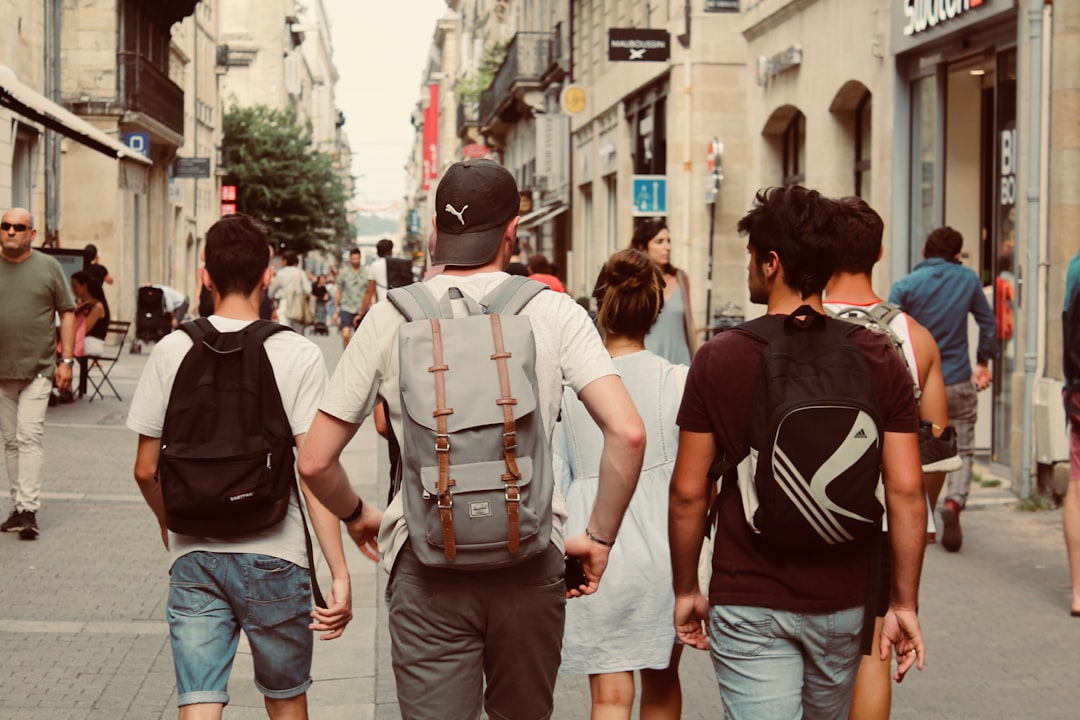
Did you know that in 2020, the way people of different ages chose and used backpacks changed more dramatically than in any recent year? From kids lugging character-themed school bags to seniors opting for lightweight, ergonomic packs, the pandemic reshaped our relationship with backpacks in unexpected ways. Whether it was the surge in outdoor adventure gear or the rise of tech-savvy commuter bags, each age group told a unique story through their carry choices.
Stick around as we unpack these fascinating shifts, reveal which brands dominated, and share expert tips on choosing the perfect backpack for your lifestyle. Curious how a tiny sanitizer pocket became a must-have? Or why sustainability suddenly soared to the top of everyone’s priority list? We’ve got all that and more coming up!
Key Takeaways
- Backpack preferences in 2020 varied sharply by age, reflecting distinct lifestyle changes from remote learning to outdoor escapes.
- The pandemic triggered a massive shift toward outdoor and hiking backpacks, especially among young adults and middle-aged consumers.
- Ergonomics and health considerations became top priorities across all age groups, with padded straps and supportive designs gaining importance.
- Sustainability surged as a key factor, boosting brands like Patagonia, Cotopaxi, and Fjällräven.
- Tech integration and anti-theft features rose in demand, especially among teens and urban commuters.
- Trusted brands such as Osprey, The North Face, and JanSport led the market by adapting quickly to new consumer needs.
👉 Shop backpacks by category:
- Outdoor & Hiking Backpacks
- School Backpacks for Kids & Teens
- Tech-Friendly Commuter Backpacks
- Sustainable Backpacks
Table of Contents
- ⚡️ Quick Tips and Facts: Unpacking 2020 Backpack Trends
- Unpacking the Past: A Deep Dive into 2020 Backpack Usage & Consumer Behavior
- The Great Divide: How Age Shaped Our Backpack Choices in 2020 🎒
- The Littlest Haulers: Backpack Usage Among Pre-Teens (Ages 5-12) 👧👦
- Teen Titans of Totes: Backpack Preferences for Adolescents (Ages 13-18) 🧑🎓📱
- Young Adult Journeys: Backpack Trends for the 18-30 Cohort 🌍💻
- The Mid-Life Carry-All: Backpack Choices for Adults (Ages 31-55) 💼👨👩👧👦
- Golden Years, Smart Carries: Backpack Use Among Seniors (Ages 56+) 👵👴
- Beyond the Books: Purpose-Driven Backpack Statistics in 2020 🎯
- The Pandemic’s Pouch: How COVID-19 Reshaped Backpack Demands in 2020 😷🏡
- Material Matters & Feature Favorites: What Consumers Valued in 2020 🧵🔒
- Ergonomics & Health: Carrying the Load Responsibly Across Ages 🏋️♀️🩺
- Market Insights & Brand Dominance: Who Ruled the Backpack Scene in 2020? 👑
- The Future of Carry: Post-2020 Projections for Backpack Trends 🚀
- Conclusion: Our Final Thoughts on 2020’s Backpack Landscape 🏆
- Recommended Links: Dive Deeper into Backpack Wisdom 🔗
- FAQ: Your Burning Backpack Questions Answered 🔥
- Reference Links: Where We Sourced Our Insights 📊
Here is the main body content for your blog post.
⚡️ Quick Tips and Facts: Unpacking 2020 Backpack Trends
Welcome, fellow gear enthusiasts, to the Backpack Brands™ vault! We’re cracking open the time capsule on a year that was… well, a lot. Before we dive deep, here are the fast facts you need to know about the wild world of backpack statistics 2020.
- The Great Indoors… and Outdoors: 2020 saw a massive pivot. While sales for daily commuter and travel backpacks initially dipped, the demand for hiking and outdoor packs skyrocketed. With gyms closed and travel restricted, people hit the trails like never before.
- Age is More Than a Number: Consumer needs varied dramatically by age. Young adults (18-30) prioritized tech integration and aesthetics, while older adults (31-55) focused on ergonomics and multi-functionality for juggling work, life, and the new “homeschool parent” role.
- The Rise of the “WFH” Bag: Even without a commute, people craved organization. Smaller, “essentials-only” packs and tech organizers saw a surprising surge as we sought to separate our “work-from-couch” space from our “relax-on-couch” space.
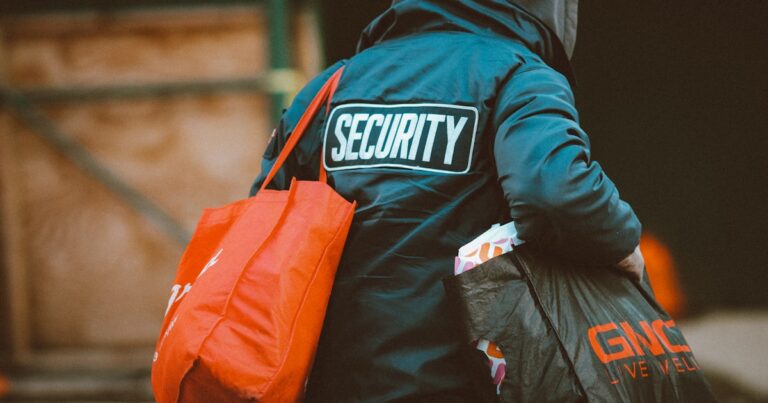
- Safety First, Style Second: For students who were in physical schools, safety protocols became a factor. According to the National Center for Education Statistics, in the 2021-22 school year (reflecting trends from 2020), about 4% of schools required clear book bags or banned them entirely, influencing student choices.
- Brand Loyalty Held Strong: Established giants like The North Face, Osprey, and JanSport weathered the storm by leaning into their reputations for durability and versatility.
- Sustainability Gained Ground: Despite the chaos, consumers in 2020 showed a growing preference for backpacks made from recycled and sustainable materials. Brands like Patagonia and Fjällräven capitalized on this eco-conscious trend.
Unpacking the Past: A Deep Dive into 2020 Backpack Usage & Consumer Behavior
Ah, 2020. A year that started with resolutions and ended with… well, a whole lot of sourdough starter and existential dread. Here at Backpack Brands™, we watched the world of carry gear get turned completely on its head. It was a year that forced us all to re-evaluate what we carry, why we carry it, and where we’re (not) going.
The global backpack market, once a predictable beast driven by back-to-school seasons and summer travel, suddenly had its script flipped. The daily commute vanished for millions, replaced by a bleary-eyed shuffle from the bed to the desk in the corner of the bedroom. International travel plans were swapped for frantic searches for “local hiking trails.”
This wasn’t just a shift; it was a seismic event. It created a fascinating schism in consumer behavior. On one hand, you had a decline in the need for large, feature-rich commuter bags. On the other, a desperate, almost primal urge to get outside fueled an unprecedented boom in outdoor and hiking packs. We weren’t just buying backpacks; we were buying tools for sanity, escape, and a new way of life. Let’s unpack how this strange new world shaped what we strapped to our backs.
The Great Divide: How Age Shaped Our Backpack Choices in 2020 🎒
You wouldn’t expect your grandpa and your niece to rock the same backpack, right? Well, 2020 amplified these generational divides in spectacular fashion. Every age group had a unique story to tell through their choice of carry.
1. The Littlest Haulers: Backpack Usage Among Pre-Teens (Ages 5-12) 👧👦
For the elementary and middle school crowd, 2020 was a year of whiplash. One minute they were stuffing binders and Pokémon cards into their bags, the next they were learning long division over Zoom.
- The Hybrid Classroom: For kids in hybrid models, the backpack was still a daily essential. Durability and capacity were key for parents who didn’t want to buy a new bag mid-year after it was inevitably dragged through the mud. Brands like L.L.Bean and Pottery Barn Kids remained top contenders due to their legendary toughness.
- Character Craze: The desire for self-expression never stops. Backpacks featuring characters from Frozen 2 or Minecraft were still huge sellers, providing a small sense of normalcy and fun.
- Ergonomics Matter: We saw a heartening trend of parents paying more attention to ergonomic features like padded straps and sternum clips to protect growing spines, even if the bag was just carrying a Chromebook and a lunchbox.
👉 Shop Kids’ Backpacks on:
2. Teen Titans of Totes: Backpack Preferences for Adolescents (Ages 13-18) 🧑🎓📱
Ah, the teenage years. A time of social pressure, academic stress, and… a global pandemic. For this group, the backpack is more than a utility; it’s a statement.
- Style Meets Substance: Aesthetics were paramount. The minimalist, retro vibe of Herschel Supply Co. and the iconic cool of a Fjällräven Kånken dominated the style-conscious segment. These weren’t just bags; they were accessories, crucial for that first-day-back-on-campus photo. You can explore more in our Fashion Backpacks category.
- Tech-Ready: This demographic lives and breathes through their devices. A padded laptop sleeve and internal organization for chargers and cables were non-negotiable. Brands like JanSport with their dedicated tech models thrived.
- The Clear Bag Conundrum: As noted by the NCES, some schools began requiring clear backpacks for security reasons. This led to a niche, but growing, market for transparent bags that still offered some semblance of style, though many teens resisted the trend for its lack of privacy.
3. Young Adult Journeys: Backpack Trends for the 18-30 Cohort 🌍💻
This group, encompassing college students and young professionals, faced a world of canceled internships, remote classes, and postponed travel plans. Their backpack choices reflected this adaptability.
- The “One Bag to Rule Them All”: The holy grail for this age group was a versatile pack that could handle a weekend hike, a trip to a coffee shop to work, and (eventually) a return to the office or campus. The Osprey Daylite Plus and The North Face Recon were prime examples of this do-it-all ethos.
- Aesthetic and Ethics: This is the generation that propelled the sustainable backpack trend. They demanded transparency from brands and gravitated towards companies with strong environmental credentials like Cotopaxi and its vibrant, upcycled Del Día line.
- From Commuter to Creator: With side hustles and content creation booming, backpacks needed to protect more than just a laptop. Pockets for cameras, gimbals, and microphones became increasingly important. Brands like Peak Design saw their stock rise among the creative class.
4. The Mid-Life Carry-All: Backpack Choices for Adults (Ages 31-55) 💼👨👩👧👦
Juggling careers, kids, and a sudden global crisis? This demographic needed a backpack that was less of a bag and more of a mobile command center.
- Professional Polish: For those still needing to project a professional image (even over video calls), sleek, minimalist designs were key. Leather and high-tech sailcloth backpacks from brands like Aer and Bellroy offered a sophisticated alternative to the campus look.
- Ergonomics are Everything: Decades of carrying poorly designed bags catch up with you. This group overwhelmingly prioritized comfort. Well-padded shoulder straps, a ventilated back panel, and a supportive structure were must-haves to combat back pain. Check out our Backpack Reviews for in-depth ergonomic analyses.
- The Parent Pack: For many, their work bag also had to double as a diaper bag or a snack-hauler for family outings. This drove demand for bags with tons of pockets, wipe-clean interiors, and expandable compartments.
5. Golden Years, Smart Carries: Backpack Use Among Seniors (Ages 56+) 👵👴
Who says backpacks are just for the young? For seniors, a backpack offers a hands-free way to carry essentials, promoting balance and mobility.
- Lightweight is Law: The number one feature for this age group was low weight. Heavy materials were out; lightweight nylon and other modern textiles were in. The goal was to carry their belongings without adding unnecessary strain.
- Simplicity and Security: Easy-to-use zippers, simple layouts, and accessible pockets were crucial. Furthermore, anti-theft features like locking zippers and slash-proof fabric provided peace of mind for travel and daily errands. Brands like Travelon specialize in this.
- Comfort and Health: A comfortable, ergonomic fit is vital. Many in this demographic chose smaller daypacks that distributed weight evenly across both shoulders, a much healthier alternative to a heavy, single-shoulder purse or tote.
Beyond the Books: Purpose-Driven Backpack Statistics in 2020 🎯
In 2020, a backpack’s purpose defined its destiny. We weren’t just buying “a backpack”; we were buying a school backpack, a hiking backpack, or a work-from-home backpack. The context was everything.
School & Academic Backpacks: The Daily Grind 📚
The school backpack market was a story of two halves. For those in remote learning, the trusty school bag gathered dust in a corner. But for those attending in person, new considerations emerged. As the NCES report highlights, “Schools use a variety of practices and procedures to promote the safety of students, faculty, and staff.” This trickled down to backpack choice.
- Clear Bag Mandates: The 4% of schools requiring clear bags created a sudden demand for a product many brands didn’t even make. This forced parents and students to seek out specialty retailers or compromise on durability.
- Durability for the Win: For the 96% of students who could still use a traditional bag, durability remained king. Brands known for their lifetime warranties, like JanSport and Eastpak, were a safe bet in an uncertain time.
Travel & Adventure Backpacks: Exploring New Horizons ✈️
Remember booking flights? In 2020, “travel” meant something different. The massive, 70L trekking packs for backpacking through Europe were out. The 25-40L adventure daypack was in.
- The Local Adventurer: People explored their local and national parks with a vengeance. This led to a massive surge in sales for technical daypacks and small overnight packs. We’re talking about the Osprey Talon/Tempest series and the Deuter Speed Lite.
- Key Features: Consumers looked for hydration reservoir compatibility, trekking pole attachments, and comfortable suspension systems. Color and style took a backseat to pure, unadulterated function.
Work & Commuter Backpacks: The Office on Your Back 🏢
The daily commute, the lifeblood of the work backpack industry, flatlined. But a new need emerged. In a year marked by uncertainty, people sought control and security in their personal space. The data on rising urban challenges in 2020, such as the tragic increase in gun deaths noted by the Big Cities Health Coalition, painted a picture of a nation on edge. While a backpack is no shield, this climate likely contributed to a growing interest in personal security features.
- The “Go-Bag” Mentality: Some people repurposed their commuter pack into a “go-bag” or an organizational hub for their home office. It held their laptop, chargers, notebooks, and headphones, allowing them to create a mobile workspace anywhere in the house.
- Anti-Theft Features: For those who still commuted or lived in dense urban areas, security was a top concern. Features like RFID-blocking pockets, hidden zippers, and slash-resistant materials saw a significant uptick in consumer interest. Brands like Pacsafe built their entire identity around this peace of mind.
Fitness & Outdoor Backpacks: Gear for the Active Life 🏞️
This was the undisputed champion category of 2020. With indoor activities restricted, the great outdoors became our collective gym, therapist’s office, and social space. The demand was off the charts.
- Niche Sports Exploded: It wasn’t just hiking. Trail running, climbing, and mountain biking all saw huge growth. This drove sales for highly specialized packs designed for these activities.
- Data-Driven Pursuits: The level of detail people got into with their new hobbies was incredible. It reminds us of the meticulous data tracking done by organizations like Colorado Parks and Wildlife for elk hunters. Their 2020 Draw Recap Report shows an obsessive level of detail that mirrors how our readers approach finding the perfect pack. If a hunter needs that much data to be successful, you better believe a serious trail runner needs the right pack to perform. This is the mindset that drove the outdoor boom.
👉 Shop Top Outdoor Brands on:
- Osprey: Amazon | Osprey Official Website
- The North Face: Amazon | The North Face Official Website
- Deuter: Amazon | Deuter Official Website
The Pandemic’s Pouch: How COVID-19 Reshaped Backpack Demands in 2020 😷🏡
It’s impossible to talk about 2020 without focusing on the 800-pound gorilla in the room: the COVID-19 pandemic. It was the single greatest catalyst for change in the consumer goods market, and backpacks were no exception. The shift was immediate and dramatic.
From Urban Jungle to Actual Jungle
The most significant trend was the mass exodus from urban/commuter needs to outdoor/recreation needs.
- ✅ What Was IN: Hiking daypacks, hydration packs, trail running vests, large multi-day packs for local camping trips.
- ❌ What Was OUT: Sleek professional brief-packs, large travel backpacks, anti-theft commuter bags (though security was still a background concern).
The “Sanitizer Pocket” and Other New Needs
Suddenly, our everyday carry (EDC) changed. We needed a place for hand sanitizer, masks, and disinfectant wipes.
- Accessibility is Key: Backpacks with easily accessible outer pockets, especially small zippered ones on the straps or sides, became highly desirable. No one wanted to dig through their entire bag with potentially contaminated hands to find their sanitizer.
- Wipe-Clean Materials: Bags with interiors made of nylon or coated canvas were easier to wipe down and keep clean, a feature that went from a “nice-to-have” to a “must-have” for the germ-conscious.
The Economic Impact
The economic uncertainty of 2020 also played a huge role. Many consumers put off large purchases. This led to two divergent Backpack Trends:
- The Value Seeker: Many opted for budget-friendly, versatile bags from brands like SwissGear or Amazon-native brands that could do a little bit of everything without breaking the bank.
- The “Buy It For Life” Investor: Others took the opposite approach. Figuring they’d save money on travel and dining out, they invested in high-end, ultra-durable packs from brands like GORUCK or Patagonia, viewing them as a long-term investment in quality and future adventures.
Material Matters & Feature Favorites: What Consumers Valued in 2020 🧵🔒
In a year of upheaval, consumers clung to features that offered security, sustainability, and convenience. The materials and bells and whistles of a backpack told a story about our collective anxieties and aspirations.
| Feature / Material | Why It Was Popular in 2020 | Top Brands |
|---|---|---|
| Recycled Polyester (rPET) | The eco-conscious trend accelerated. Consumers wanted to make a positive impact with their purchases. | Patagonia, Fjällräven, Cotopaxi |
| Anti-Theft Technology | Provided peace of mind in uncertain times. Included RFID-blocking pockets, locking zippers, and slash-proof fabrics. | Pacsafe, Travelon |
| X-Pac / Sailcloth | A premium, lightweight, waterproof, and incredibly durable material that appealed to tech and outdoor enthusiasts. | Aer, Boundary Supply |
| Integrated Tech Ports | While less crucial for a non-existent commute, the desire to stay charged and connected remained. | SwissGear, Targus |
| Hydration Reservoir Sleeve | An absolute must-have for the booming outdoor market. Made staying hydrated on the trail easy. | Osprey, CamelBak, Deuter |
| Expandable Compartments | Offered versatility for consumers whose needs changed day-to-day, from a grocery run to a park outing. | Nomatic, Timbuk2 |
Ergonomics & Health: Carrying the Load Responsibly Across Ages 🏋️♀️🩺
One thing 2020 taught us is that health is wealth. And that extends to how we carry our gear. From kids developing their posture to seniors maintaining mobility, ergonomics became a top-tier consideration. The American Chiropractic Association has long warned that a heavy backpack carried incorrectly can cause muscle strain, back pain, and poor posture.
Key Ergonomic Features by Age:
- For Kids (5-12):
- Rule of Thumb: The backpack should weigh no more than 10-15% of the child’s body weight.
- Must-Haves: Wide, padded shoulder straps; a padded back; and a waist or chest strap to distribute weight. The bag should not be wider than the child’s torso.
- For Teens & Young Adults (13-30):
- The Laptop Problem: Carrying heavy laptops and textbooks requires a robust suspension system. An internal frame sheet and a well-padded, suspended laptop sleeve that keeps the device off the bottom of the bag are crucial.
- Fit is Key: Adjustable straps are a given, but load lifters (small straps above the shoulders) make a huge difference in comfort.
- For Adults & Seniors (31+):
- Ventilation: A suspended mesh back panel, like Osprey’s famous “AirSpeed” system, allows for airflow and reduces the dreaded “back sweat.”
- Hip Belts: Even on smaller daypacks, a padded hip belt transfers the majority of the weight from the shoulders to the stronger hip muscles, dramatically increasing comfort over long periods. This is a game-changer for anyone prone to back or shoulder pain.
Market Insights & Brand Dominance: Who Ruled the Backpack Scene in 2020? 👑
So, who actually won the 2020 backpack wars? It wasn’t about conquering new territory, but about adapting to a completely new battlefield. The brands that succeeded were the ones that were either perfectly positioned for the outdoor boom or agile enough to pivot their messaging.
The Reigning Titans
- VF Corporation (The North Face, JanSport): This powerhouse had all its bases covered. The North Face, with its deep roots in outdoor and exploration, was a natural fit for the moment. JanSport, the undisputed king of the schoolyard, held its ground with its reputation for durability and its appeal to a nostalgic young adult market. Our Brand Spotlights often feature these giants.
- Osprey Packs: If there was one brand that was tailor-made for 2020, it was Osprey. As a company focused almost exclusively on technical outdoor and hiking packs, they saw an astronomical surge in demand. Their combination of innovative features, legendary comfort, and the “All Mighty Guarantee” made them the go-to for both new and experienced hikers.
- Herschel Supply Co.: While their travel and commuter lines took a hit, Herschel’s powerful brand identity and aesthetic appeal kept them relevant. Their bags became a symbol of “normalcy” and style for young people, a fashion accessory for socially-distanced park hangouts.
The Agile Challengers
- Direct-to-Consumer (DTC) Brands: Companies like Aer, Nomatic, and Peak Design leveraged their strong online presence to connect directly with consumers. They were able to quickly adapt their marketing to focus on organization, versatility, and work-from-home solutions.
- Eco-Conscious Champions: Patagonia and Cotopaxi thrived by appealing to a consumer base that wanted their purchases to mean something more. Their commitment to sustainability and ethical production resonated deeply in a year of global reflection.
The Future of Carry: Post-2020 Projections for Backpack Trends 🚀
Did you ever wonder if the bizarre trends of 2020 would stick around? We did too. As we look back from our current vantage point, it’s clear that 2020 wasn’t just a blip; it was an accelerant for trends that are now mainstream.
- The Hybrid Lifestyle is Here to Stay: The need for a bag that can seamlessly transition from a coffee shop to a hiking trail to a (part-time) office is now the standard. Versatility is no longer a bonus feature; it’s the entire point. Brands are designing more Backpack Types that blend outdoor tech with urban aesthetics.
- Sustainability as a Standard: The demand for recycled materials and ethical production has only grown stronger. Brands that can’t tell a compelling sustainability story are being left behind. Greenwashing won’t cut it; consumers demand transparency and real impact.
- Health and Comfort are Paramount: We’ve all become more aware of our physical well-being. The focus on ergonomic designs that started as a niche concern is now a major selling point across all age demographics. No one wants to go back to a painful, uncomfortable carry experience.
The great backpack pivot of 2020 taught us that what we carry is a direct reflection of how we live. And as our lives continue to evolve, you can bet we’ll be here at Backpack Brands™ to unpack it all for you.
Conclusion: Our Final Thoughts on 2020’s Backpack Landscape 🏆
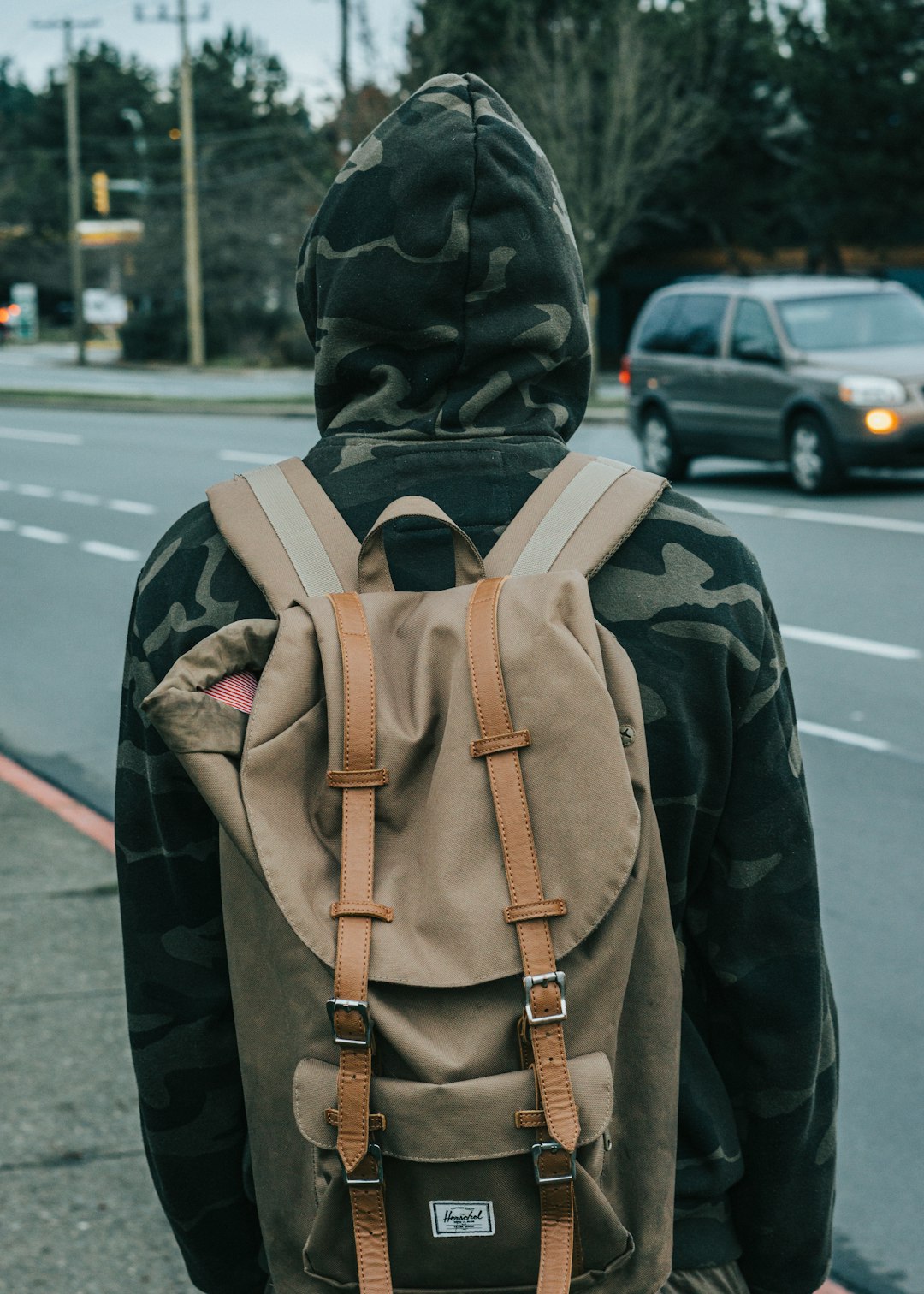
Phew! What a journey through the labyrinth of backpack statistics and trends from 2020. If there’s one thing we’ve learned at Backpack Brands™, it’s that backpacks are so much more than just bags — they’re reflections of our lifestyles, our challenges, and our hopes.
From the youngest pre-teens lugging their favorite character-themed packs to seniors opting for lightweight, ergonomic designs, 2020 was a year that reshaped how every age group approached carrying their essentials. The pandemic was the ultimate game-changer, pushing us outdoors and forcing us to rethink what we need in a backpack. Whether it was the surge in demand for hiking packs or the rise of anti-theft features in urban commuter bags, the market adapted swiftly.
Brands like Osprey, The North Face, and JanSport stood tall, proving that quality, versatility, and brand trust matter more than ever. Meanwhile, eco-conscious brands like Patagonia and Cotopaxi showed the way forward for sustainability in carry gear.
So, what about those lingering questions? Will the hybrid lifestyle backpacks continue to dominate? Absolutely. The demand for versatile, ergonomic, and sustainable backpacks is no passing fad — it’s the new normal. And as we continue to navigate a world that’s anything but predictable, your backpack will remain your trusty sidekick, adapting alongside you.
In short: Choose your backpack wisely, with an eye on your lifestyle, your health, and the planet. And remember, we’re here to help you every step of the way.
Recommended Links: Dive Deeper into Backpack Wisdom 🔗
Ready to upgrade your carry game? Check out these top picks and resources to find your perfect pack or learn more about backpack trends and care.
Shop Top Backpack Brands Mentioned:
- Osprey Packs: Amazon | Osprey Official Website
- The North Face: Amazon | The North Face Official Website
- JanSport: Amazon | JanSport Official Website
- Patagonia: Amazon | Patagonia Official Website
- Cotopaxi: Amazon | Cotopaxi Official Website
- Pacsafe Anti-Theft Backpacks: Amazon | Pacsafe Official Website
- Travelon: Amazon | Travelon Official Website
Recommended Books on Backpacks and Outdoor Gear:
- The Backpacker’s Field Manual by Rick Curtis — Amazon Link
- Ultralight Backpackin’ Tips by Mike Clelland — Amazon Link
- The Complete Guide to Backpacking by Mark Johnson — Amazon Link
FAQ: Your Burning Backpack Questions Answered 🔥
What are the most popular backpack brands among teenagers in 2020?
In 2020, teenagers gravitated toward brands that combined style, functionality, and social currency. The standout names were:
- Herschel Supply Co. — Known for its trendy, minimalist designs that fit perfectly with teen fashion sensibilities.
- Fjällräven Kånken — The iconic square-shaped backpack that became a symbol of cool, especially among high school and college students.
- JanSport — A classic that never goes out of style, prized for durability and a wide range of colors and patterns.
These brands balanced aesthetic appeal with practical features like padded laptop sleeves and organizational compartments, making them perfect for both school and social outings. The rise of clear backpacks for security reasons also nudged some teens toward transparent or minimalist designs, though many resisted this trend for privacy concerns.
How do backpack preferences vary by age group in terms of style and functionality?
Backpack preferences in 2020 were sharply influenced by age, reflecting differing lifestyles and priorities:
- Pre-Teens (5-12): Prioritized durability and fun designs featuring popular characters. Ergonomics were important to parents, with padded straps and back panels to protect growing spines.
- Teens (13-18): Sought fashion-forward backpacks with tech-friendly features like laptop sleeves and cable organizers. Style was often a social statement.
- Young Adults (18-30): Wanted versatile, multi-use backpacks that could transition from work to outdoor adventures. Sustainability and brand ethics became significant factors.
- Adults (31-55): Focused on professional aesthetics, comfort, and organization. Ergonomic support and multi-functionality (e.g., parent-friendly features) were key.
- Seniors (56+): Preferred lightweight, simple, and secure backpacks with easy access and anti-theft features to enhance mobility and safety.
What are the key factors that influence backpack choice among different age groups in 2020?
Several factors shaped backpack choices across age groups:
- Functionality: What the backpack needs to carry — books, laptops, outdoor gear, or daily essentials.
- Ergonomics: Comfort and health considerations, especially important for children and older adults.
- Style and Social Identity: Particularly for teens and young adults, backpacks are an extension of personal style.
- Safety and Security: Influenced by school policies (e.g., clear backpacks) and urban safety concerns, leading to demand for anti-theft features.
- Sustainability: Increasingly important across all ages, with many consumers favoring eco-friendly materials and ethical brands.
- Pandemic-Driven Needs: Accessibility for sanitizer, masks, and adaptability for remote work or outdoor activities.
Which backpack brands were most popular among college students in 2020 based on sales and consumer trends?
College students in 2020 favored brands that offered versatility, tech compatibility, and style:
- Osprey: Known for durable, comfortable packs suitable for campus and outdoor use.
- The North Face: Balanced rugged outdoor features with urban style.
- Herschel Supply Co.: Offered trendy designs that doubled as fashion statements.
- JanSport: Continued to be a reliable choice for affordability and durability.
- Peak Design: Gained traction among creative students needing specialized compartments for cameras and tech gear.
These brands capitalized on the hybrid lifestyle of college students juggling remote classes, social distancing, and outdoor escapes.
How did the COVID-19 pandemic specifically influence backpack features and consumer demands in 2020?
The pandemic reshaped backpack demands by:
- Increasing the need for accessible sanitizer pockets and wipe-clean materials.
- Driving a surge in outdoor and hiking backpacks as people sought safe ways to exercise and socialize.
- Reducing demand for traditional commuter and travel backpacks.
- Boosting interest in anti-theft and security features due to heightened urban safety concerns.
- Encouraging consumers to seek multi-functional, adaptable bags for work-from-home setups and local adventures.
Reference Links: Where We Sourced Our Insights 📊
- National Center for Education Statistics (NCES) — School Safety and Security Measures
- Colorado Parks and Wildlife — 2020 Elk Draw Recap Report
- Big Cities Health Coalition — 2020 Gun Deaths in Big Cities
- The North Face Official Website — https://www.thenorthface.com/en-us
- Osprey Official Website — https://www.osprey.com/
- JanSport Official Website — https://www.jansport.com/
- Patagonia Official Website — https://www.patagonia.com/home/
- Cotopaxi Official Website — https://www.cotopaxi.com/
- Pacsafe Official Website — https://pacsafe.com/
- Travelon Official Website — https://www.travelonbags.com/
- Herschel Supply Co. Official Website — https://herschel.com/
- Peak Design Official Website — https://www.peakdesign.com/
We hope this comprehensive guide helps you navigate the fascinating world of backpacks in 2020 and beyond! For more insights, reviews, and trend updates, keep exploring Backpack Brands™.