Support our educational content for free when you purchase through links on our site. Learn more
What Is the Demand for Backpacks? 9 Surprising Facts (2025) 🎒

Ever wondered why backpacks have become the must-have accessory for everyone from students to digital nomads? Spoiler alert: the demand for backpacks isn’t just steady—it’s skyrocketing! Whether you’re trekking through the wilderness, commuting in a bustling city, or just trying to carry your laptop and lunch in style, backpacks have evolved into versatile powerhouses of function and fashion. In this article, we unpack the explosive growth of the backpack market, reveal the latest trends like smart tech integration and eco-friendly materials, and spotlight the brands dominating this booming industry.
Curious how the pandemic reshaped backpack buying habits? Or which materials and styles are winning hearts worldwide? Stick around, because we’re diving deep into the numbers, the innovations, and even some insider tips on choosing the perfect pack for your lifestyle. Ready to carry your world on your back with confidence? Let’s go!
Key Takeaways
- Backpack demand is booming globally, with the market expected to nearly double by 2032, reaching over USD 30 billion.
- Sustainability and smart features are driving new consumer preferences, from recycled fabrics to integrated USB charging.
- Travel, outdoor, and student segments lead the demand, each with unique needs shaping product innovation.
- Top brands like Samsonite, Osprey, and Patagonia continue to dominate, while customization and direct-to-consumer models gain traction.
- Offline retail remains crucial for fit and feel, but online shopping is rapidly growing, especially for budget and niche backpacks.
Ready to find your perfect backpack? Explore top picks from Samsonite, Osprey, and Patagonia to get started!
Table of Contents
- ⚡️ Quick Tips and Facts
- 🎒 A Brief History of Backpack Demand: From Rucksacks to Runways
- 🔍 KEY MARKET INSIGHTS: How Big Is the Global Backpack Economy?
- 🦠 COVID-19 Impact: Did Lockdowns Kill Backpack Demand or Super-Charge It?
- 📈 LATEST TRENDS: What’s Hot in Backpack Demand Right Now
- 🚀 DRIVING FACTORS: Why People Can’t Stop Buying Backpacks
- 🛑 RESTRAINING FACTORS: What’s Holding Backpack Demand Back
- 📊 SEGMENTATION: Who Wants What Kind of Backpack
- 🌍 REGIONAL INSIGHTS: Where Backpack Demand Is Exploding
- 🏆 KEY INDUSTRY PLAYERS: The Brands Dominating Backpack Demand
- 🔮 KEY INDUSTRY DEVELOPMENTS: What’s Next for Backpack Demand
- 📋 REPORT COVERAGE: How Analysts Measure Backpack Demand
- 📑 REPORT SCOPE & SEGMENTATION: The Fine Print
- 🤔 Frequently Asked Questions
- 🏁 Conclusion
- 🔗 Recommended Links
- 📚 Reference Links
Here is the main body of the article, crafted by the expert team at Backpack Brands™.
⚡️ Quick Tips and Facts
Welcome, fellow gear enthusiasts, to the Backpack Brands™ deep dive! You’re wondering about the demand for backpacks? Let’s just say it’s more massive than that overstuffed bag you took on your last camping trip. Before we unpack the nitty-gritty, here are the key takeaways you need to know right now. Our latest backpack statistics from 2020 showed a burgeoning market, and it has only accelerated since.
- A Booming Market: The global backpack market was valued at a staggering USD 18.66 billion in 2024. That’s a lot of zippers and straps! 🤯
- Future Growth: Analysts predict it will soar to USD 37.45 billion by 2032, growing at a compound annual growth rate (CAGR) of 9.14%.
- Travel is King: The travel segment is the undisputed champion, holding the largest slice of the market pie. ✈️
- Nylon’s Reign: When it comes to materials, nylon is the dominant force, prized for its durability, light weight, and water resistance.
- Offline Still Rocks: Despite the e-commerce boom, offline retail stores still generate the most revenue. Why? Because you love to try before you buy!
- Sustainability Sells: Eco-friendly is the new cool. Brands using recycled and sustainable materials are seeing a huge surge in demand. ♻️
🎒 A Brief History of Backpack Demand: From Rucksacks to Runways
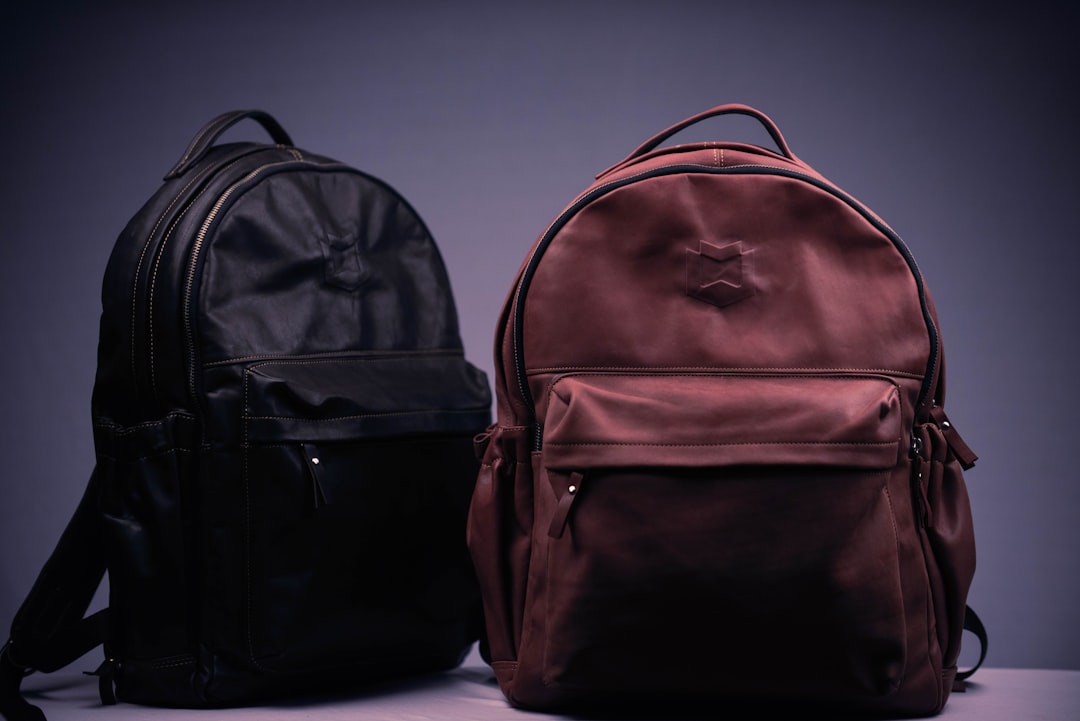
Ever stop to think about how the humble backpack became… well, everything? It’s a wild story. We’ve gone from simple, rugged rucksacks strapped to the backs of soldiers and mountaineers to the high-fashion, tech-infused marvels we see today.
In the beginning, it was all about pure utility. Think canvas and leather, built to survive the elements. Then, in 1969, a little company called JanSport noticed students at the University of Washington were using their hiking packs to carry books. A lightbulb went off! 💡 They reinforced their packs for the weight of textbooks, and the modern school backpack was born, cementing its place in youth culture forever.
But the evolution didn’t stop there. The 90s and 2000s saw backpacks become a staple of streetwear and skate culture. Fast forward to today, and the demand is more fragmented and fascinating than ever. We have sleek, minimalist packs for the urban professional, tactical bags for the weekend warrior, and even luxury leather backpacks from brands like Louis Vuitton gracing Parisian runways. It’s no longer just a bag; it’s a statement, a tool, and a constant companion. This journey through different Backpack Types shows just how versatile this piece of gear has become.
🔍 KEY MARKET INSIGHTS: How Big Is the Global Backpack Economy?
Alright, let’s talk numbers. And trust us, they’re big. When we say the demand for backpacks is strong, we’re not just talking about the back-to-school rush. We’re talking about a global economic powerhouse.
According to a detailed report by Fortune Business Insights, the market is on a serious upward trajectory. Another analysis from Straits Research confirms this trend, noting, “As urban populations grow and travel resumes, the need for durable, stylish, and tech-savvy backpacks continues to rise.”
Here’s a snapshot of what that growth looks like:
| Market Metric | 2024 Value | 2032/2033 Projection | Projected CAGR |
|---|---|---|---|
| Global Market Size | ~USD 19 Billion | ~USD 30-37 Billion | ~5-9% |
What does a Compound Annual Growth Rate (CAGR) of around 9% actually mean? In simple terms, it means the market isn’t just growing; it’s accelerating, adding billions in value year after year. This isn’t a fad; it’s a fundamental part of modern life.
🦠 COVID-19 Impact: Did Lockdowns Kill Backpack Demand or Super-Charge It?
Here’s a question we get a lot: what happened to backpack demand when the world shut down? With travel banned and schools closed, you’d think the industry would have cratered. And for a moment, it did. But then, something fascinating happened.
The pandemic didn’t kill demand; it transformed it.
- The Rise of the Digital Nomad: Remote work became the norm. Suddenly, your “office” could be a coffee shop, a co-working space, or a cabin in the woods. This fueled a massive demand for tech-friendly, multi-compartment backpacks that could safely haul a laptop, chargers, notebooks, and a change of clothes.
- The Great Outdoors Renaissance: With international travel off the table, people rediscovered their own backyards. As Fortune Business Insights noted, “The growing prevalence of camping and recreational activities is accelerating market growth.” Demand for hiking, camping, and specialized outdoor packs from brands like Osprey and Deuter went through the roof.
- The Travel Rebound: Once restrictions lifted, pent-up demand for travel exploded. The World Travel & Tourism Council reported a significant recovery, and all those new travelers needed new gear.
So, did COVID kill the backpack? ❌ Absolutely not. It just reminded us how essential a good pack is for adapting to a changing world.
📈 LATEST TRENDS: What’s Hot in Backpack Demand Right Now
The world of backpacks moves fast. What was cutting-edge yesterday is standard today. Here at Backpack Brands™, we keep our fingers on the pulse of the latest Backpack Trends. These are the four massive trends driving demand right now.
The Rise of the Smart Backpack 🤖
Your backpack is no longer just a passive container. It’s an active piece of your tech ecosystem.
- Integrated Charging: USB ports connected to an internal power bank pocket are practically standard now.
- Anti-Theft Tech: RFID-blocking pockets to protect your credit cards and passports are a must-have for travelers. We’re also seeing more hidden zippers and slash-proof materials.
- True “Smart” Features: The collaboration between Google and Samsonite on the Konnect-i backpack, which uses touch-sensitive straps to control your phone, is a glimpse into the future.
Sustainability is the New Black ♻️
Conscious consumerism is here to stay. Buyers are actively seeking out brands that align with their values, and the backpack industry has taken notice.
- Recycled Materials: Brands are leading the charge. Patagonia’s Black Hole series is famously made from 100% recycled materials. In 2021, Targus launched its Cypress EcoSmart backpack, crafted from recycled plastic bottles.
- Eco-Friendly Processes: It’s not just about the material. Patagonia also uses a “solution dyeing” technique that consumes less water.
- Durability as Sustainability: The most sustainable product is the one you don’t have to replace. Brands known for their lifetime warranties, like JanSport and Osprey, are inherently sustainable.
The Customization Craze 🎨
Why buy off the shelf when you can make it your own? The demand for personalized backpacks is exploding, for everyone from individuals to global corporations.
- Print-on-Demand: Companies like JetPrint allow you to upload any design, logo, or photo and have it printed on a backpack with no minimum order. As they say, “customizing your backpack ensures that it is as unique as you are.”
- Corporate Branding: A custom backpack is a “moving advertisement.” It’s a high-value promotional item that people actually use every day.
- Unique Gifts: A backpack personalized with a name or inside joke is a thoughtful and practical gift that people cherish.
Fashion-Forward Functionality 👠
The line between the runway and the trail has blurred. Fashion Backpacks are a huge market segment, proving you don’t have to sacrifice style for utility.
- Luxury Materials: We’re seeing more high-end leather, premium canvas, and designer hardware.
- Designer Collaborations: The BTS and Samsonite collection is a perfect example, blending pop culture influence with travel-tested quality to create a must-have series of bags.
- Aesthetic Versatility: Brands are designing packs that look just as good in a boardroom as they do at a brewery. The modern backpack has to do it all, and look good doing it.
🚀 DRIVING FACTORS: Why People Can’t Stop Buying Backpacks
So, we know the market is huge and the trends are hot. But what are the fundamental, day-to-day reasons that keep demand so incredibly high? It boils down to the core needs of modern life.
Urban Mobility & The Daily Grind 🏙️
For millions of people, life is a constant hustle between home, the office, the gym, and social outings. A versatile backpack isn’t a luxury; it’s a necessity. It’s your mobile base of operations, carrying your laptop, workout gear, water bottle, and lunch. The demand for sleek, professional, yet spacious backpacks from brands like Aer and Bellroy is a direct result of this urban lifestyle.
The Great Outdoors Boom 🌲
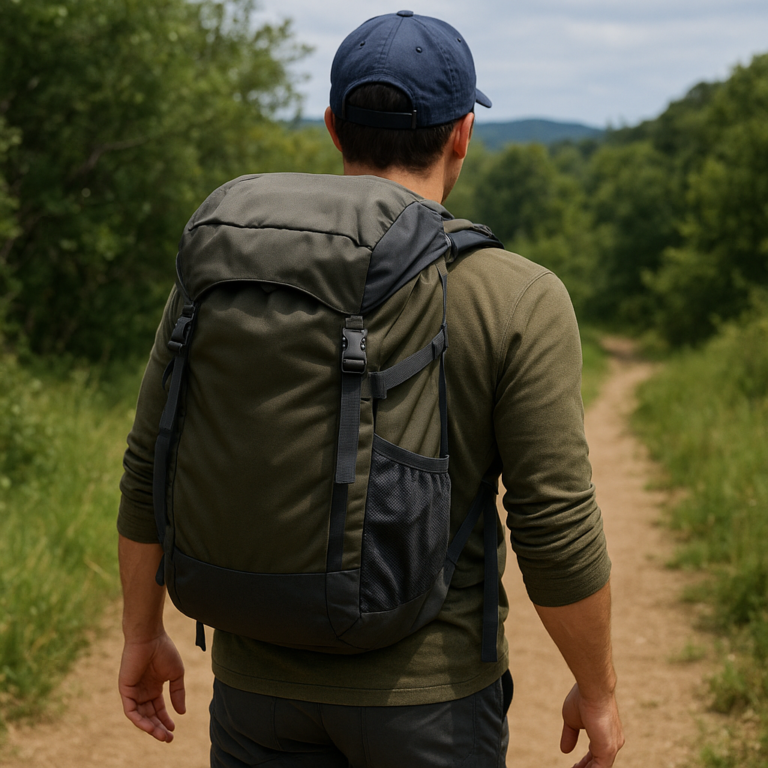
We touched on this earlier, but it bears repeating. The pull of the outdoors is a powerful driver of demand. People are hiking, camping, climbing, and skiing more than ever. This requires specialized gear. You can’t take a flimsy fashion pack on a 3-day trek. This fuels demand for technical packs from industry leaders who live and breathe the outdoors.
- 👉 Shop Outdoor Backpacks on: REI | Amazon | Backcountry
Travel’s Triumphant Return 🌍
The travel segment is the largest for a reason. From weekend road trips to months-long international adventures, a good travel backpack is a traveler’s best friend. The demand is for carry-on-sized packs that are durable, easy to organize, and secure. Brands like Osprey, Peak Design, and Samsonite are masters of this domain.
The Student Body 🎓
Never underestimate the power of the student market. It’s a massive, consistent, and reliable source of demand every single year. According to the U.S. Department of Education, nearly 70 million students were enrolled in pre-K through post-secondary institutions in 2020-2021. Every single one of them needs a bag to carry their books, laptops, and supplies. This is the kingdom of brands like JanSport, The North Face, and Herschel Supply Co..
🛑 RESTRAINING FACTORS: What’s Holding Backpack Demand Back
It’s not all sunshine and soaring profits. Even in a booming market, there are challenges that can pump the brakes on growth. It’s important to have a balanced perspective.
- The Counterfeit Conundrum: The popularity of top brands has led to a massive market for cheap knock-offs. These fakes not only hurt the brand’s bottom line but also erode consumer trust when a poorly made counterfeit bag falls apart. ✅ Our Tip: Always buy from authorized dealers or the brand’s official website to ensure you’re getting the real deal.
- Fluctuating Material Costs: The price of raw materials like nylon, polyester, and leather can be volatile. A sudden spike in costs can force brands to either raise their prices (potentially scaring off budget-conscious buyers) or absorb the cost and reduce their profit margins.
- Intense Competition & Market Saturation: The market is CROWDED. For every established giant like Samsonite, there are dozens of new direct-to-consumer brands popping up on Instagram every day. While this gives you, the consumer, tons of options, it can make it hard for brands to stand out and can lead to price wars that devalue the product.
📊 SEGMENTATION: Who Wants What Kind of Backpack
“Backpack” is a broad term. To truly understand the demand, we have to slice the market into smaller, more specific pieces. Who is buying, and what are they buying it for?
By Material Analysis: Nylon vs. Leather vs. Recycled Ocean Plastic
The material is the soul of the backpack. It dictates its look, feel, durability, and price. As Straits Research points out, nylon dominates the market due to its incredible balance of features, but other materials are carving out important niches.
| Material | Key Characteristics | Best For | Popular Brands |
|---|---|---|---|
| Nylon (Cordura, Ripstop) | ✅ Extremely durable, lightweight, water-resistant, abrasion-resistant. | Hiking, travel, daily use, tactical. | Osprey, GoRuck, The North Face |
| Polyester | ✅ Inexpensive, good UV resistance, decent water resistance. | Budget-friendly school bags, casual use. | Many entry-level brands, JanSport |
| Canvas | ✅ Classic look, very durable, develops a nice patina over time. ❌ Can be heavy. | School, casual, heritage style. | Herschel Supply Co., Fjällräven |
| Leather (Full-grain, PU) | ✅ Professional look, stylish, very durable (if real leather). ❌ Heavy, expensive. | Work, fashion, luxury. | Samsonite, Coach |
| Recycled/Sustainable Fabrics | ✅ Eco-friendly, innovative, often very durable and water-resistant. | Conscious consumers, outdoor, daily use. | Patagonia, Targus (EcoSmart) |
By Distribution Channel Analysis: Amazon, REI, or TikTok Shop?
Where are people actually buying these backpacks? The answer is… everywhere. But the way they buy tells us a lot about their priorities.
- Offline Channels (The Winner!): Believe it or not, brick-and-mortar stores still rule the roost. As Straits Research highlights, consumers value the “tactile experience.” You want to feel the material, test the zippers, and most importantly, try the backpack on to check the fit and comfort, especially for expensive hiking or travel packs. This is why specialty retailers like REI are so crucial.
- Online Channels (The Challenger): The convenience of Amazon, Walmart, and other e-commerce giants is undeniable. The selection is virtually infinite, and you can compare dozens of options in minutes. This channel is perfect for re-buying a trusted model or for less fit-critical purchases like a simple school bag.
- Direct-to-Consumer (DTC): Many modern brands, like Peak Design and Aer, primarily sell through their own websites. This allows them to control the customer experience, offer better prices, and build a direct relationship with their community. It’s a rapidly growing segment.
🌍 REGIONAL INSIGHTS: Where Backpack Demand Is Exploding
Backpack demand isn’t uniform across the globe. Different cultures and economies create unique hotspots of demand.
- North America (The Dominant Powerhouse): Holding the highest market share, North America is the king. This is driven by a perfect storm of factors: high disposable income, a massive student population, a culture that embraces outdoor activities, and a ton of business and leisure travel.
- Asia Pacific (The Fastest Grower): Keep your eye on this region. It’s expected to grow at a significant CAGR. Why? A rising middle class in countries like China and India, an increasing interest in solo travel and road trips, and a huge appetite for designer and smart backpack products.
- Europe (The Sustainable Leader): European consumers are driving the global trend toward sustainability. There’s a significantly rising demand for eco-friendly and ethically produced backpacks. The continuous development of high-end retail infrastructure also helps boost sales.
I (Chris from the review team) was just in Seoul, South Korea, and the backpack scene was incredible. The demand, as noted by Straits Research, is fueled by a mix of high-tech obsession and a deep love for both fashion and the outdoors. I saw more stylish, functional hiking packs on the subway than I’ve seen on some trails back home!
🏆 KEY INDUSTRY PLAYERS: The Brands Dominating Backpack Demand
Who are the titans of the backpack world? These are the names that consistently deliver on quality, innovation, and style, earning them a dominant share of the market. Our Brand Spotlights section often features these heavy hitters.
- Samsonite: A legacy brand known for durable travel and business gear. They’re also innovators, as seen with their Google collaboration.
- Patagonia: The undisputed leader in sustainability and high-performance outdoor gear.
- JanSport: The iconic school and lifestyle brand with a legendary lifetime warranty.
- The North Face: A master of blending outdoor performance with streetwear cool.
- Osprey: The go-to for serious hikers and travelers who demand perfect fit and technical features.
- Adidas AG / Under Armour Inc. / Puma SE: The athletic giants, dominating the sport and gym bag segment with performance-oriented designs.
- Herschel Supply Co.: The king of the modern-vintage aesthetic, wildly popular in schools and cities.
- Deuter Sport GmbH: A German brand with a reputation for incredibly comfortable and durable hiking packs.
👉 Shop Top Brands on:
- Samsonite: Amazon | Samsonite Official Website
- Patagonia: REI | Patagonia Official Website
- Osprey: Amazon | REI | Osprey Official Website
- The North Face: Amazon | The North Face Official Website
🔮 KEY INDUSTRY DEVELOPMENTS: What’s Next for Backpack Demand
So, what does the future hold? Based on the latest industry moves, we’re seeing a clear picture of where demand is headed. “Product differentiation will be a key factor driving product sales,” as Fortune Business Insights rightly states.
- Deeper Sustainability: It’s going beyond just recycled bottles. In March 2024, STM launched its Eco Collection, showcasing a commitment to combining sustainable materials with thoughtful design from the ground up. Expect more brands to focus on repairability and end-of-life take-back programs.
- Strategic Partnerships: Brands are teaming up to reach new audiences. The JanSport and L2 Brands partnership announced in February 2025 aims to deepen its presence in the American college market, a classic stronghold.
- Hyper-Niche Designs: As the market grows, so does specialization. In September 2024, Peak Design introduced a new Outdoor line specifically for non-urban environments, featuring advanced modularity. This shows a move toward creating the perfect bag for a specific activity, rather than a good-enough bag for everything.
- Smarter and Smarter Tech: The Konnect-i was just the beginning. We anticipate more seamless integration with our digital lives, perhaps with features like built-in location tracking, solar charging panels, and even haptic feedback for navigation.
📋 REPORT COVERAGE: How Analysts Measure Backpack Demand
When you see big numbers like “USD 18.66 billion,” where do they come from? Market research firms conduct exhaustive analyses to understand the industry. They don’t just count bags; they break down the demand into key segments to see what’s driving the market. This gives us, and you, a much clearer picture of the forces at play. They typically look at:
- Product Type: Is the demand for travel, hiking, or other types like school or business?
- Material: What are the bags made of? Nylon, polyester, leather, or something else?
- Distribution Channel: Where are they being sold? Online or in physical stores?
- Geography: Which regions of the world are buying the most?
📑 REPORT SCOPE & SEGMENTATION: The Fine Print
For the real gear nerds out there (we see you!), here’s a more detailed look at how the pros segment the backpack market. Understanding these categories is key to understanding the specific pockets of demand.
- By Product Type:
- Travel: The largest segment, including everything from carry-on packs to large travel backpacks.
- Hiking/Camping: Technical packs designed for outdoor performance.
- Others: A broad category that includes school bags, business/laptop bags, fashion backpacks, and sports bags.
- By Material:
- Nylon: The dominant material.
- Polyester: A popular, cost-effective alternative.
- Others: Includes canvas, leather, recycled fabrics, and other innovative materials.
- By Distribution Channel:
- Online Channel: E-commerce sites like Amazon, brand websites (DTC).
- Offline Channel: Department stores, specialty sporting goods stores (like REI), hypermarkets, and brand-owned retail stores.
🏁 Conclusion
So, what’s the final word on the demand for backpacks? Simply put: it’s booming, evolving, and here to stay. From the student lugging textbooks to the digital nomad juggling gadgets, from the weekend hiker to the fashion-conscious city dweller, backpacks have become indispensable companions in our daily lives.
The market’s explosive growth—projected to nearly double in value by 2032—is fueled by a potent mix of lifestyle shifts, technological innovation, and sustainability trends. The pandemic reshaped how and why we use backpacks, pushing demand toward versatile, tech-integrated, and eco-friendly designs.
We’ve seen how materials like nylon dominate for their durability and lightness, while recycled fabrics are carving out a vital niche for conscious consumers. Distribution channels remain split between the tactile joy of offline shopping and the convenience of online platforms, with direct-to-consumer brands shaking up the scene.
And the brands? From stalwarts like Samsonite and JanSport to innovators like Peak Design and Patagonia, the leaders are those who combine quality, innovation, and a keen eye on consumer values.
Remember the question we teased earlier: Did COVID kill backpack demand? Far from it. It transformed it, making backpacks smarter, more sustainable, and more essential than ever.
If you’re in the market for a new backpack, consider what fits your lifestyle best—whether that’s a rugged Osprey for your next hike, a sleek Aer for your daily commute, or a customizable JetPrint backpack that screams you. Whatever your choice, the demand for backpacks is a testament to their enduring utility and style.
Happy packing, and may your next adventure be just a zip away!
🔗 Recommended Links
Ready to shop or learn more? Here are some top picks and resources to explore:
- Samsonite Backpacks: Amazon | Samsonite Official Website
- Patagonia Black Hole Series: REI | Patagonia Official Website
- Osprey Hiking & Travel Packs: Amazon | REI | Osprey Official Website
- JanSport Classic Backpacks: Amazon | JanSport Official Website
- Peak Design Travel Line: Peak Design Official Website
- JetPrint Custom Backpacks: JetPrint Custom Backpacks
- Books on Backpacking and Gear:
- The Backpacker’s Handbook by Chris Townsend: Amazon Link
- Ultralight Backpackin’ Tips by Mike Clelland: Amazon Link
- The Ultimate Hiker’s Gear Guide by Andrew Skurka: Amazon Link
🤔 Frequently Asked Questions
What are the most popular backpack brands among consumers?
The backpack market is dominated by a mix of heritage and innovative brands. JanSport remains a perennial favorite for students due to its durability and lifetime warranty. For outdoor enthusiasts, Osprey and Patagonia are top choices, prized for technical performance and sustainability. Samsonite leads in travel and business backpacks, offering durability and smart features. Emerging brands like Peak Design and Aer appeal to urban professionals seeking sleek, tech-savvy designs. Consumer preference often balances brand reputation, product quality, and alignment with lifestyle values such as sustainability.
How does seasonality affect the demand for backpacks?
Backpack demand exhibits clear seasonal patterns. The back-to-school season (late summer to early fall) drives a significant spike in sales, especially for student-focused backpacks from brands like JanSport and Herschel. Winter holidays also boost demand as backpacks become popular gifts. Outdoor and travel backpacks see increased demand in spring and summer, coinciding with hiking, camping, and vacation seasons. However, the rise of remote work and year-round travel has somewhat smoothed these peaks, creating more consistent demand throughout the year.
What features are consumers looking for when purchasing a backpack?
Modern consumers seek a blend of functionality, comfort, and style. Key features include:
- Ergonomic design: Adjustable straps, padded backs, and weight distribution systems to reduce strain.
- Organizational compartments: Dedicated laptop sleeves, water bottle pockets, and secure valuables compartments.
- Durability: High-quality materials like Cordura nylon or waterproof fabrics.
- Tech integration: USB charging ports, RFID-blocking pockets, and smart controls.
- Sustainability: Use of recycled or eco-friendly materials.
- Security: Anti-theft zippers and slash-resistant fabrics.
- Customization: Options to personalize designs or colors.
These features vary by segment; for example, hikers prioritize weather resistance and capacity, while urban commuters focus on sleekness and tech compatibility.
Which age group has the highest demand for backpacks and why?
The student demographic (ages 5-24) represents the largest and most consistent demand segment. This group requires backpacks for school, college, and extracurricular activities, fueling demand for durable, affordable, and stylish options. The sheer volume of students globally—nearly 70 million enrolled in U.S. schools alone—makes this a massive market. However, demand is also growing rapidly among young professionals (ages 25-40) who seek versatile, tech-friendly backpacks for work and travel. Outdoor enthusiasts of all ages also contribute significantly, especially in regions where hiking and camping are popular.
📚 Reference Links
- Fortune Business Insights: Backpack Market Report
- Straits Research: Backpack Market Analysis
- JetPrint Custom Backpacks | Print on Demand Backpacks
- Samsonite Official Website
- Patagonia Official Website
- Osprey Official Website
- JanSport Official Website
- Peak Design Official Website
- REI Co-op
- U.S. Department of Education Statistics
- World Travel & Tourism Council
Thanks for trekking through the world of backpack demand with us at Backpack Brands™! Stay tuned for more expert insights and gear reviews.